


Learning how to choose furniture for a living room is the difference between a space that merely looks nice and one that actually works for daily life. The right pieces balance comfort, function, and style so the room feels intentional rather than accidental. Whether you’re furnishing your first apartment or refreshing a family home, a clear plan keeps you from buying pieces that fight each other.
This guide walks through the practical decisions that matter most: layout, scale, style, and the individual pieces that make up a cohesive room. By the end, you’ll have a repeatable framework for choosing furniture with confidence.
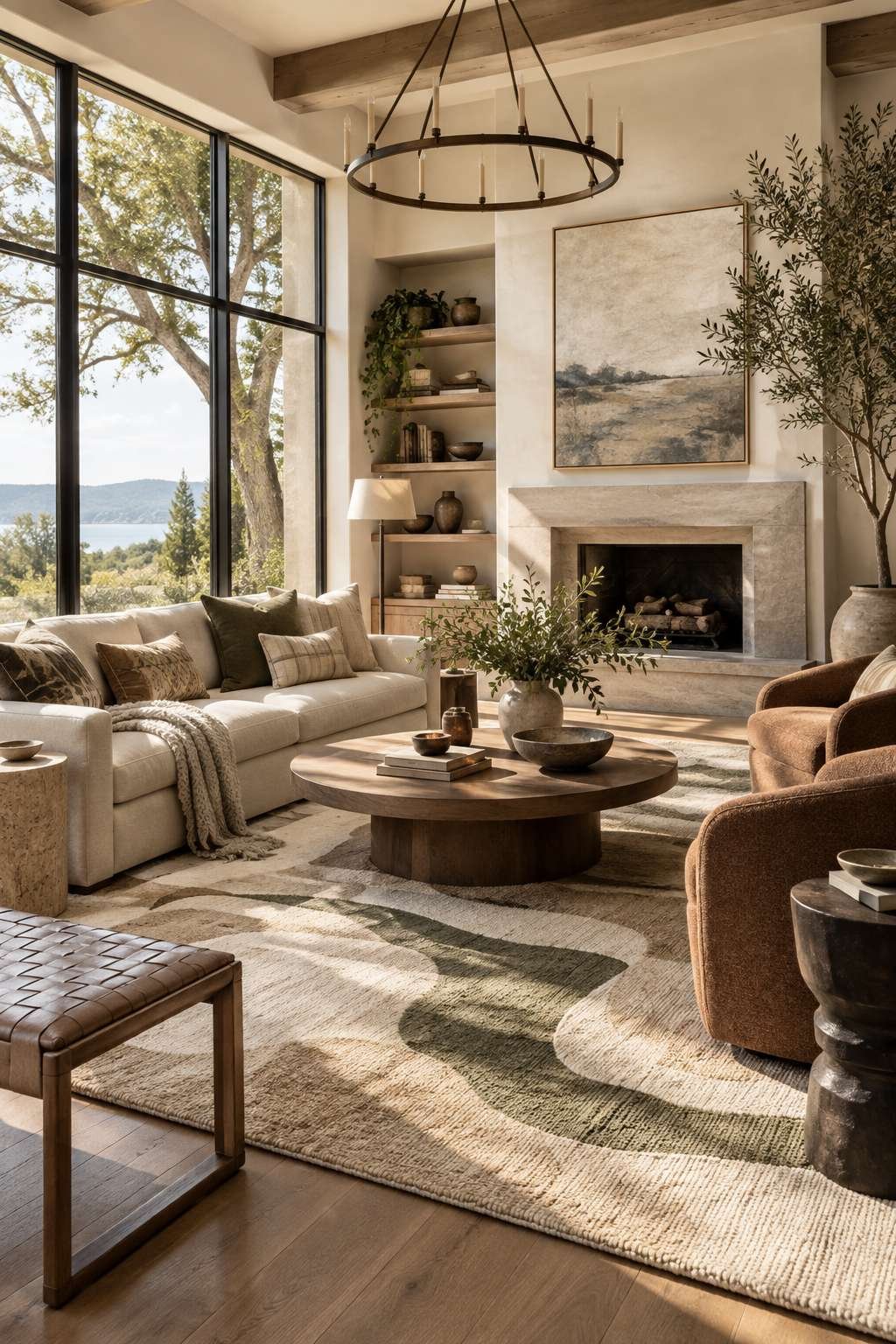
1. Start With Your Room’s Layout and Traffic Flow
Before browsing a single catalog, study how people actually move through the room. A clear traffic path should run from the main entrance to every seating area without obstruction. Furniture placed in the wrong spot creates bottlenecks that make even a spacious room feel cramped.
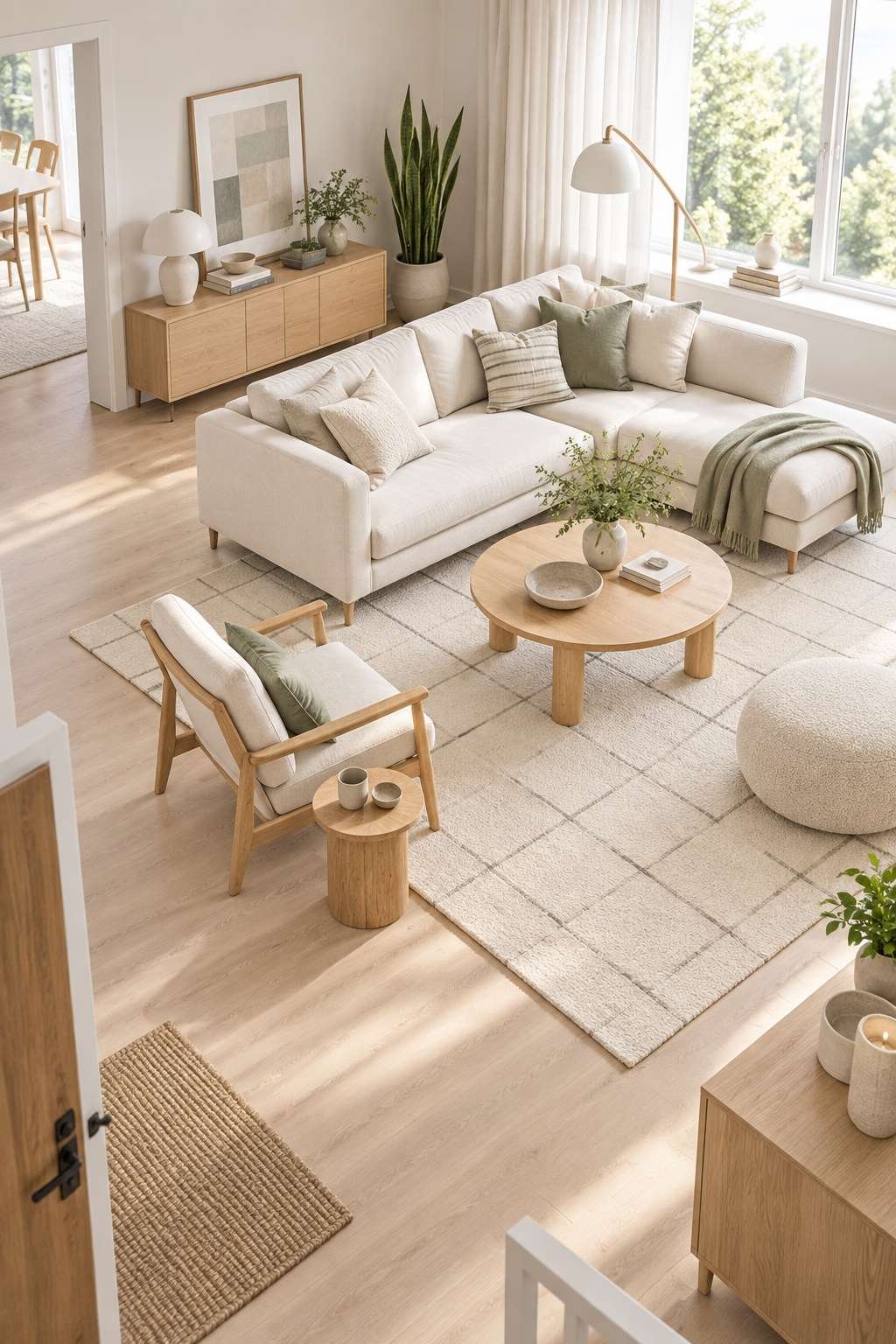
Sketch your room on paper or use a free floor-planning app to map doorways, windows, and outlets. This step reveals where large furniture can realistically go before you fall in love with a piece that won’t fit. If you’re working with a smaller footprint, our guide on how to decorate a living room with minimal furniture shows how a handful of well-chosen pieces can do more than a room full of clutter.
- Leave at least 30 inches of clearance for main walking paths
- Keep pathways between seating areas around 14-18 inches wide
- Avoid blocking windows or radiators with tall furniture
- Note where outlets sit so lamps and electronics have power nearby
- Mark focal points like a fireplace or TV wall before placing furniture
2. Measure Twice: Scale and Proportion for Your Space
Proportion is the quiet skill that separates a well-furnished room from a mismatched one. A massive sectional can overwhelm a small living room, while a delicate loveseat can look lost in a large one. Measure your room’s length, width, and ceiling height before shopping.
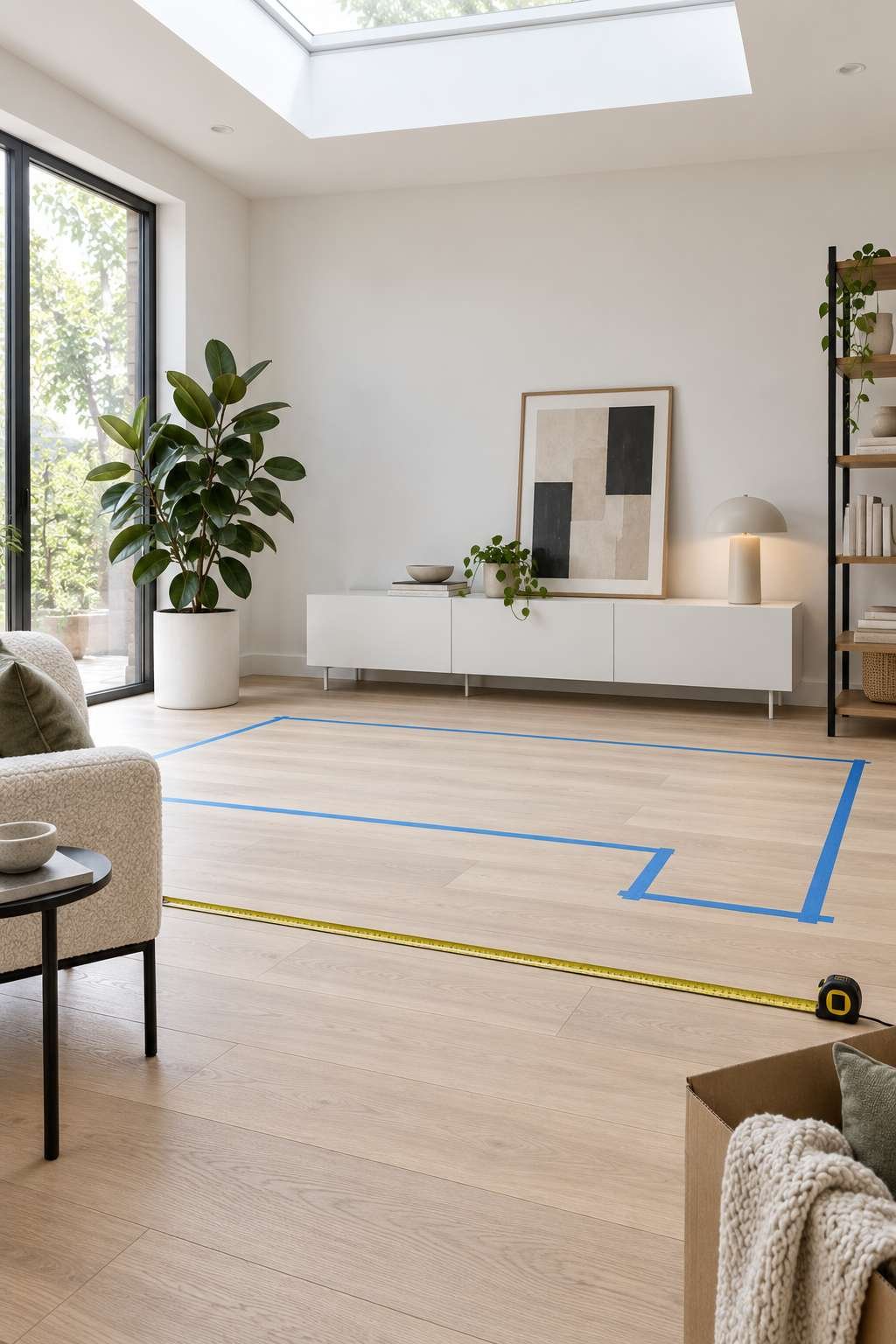
Bring painter’s tape to mark furniture footprints directly on the floor. This simple trick shows exactly how a sofa or media console will occupy the space, long before delivery day. It also helps you visualize negative space, the empty area around furniture that keeps a room from feeling packed.
- Measure doorways and hallways to confirm delivery access
- Use painter’s tape to outline large pieces on the floor
- Aim for at least 3 inches of clearance around major furniture
- Choose a rug sized to fit under all front legs of seating
- Balance one large statement piece with smaller, lighter items
3. Choose a Furniture Style That Fits Your Home
Every style, from mid-century modern to farmhouse, communicates a different mood. Pick a cohesive style early so future purchases naturally complement what you already own. Mixing styles works beautifully, but only when done with a shared thread like color or material.
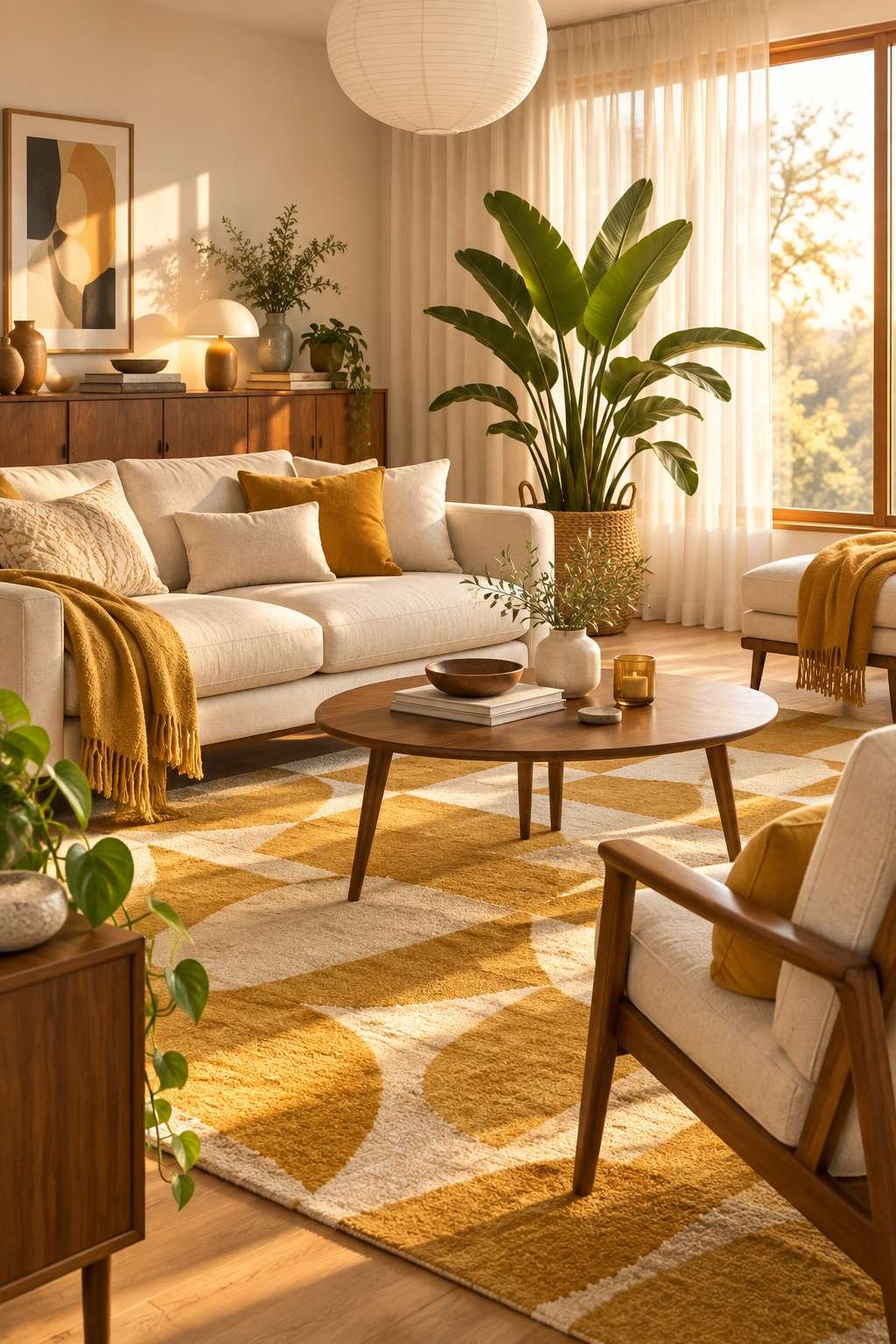
Look at the architecture of your home for cues. A house with clean lines and large windows often suits contemporary furniture, while a cottage with exposed beams leans toward traditional or rustic pieces. Once you’ve settled on a direction, our post on how to stage furniture in a living room shows how professionals arrange pieces to highlight a chosen style for photos or showings.
- Pick two or three materials to repeat throughout the room
- Choose a dominant wood tone and stick with it
- Use one bold accent color rather than several competing ones
- Let architectural details guide your overall style direction
- Save fabric and paint swatches to compare against furniture finishes
4. Selecting a Sofa: The Living Room’s Centerpiece
The sofa anchors almost every living room, so it deserves the most research. Consider seating depth for how you actually relax, whether that’s upright conversation or stretched-out lounging. A too-shallow seat feels perched; a too-deep one swallows shorter people.
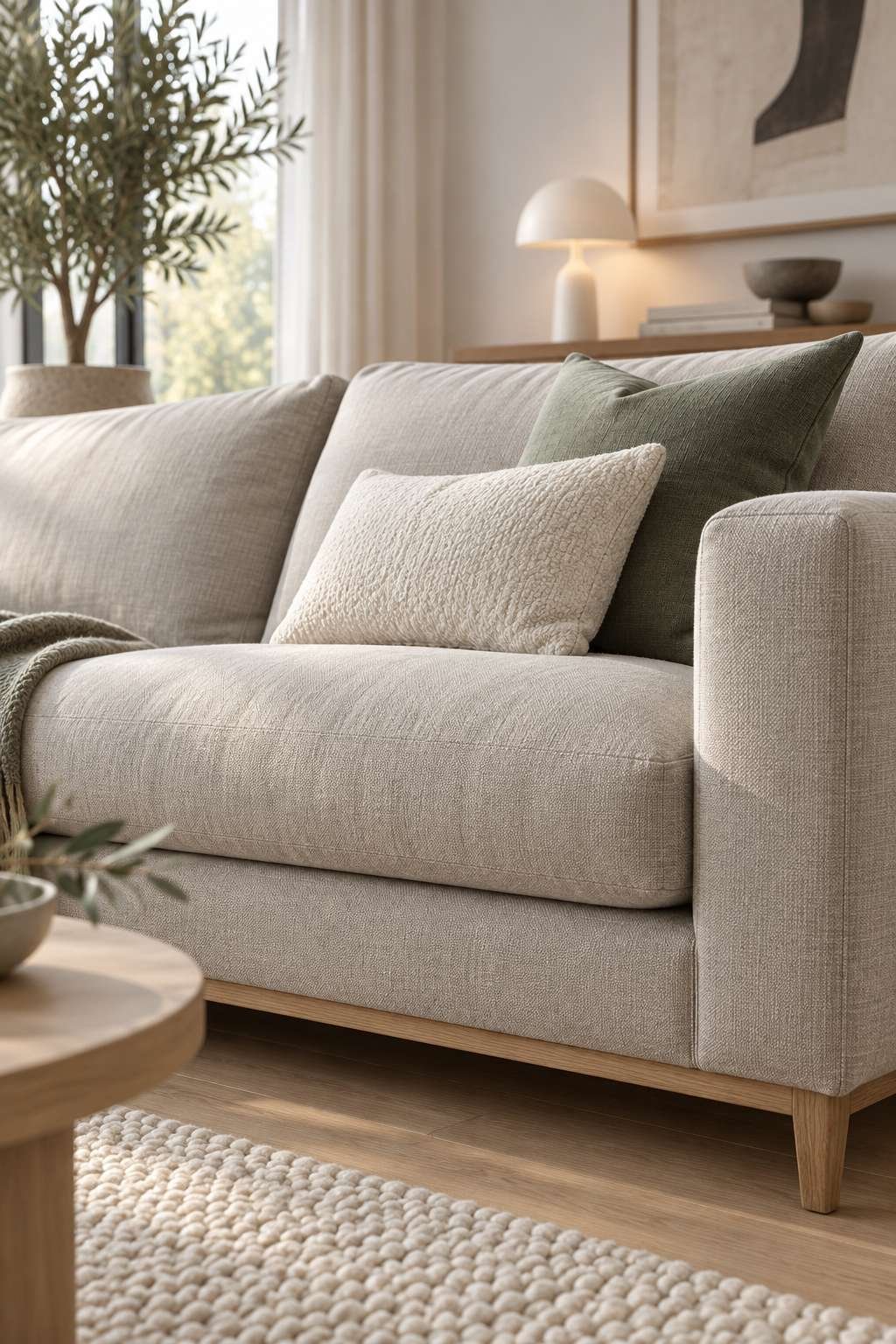
Fabric choice matters as much as shape. Performance fabrics resist stains and hold up to pets and kids, while linen and velvet bring softness at the cost of easier wear. Test any sofa in person when possible, sitting exactly as you would at home.
- Choose performance fabric for high-traffic, family-heavy households
- Sit for at least five minutes to judge true comfort
- Check the frame material; kiln-dried hardwood lasts longest
- Confirm cushion fill, since foam and down feel very different
- Measure doorframes against the sofa’s boxed dimensions before ordering
5. Picking Accent Chairs and Seating Add-Ons
Accent chairs extend seating without the bulk of another sofa. A pair of swivel chairs works well for conversation-focused rooms, letting people turn toward whoever is speaking. Look for a scale that complements, rather than competes with, your main sofa.
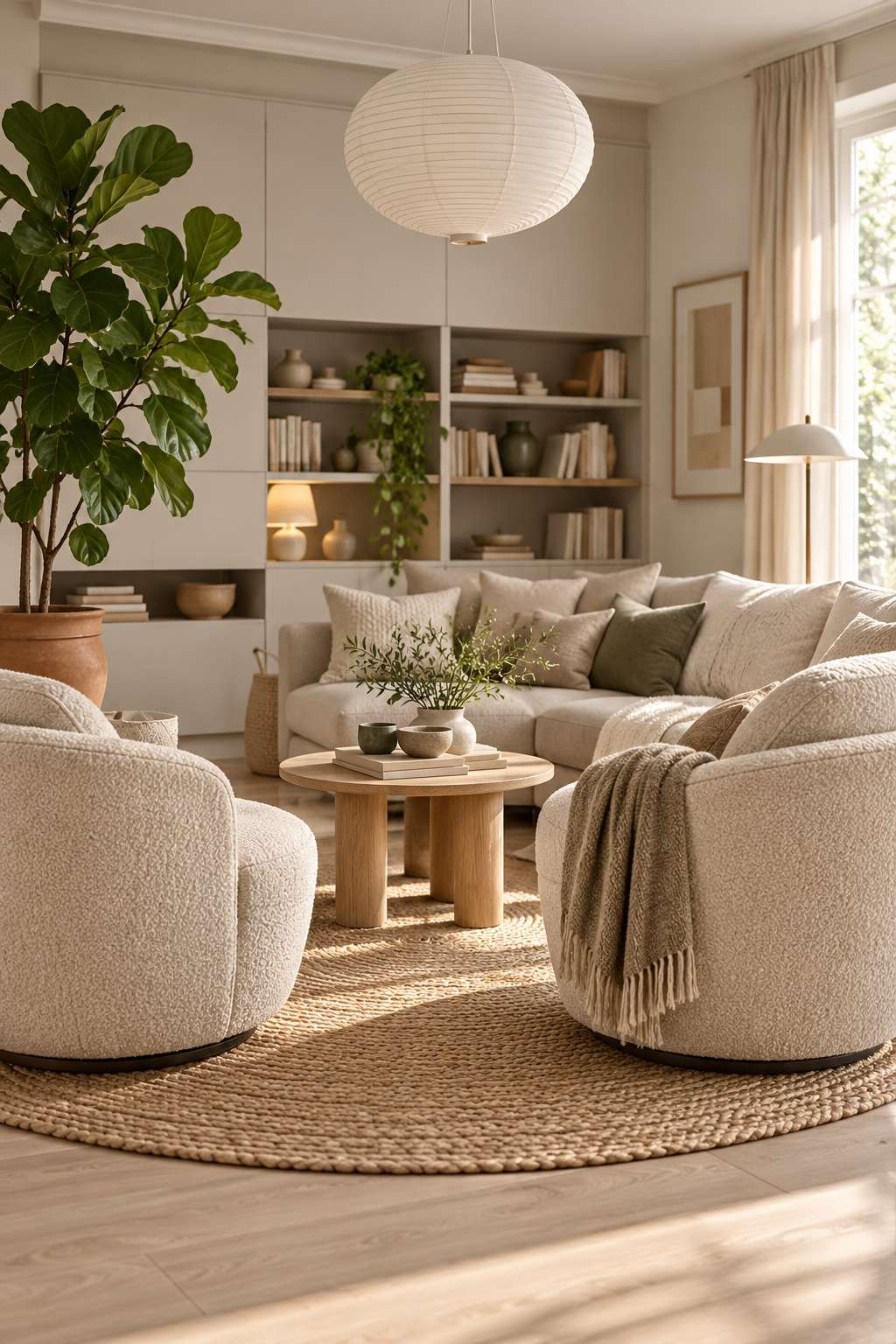
Texture and color are where accent chairs earn their keep. A boucle or leather chair can introduce contrast that keeps an all-neutral room from feeling flat. Keep armrest height consistent with nearby seating so the room reads as one composed set.
- Choose a contrasting texture to add visual interest
- Match armrest height to your existing sofa when possible
- Consider swivel bases for rooms without a fixed focal point
- Add one accent chair per two to three feet of open wall
- Use a bold pattern sparingly, on one chair rather than several
6. Coffee Tables, Side Tables, and Functional Surfaces
A coffee table should sit roughly the same height as your sofa cushions, give or take two inches. Leave 14 to 18 inches between the table and seating so knees and feet have breathing room. Round tables work well in tight walkways since they have no sharp corners.
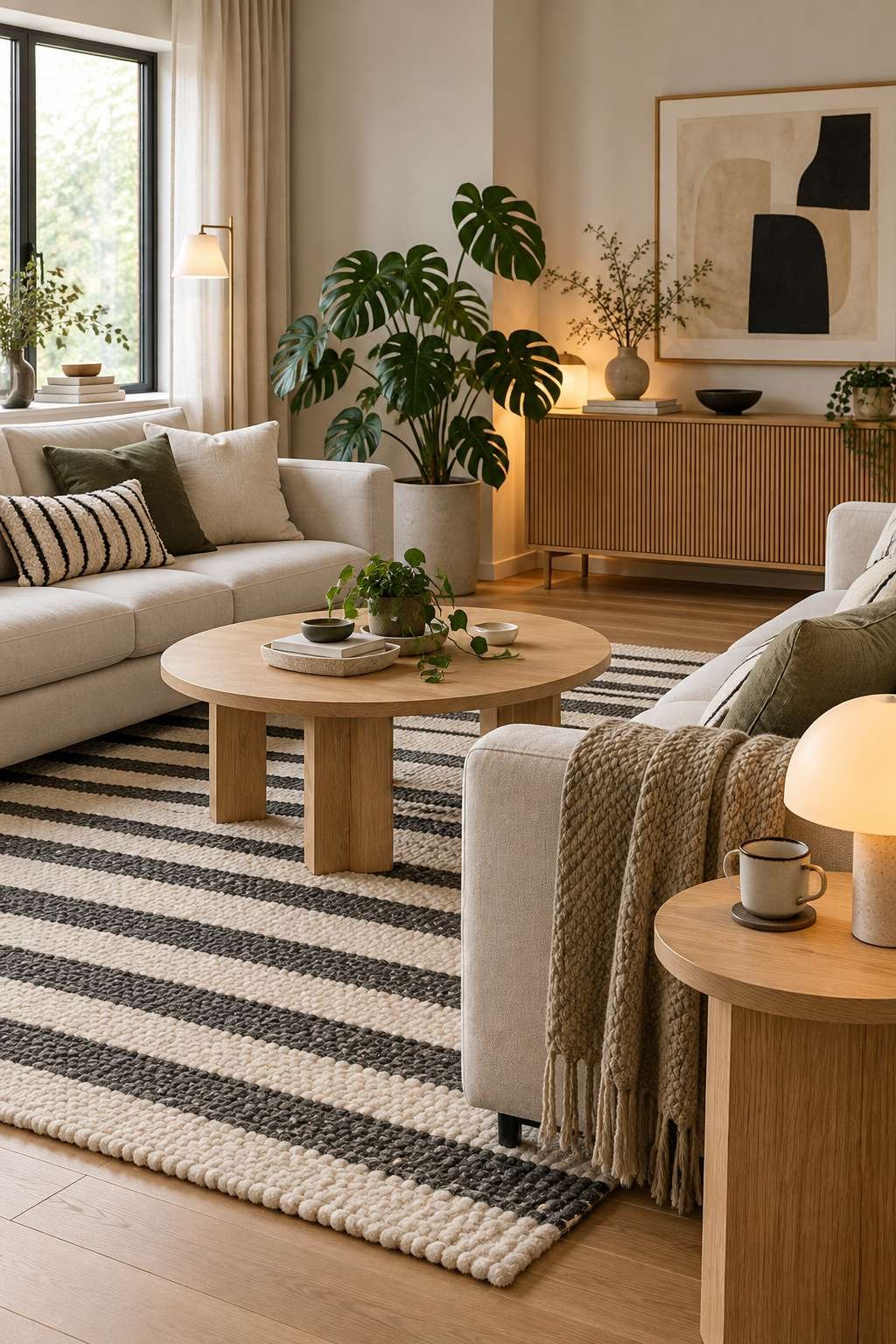
Side tables fill the gaps a coffee table can’t reach, holding lamps, drinks, and remotes within arm’s length of every seat. Choose a table with a surface at least as tall as the arm of the chair beside it, so drinks sit securely rather than teetering.
- Match coffee table height to sofa cushion height
- Leave 14-18 inches of clearance around the coffee table
- Add a side table within reach of every major seat
- Choose round tables for narrow or heavily trafficked rooms
- Pick materials that echo another piece already in the room
7. Storage Solutions: TV Stands, Consoles, and Shelving
Storage furniture keeps a living room from filling up with visible clutter. A media console should be roughly two-thirds the width of the television it holds, so the screen doesn’t look stranded. Choose closed cabinets if you want to hide cords and gaming consoles.
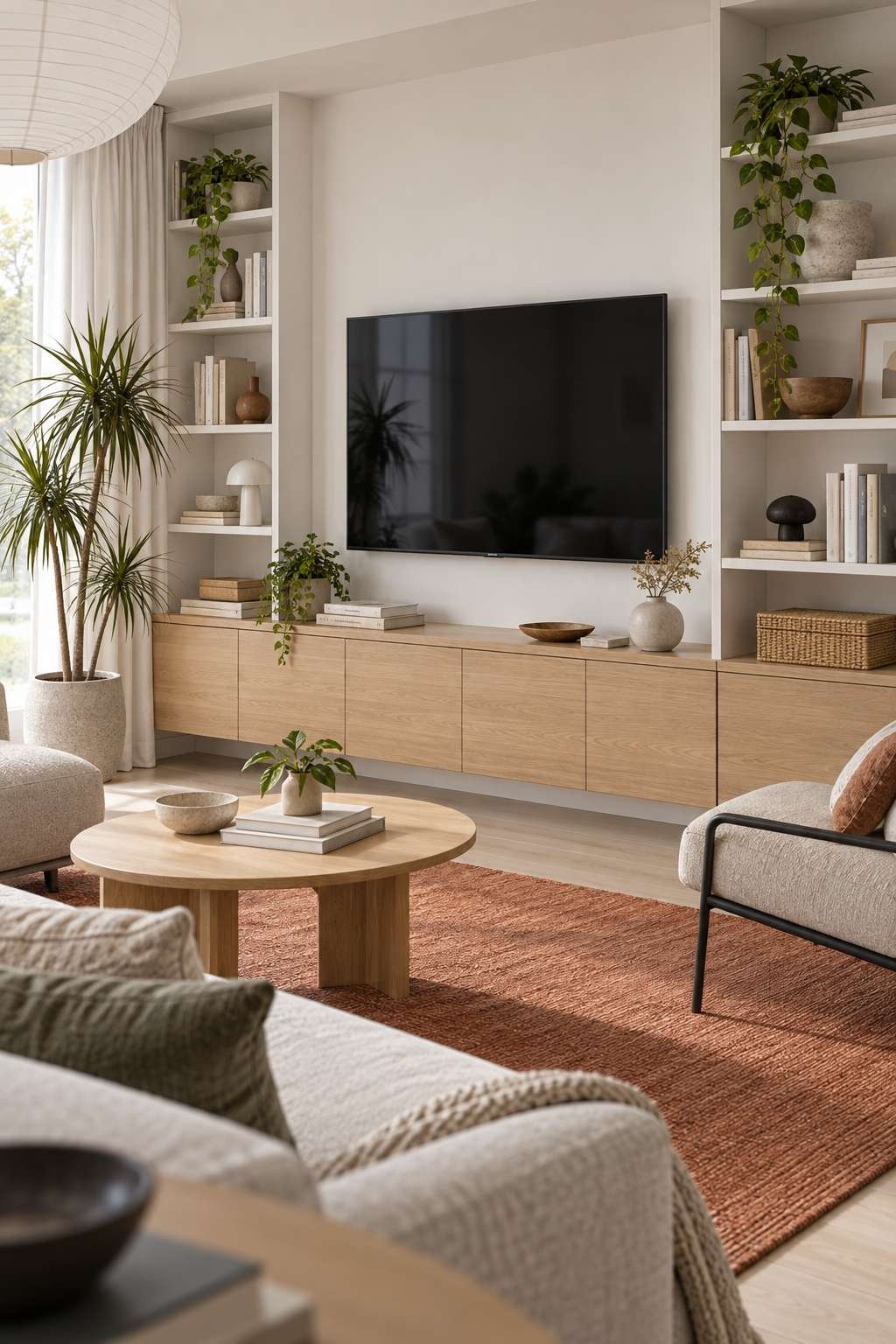
Open shelving, by contrast, lets you display books and décor while adding visual texture to a wall. Balance the two: enough closed storage for everyday clutter, enough open shelving for personality and books your guests can browse.
- Size media consoles to roughly two-thirds the TV’s width
- Choose closed cabinets to hide cords and electronics
- Mix open shelving with closed doors for visual balance
- Leave 3-4 inches behind the console for cable management
- Use baskets on open shelves to corral small items neatly
8. Layering Textiles: Rugs, Cushions, and Throws
Textiles soften hard furniture lines and pull a room’s color palette together. A properly sized rug should extend at least a few inches beyond all seating for a grounded look. If you’re unsure where to start, our detailed guide on how to place rugs in living room covers sizing and positioning in depth.
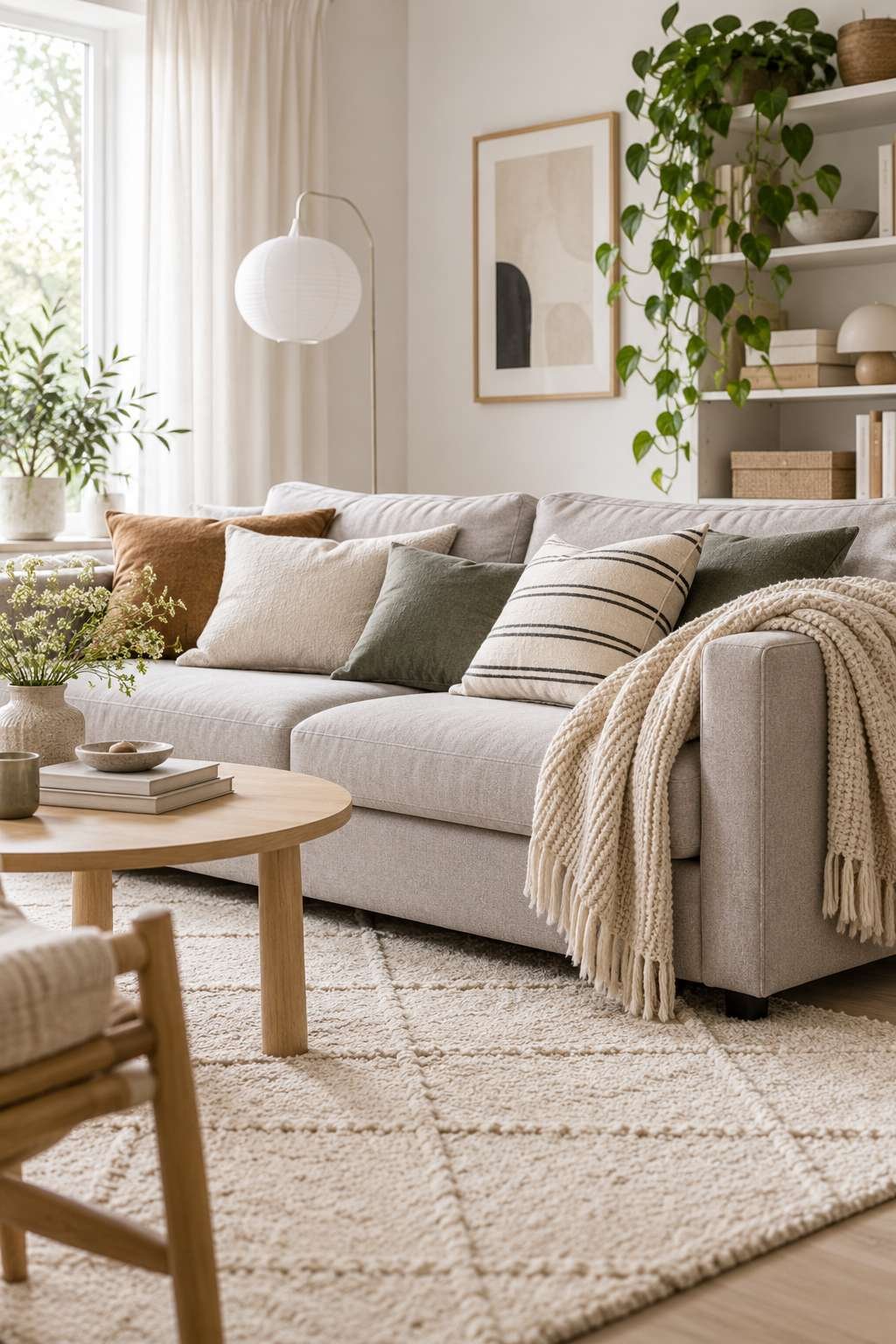
Cushions and throws are the easiest way to update a room’s mood without buying new furniture. Rotate a few seasonal colors through existing neutral pieces to keep the space feeling fresh year-round.
- Choose a rug large enough for front sofa legs to sit on it
- Layer two to three cushion sizes for visual depth
- Add one textured throw per major seating piece
- Rotate seasonal colors without replacing base furniture
- Repeat one rug color elsewhere in the room for cohesion
9. Lighting and Furniture: Creating Balance
Furniture and lighting should be planned together, not as an afterthought. Place a floor lamp beside any chair that lacks a nearby side table, so reading light is never more than an arm’s reach away. Layer ambient, task, and accent lighting for a room that feels warm at every hour.
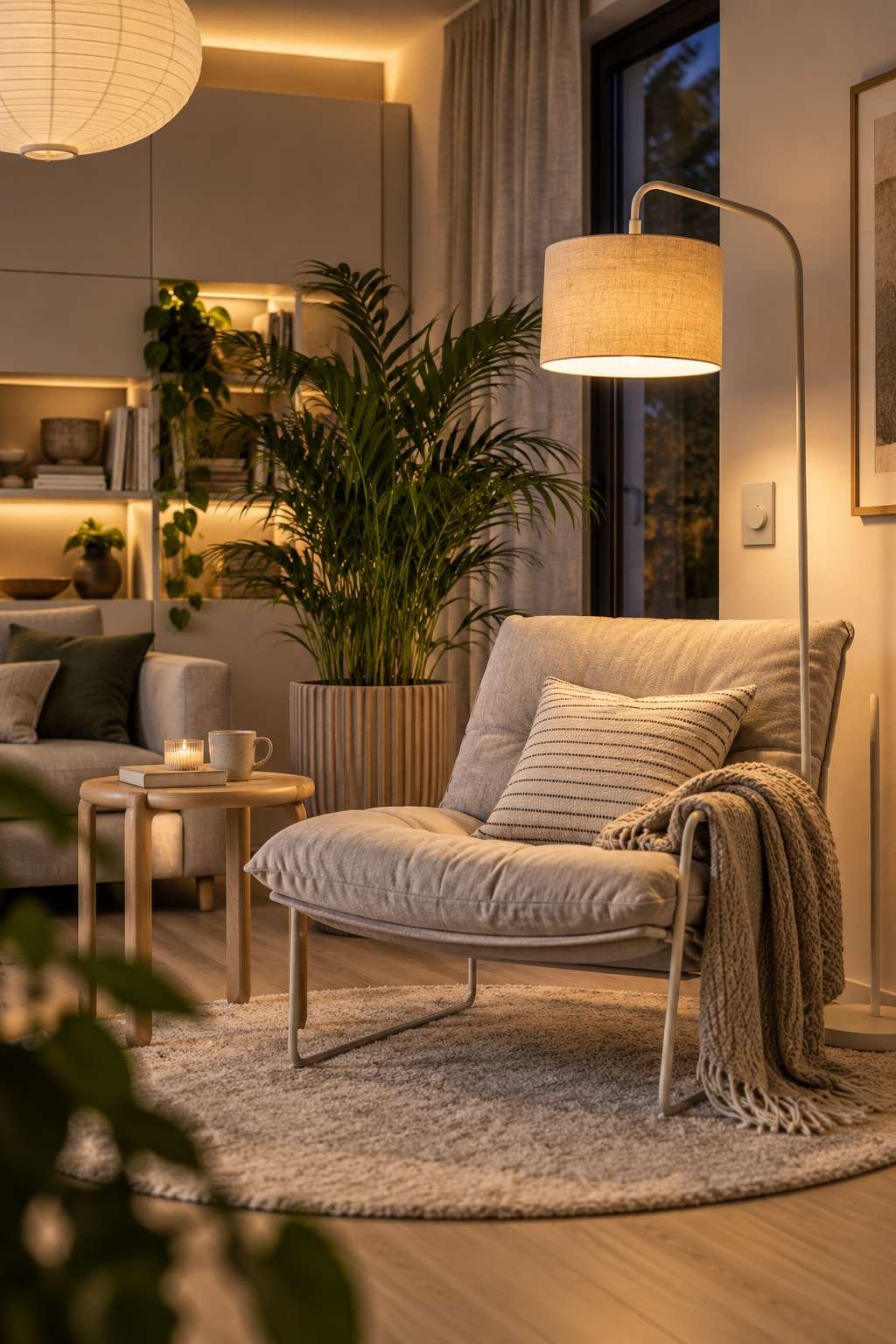
Dimmer switches let one lighting plan serve both movie nights and daytime gatherings. Position lamps so their light pools where people actually sit, not just where an outlet happens to be.
- Layer ambient, task, and accent lighting sources
- Place a lamp near every reading or work chair
- Add dimmers for flexible lighting throughout the day
- Avoid harsh overhead light as the only source in the room
- Match lamp shade tones to your furniture’s color palette
10. Budgeting and Buying: Quality vs. Cost
Furniture budgets stretch furthest when you invest in the pieces used most, like the sofa, and save on items that change more easily, such as side tables. Prioritize frame construction over surface finish, since a solid frame outlasts several rounds of reupholstering.
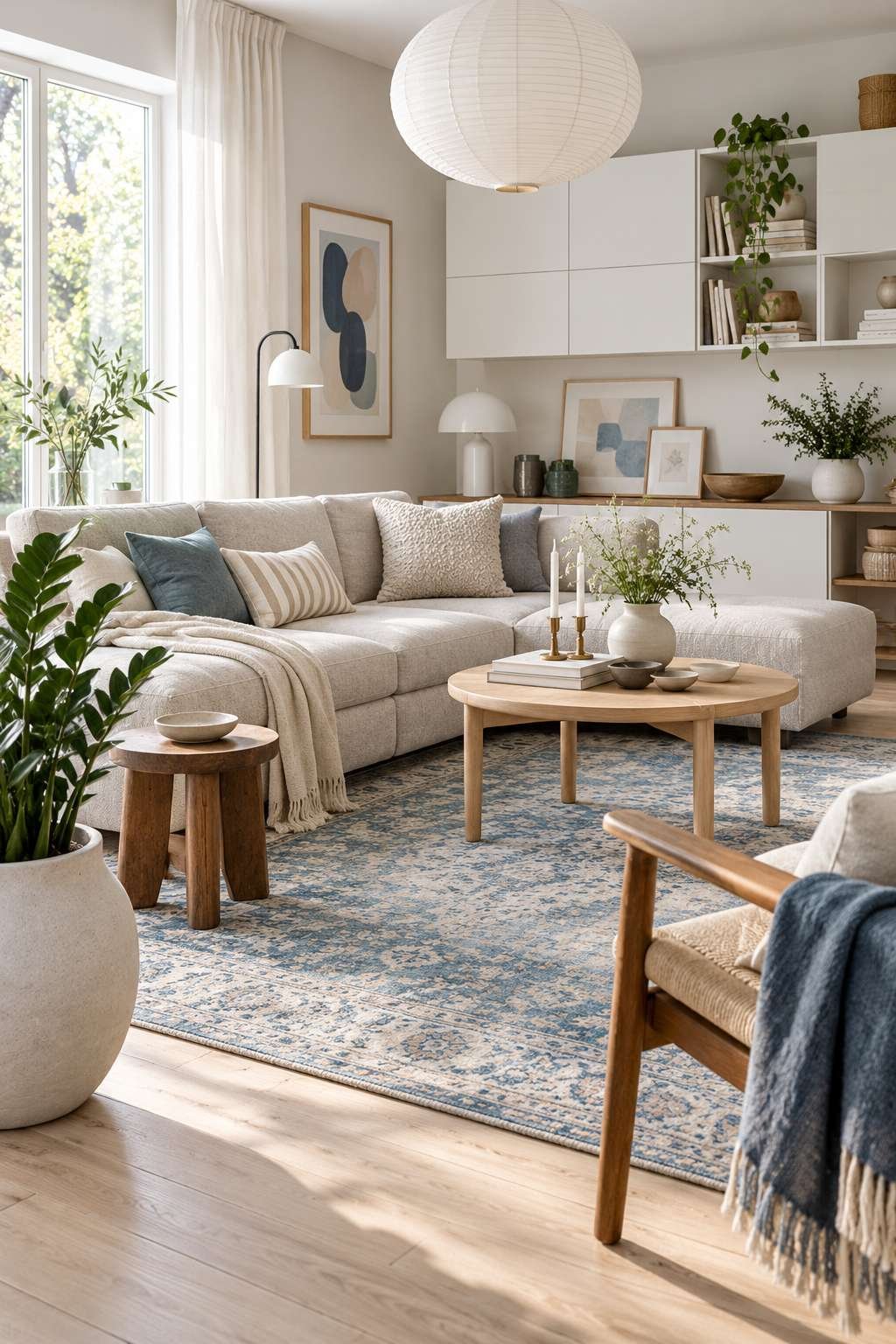
Once your major pieces are chosen, final arrangement makes or breaks the room. Our companion post on how to place furniture in a living room walks through exact spacing and layout formulas to finish the job you’ve started here.
- Spend the largest share of your budget on the sofa
- Buy accent pieces secondhand to save for investment items
- Check warranty length as a signal of build quality
- Compare frame materials before comparing fabric or finish
- Wait for seasonal sales on large furniture purchases
Choosing furniture for a living room comes down to a few repeatable habits: measure before you shop, commit to one cohesive style, and prioritize the pieces you’ll use every day. Layout and scale decisions made early save you from costly returns later. With a clear plan for seating, storage, textiles, and lighting, your living room becomes a space that supports how you actually live. Take it one section at a time, and let each choice build on the last.

