


Choosing the right curtains can completely transform how a living room feels. If you’ve ever wondered how to choose curtains living room spaces will actually love, the answer lies in balancing fabric, color, length, and function together. Curtains aren’t just window coverings — they’re one of the biggest style statements in any room.
A thoughtfully dressed window can make a small living room feel larger, soften harsh light, and tie together furniture, walls, and flooring into one cohesive design. On the other hand, the wrong panels can make an otherwise beautiful space feel unfinished or mismatched. This guide walks through every decision point, from measuring to material, so you can shop with confidence.

1. Understand Your Room’s Style and Purpose
Before you look at a single fabric swatch, think about how your living room is actually used. A formal sitting room calls for different curtains than a casual family space where kids and pets spend most of their time.
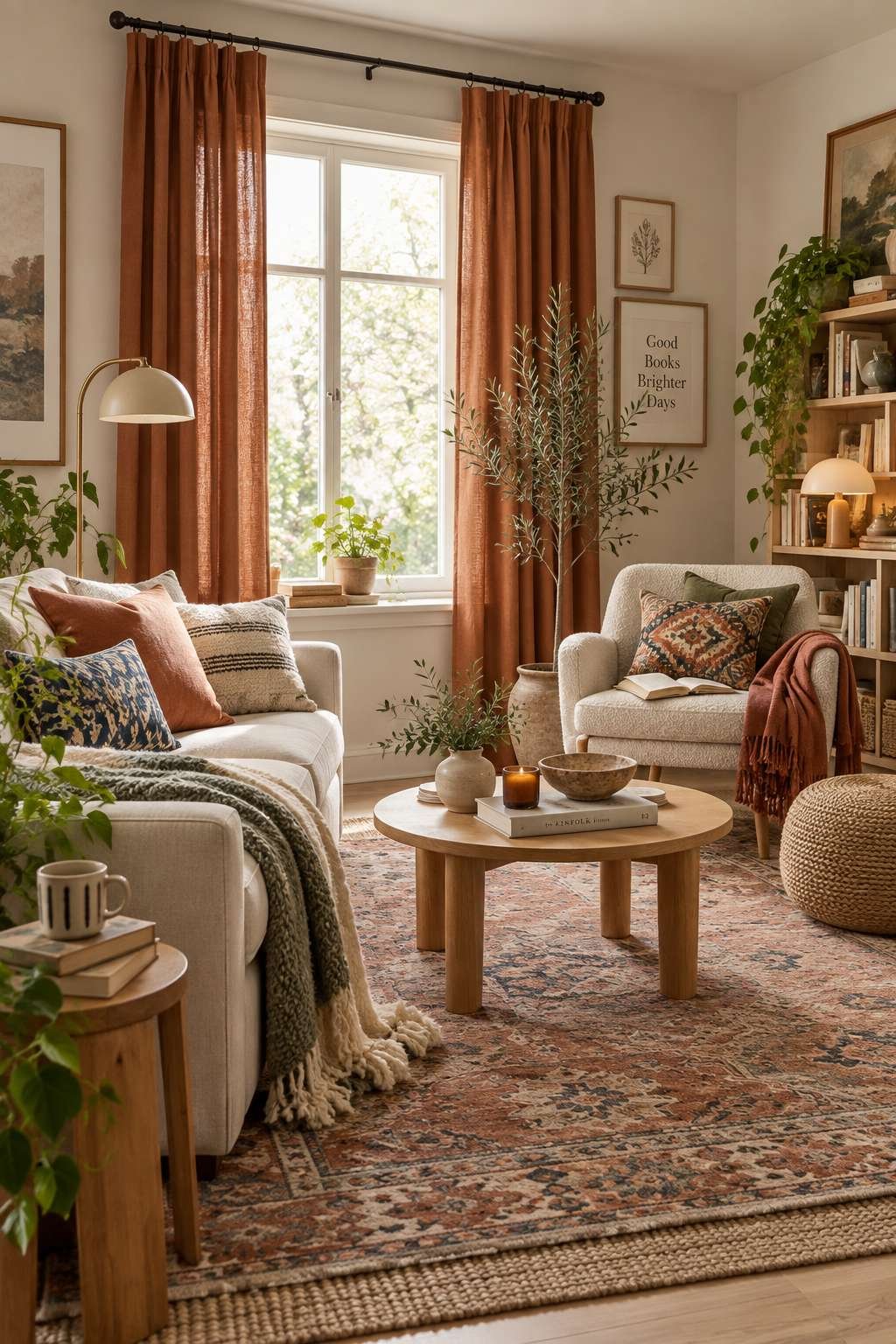
Consider the existing design language of the room — is it modern, traditional, coastal, or eclectic? Curtains should feel like a natural extension of that style, not an afterthought layered on top. Think about natural light patterns too, since a west-facing room with intense afternoon sun has different needs than a shaded north-facing space.
- Identify your room’s primary style (modern, traditional, farmhouse, etc.)
- Note how many hours of direct sunlight the room receives
- Consider foot traffic and whether pets or kids will interact with the curtains
- Decide if the curtains need to be a focal point or blend into the background
- List your must-haves: privacy, light control, insulation, or pure decoration
2. Measure Your Windows Correctly
Accurate measurements are the foundation of a polished look, and this step is where how to choose curtains for living room windows often goes wrong. Measure the width of the window frame and add extra inches on each side so the curtain rod extends beyond the glass, letting in more light when open.
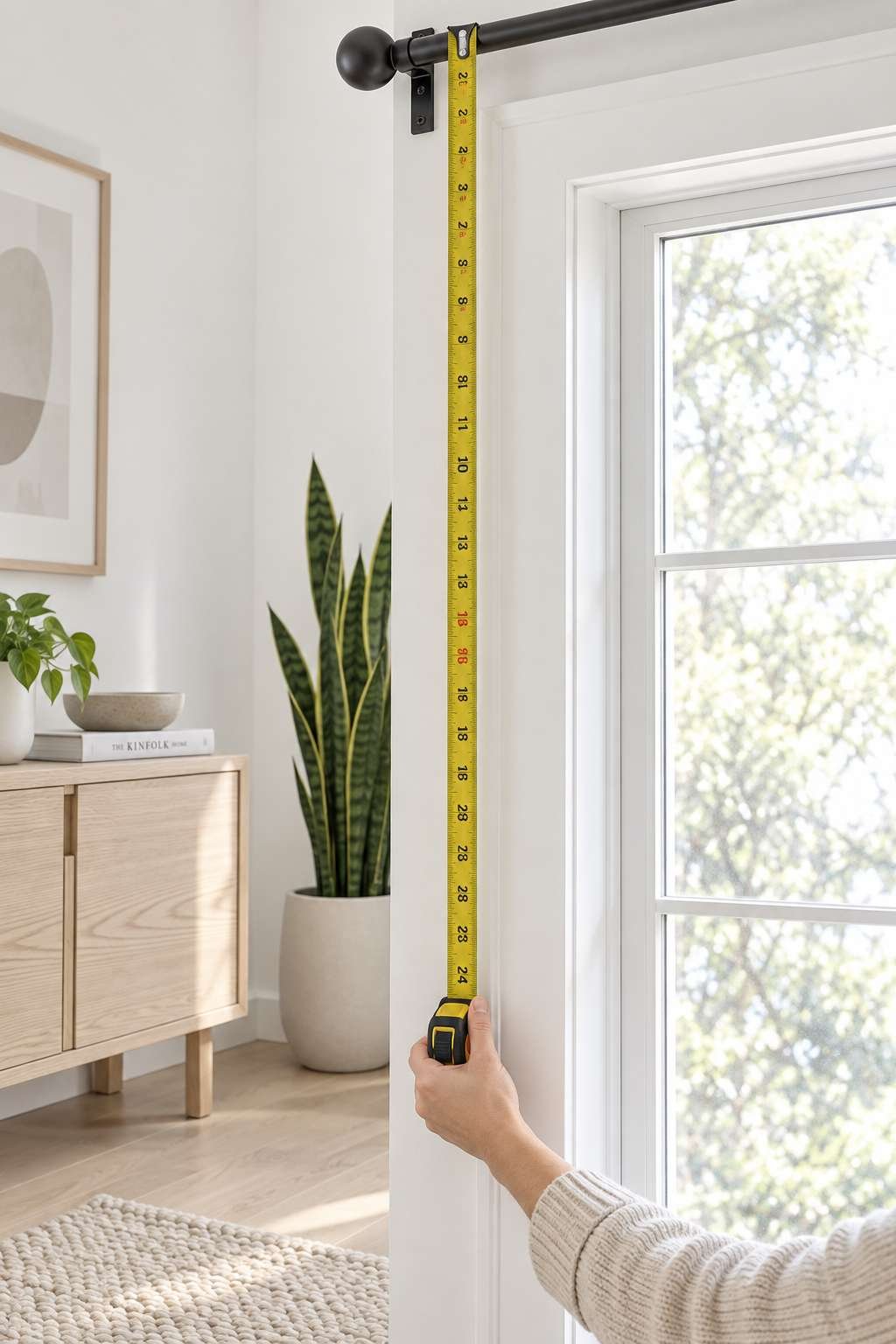
For height, measure from where you plan to mount the rod down to the floor, or slightly below it for a puddled effect. Standard curtain lengths run 63, 84, 95, 108, and 120 inches, so knowing your exact drop prevents an awkward, too-short fit.
- Measure window width and add 8–12 inches on each side for the rod
- Measure from rod height to your desired hem point
- Round up to the nearest standard length rather than down
- Account for baseboards or radiators that might interfere
- Re-measure twice before ordering custom panels
3. Choose the Right Fabric Weight
Fabric weight determines both how curtains look and how they function. Lightweight cotton or linen drapes softly and lets in filtered light, making it ideal for casual, airy living rooms.
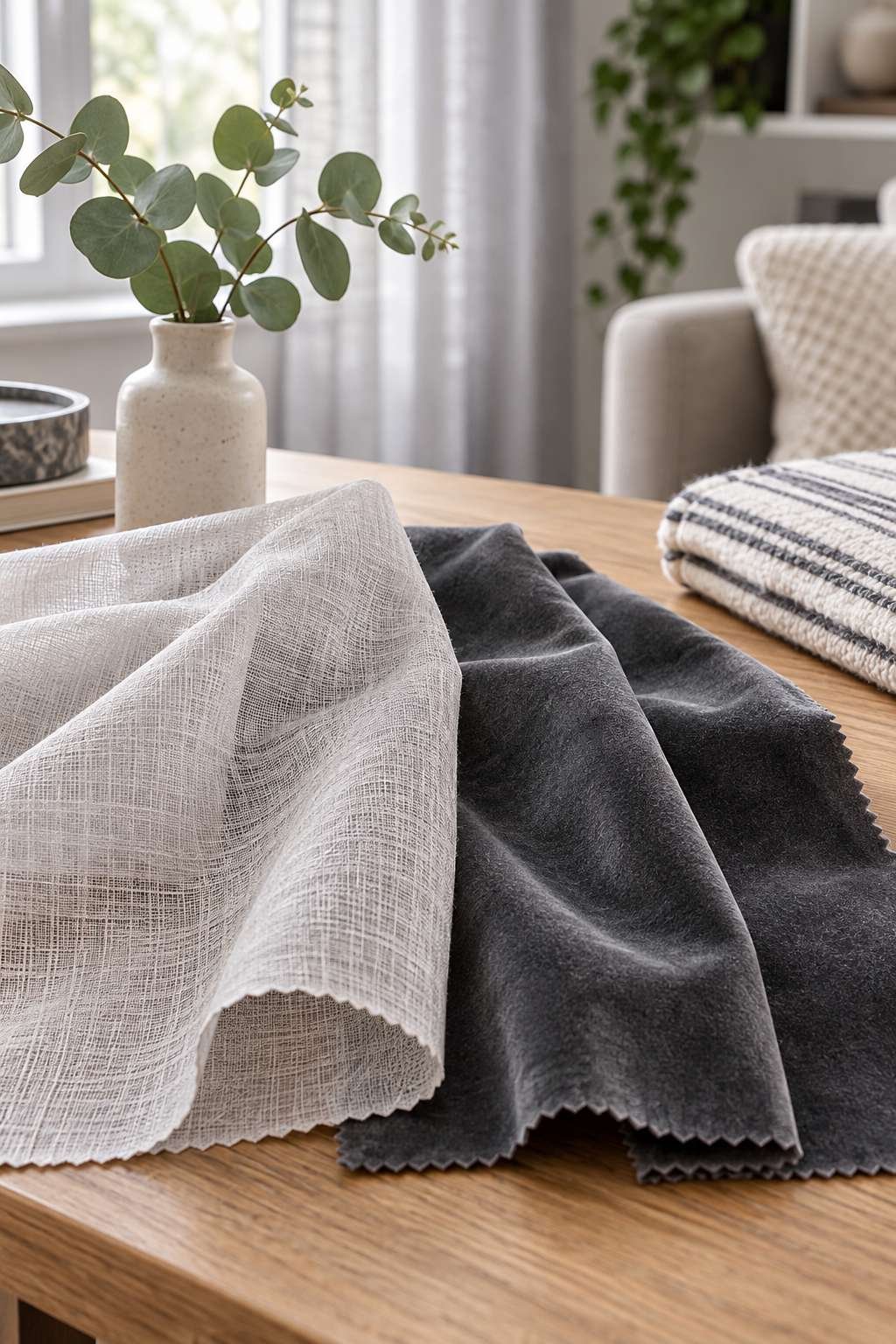
Heavier fabrics like velvet or suede-look polyester add drama and help with insulation and sound dampening. If you’re debating between styles, our guide on How to Pick Curtains for Living Room dives deeper into fabric comparisons and seasonal swaps for every budget.
- Choose linen or cotton for a relaxed, breathable look
- Pick velvet for warmth, texture, and noise reduction
- Consider polyester blends for durability and easy care
- Test fabric samples in your actual lighting before buying
- Match weight to your climate — heavier fabric suits colder regions
4. Pick a Color Palette That Complements Your Space
Color is where curtains either blend seamlessly or clash loudly. A safe approach is matching curtains to your wall color within a shade or two, creating a calm, cohesive backdrop for furniture and art.
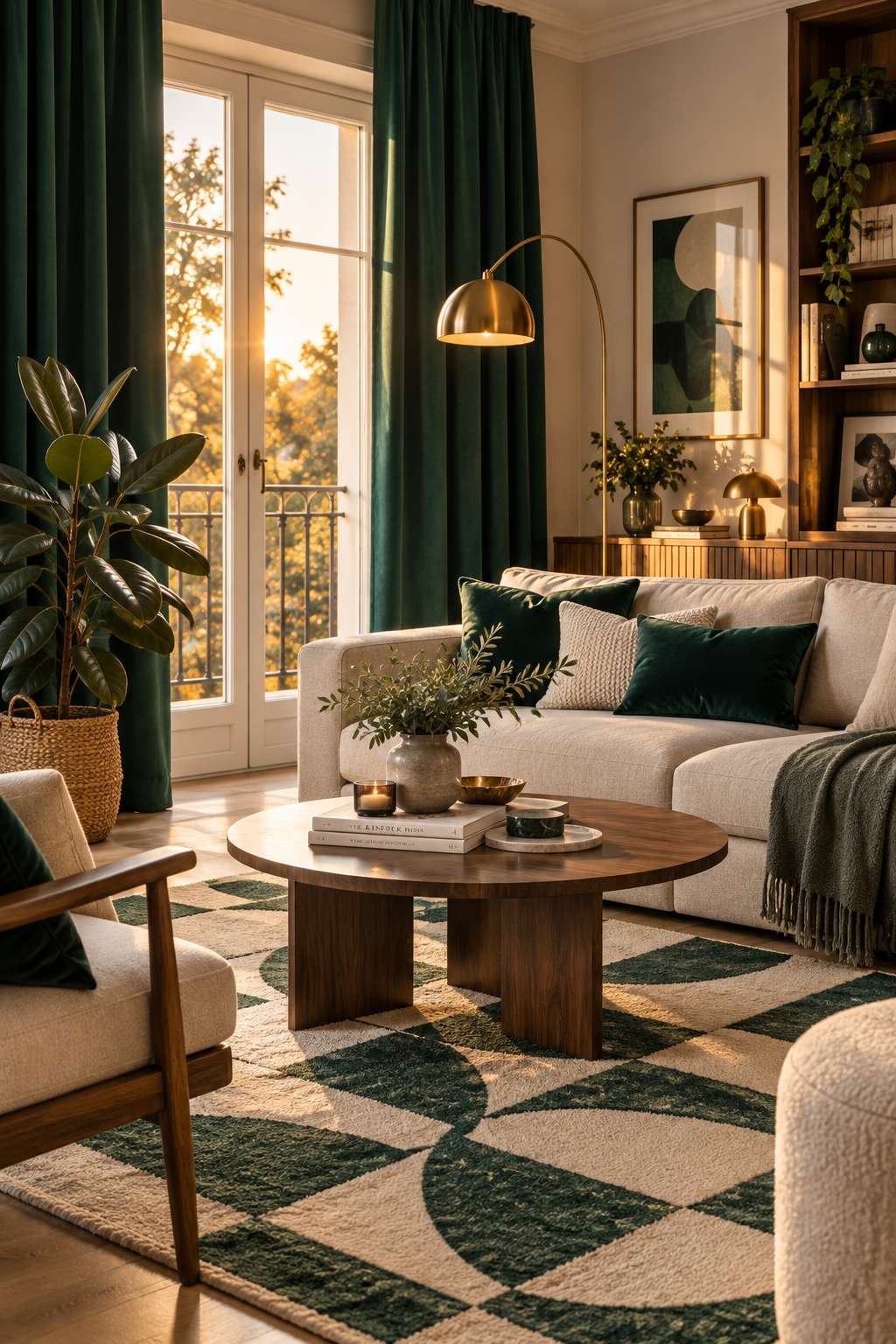
Alternatively, bold color choices can act as an accent, especially in neutral rooms craving personality. Patterns work well too, but should echo a color already present in rugs, pillows, or artwork so the whole room feels intentional rather than busy.
- Match curtain shade closely to wall color for a seamless look
- Use a bold accent color to energize a neutral room
- Pull pattern colors from existing textiles like rugs or pillows
- Avoid combining more than two patterns in one space
- Test fabric swatches against your wall at different times of day
5. Decide Between Sheer, Blackout, or Lined Curtains
This decision shapes daily comfort more than almost any other. Sheer curtains let in soft, diffused light while offering minimal privacy, perfect for rooms that already get plenty of natural light and don’t face the street.
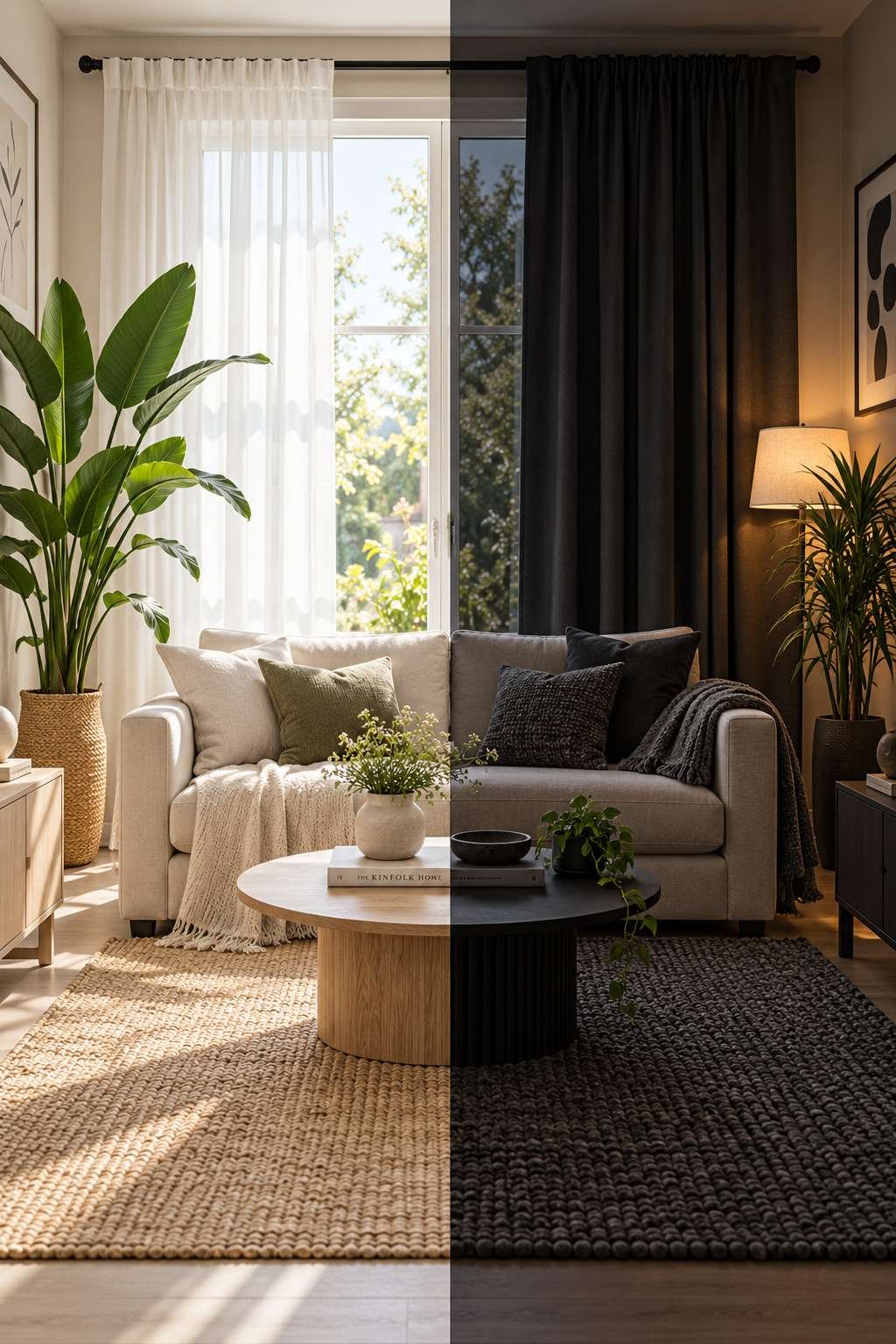
Blackout curtains block nearly all outside light and are excellent for rooms doubling as media spaces or home theaters. Lined curtains strike a middle ground, adding body and some insulation without fully darkening the room.
- Choose sheers for filtered light and a breezy feel
- Pick blackout panels for media rooms or bright afternoon sun
- Use lined curtains for extra insulation without total darkness
- Layer sheers under heavier drapes for flexible light control
- Consider thermal linings in colder climates to cut energy costs
6. Select the Right Curtain Length
Length dramatically affects the perceived height and formality of a room. Curtains that just skim the floor or hover an inch above create a clean, tailored look suited to modern and minimalist spaces.
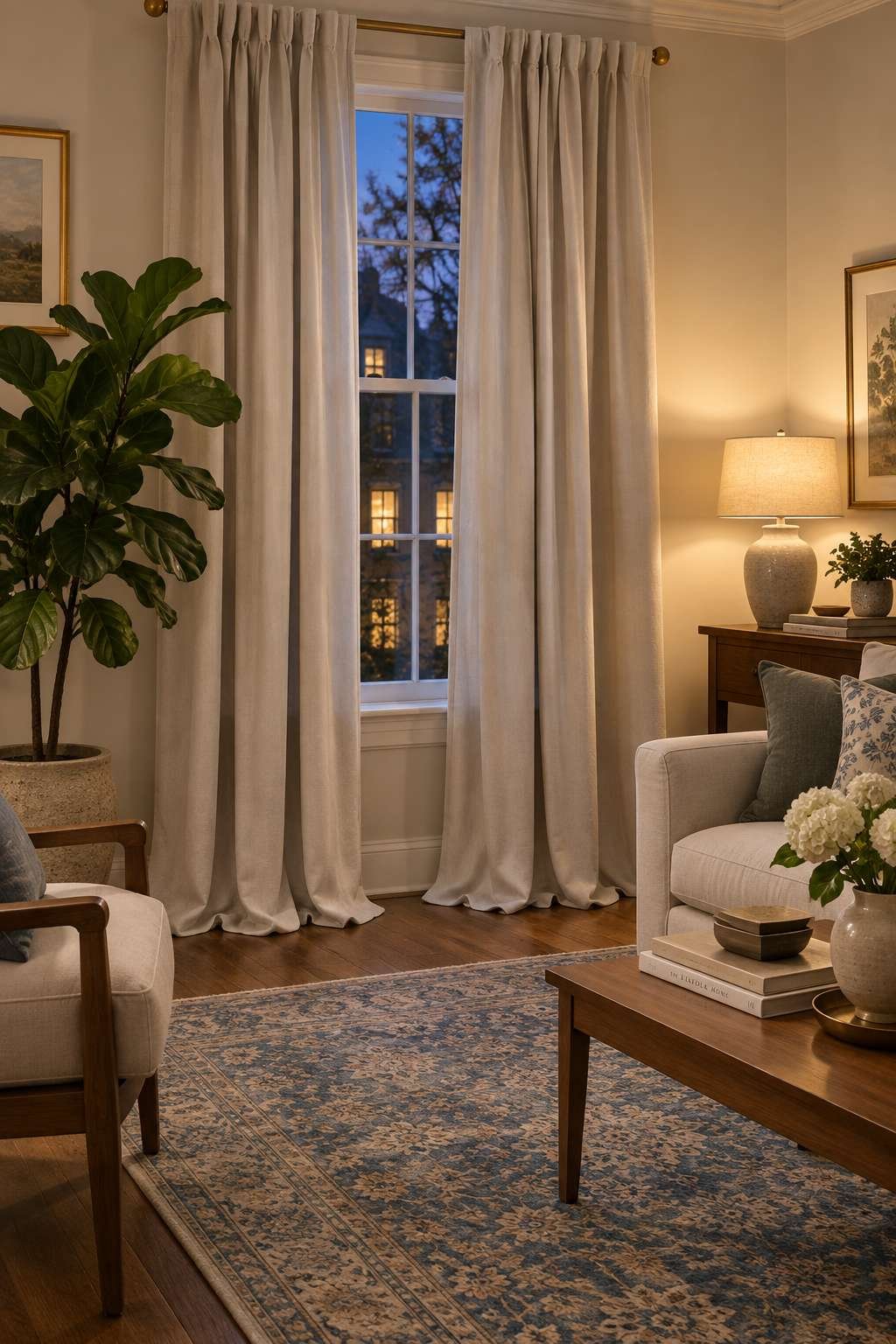
A slight puddle effect, where fabric pools softly on the floor, feels more traditional and luxurious. Whatever length you choose, consistency across all window treatments in the room keeps the design feeling deliberate rather than mismatched.
- Aim for curtains that just touch or hover above the floor for a modern look
- Choose a slight puddle for a formal, traditional aesthetic
- Avoid lengths that stop short, floating above the floor awkwardly
- Keep length consistent across multiple windows in the same room
- Mount rods higher than the window frame to visually raise ceilings
7. Choose a Header Style That Fits Your Look
The header — how the curtain attaches to the rod — shapes the fabric’s movement and overall formality. Grommet headers create clean, structured folds well-suited to contemporary interiors.
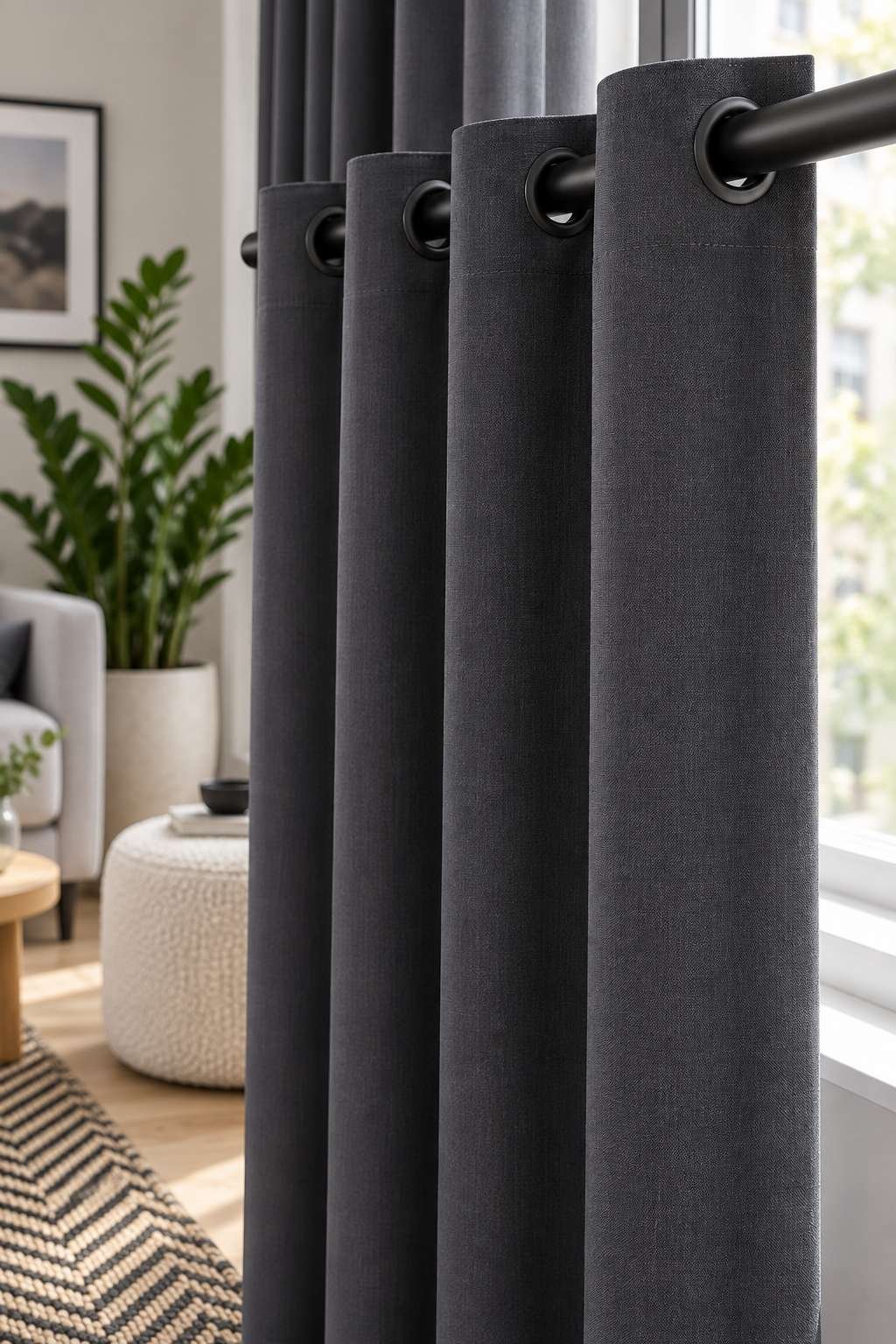
Rod-pocket headers gather more loosely for a casual, cottage-style feel, while pleated headers (like pinch or goblet pleats) bring a tailored, elegant structure often seen in more traditional living rooms.
- Pick grommets for a modern, structured drape
- Choose rod-pocket styles for a relaxed, casual gather
- Use pinch or goblet pleats for formal, tailored elegance
- Consider tab-top curtains for a laid-back, rustic look
- Match header style to your existing rod hardware finish
8. Consider Light Control and Privacy Needs
Beyond aesthetics, curtains serve a practical role in managing light and privacy throughout the day. Ground-floor living rooms facing the street often need heavier coverage, while upper-floor or set-back windows can get away with lighter fabrics.
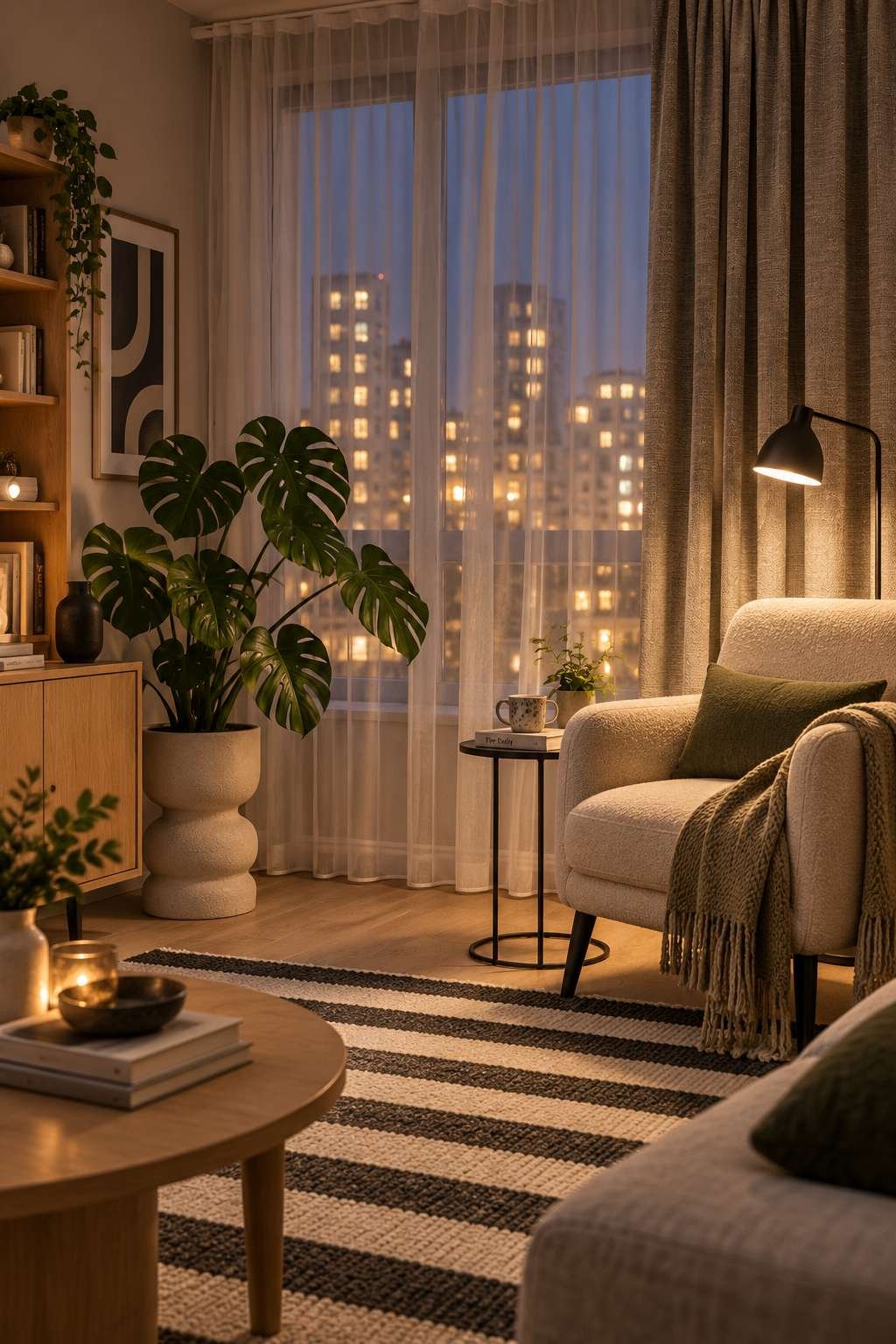
Think about how the room is used at different times — evening TV watching versus daytime reading both benefit from adjustable layers, such as pairing sheers with a heavier drape you can pull as needed.
- Layer sheers with blackout or lined panels for flexible control
- Prioritize privacy fabric for street-facing, ground-floor windows
- Use light, airy fabrics for upper-floor or private-facing rooms
- Add a valance or cornice for extra light-blocking at the top
- Test privacy levels at night with interior lights on
9. Match Curtains to Your Furniture and Decor
Curtains should feel connected to the rest of your living room, not chosen in isolation. Consider the wood tones of your furniture, the finish on your curtain rod, and any metallic accents in lighting or hardware.
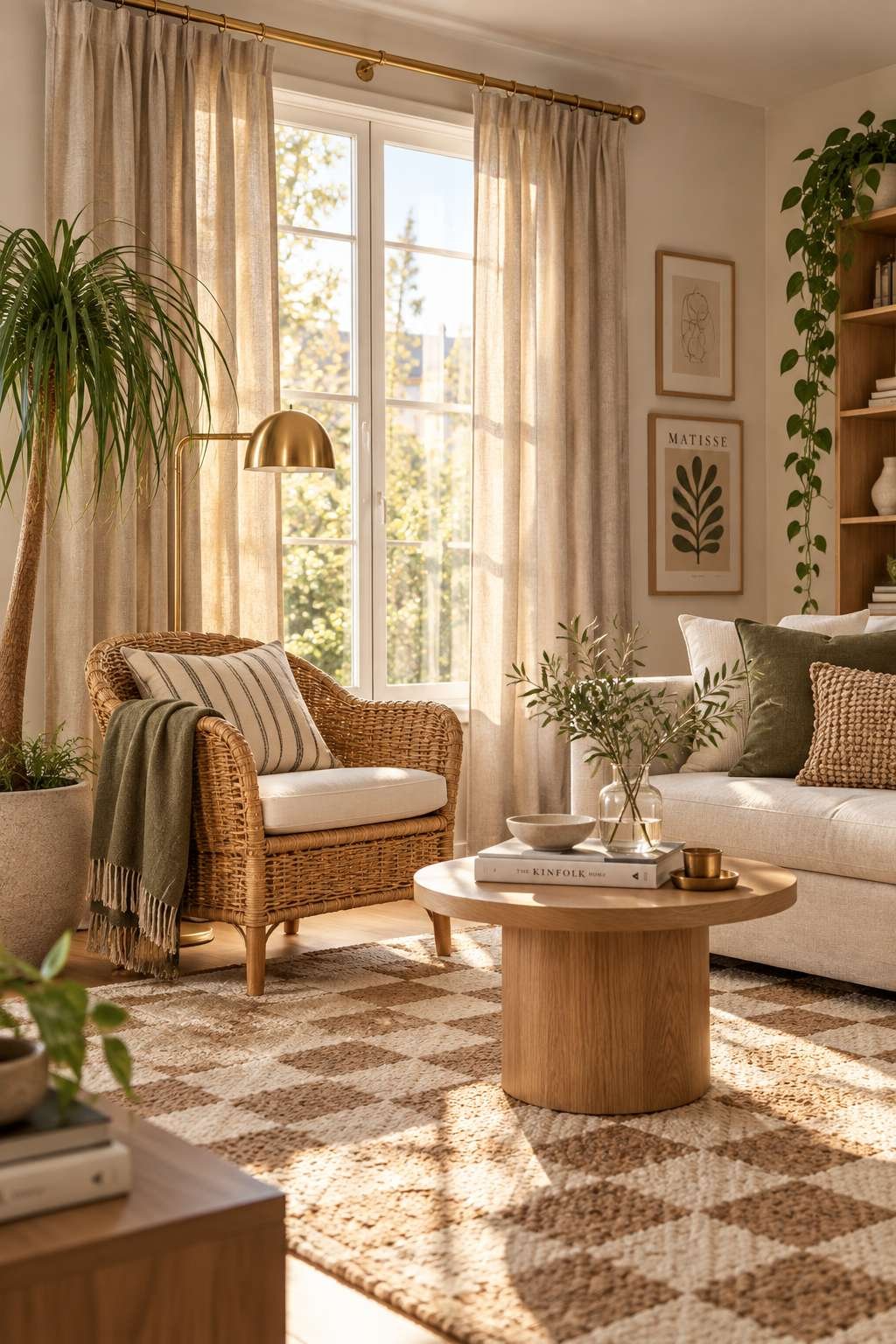
Texture matters as much as color — a room full of smooth leather and glass may benefit from the softness of linen curtains, while a room with heavy, textured upholstery might pair better with sleeker fabrics for contrast.
- Coordinate curtain rod finish with other metal hardware in the room
- Balance smooth furniture with textured fabric, or vice versa
- Repeat a small design element, like piping or trim, from your sofa
- Keep curtain formality aligned with your furniture’s overall style
- Bring a fabric swatch home to compare against furniture in person
10. Budget-Friendly Tips and Where to Shop
Great curtains don’t require a designer budget. Many home retailers offer quality ready-made panels in standard sizes that only need minor length adjustments, saving significantly compared to custom orders.
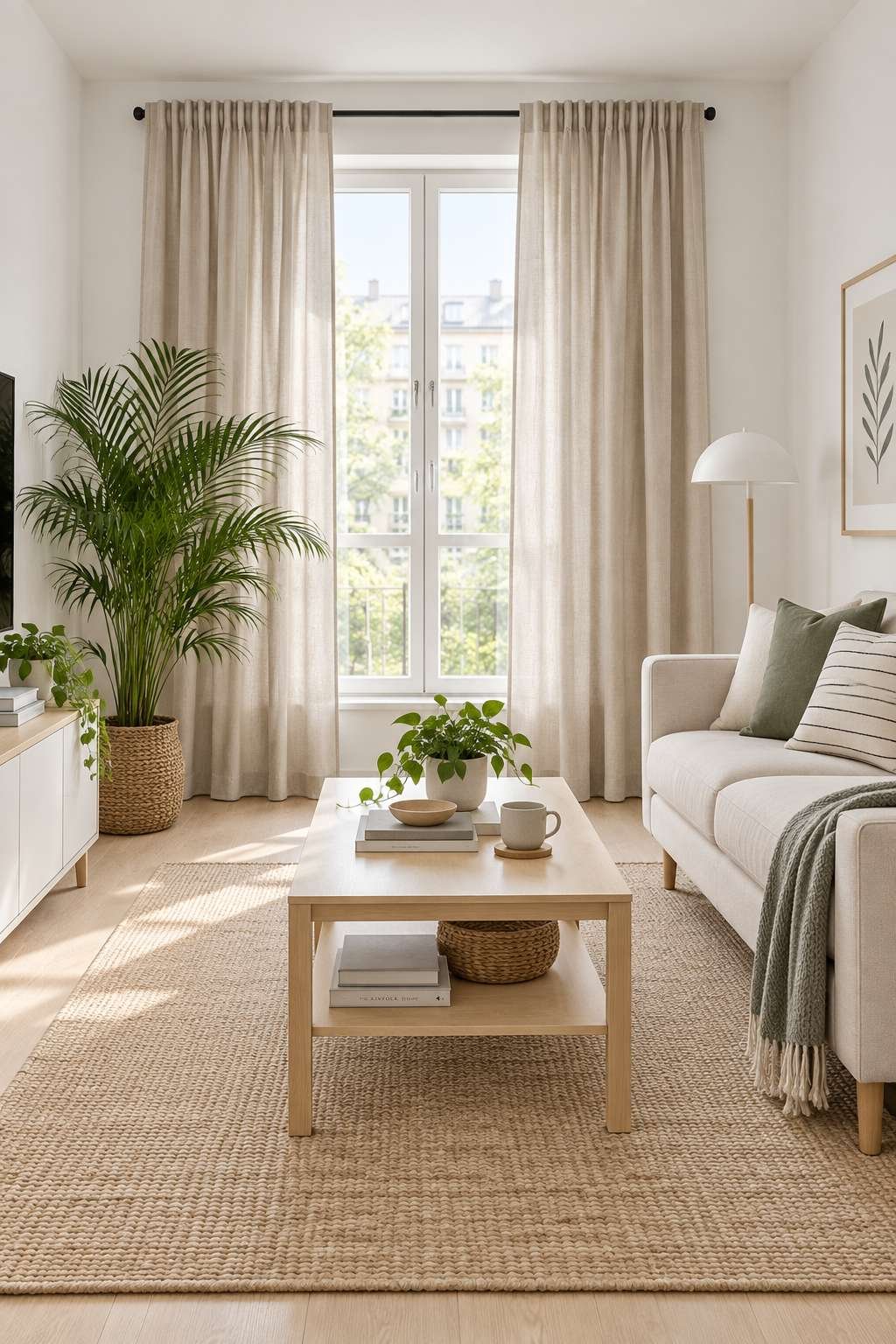
Watch for seasonal sales, and don’t overlook home goods outlets or online marketplaces for well-made basics. Investing a bit more in a versatile neutral fabric often pays off longer than chasing trendy patterns that date quickly.
- Buy ready-made panels and hem them yourself for savings
- Shop end-of-season sales for higher-end fabric at lower prices
- Choose neutral, timeless colors that won’t feel dated in a year
- Compare price per panel, since many curtains sell in pairs
- Invest more in fabric quality if the room gets heavy daily use
Frequently Asked Questions
How do I select curtains for a living room?
Start by identifying your room’s style and lighting needs, then choose a fabric weight and level of light control that fits how the space is used. Measure carefully, pick a color that complements your walls or furniture, and settle on a length and header style that matches your overall design — formal pleats for traditional rooms, simple grommets for modern ones.
Conclusion
Choosing curtains for your living room comes down to a few key decisions: style, fabric, color, length, and function all working together. Take your time testing swatches and measuring twice, and the results will feel intentional rather than rushed.
With the right combination, your living room’s windows can become one of its most inviting features — softening light, adding texture, and pulling every element of the room together beautifully.

