


If you’re wondering how much is a 1 bedroom apartment these days, the honest answer is: it depends heavily on where you’re looking. Rent for the exact same layout can differ by hundreds of dollars between a small town and a major metro area.
This guide breaks down what actually drives one-bedroom pricing, from location and amenities to lease length and seasonal timing. You’ll also see how one-bedroom costs stack up against studios and two-bedroom units, so you can judge whether a listing is a fair deal.

Whether you’re apartment hunting for the first time or just curious about current market rates, understanding how much is a 1 bedroom apartment in your target area helps you budget realistically before you start touring units.
1. What Determines the Cost of a 1 Bedroom Apartment
Rent isn’t set randomly — it reflects local demand, building age, and unit condition all at once. A newly renovated unit in a popular neighborhood will always cost more than a similar-sized apartment in an older, less central building.
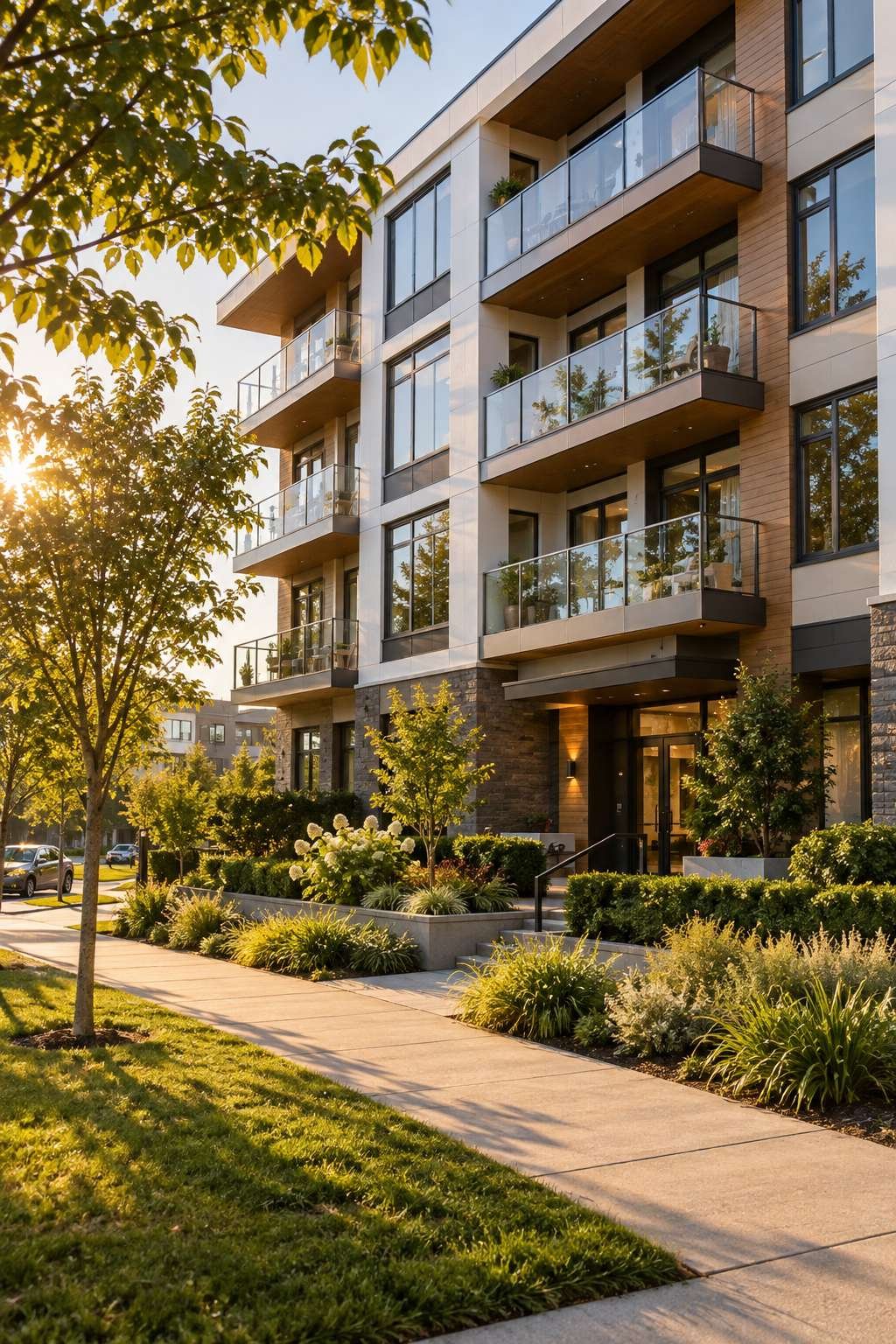
Square footage matters too, but it’s often secondary to location within the same city. For a full breakdown of every factor that goes into a listed price, our guide on how much does a 1 bedroom apartment cost walks through each one individually.
- Location within the city is often the single biggest price factor
- Building age and recent renovations shift pricing noticeably
- Unit condition and included appliances affect the final number
- Local job market and demand drive prices up or down over time
2. Average Rent by Region and City Size
Rent for a one-bedroom apartment varies dramatically by region and city size across the country. Major coastal metros like New York and San Francisco routinely post some of the highest one-bedroom rents nationally.
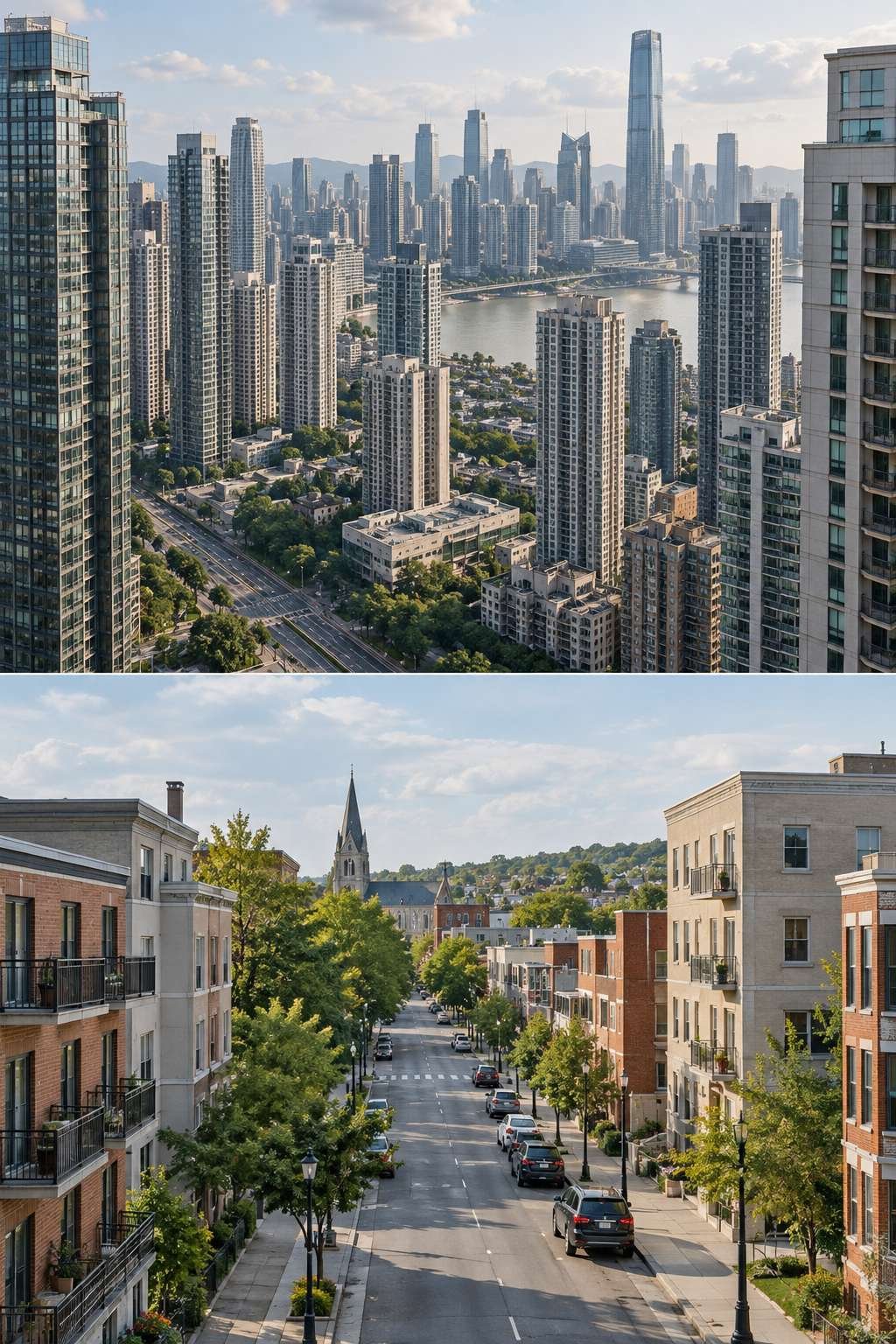
Meanwhile, mid-sized cities in the Midwest and South often offer significantly lower rent for a comparable unit. Smaller towns and rural areas typically sit at the lowest end of the national range, sometimes by a wide margin.
- Major coastal metros: consistently the highest rent nationally
- Mid-sized cities: moderate rent, often more affordable per square foot
- Smaller towns and rural areas: generally the lowest rent range
- Regional cost of living correlates closely with apartment pricing
3. Rent Cost by Amenities and Building Type
Buildings with added amenities — a gym, pool, in-unit laundry, or a doorman — almost always charge higher rent than a comparable no-frills building nearby. Each added feature typically adds incrementally to the monthly price.

For a closer look at rent specifically, separate from the extra costs bundled into “total cost of living” figures, our guide on how much is rent for a 1 bedroom apartment focuses purely on base rent trends across building types.
- In-unit laundry: a common and popular rent-boosting amenity
- Gym and pool access: adds noticeably to monthly cost
- Doorman or concierge service: typically the priciest amenity tier
- Parking, especially in dense cities, often costs extra separately
4. Understanding Costs Beyond Rent
Base rent is only part of the real monthly cost of living in a one-bedroom apartment. Utilities, renter’s insurance, and a security deposit all add to the upfront and ongoing expense.
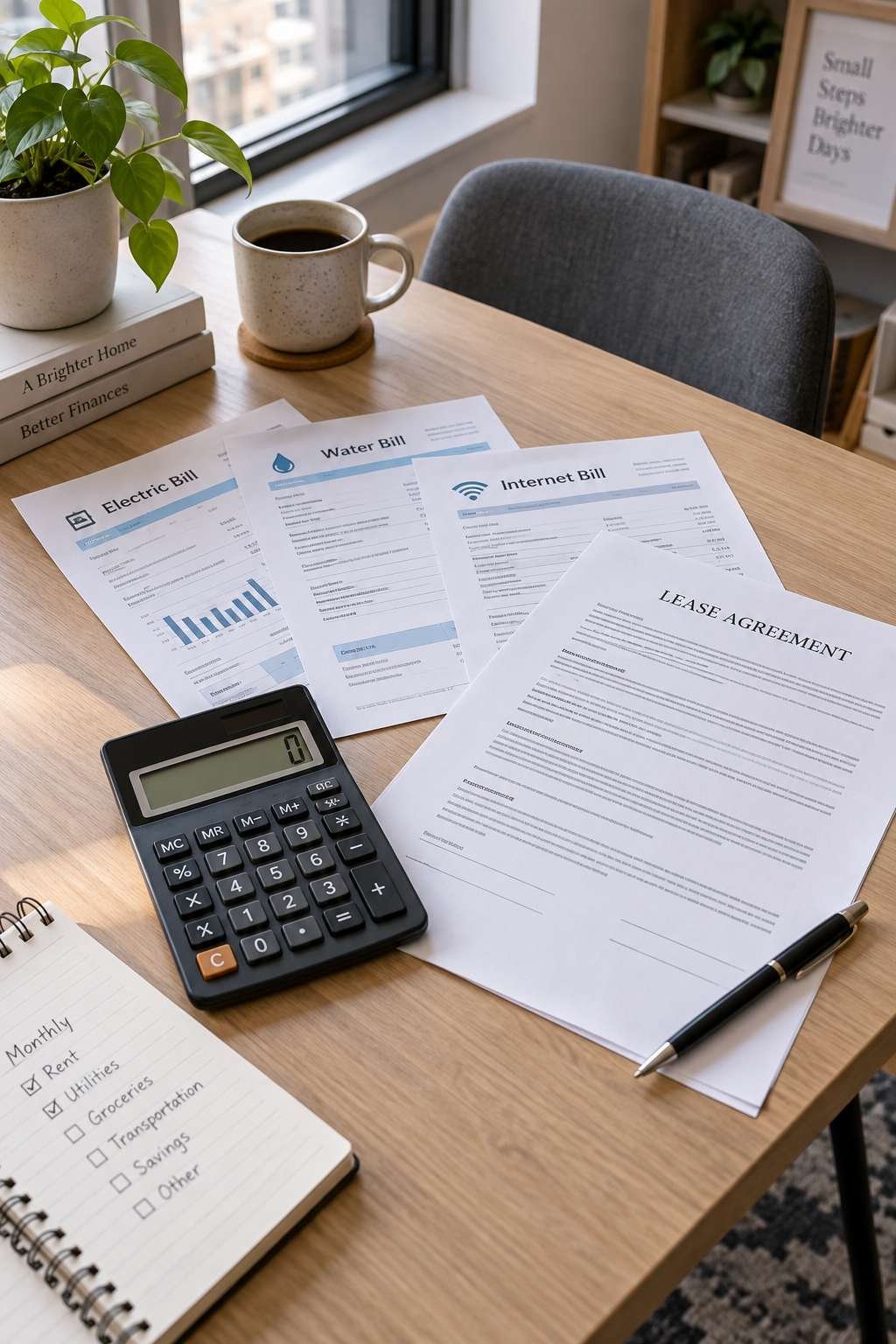
Application fees and pet deposits, if applicable, can also add a few hundred dollars before you even move in. Always ask for a full breakdown of fees before signing, since some buildings bundle costs differently than others.
- Utilities: electricity, water, gas, and internet add up monthly
- Renter’s insurance: typically a modest but recurring monthly cost
- Security deposit: often equal to one month’s rent upfront
- Application and admin fees: ask about these before signing anything
5. City vs Suburban Pricing Differences
Within the same metro area, city-center apartments almost always cost more than suburban units just a short drive away. Proximity to downtown, transit access, and walkability all push prices upward.
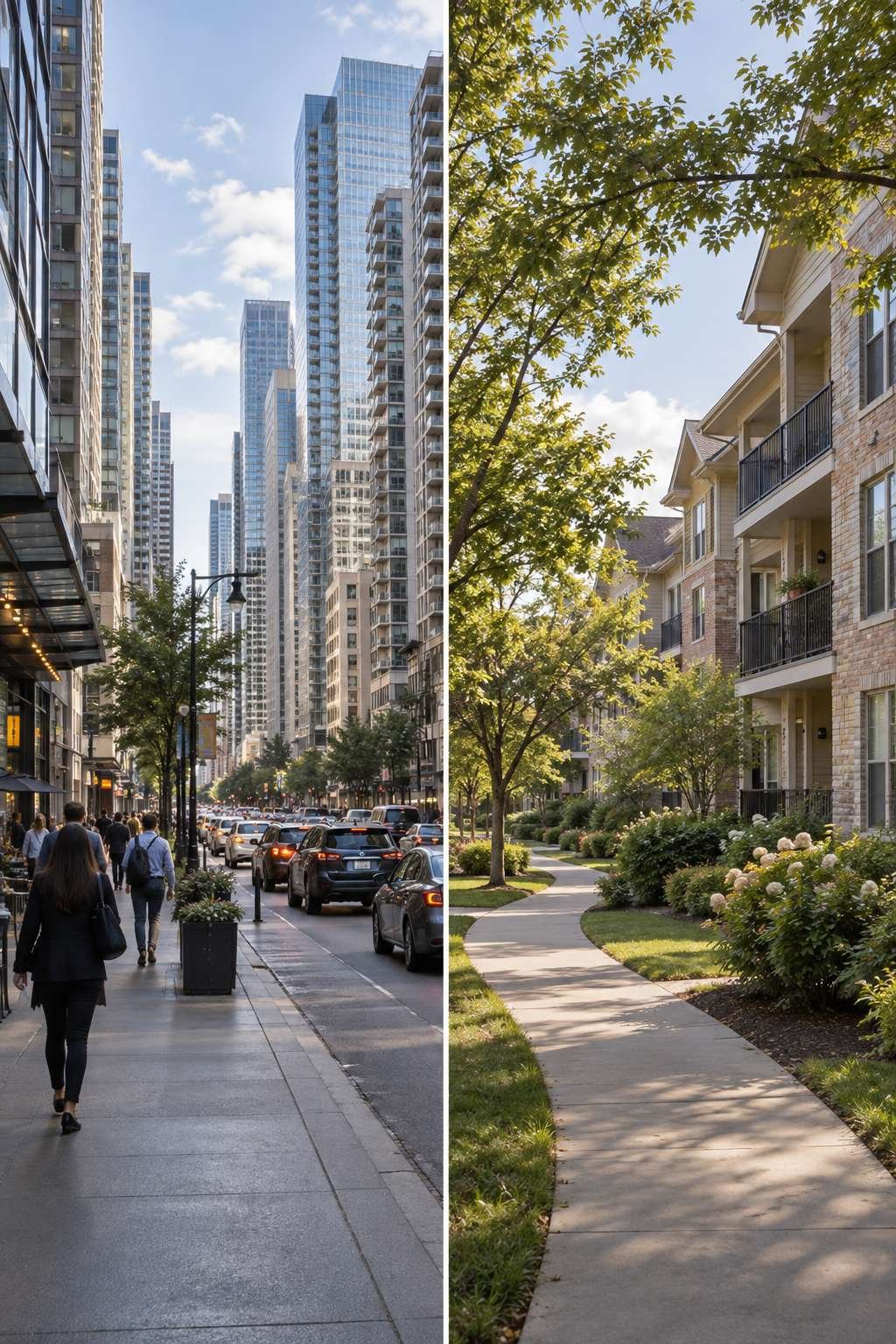
Suburban one-bedrooms often trade a shorter commute for significantly lower monthly rent, plus features like more parking or outdoor space. The right choice depends on how much you value commute time versus monthly savings.
- City-center units: highest rent, best transit and walkability
- Inner suburbs: moderate savings, still reasonable commute times
- Outer suburbs: biggest savings, longer commute in most cases
- Weigh commute cost and time against the rent difference
6. Studio vs 1 Bedroom vs 2 Bedroom Cost Comparison
A studio apartment typically costs less than a one-bedroom in the same building, since it offers less separated living space. Moving up to a two-bedroom, by contrast, usually increases rent substantially.
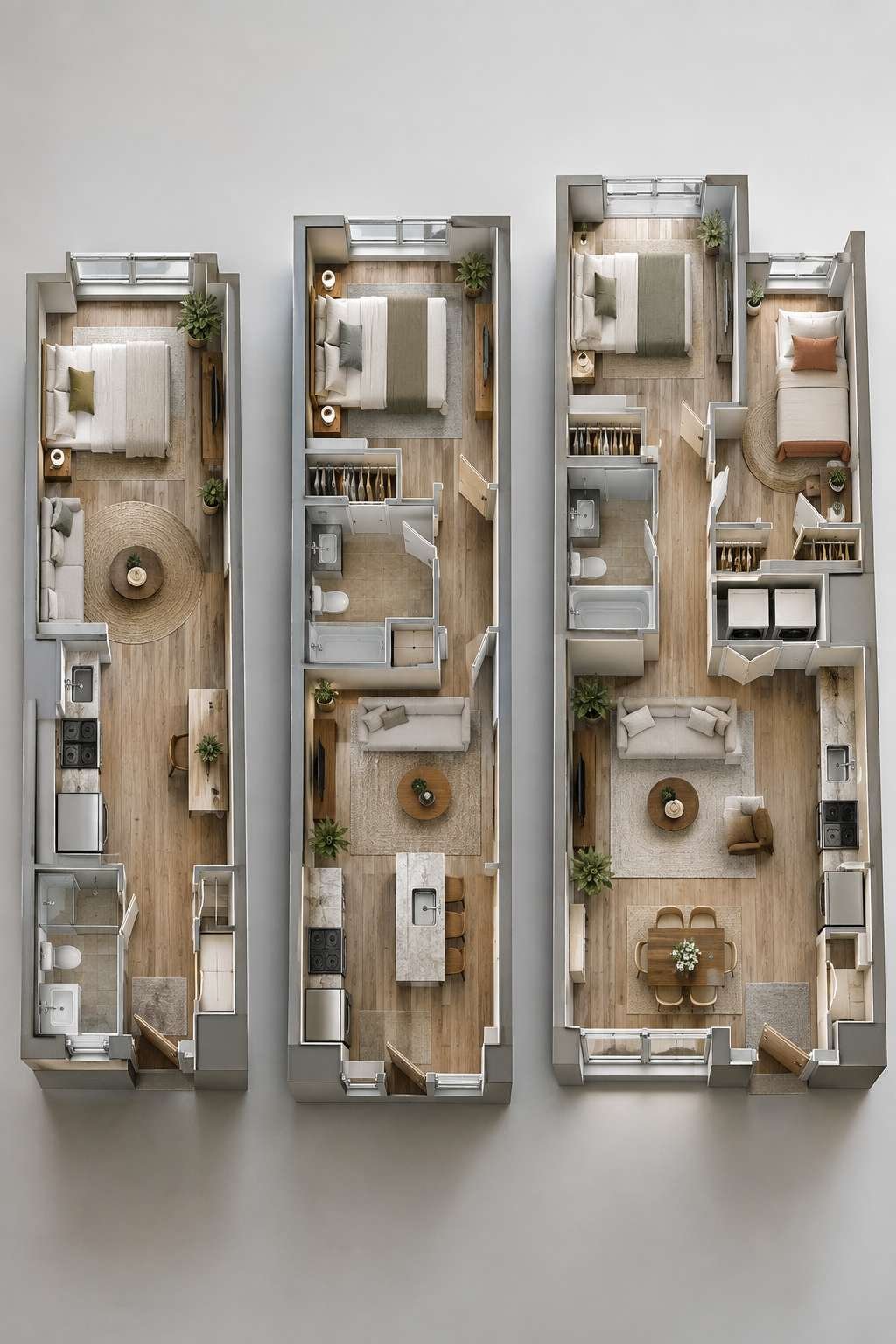
Our guide on how much is a 2 bedroom apartment breaks down that jump in more detail, which matters if you’re weighing whether splitting rent with a roommate makes financial sense. If you’re specifically considering a shared setup, how many people can live in two bedroom apartment units covers typical occupancy limits and lease considerations too.
- Studios: generally the most affordable option in a building
- One-bedrooms: a noticeable step up from studio pricing
- Two-bedrooms: often 20-40% more than a comparable one-bedroom
- Splitting a two-bedroom with a roommate can lower per-person cost
7. How Lease Length Affects Monthly Cost
Standard 12-month leases typically offer the best monthly rate, since landlords prefer the stability of a full year commitment. Shorter leases, especially month-to-month arrangements, almost always carry a premium.
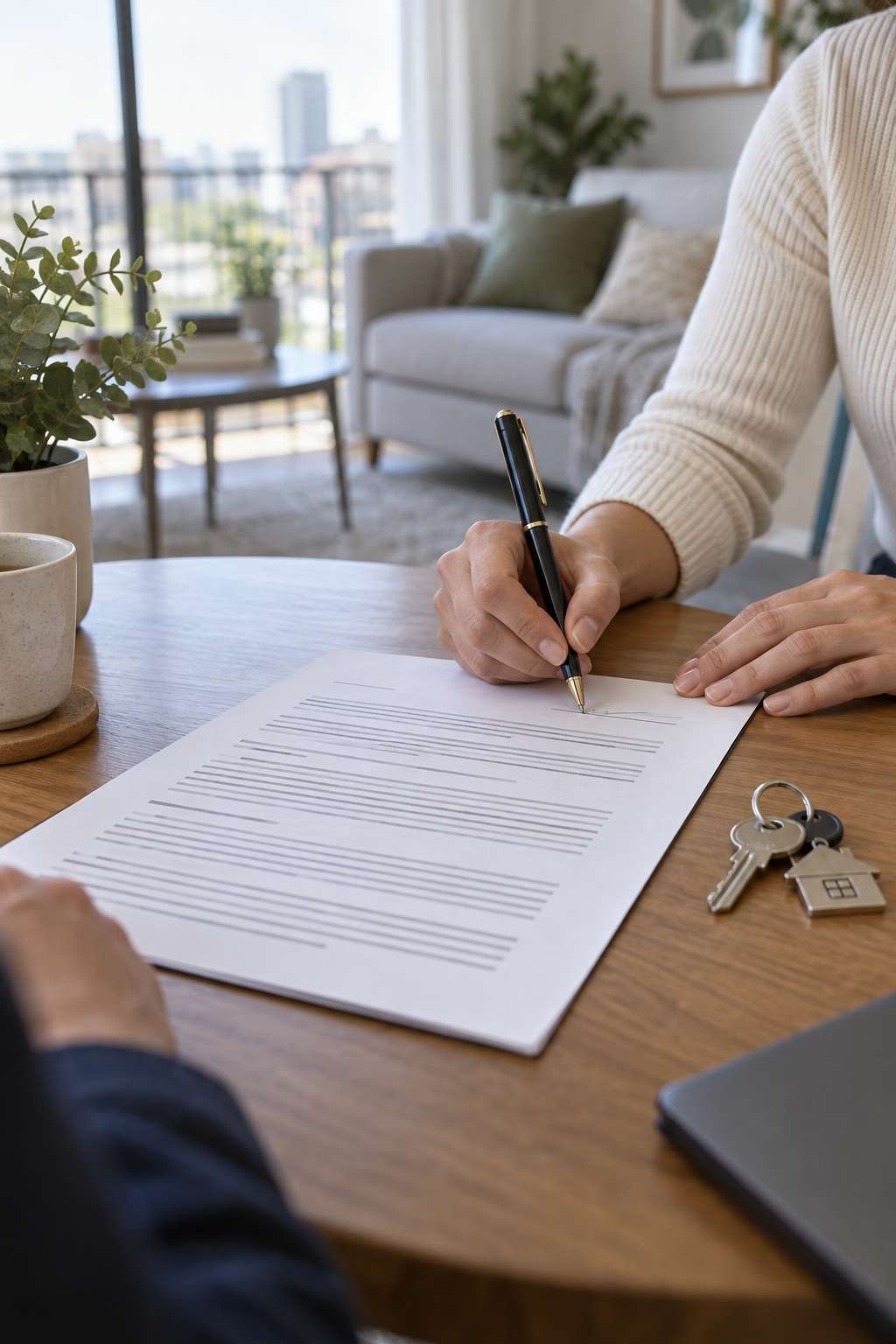
If you need flexibility, expect to pay noticeably more per month for that convenience. Longer leases, sometimes 18 or 24 months, occasionally come with a small discount incentive from landlords eager to lock in a longer-term tenant.
- 12-month leases: the standard, typically best-priced option
- Month-to-month: highest premium, most flexibility
- Longer leases (18-24 months): sometimes discounted slightly
- Always confirm renewal terms and rent increase caps in writing
8. Seasonal Rent Fluctuations
Rental prices shift with the calendar year, often peaking during summer months when moving demand is highest. Families relocating around the school year and students starting new leases both drive summer competition upward.
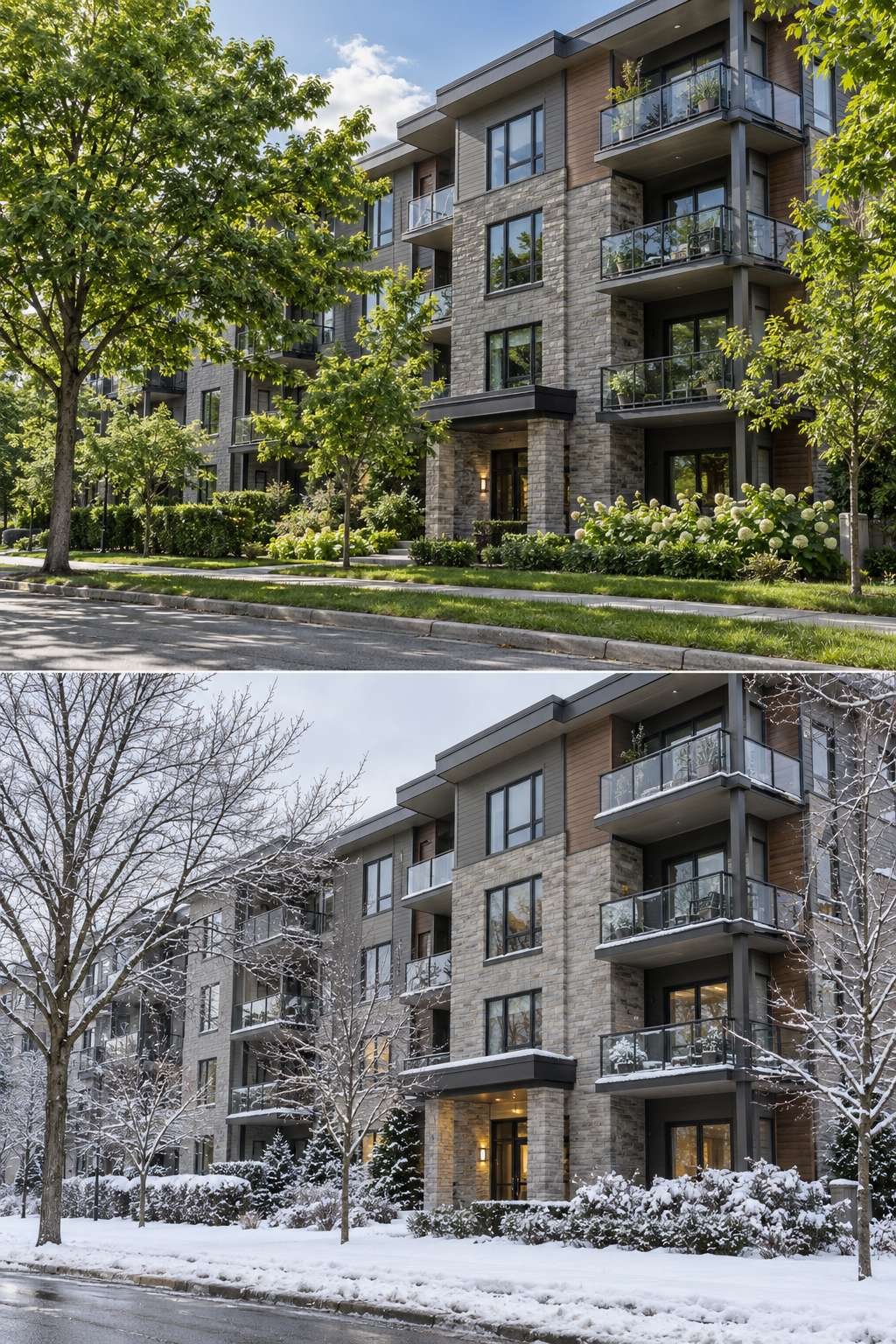
Searching during winter months, particularly around the holidays, often turns up better deals as demand cools significantly. Landlords with vacant units in slower months are frequently more open to negotiating.
- Summer (May-August): highest demand and typically highest prices
- Fall: demand begins cooling as school-year moves finish
- Winter: often the best window for negotiating lower rent
- Spring: demand starts climbing again ahead of summer
9. Tips for Finding an Affordable 1 Bedroom Apartment
Casting a wider search radius often uncovers comparable units at a noticeably lower price just a few blocks or a short transit ride away. Small location shifts can mean real monthly savings.

Touring units in person, rather than relying only on photos, helps you spot value that listings sometimes undersell. Don’t be afraid to negotiate directly with a landlord, especially during slower rental seasons or on units that have sat vacant for a while.
- Expand your search radius by a few extra minutes of commute
- Tour in person to catch details photos might miss
- Ask directly about move-in specials or negotiable rent
- Apply quickly once you find a fair-priced unit in demand
10. Budgeting: What Percentage of Income Should Go to Rent
A commonly cited guideline suggests spending no more than 30% of gross income on rent, though many renters in expensive cities exceed that comfortably managed threshold. Use it as a starting benchmark rather than a strict rule.

Factor in your other fixed costs — student loans, car payments, or savings goals — before deciding how much flexibility you actually have. A slightly smaller apartment that keeps you well under budget often beats a larger one that stretches your finances thin.
- 30% of gross income is a common starting benchmark
- Adjust based on your other fixed monthly obligations
- Build in a buffer for utilities and unexpected costs
- Prioritize long-term affordability over a slightly bigger unit
Frequently Asked Questions
How Much Is a 3-Bedroom Apartment?
A three-bedroom apartment typically costs significantly more than a one-bedroom in the same building or neighborhood, often 40-70% higher depending on the market. Splitting rent among three tenants, however, frequently brings the per-person cost below what a solo one-bedroom renter pays.
How Much Does It Cost to Rent a One-Bedroom Apartment?
Rent for a one-bedroom apartment varies widely by city, but national averages typically fall in the $1,200 to $1,800 per month range for a standard unit. Major metro areas often push well above that range, while smaller cities and towns frequently land below it.
How Much Is a Two-Bedroom Apartment?
A two-bedroom apartment usually costs 20-40% more per month than a comparable one-bedroom in the same building or neighborhood. When split between two tenants, though, the per-person cost often ends up lower than renting a one-bedroom alone.
Understanding how much is a 1 bedroom apartment in your target market comes down to location, amenities, timing, and lease length working together. None of these factors exist in isolation, so it pays to weigh them all before signing anything. For a closer, city-by-city look at current numbers, our companion piece on how much is a one bedroom apartment pricing dives deeper into specific markets.
Take the time to compare a few neighborhoods and seasons before committing to a lease. A little research upfront can mean real monthly savings for as long as you stay in the unit.

