


If you’ve ever wondered how to use vinegar in laundry, you’re tapping into one of the oldest and most versatile laundry hacks around. Plain white vinegar can soften fabrics, cut lingering odors, brighten dull whites, and even help clothes rinse cleaner — all without the synthetic ingredients found in many commercial products. This guide covers exactly where vinegar fits into your wash routine and how to use it safely across different machine types and fabrics.
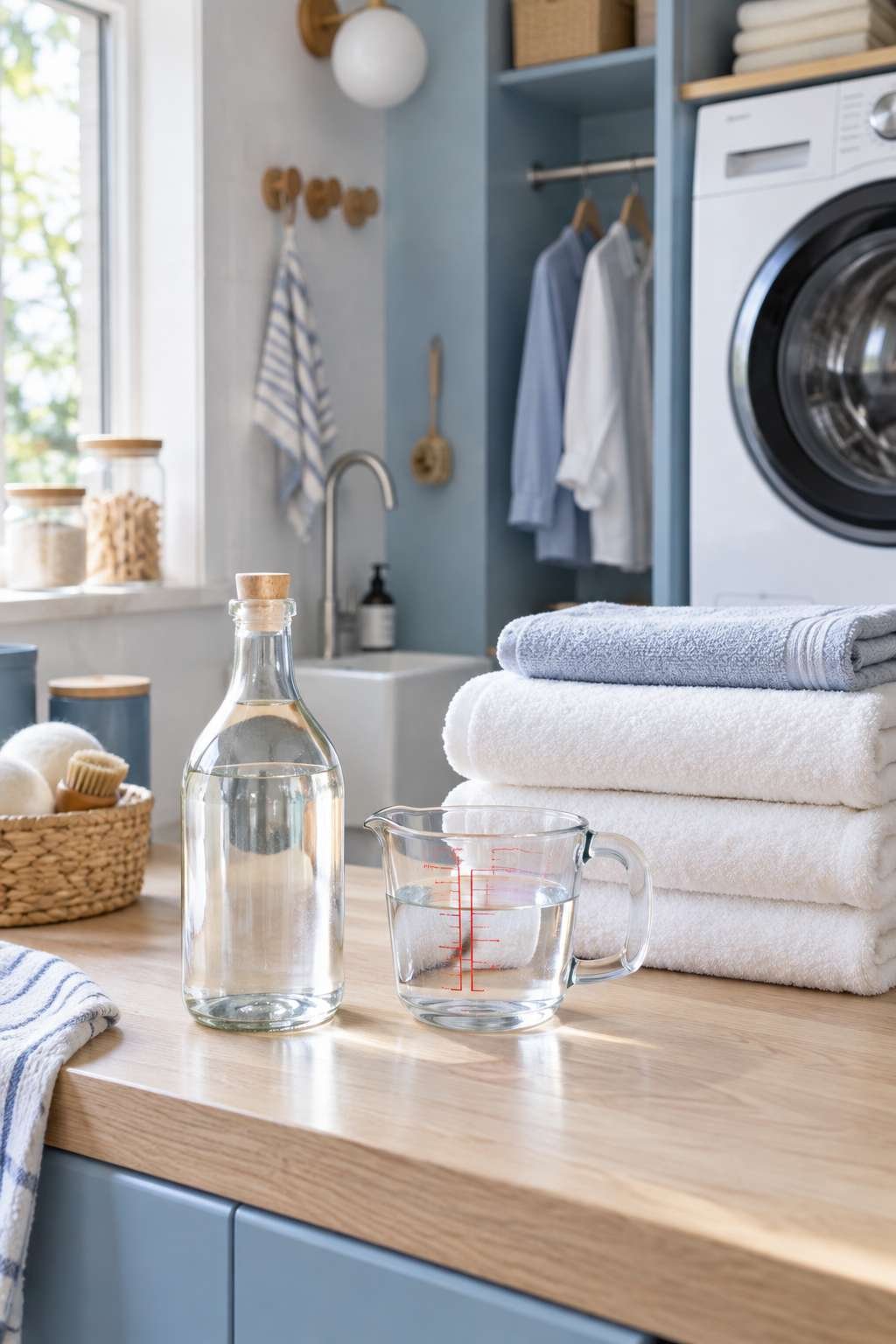
1. Why Vinegar Works So Well in Laundry
Vinegar’s cleaning power comes from its natural acidity, which helps dissolve mineral buildup, neutralize odors, and break down soap residue left behind by detergent.
Unlike synthetic fabric softeners that coat fibers with a waxy layer, vinegar works by adjusting the pH of the rinse water, leaving clothes genuinely cleaner rather than just masked with fragrance.
- Rely on natural acidity to break down mineral and soap buildup
- Expect vinegar to neutralize odors rather than just cover them
- Skip the waxy residue left behind by synthetic softeners
- Use it as a gentle alternative for sensitive skin
- Appreciate that it’s inexpensive compared to specialty products
2. Using Vinegar as a Natural Fabric Softener
One of the most popular reasons people ask how to use vinegar in laundry is to replace store-bought fabric softener. Adding vinegar to the rinse cycle helps relax fibers, reduce static cling, and leave towels noticeably fluffier over time.
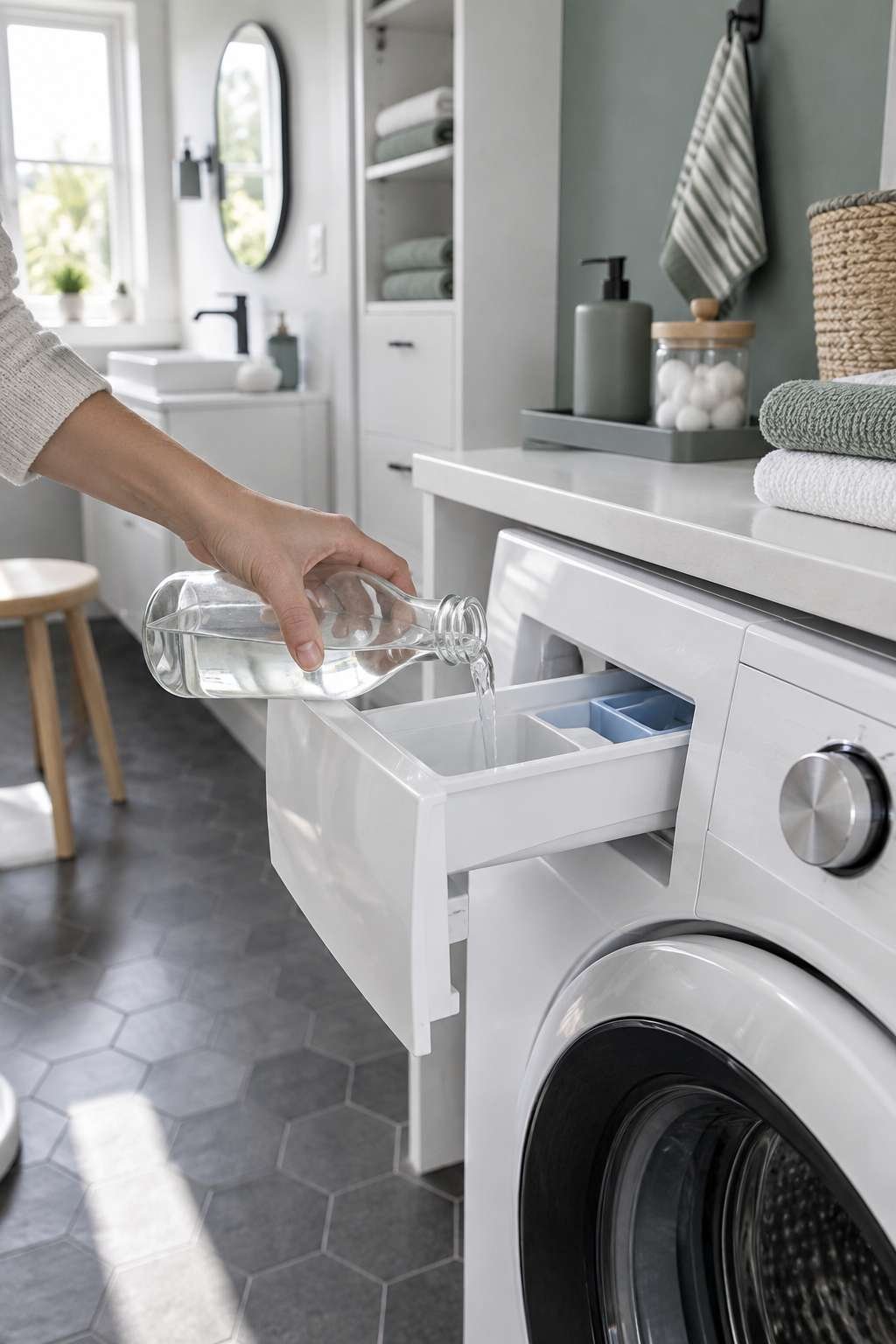
It also prevents the buildup that traditional softeners can leave on fabric, which sometimes reduces absorbency in towels.
- Add vinegar during the rinse cycle, not the wash cycle
- Expect reduced static cling especially on synthetic fabrics
- Notice fluffier towels over repeated washes
- Avoid mixing vinegar with bleach in the same load
- Use a dispenser drawer or downy ball for automatic release
3. How Much Vinegar to Add for Softening
Getting the amount right matters, since too little won’t make a noticeable difference and too much can leave a faint smell if the rinse doesn’t fully clear it.
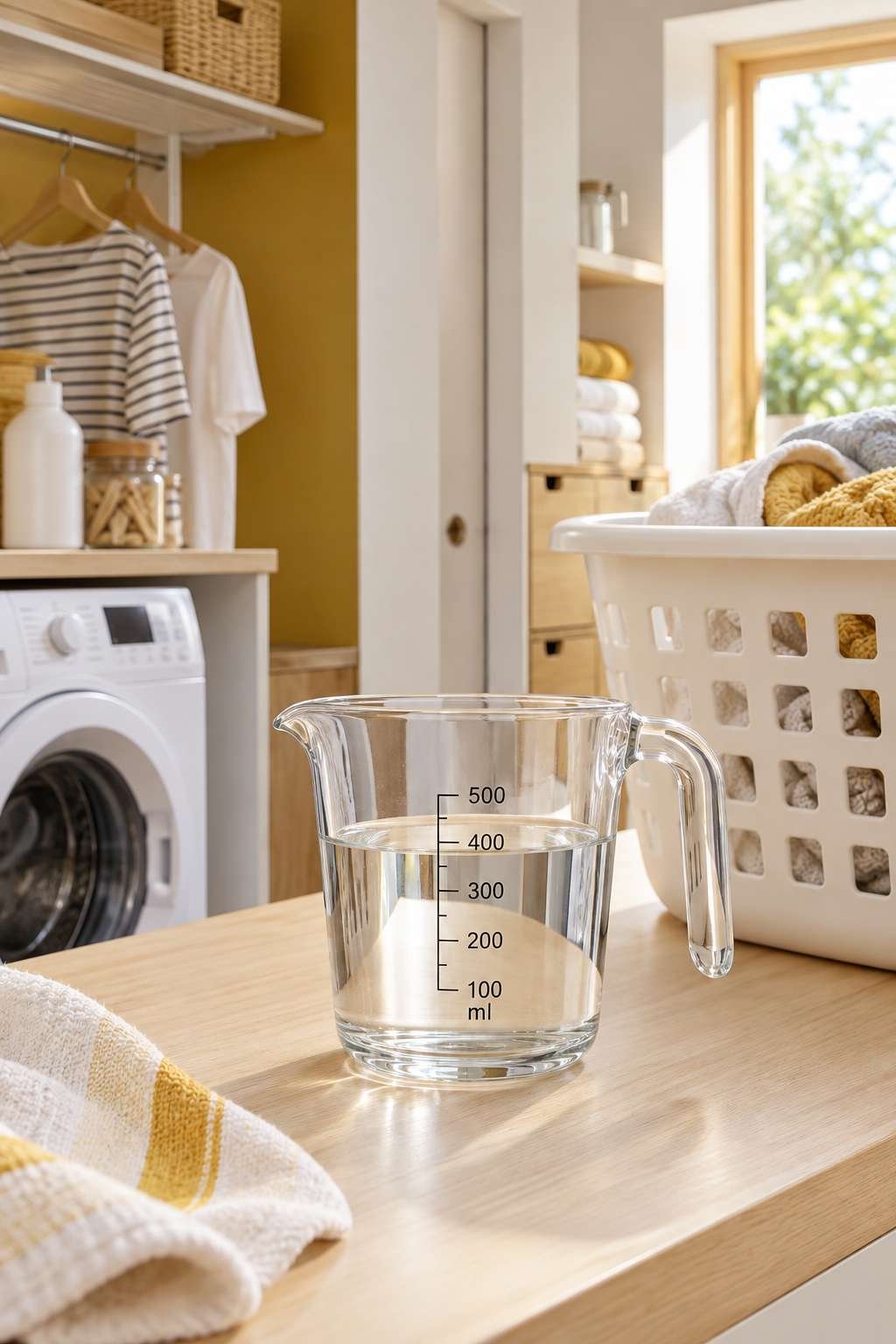
Our dedicated breakdown, How Much Vinegar to Add to Laundry, covers exact measurements for standard and high-efficiency machines so you’re not guessing every time you do a load.
- Start with a small measured amount rather than eyeballing it
- Adjust slightly more for larger or heavily soiled loads
- Use less in HE machines, which use less water overall
- Test on one load before committing to a regular amount
- Keep a dedicated measuring cup near your laundry supplies
4. Using Vinegar to Remove Odors
Vinegar is especially effective on stubborn odors like sweat, smoke, or mildew that regular detergent sometimes struggles to fully remove.
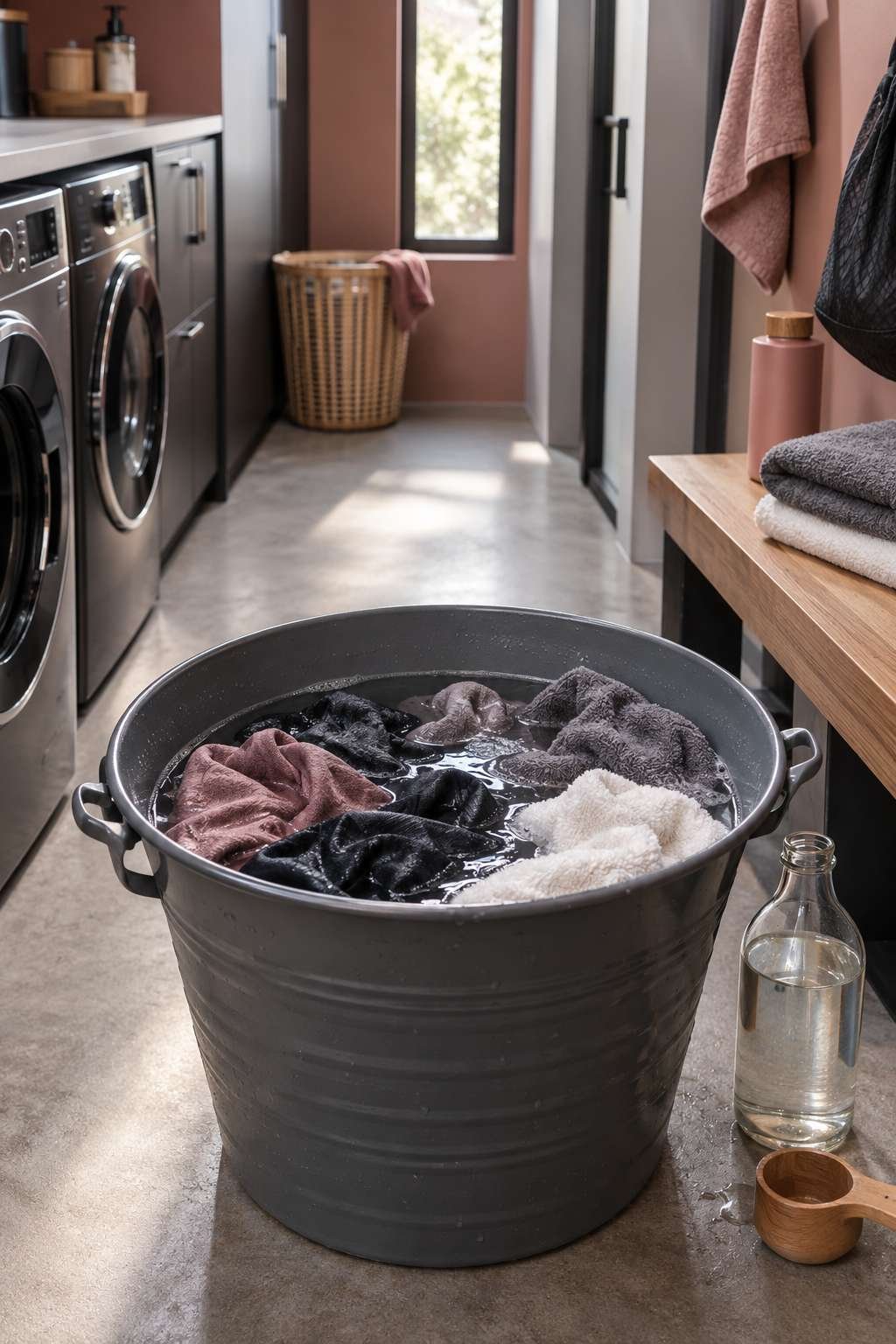
Soaking heavily affected items in a vinegar-water solution before washing, or adding vinegar directly to the wash cycle, helps neutralize the source of the smell rather than just masking it with fragrance.
- Pre-soak heavily soiled or smelly items before the main wash
- Add vinegar directly to the wash cycle for stubborn odors
- Combine with baking soda for extra deodorizing power on tough cases
- Use on gym clothes and towels that trap bacteria easily
- Air dry when possible to let remaining odor fully dissipate
5. What Vinegar Actually Does for Your Clothes
Beyond softening and odor removal, vinegar offers a handful of other benefits worth understanding fully.
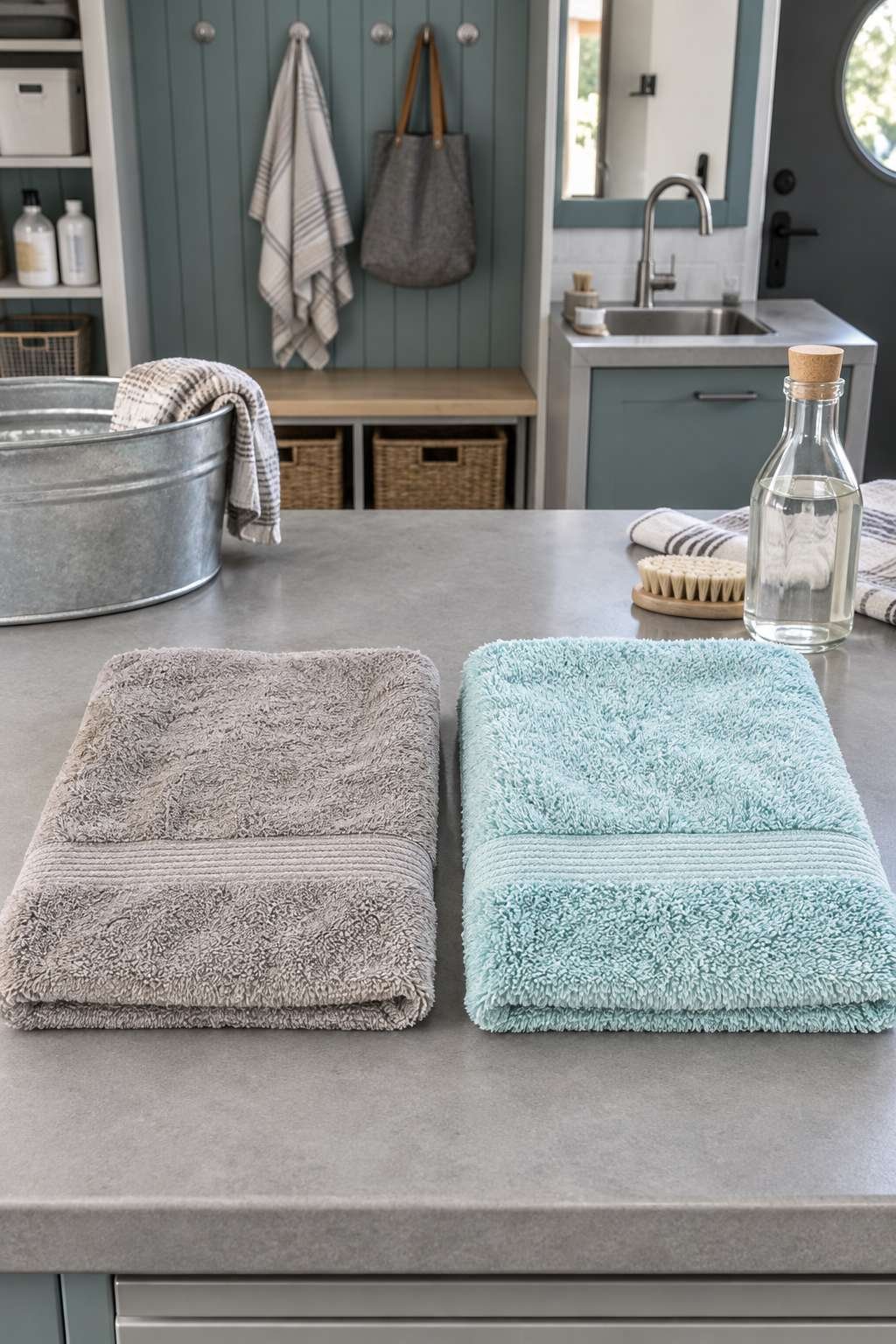
Our companion guide, What Does Vinegar Do for Laundry, breaks down its full range of effects — from brightening colors and preventing dye bleeding to helping remove excess soap that can leave clothes feeling stiff or looking dull over time.
- Brighten dull or faded colors with regular light use
- Help prevent dye bleeding between mixed-color loads
- Remove excess detergent residue that causes stiffness
- Restore softness to towels that have lost absorbency
- Use sparingly on delicate or specialty fabrics
6. Vinegar for Whites and Brightening
For households dealing with dingy or yellowing whites, vinegar can help restore brightness without relying solely on chlorine bleach.
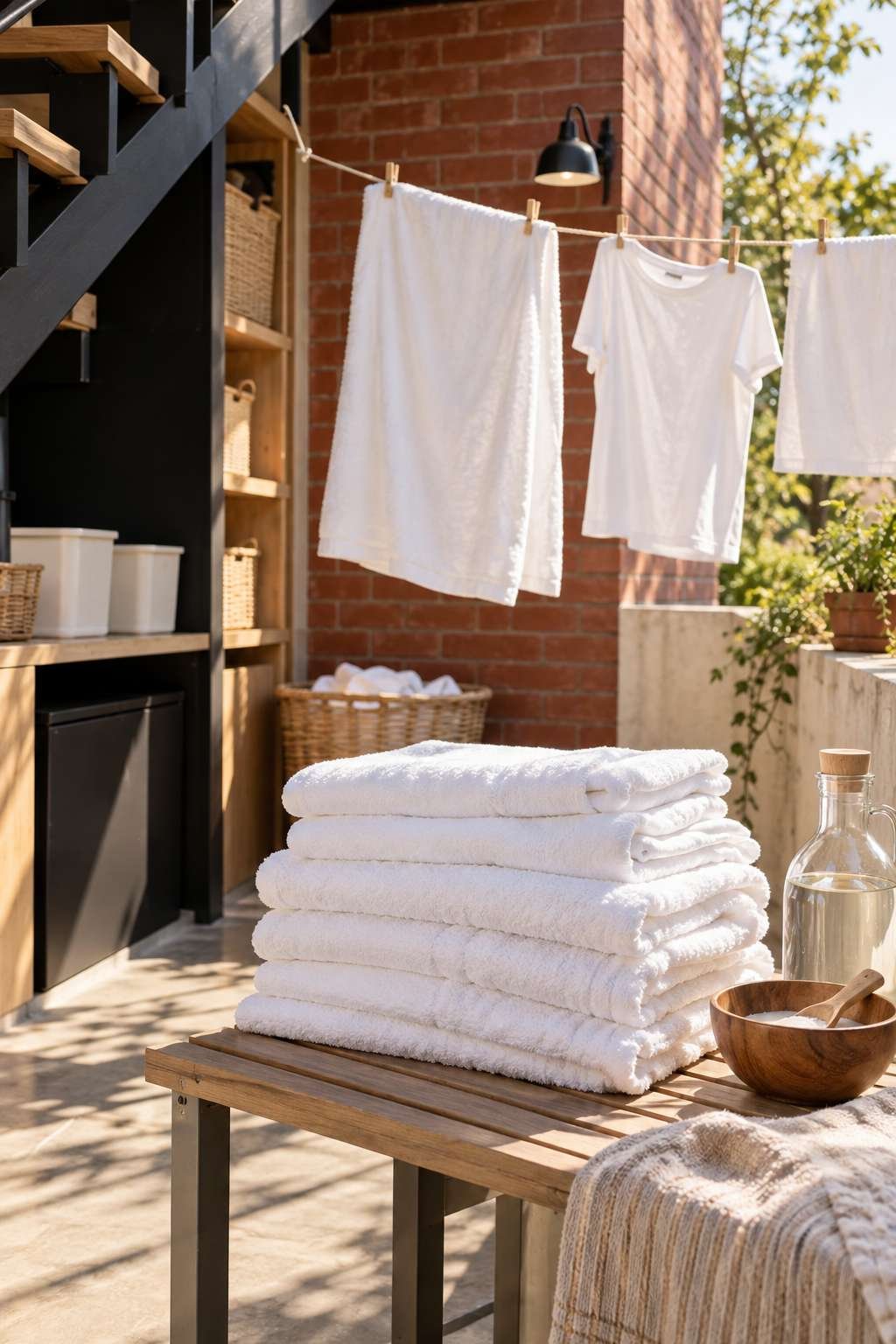
Adding it to a hot wash cycle helps lift mineral deposits and soap film that dull white fabric over time, working especially well when paired with sunlight drying for extra natural brightening.
- Use vinegar in a hot water cycle for stubborn dinginess
- Pair with sunlight drying for extra natural brightening
- Avoid combining vinegar with chlorine bleach in the same load
- Reserve for cotton and linen whites rather than delicate synthetics
- Repeat over several washes for gradual, safe improvement
7. How Much Vinegar Works Best for General Laundry Use
Beyond softening specifically, general laundry use calls for its own guidance depending on load size and purpose.
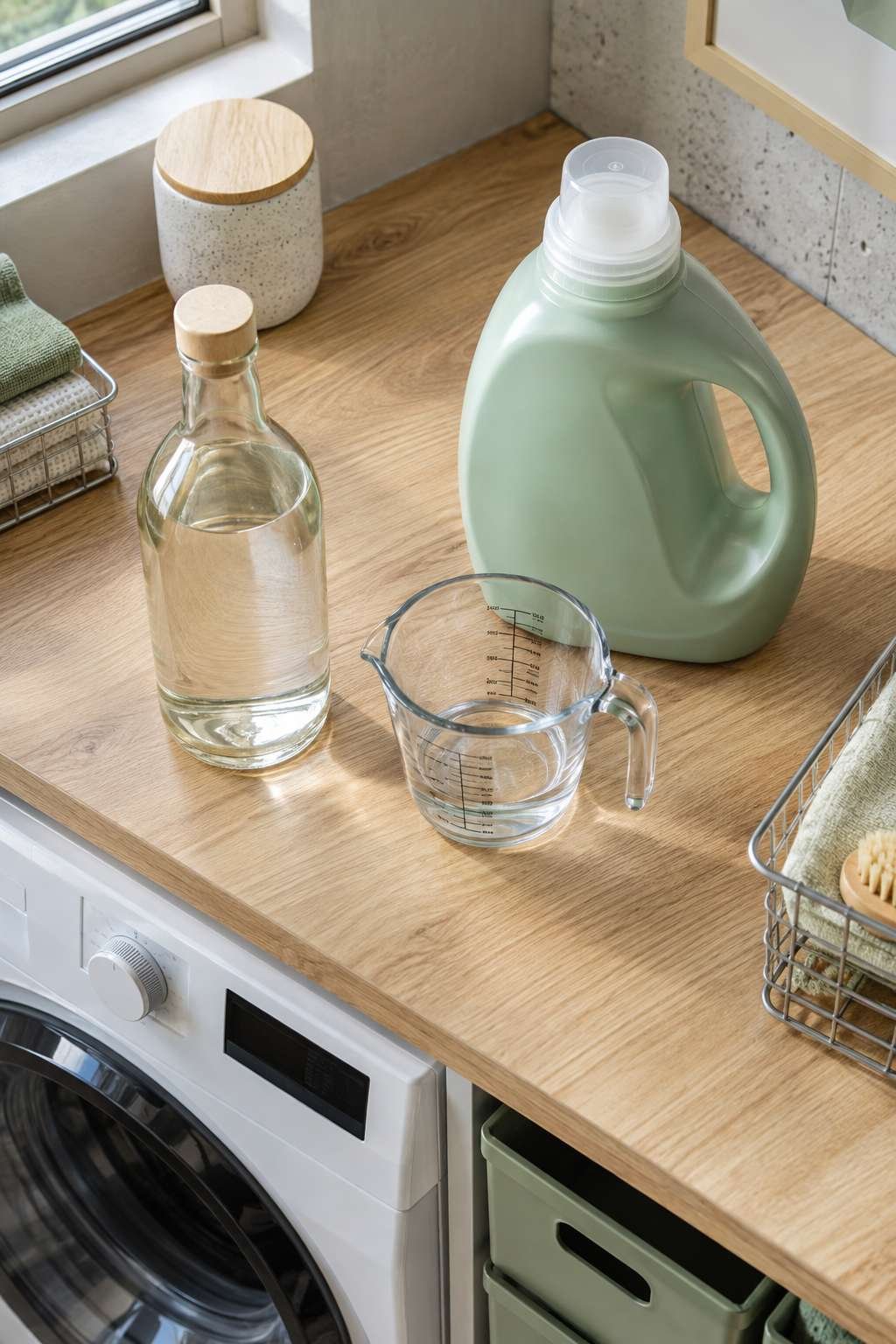
Our post, How Much Vinegar in Laundry, covers general-purpose amounts for odor control, brightening, and everyday freshening so you have one reference point regardless of which benefit you’re chasing that day.
- Use a standard measured amount for general everyday loads
- Increase slightly for odor-heavy or heavily soiled items
- Reduce for delicate or lightly soiled loads
- Keep amounts consistent to avoid over-diluting detergent effectiveness
- Track what works best for your specific water hardness
8. The Correct Way to Add Vinegar to a Load
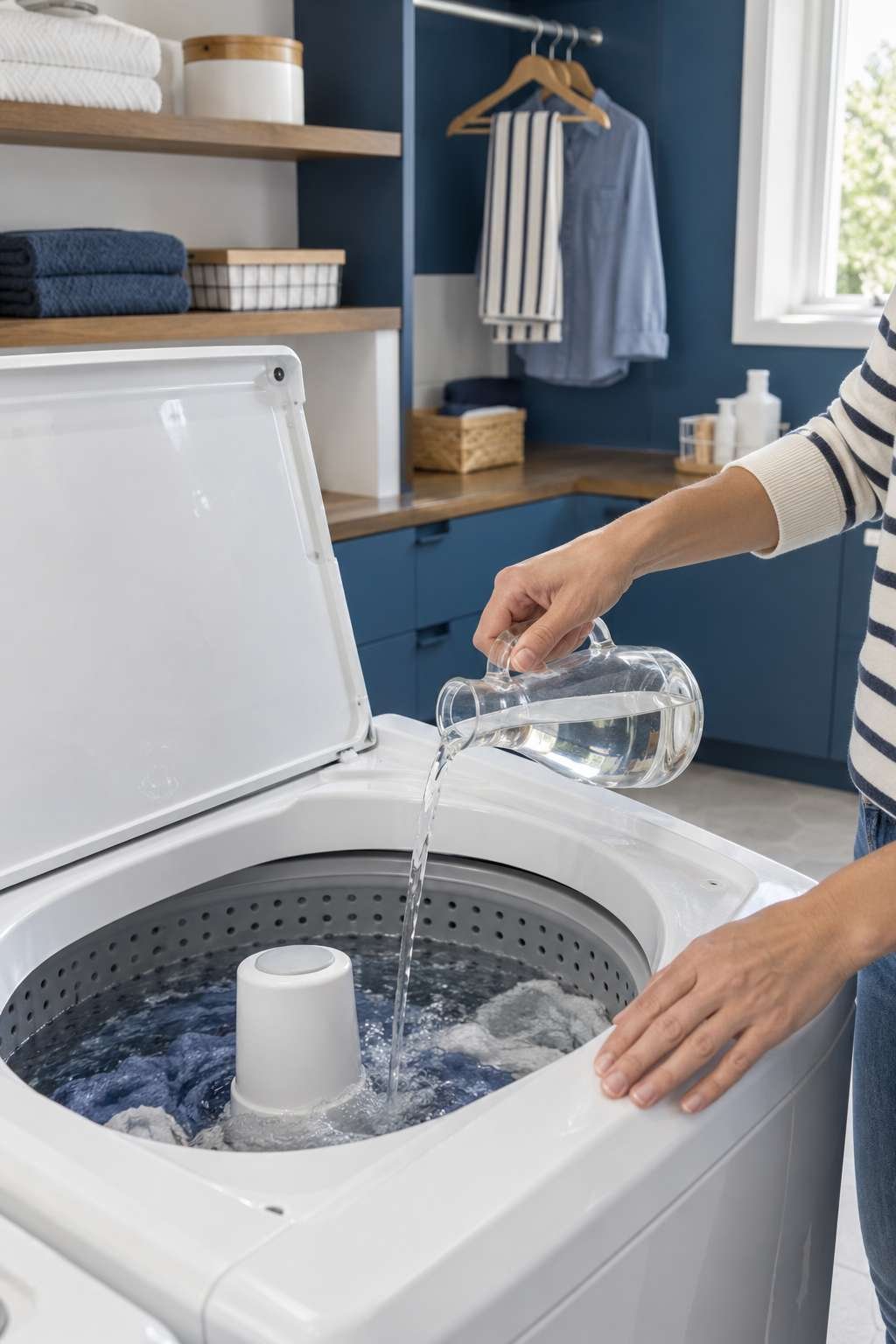
Timing and placement matter just as much as quantity. Our detailed walkthrough, How to Add Vinegar to Laundry, explains exactly when in the cycle to introduce vinegar depending on your machine type, along with which dispensers or manual methods work best for consistent results every time.
- Add during the rinse cycle for softening purposes
- Use the detergent dispenser drawer if your machine has one
- Add manually partway through for top-load machines without a dispenser
- Avoid adding at the very start alongside detergent
- Check your machine’s manual for a dedicated fabric softener slot
9. Vinegar Amounts for Different Machine Types
Machine type significantly changes how much vinegar you should use, since HE machines use far less water than traditional top-loaders.
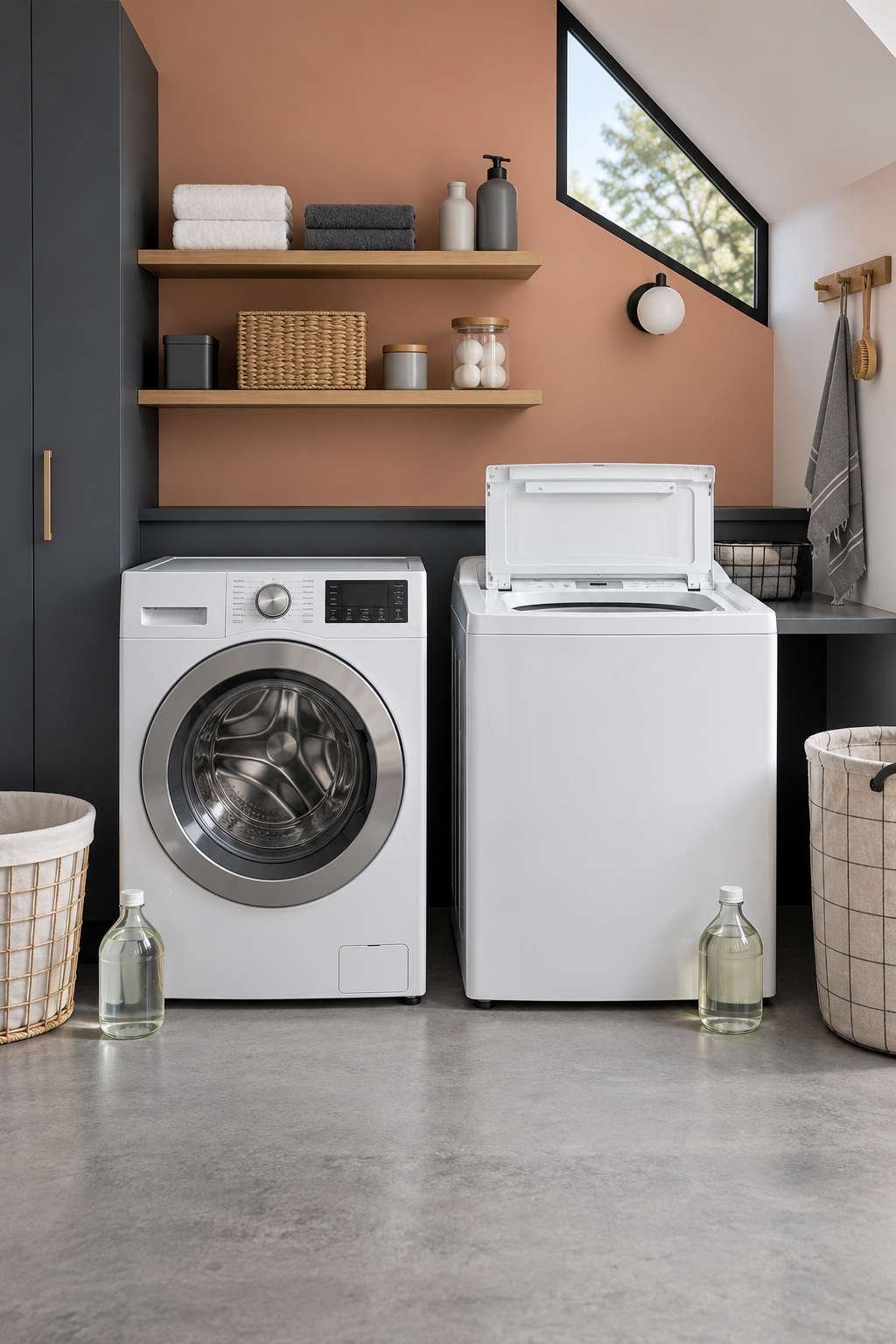
Our guide, How Much Vinegar to Put in Laundry, breaks amounts down specifically by machine type so you’re not accidentally over- or under-dosing based on generic advice meant for a different setup.
- Reduce vinegar amount for HE and front-load machines
- Use standard amounts for traditional top-load agitator machines
- Check your machine’s water usage rating if unsure
- Adjust further for extra-large capacity drums
- Start conservative and increase gradually if needed
10. Precautions and When to Avoid Using Vinegar
While vinegar is generally safe, a few precautions are worth knowing. Avoid using it on certain delicate fabrics like silk or specific synthetic blends that can be damaged by acidity over repeated washes.
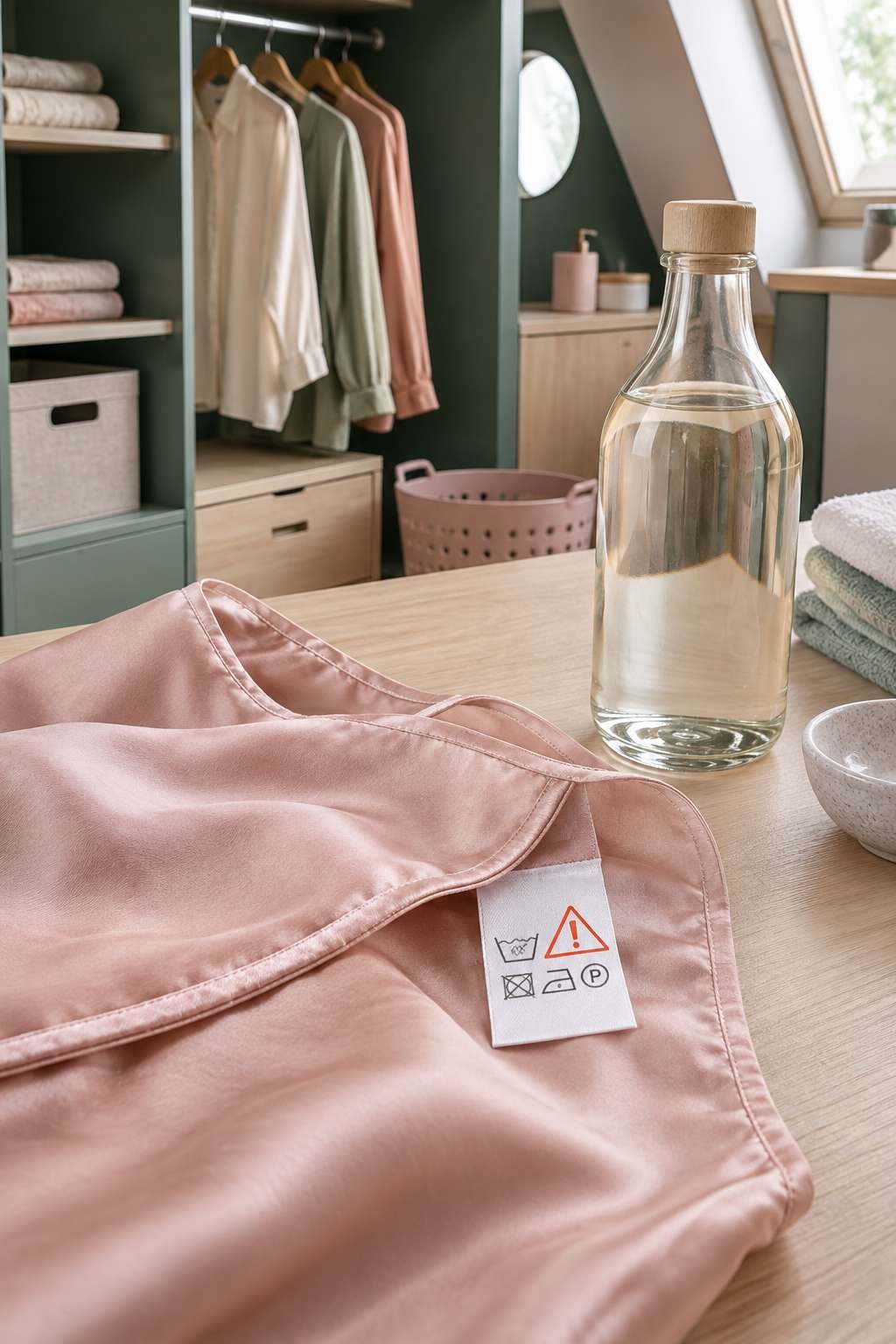
Also avoid combining it with bleach, which creates harmful fumes, and check your washing machine’s manual since some manufacturers advise against frequent vinegar use in specific models.
- Avoid vinegar on silk or specialty synthetic fabrics
- Never combine vinegar with chlorine bleach
- Check your washing machine’s manual for manufacturer guidance
- Use sparingly if your machine has rubber gaskets prone to wear
- Ventilate the laundry area if using larger vinegar amounts regularly
Conclusion
Once you understand how to use vinegar in laundry effectively, it becomes an easy, low-cost addition to your regular routine — softening fabrics, neutralizing odors, and brightening whites without synthetic additives. Start with small, measured amounts, pay attention to your specific machine type, and adjust from there based on the results you see load after load.

