Urine odor is one of the most stubborn smells to fully eliminate from fabric, especially once it’s had time to dry and set in. Knowing how to get urine smell out of laundry effectively means understanding why the odor lingers in the first place and treating it with the right combination of products, not just running an extra wash cycle and hoping for the best.
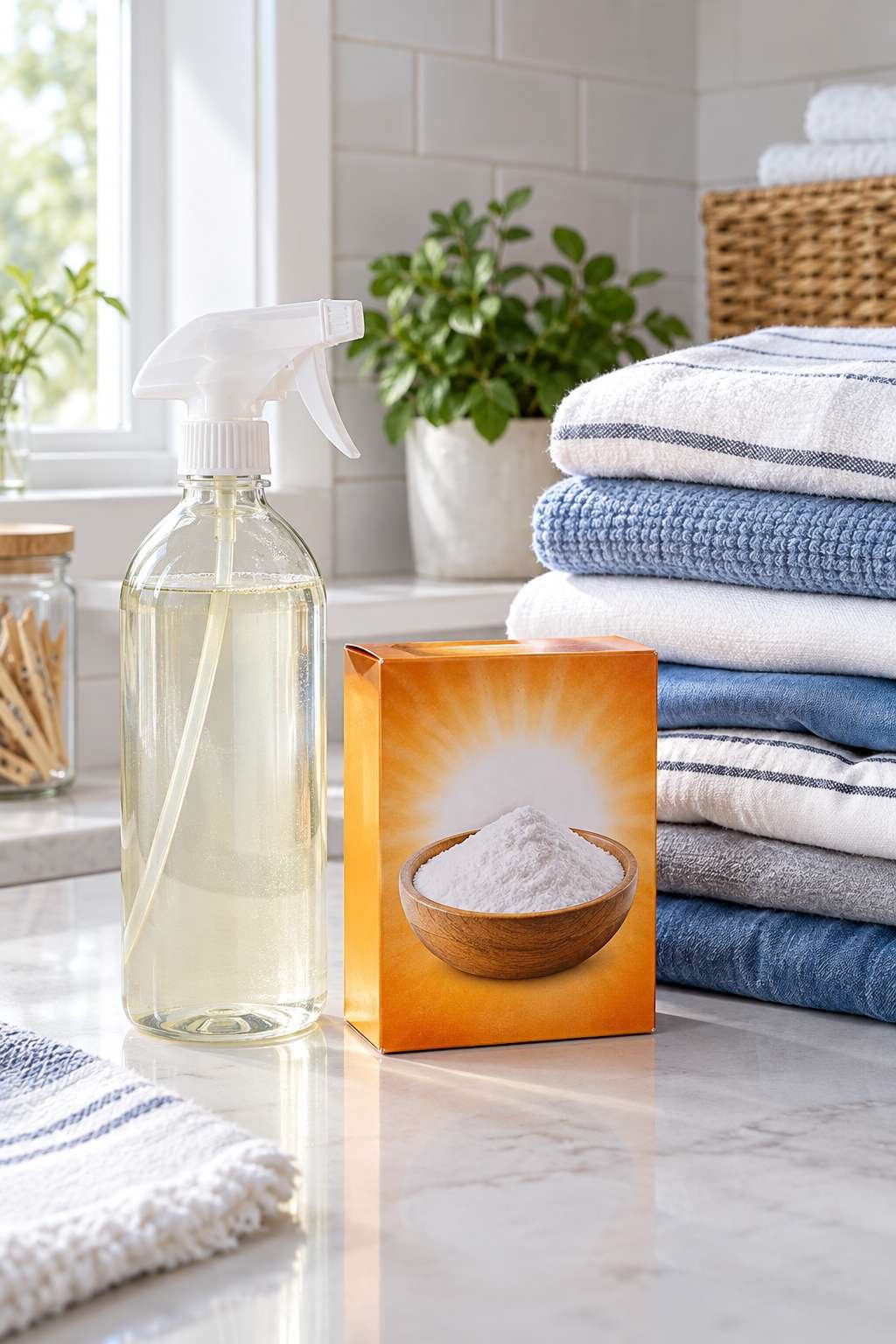
Whether you’re dealing with pet accidents, potty-training mishaps, or an adult incontinence issue, the same core principles apply. This guide walks through the full process, from immediate response to long-term prevention.
1. Why Urine Smell Lingers in Fabric
Urine contains uric acid crystals that bond tightly to fabric fibers, and these crystals aren’t fully broken down by standard detergent alone. As the crystals dry, they become increasingly difficult to dissolve, which is why old, set-in urine stains smell stronger than fresh ones.
Understanding this is key to treating the odor correctly, since the goal isn’t just to mask the smell but to actually break down the crystals responsible for it. Standard detergent alone often isn’t enough for this specific job.
- Understand that uric acid crystals are the real source of the smell
- Recognize that standard detergent alone often can’t break them down
- Know that dried urine is harder to treat than fresh urine
- Avoid assuming a normal wash cycle will fully resolve the odor
- Treat urine odor as a chemical problem, not just a cleanliness issue
- Expect that older stains may need more than one treatment round
2. Act Quickly: Rinse Before Washing
The sooner you address a urine accident, the easier it is to fully remove the odor. Rinse the affected fabric in cold water as soon as possible, since hot water can actually set the odor deeper into the fibers rather than removing it.
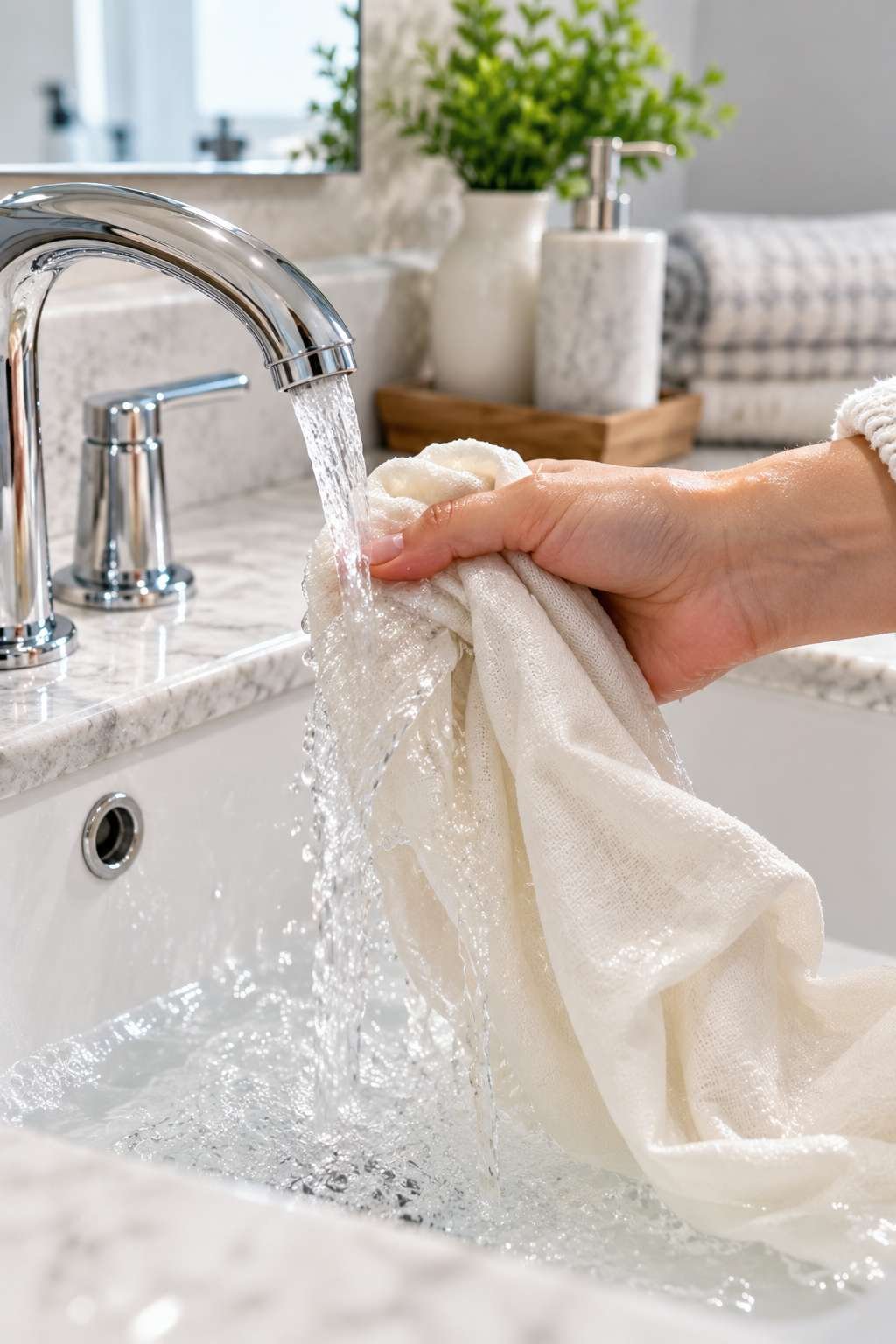
Blot excess liquid out with a clean towel before rinsing if the item is heavily saturated, then proceed to a cold water rinse before moving on to a proper wash or pre-treatment step.
- Rinse affected fabric in cold water as soon as possible
- Avoid hot water during the initial rinse, which can set the odor
- Blot excess liquid with a towel before rinsing heavily soaked items
- Don’t let urine-soaked fabric sit for an extended period
- Separate affected items from the rest of your laundry immediately
- Move directly to pre-treatment once the initial rinse is done
3. Pre-Treat with an Enzyme Cleaner
An enzyme-based cleaner is the most effective tool for breaking down uric acid crystals, since regular detergent isn’t formulated for this specific job. Apply it generously to the affected area and let it sit according to the product’s instructions, usually five to fifteen minutes.
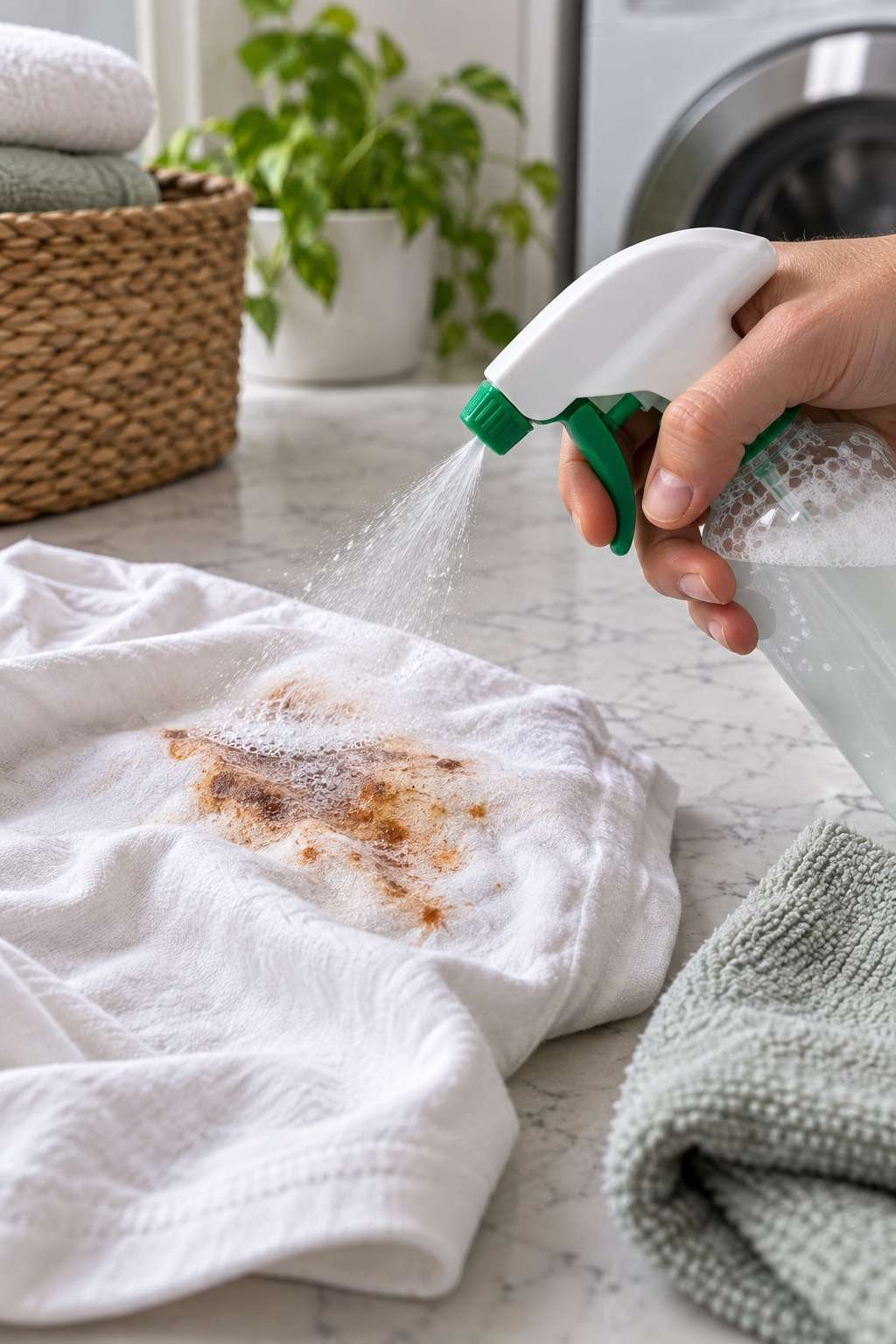
Enzyme cleaners work by actually digesting the organic compounds responsible for the smell, rather than just masking it, which is why they consistently outperform basic detergent alone for this particular problem.
- Choose an enzyme-based cleaner specifically formulated for pet or human urine
- Apply generously to fully saturate the affected area
- Let the enzyme cleaner sit for the time listed on the label
- Reapply for older or heavily set-in stains before washing
- Avoid combining enzyme cleaner with bleach in the same step
- Follow enzyme treatment with a normal wash cycle afterward
4. Use Vinegar to Neutralize Odor
White vinegar is a natural, effective odor neutralizer that works well alongside enzyme treatment or as a standalone option for milder cases. Add about a cup of white vinegar directly to the wash cycle, either in the drum or the fabric softener dispenser.
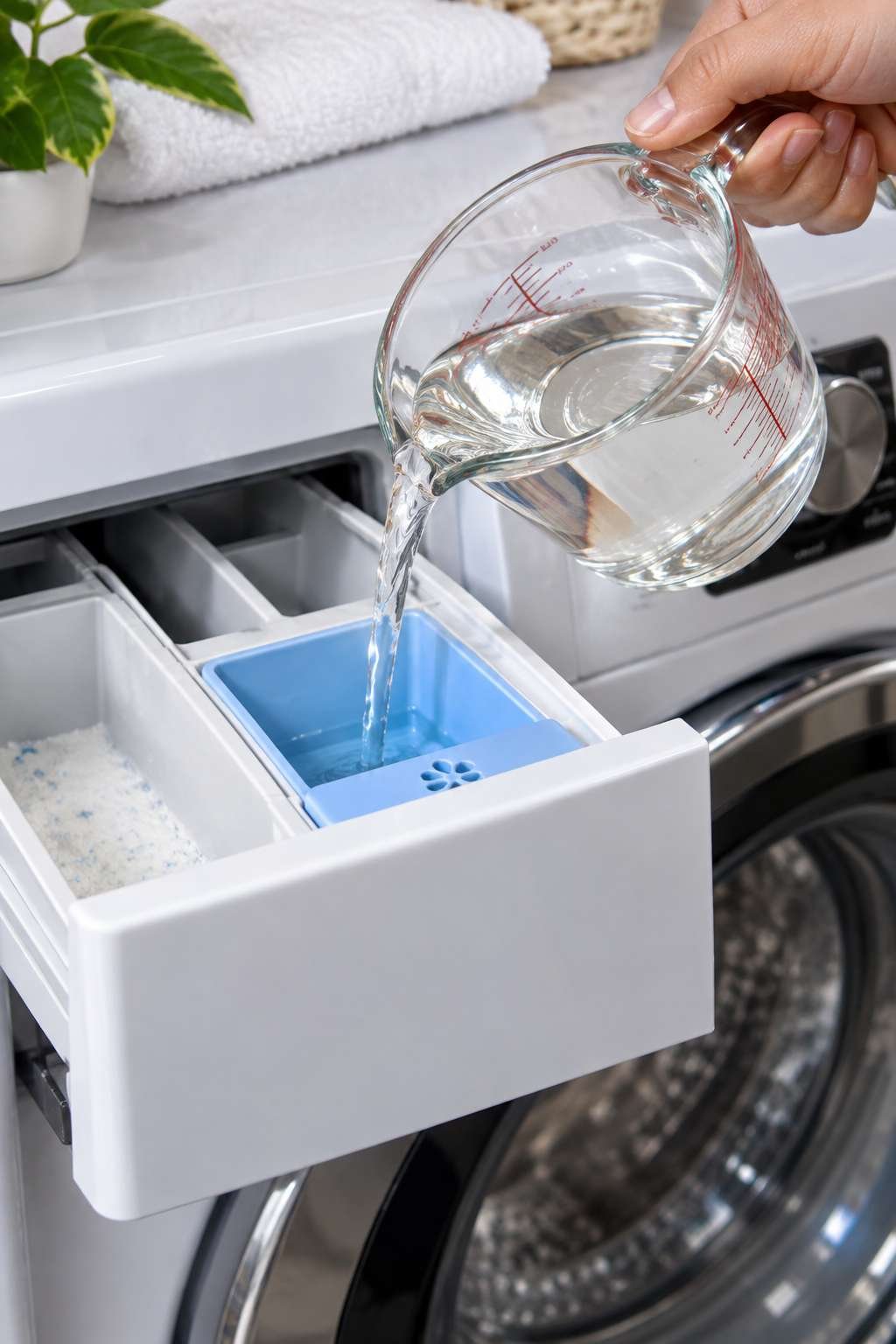
Vinegar’s acidity helps neutralize the alkaline compounds in urine that contribute to the lingering smell, making it a genuinely useful addition rather than just a folk remedy.
- Add about a cup of white vinegar to the wash cycle
- Use the fabric softener dispenser or add directly to the drum
- Avoid mixing vinegar with bleach in the same wash step
- Consider a vinegar soak for heavily affected items before washing
- Pair vinegar with enzyme cleaner for tougher, older odor
- Air out treated items between vinegar and the final wash if needed
5. Add Baking Soda for Extra Odor Absorption
Baking soda works well as a secondary odor absorber, especially for mild residual smell after the main treatment. Add about half a cup directly to the wash cycle alongside your detergent for extra odor-fighting power.
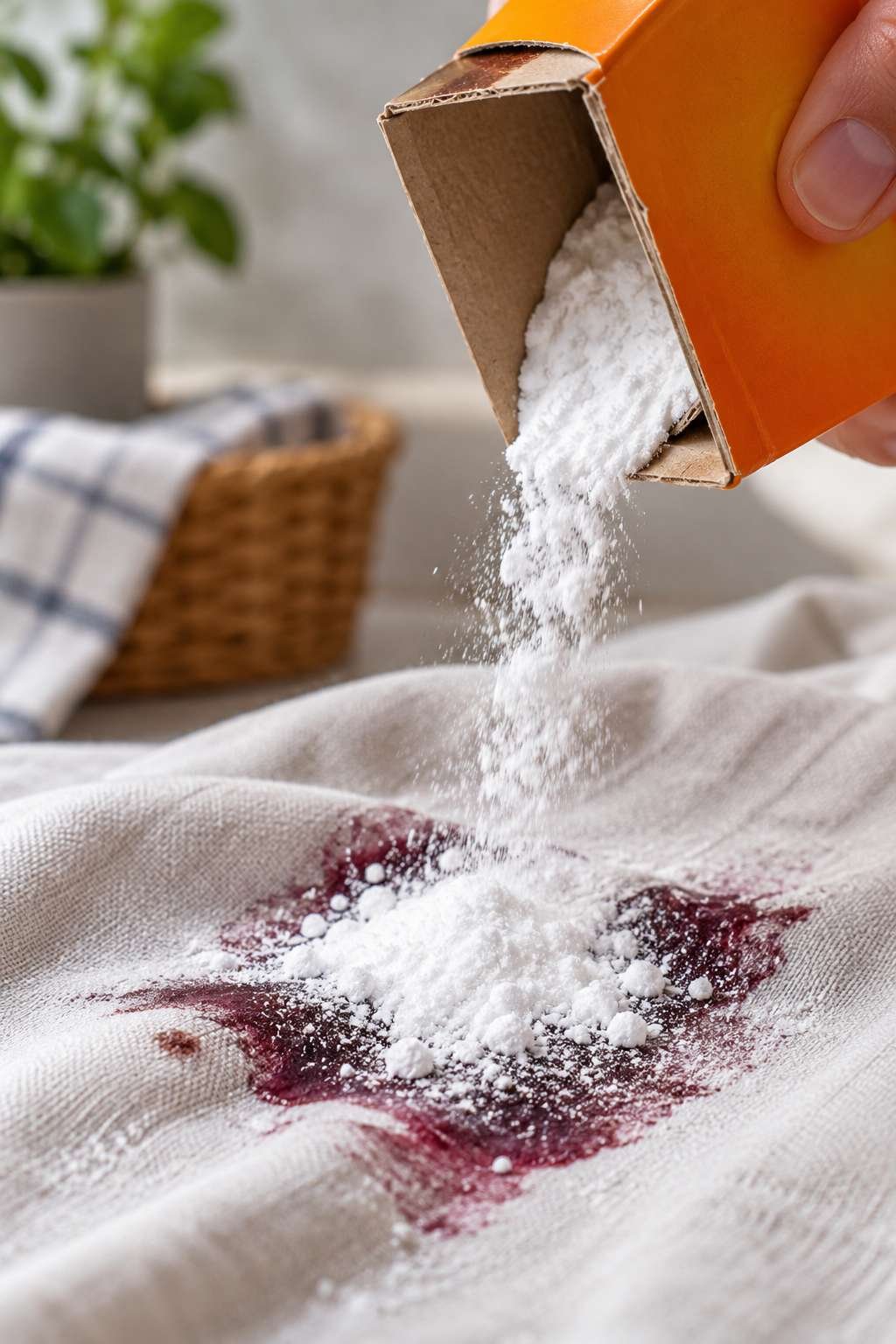
For particularly stubborn cases, sprinkling baking soda directly onto the affected fabric and letting it sit for a few hours before washing can help pull additional odor out before the item even enters the machine.
- Add about half a cup of baking soda to the wash cycle
- Sprinkle directly on stubborn spots and let sit before washing
- Combine with your regular detergent for the full cycle
- Use it as a secondary step after enzyme or vinegar treatment
- Avoid using baking soda as your only treatment for strong odor
- Vacuum or shake off excess baking soda before washing if applied dry
6. Wash on the Right Cycle and Temperature
Use the hottest water temperature the fabric can safely tolerate, since heat helps enzyme cleaners and detergent work more effectively once the initial cold rinse has already happened. Check care labels first to avoid damaging delicate items.
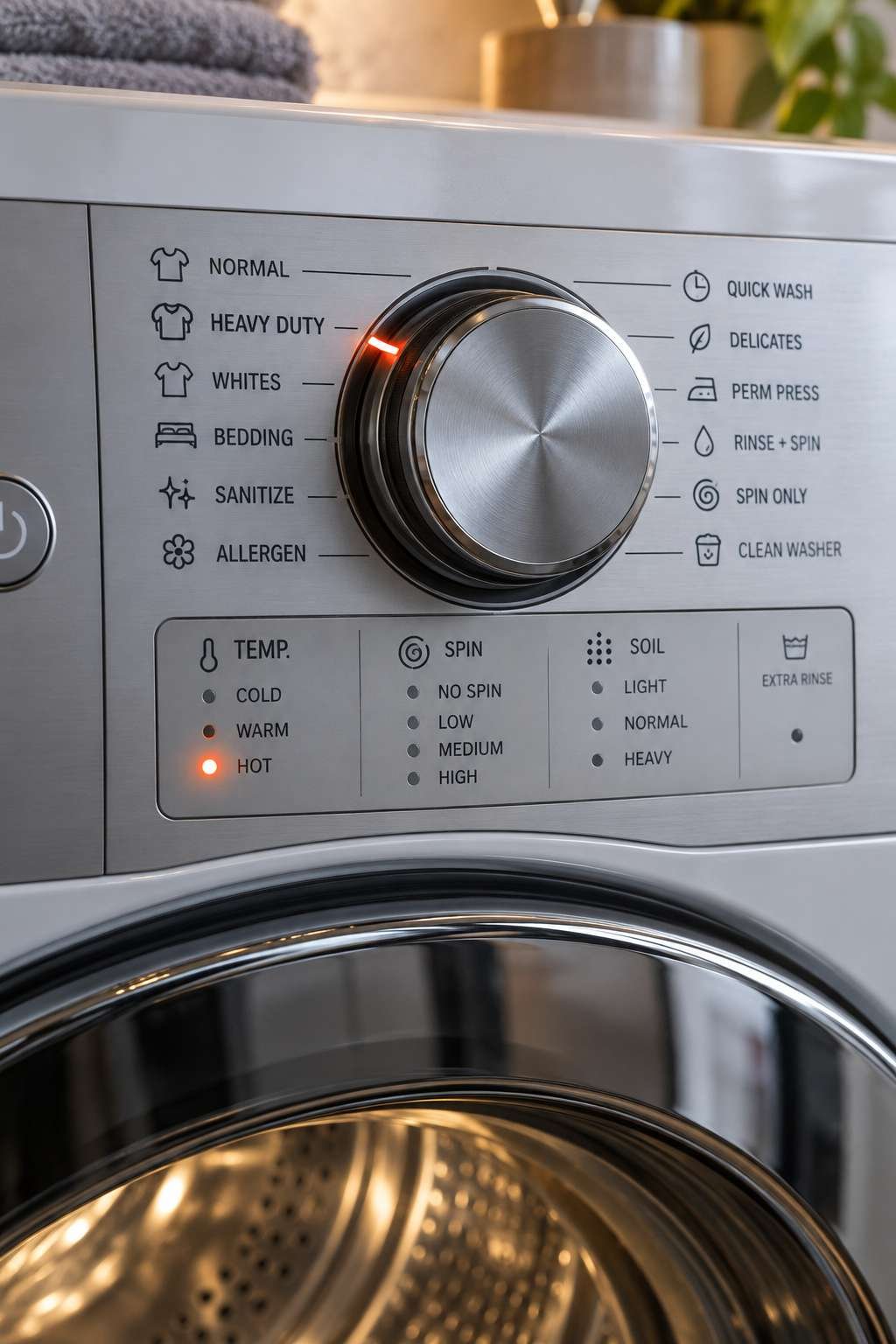
A longer or heavy-duty cycle setting, if your machine offers one, gives the detergent and any additives more time to fully break down the odor-causing compounds before the rinse and spin stages begin.
- Check the care label before selecting water temperature
- Use hot water for the main wash if the fabric allows it
- Select a heavy-duty or longer cycle setting when available
- Avoid a quick or delicate cycle for heavily affected items
- Run a full cycle rather than a rinse-only setting
- Repeat the wash cycle if any odor remains after the first pass
7. Avoid Common Mistakes That Trap Odor
One of the biggest mistakes is using too much detergent, which can actually trap odor-causing residue in fabric rather than rinsing it away completely. Overloading the machine has a similar effect, since items don’t get enough water contact and agitation to fully clean.
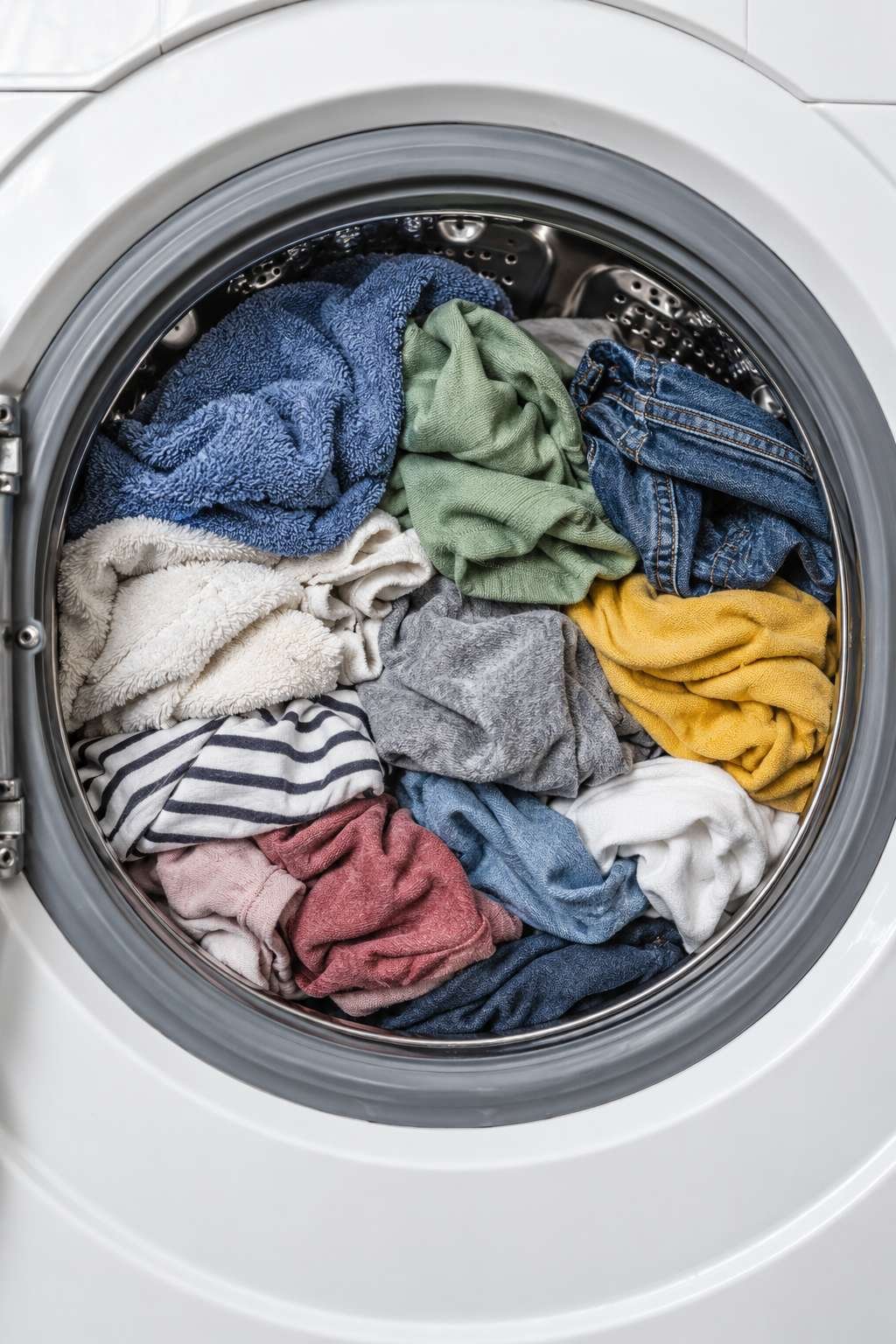
Skipping the enzyme or vinegar step and relying on detergent alone is another common error, especially for anything beyond a very fresh, minor accident.
- Avoid using more detergent than the recommended amount
- Don’t overload the machine, which reduces cleaning effectiveness
- Skip fabric softener on odor-affected loads, since it can trap smell
- Don’t rely on detergent alone for anything beyond minor fresh spots
- Avoid drying fabric before confirming the odor is fully gone
- Don’t mix bleach with vinegar or enzyme cleaner in the same step
8. Handle Mattress Pads, Bedding, and Delicates Differently
Bulky items like mattress pads and comforters need extra care since they don’t always fit standard washing instructions. Check the care label first, and consider a laundromat-sized machine for oversized bedding that won’t fit properly in a home washer.
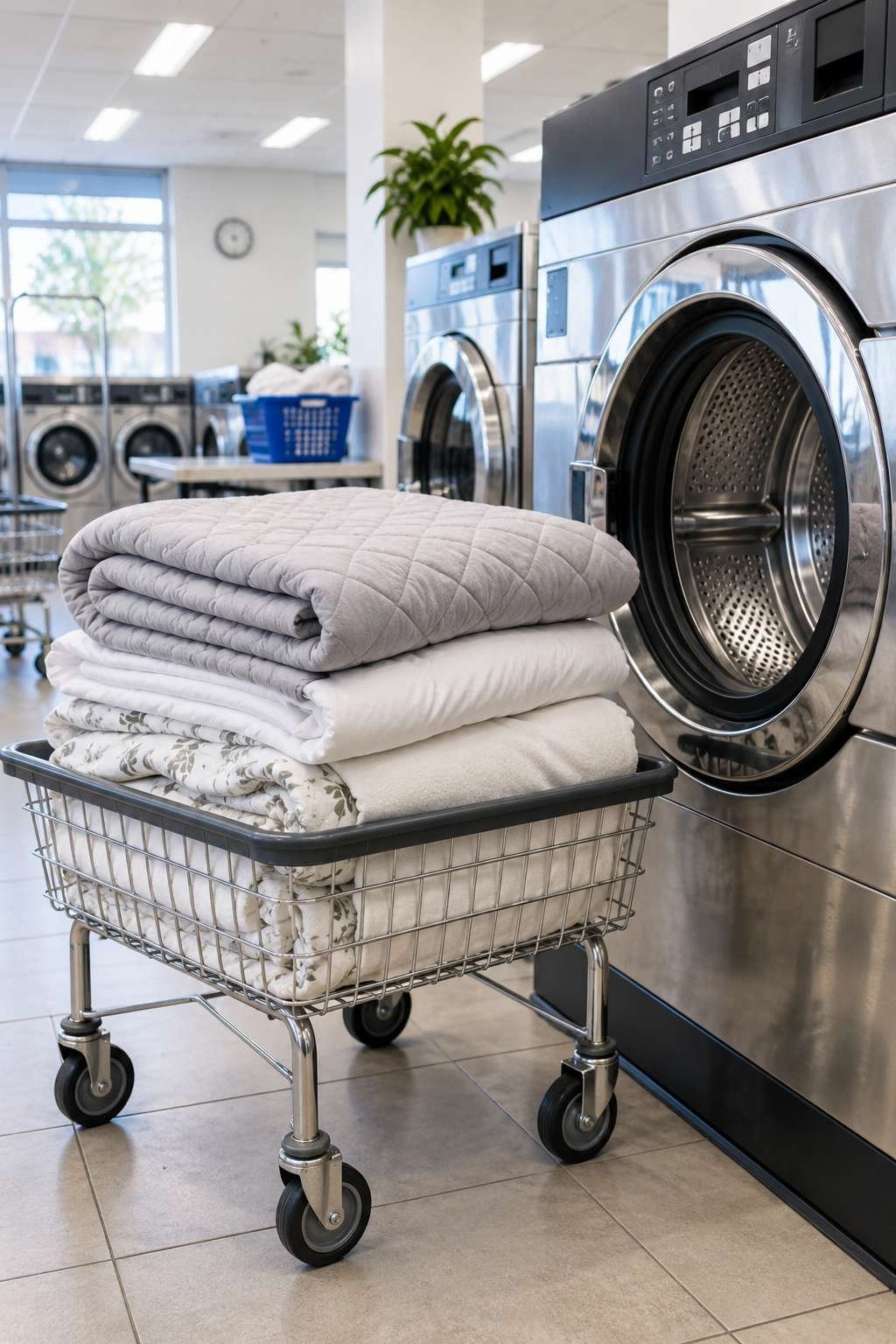
Delicate fabrics may not tolerate enzyme cleaners or vinegar as aggressively, so test a small hidden area first and consider hand treatment for anything explicitly marked delicate or dry-clean only.
- Check the care label before treating bulky bedding items
- Use a larger capacity machine for oversized mattress pads or comforters
- Test enzyme cleaner or vinegar on a hidden area of delicate fabric first
- Consider hand treatment for dry-clean-only or delicate items
- Allow extra drying time for thick, absorbent bedding materials
- Repeat treatment on bulky items if odor persists after the first wash
9. Check and Recheck Before Drying
Never dry an item until you’re confident the odor is fully gone, since heat can permanently set any remaining smell into the fabric. Smell the item directly after washing, ideally while it’s still slightly damp, since odor is often easier to detect at that stage.
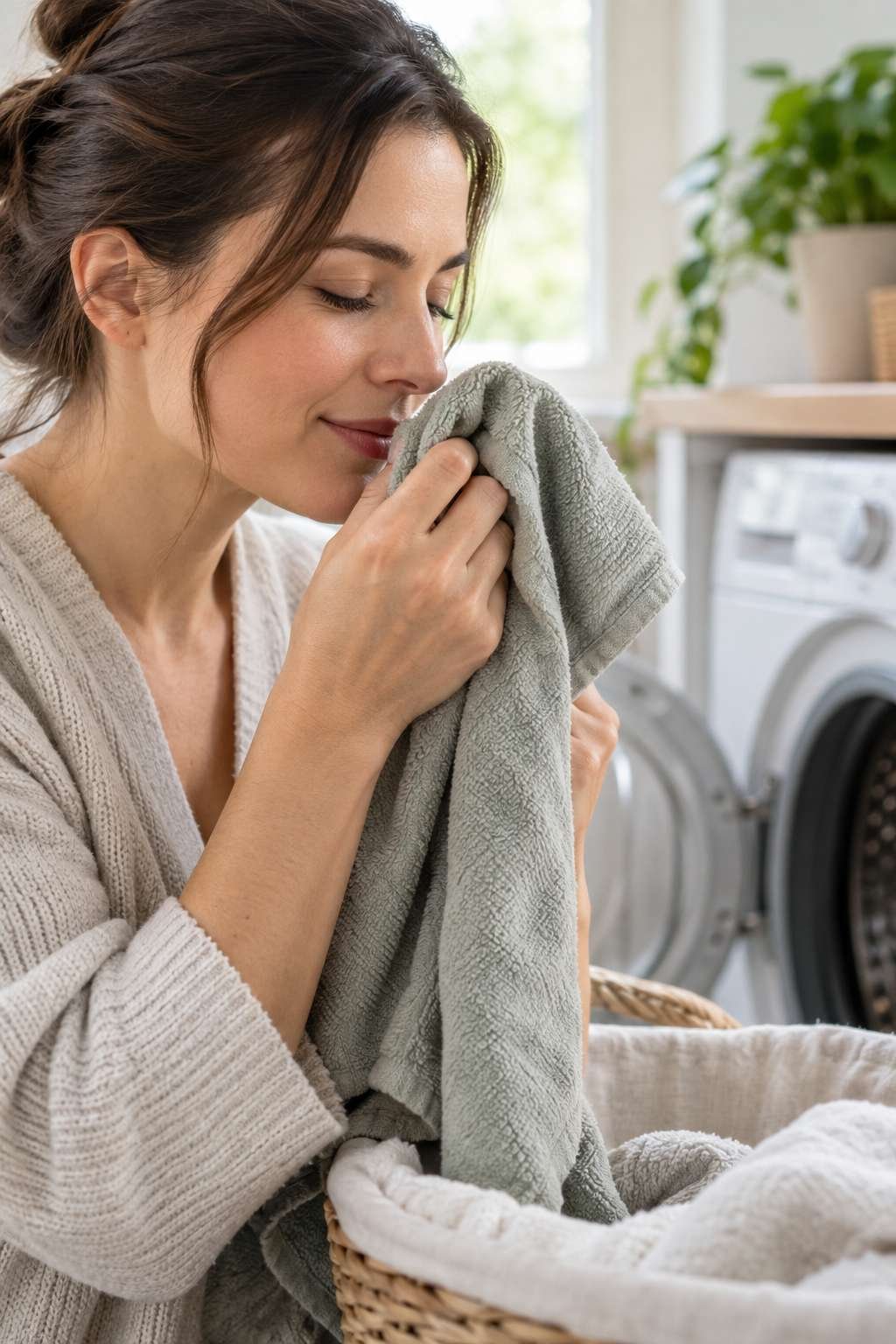
If any trace of odor remains, repeat the treatment process rather than proceeding to the dryer, even if it means an extra wash cycle.
- Smell the item directly before placing it in the dryer
- Check while fabric is still slightly damp for easier detection
- Repeat treatment if any trace of odor remains
- Avoid air-drying near heat sources if odor isn’t fully resolved
- Consider a final vinegar or enzyme rinse if unsure
- Only proceed to the dryer once you’re confident the smell is gone
10. Prevent Lingering Odor in Your Machine
Your washing machine itself can start holding onto odor over time, especially after repeated urine-related loads, which can then transfer smell back onto otherwise clean laundry. If you’ve noticed a persistent smell coming from the machine itself rather than the clothes, our guide on why your laundry machine might smell explains the most common causes behind it.
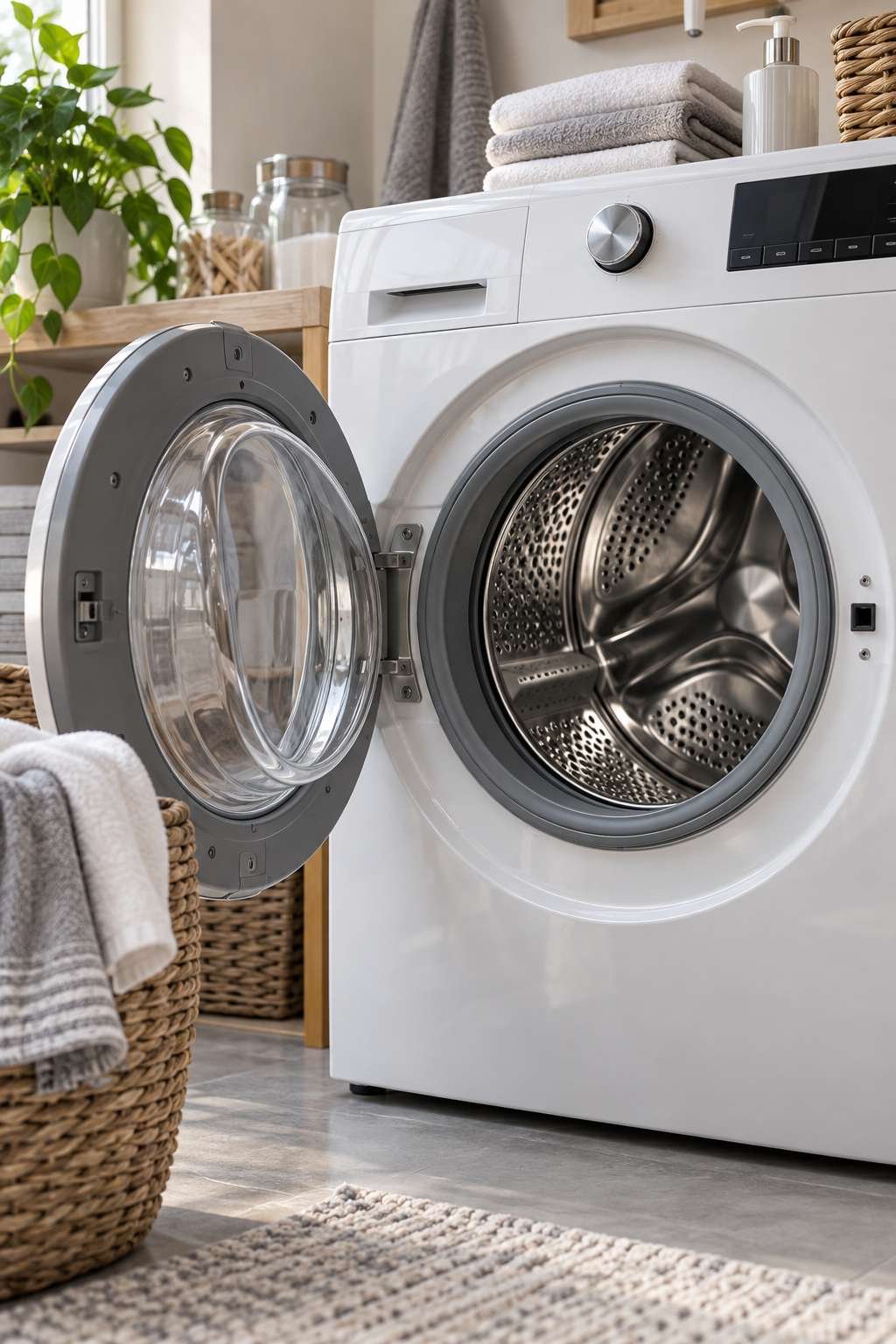
Running a regular cleaning cycle helps prevent this buildup before it becomes a recurring problem. For a full walkthrough of the cleaning process itself, our guide covering how to get rid of smell in a laundry machine provides step-by-step instructions for a deeper clean.
- Run an empty hot-water cleaning cycle on your machine monthly
- Wipe down the door seal and detergent dispenser regularly
- Leave the machine door open between loads to prevent trapped moisture
- Address any machine odor before it transfers to future loads
- Clean the lint filter and drain area periodically
- Treat machine odor and fabric odor as two separate issues to address
Getting urine smell fully out of laundry comes down to acting quickly, treating the actual cause rather than just masking it, and confirming the odor is gone before drying. Enzyme cleaners, vinegar, and baking soda each play a role, and combining them typically produces better results than relying on any single method alone.
With the right approach, even stubborn, set-in odor can be fully resolved without needing to replace the affected item.