


Learning how to make laundry detergent at home is one of the easiest ways to cut your household budget while gaining full control over what actually touches your clothes. With just a handful of pantry staples and a little prep time, you can produce a detergent that rivals store-bought brands in cleaning power without the added fillers, dyes, or synthetic fragrances. This guide walks through everything from ingredients to troubleshooting so your first batch turns out right.
1. Why Make Your Own Laundry Detergent
Before getting into the process, it’s worth understanding why so many households are switching. Homemade detergent typically costs pennies per load compared to name-brand alternatives, and it lets you skip ingredients that can irritate sensitive skin.
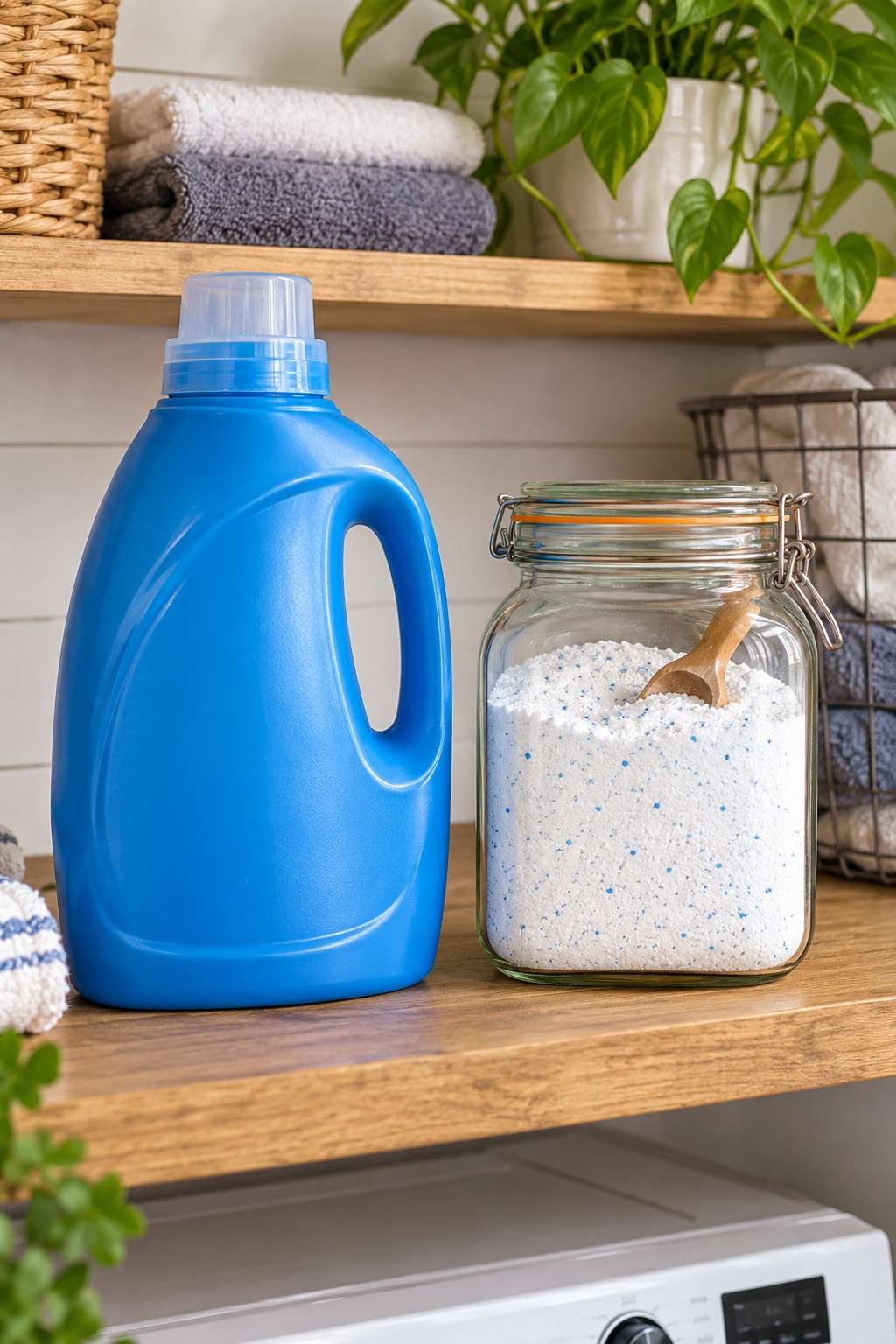
It also reduces plastic waste from disposable jugs and gives you flexibility to adjust the formula for your specific water type and machine.
- Save significantly on cost-per-load compared to store brands
- Skip synthetic dyes and fragrances that can irritate skin
- Reduce plastic packaging waste from disposable detergent jugs
- Customize the formula for hard water or sensitive skin needs
- Gain full control over exactly what’s in every batch
2. Core Ingredients You’ll Need
Most homemade detergent recipes rely on three main ingredients: washing soda, borax, and a grated bar of soap.
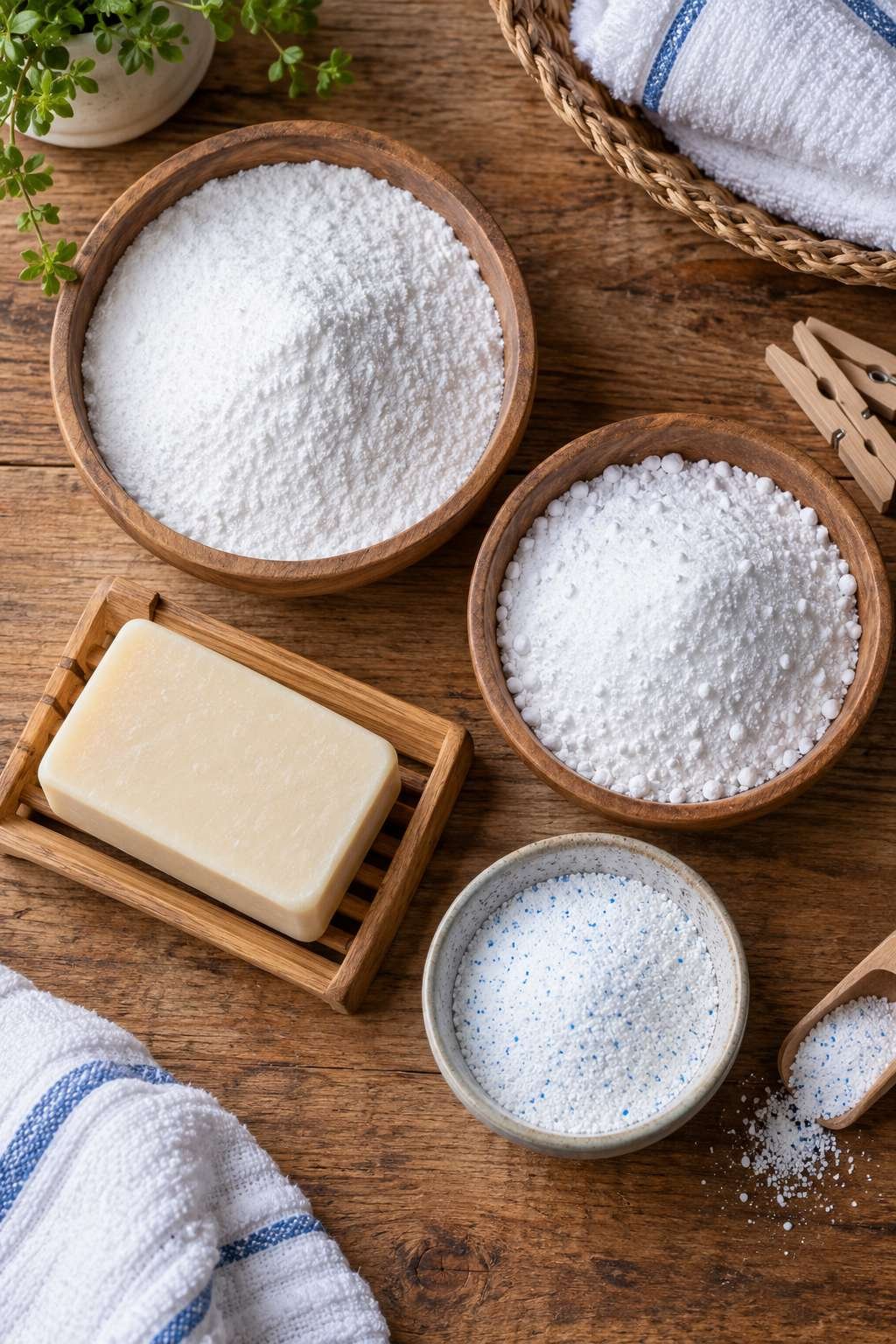
Washing soda handles the heavy lifting for cleaning power and water softening, borax boosts stain removal and deodorizing, and the soap provides the actual cleansing agent. Some recipes also add oxygen bleach for extra brightening on tough loads.
- Stock up on washing soda as your primary cleaning base
- Add borax for stain-lifting and odor control
- Grate a plain, unscented bar soap for the cleansing agent
- Consider oxygen bleach for brightening white loads
- Keep a dedicated grater just for soap prep
3. Powder Detergent: The Simplest Method
If you want the fastest route to how to make laundry detergent, powder is the way to go. Simply grate your bar soap finely, then mix it with equal parts washing soda and borax in a large bowl until evenly combined.
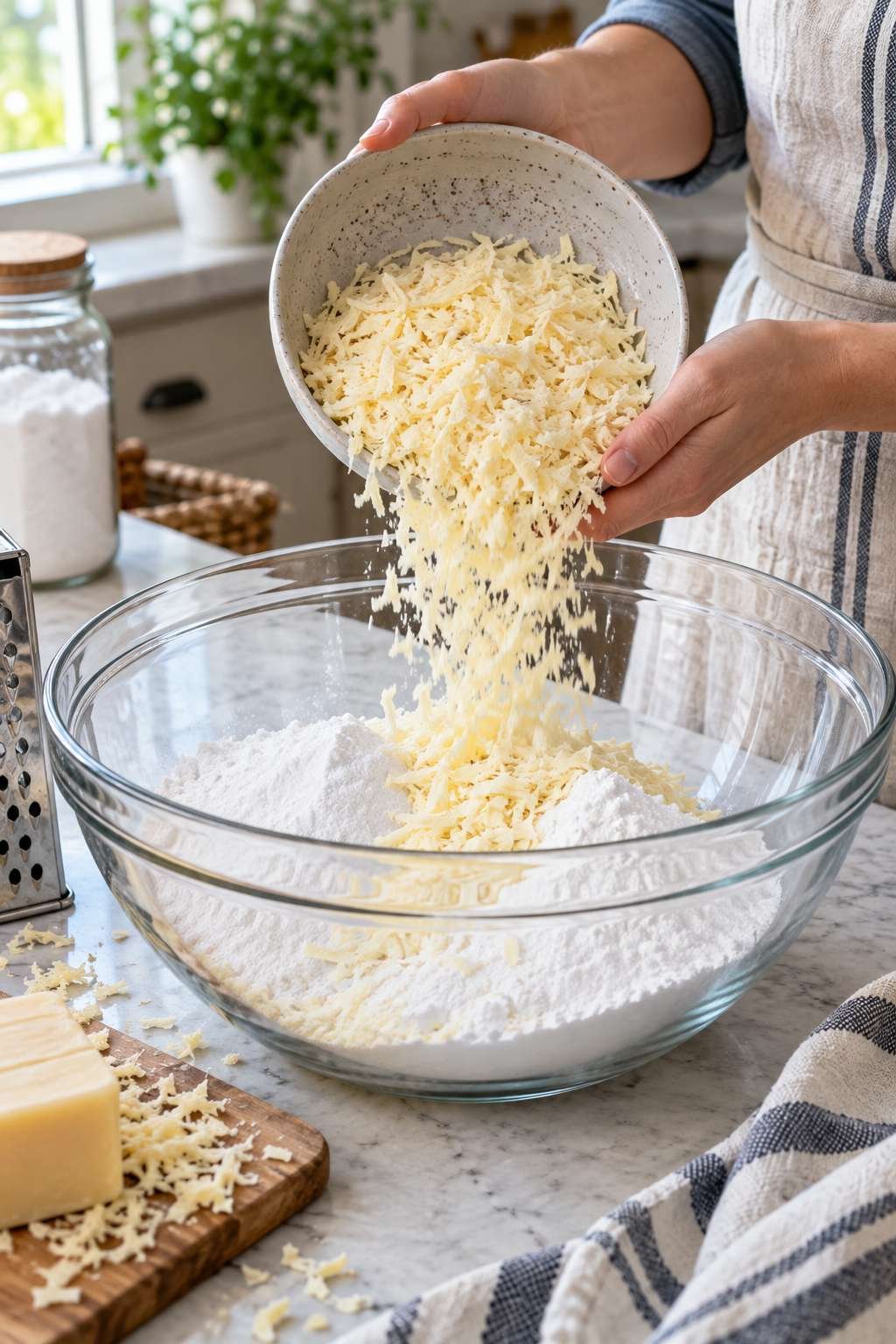
Store the finished powder in a sealed container, and use a tablespoon or two per load depending on size and soil level.
- Grate soap into fine, even shavings for faster mixing
- Combine equal parts washing soda, borax, and grated soap
- Mix until the texture looks uniform throughout
- Store in an airtight container to prevent moisture clumping
- Start with 1-2 tablespoons per load and adjust as needed
4. Liquid Detergent: A Slightly Longer Process
For those who prefer a pourable option, our companion guide How to Make Laundry Liquid walks through dissolving grated soap in hot water, then combining it with washing soda and borax before letting the mixture gel overnight.
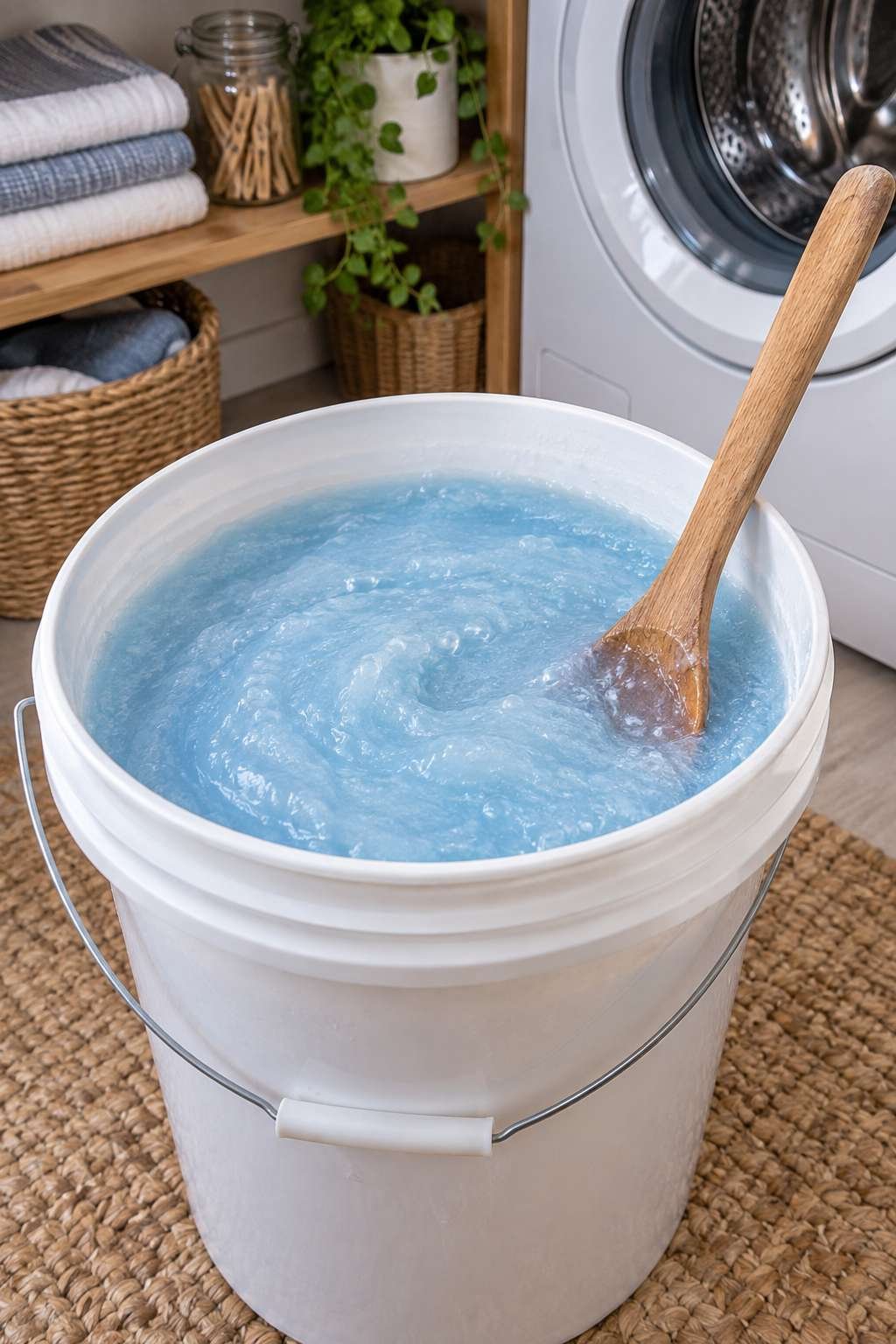
It takes more patience than the powder method but produces a texture closer to what most people are used to from store-bought detergent.
- Melt grated soap fully in hot water over low heat
- Stir in washing soda and borax until completely dissolved
- Let the mixture rest overnight to thicken into a gel
- Whisk before transferring to reusable bottles
- Shake well before each use since separation is normal
5. Getting a Complete At-Home Batch Right
Making detergent at home involves more than just mixing ingredients correctly — measuring, storage, and consistency all matter.
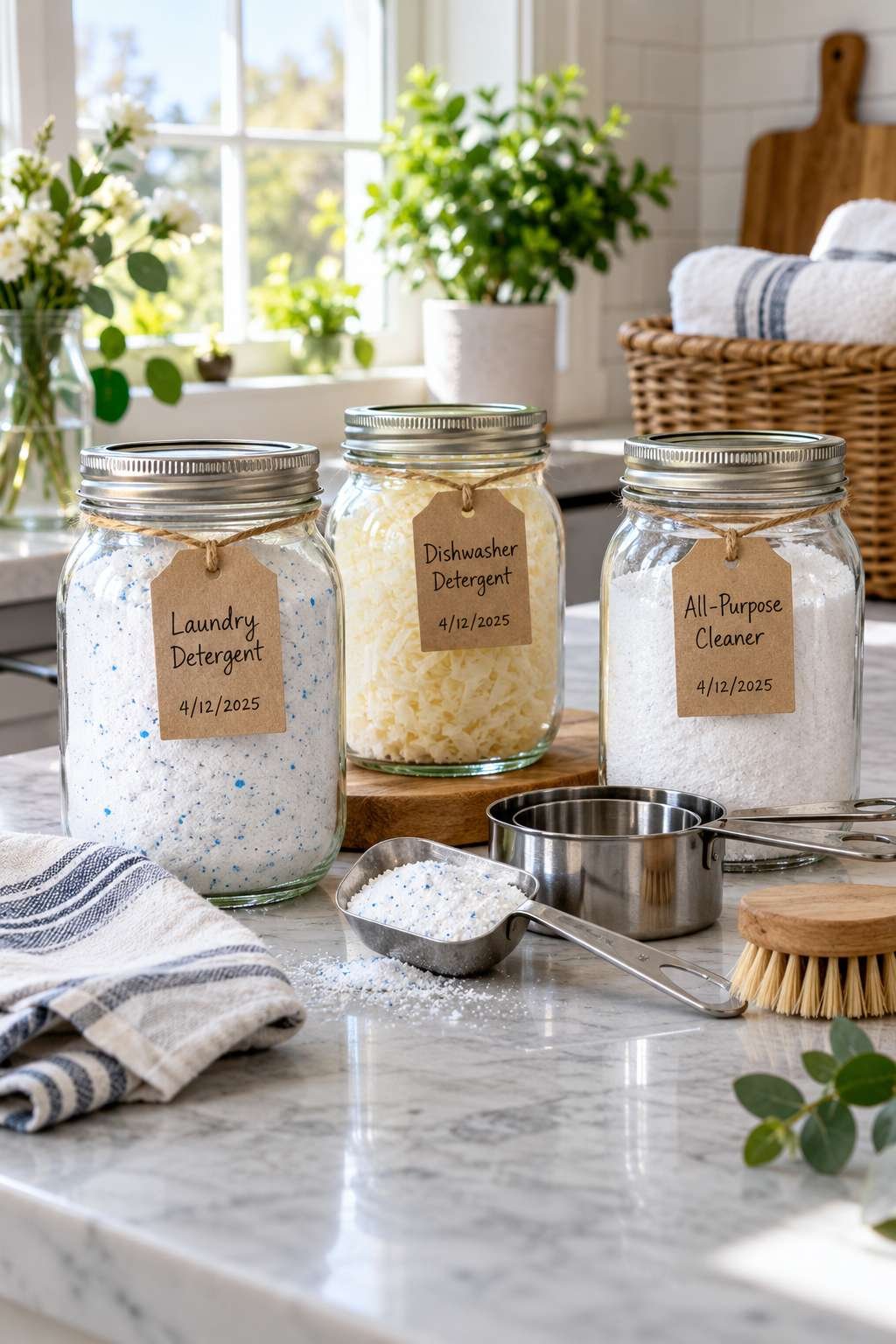
Our detailed walkthrough, How to Make Laundry Detergent at Home, covers exact measurements for larger batches, common troubleshooting issues, and tips for scaling the recipe up if you’re making detergent for a large household.
- Use consistent measuring tools for repeatable batches
- Scale the recipe up for larger households using the same ratios
- Watch for separation or clumping as signs to adjust the ratio
- Label containers with the batch date to track freshness
- Test a small batch first before committing to a large one
6. Choosing the Right Soap Bar for Your Detergent
The type of bar soap you choose significantly affects the final scent and cleaning strength. Fels-Naptha is a popular choice for stain-fighting power, while Castile soap offers a gentler, plant-based option for sensitive skin.
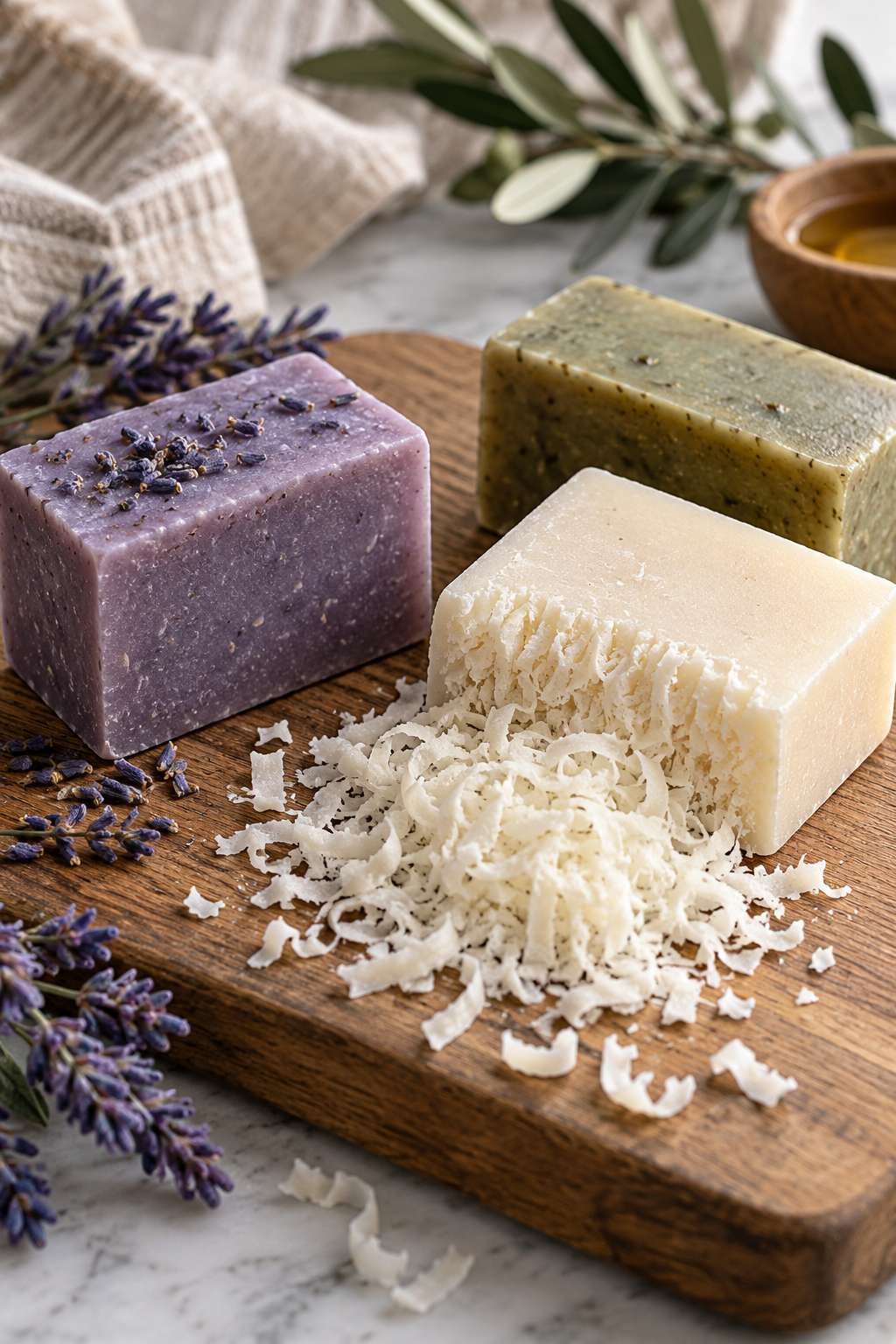
Unscented bars are generally recommended so you can control fragrance separately rather than fighting an existing scent.
- Choose Fels-Naptha for strong stain-fighting performance
- Pick Castile soap for a gentler, plant-based formula
- Stick to unscented bars to control fragrance independently
- Avoid heavily moisturizing bars with added oils or lotions
- Test a new soap bar in a small batch first
7. Adding Scent Without Sacrificing Cleaning Power
One common concern with homemade detergent is that it doesn’t leave clothes smelling as strong as commercial brands.
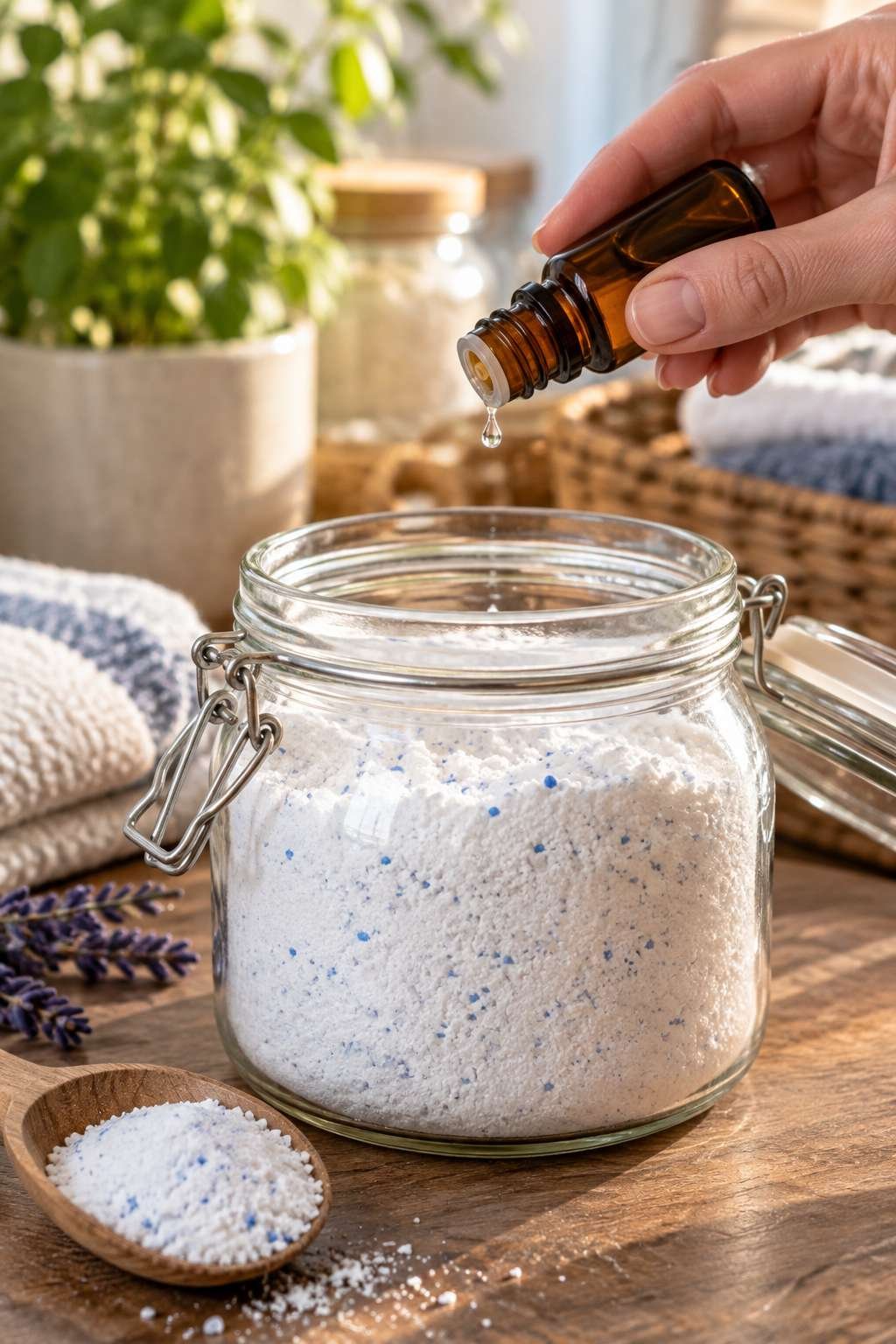
If that’s a priority for you, our guide How to Make Laundry Smell Good covers natural scent-boosting methods using essential oils and scent boosters that won’t interfere with the detergent’s cleaning ability.
- Add essential oils in small amounts after the base is mixed
- Try scent booster beads alongside your regular detergent
- Avoid adding oils directly to bar soap before grating
- Test scent strength on a small load first
- Layer scent with dryer sheets for a longer-lasting effect
8. Troubleshooting Common Detergent Problems
Even a simple recipe can run into hiccups. If your clothes come out with visible residue, the soap likely wasn’t grated finely enough or too much was used per load.
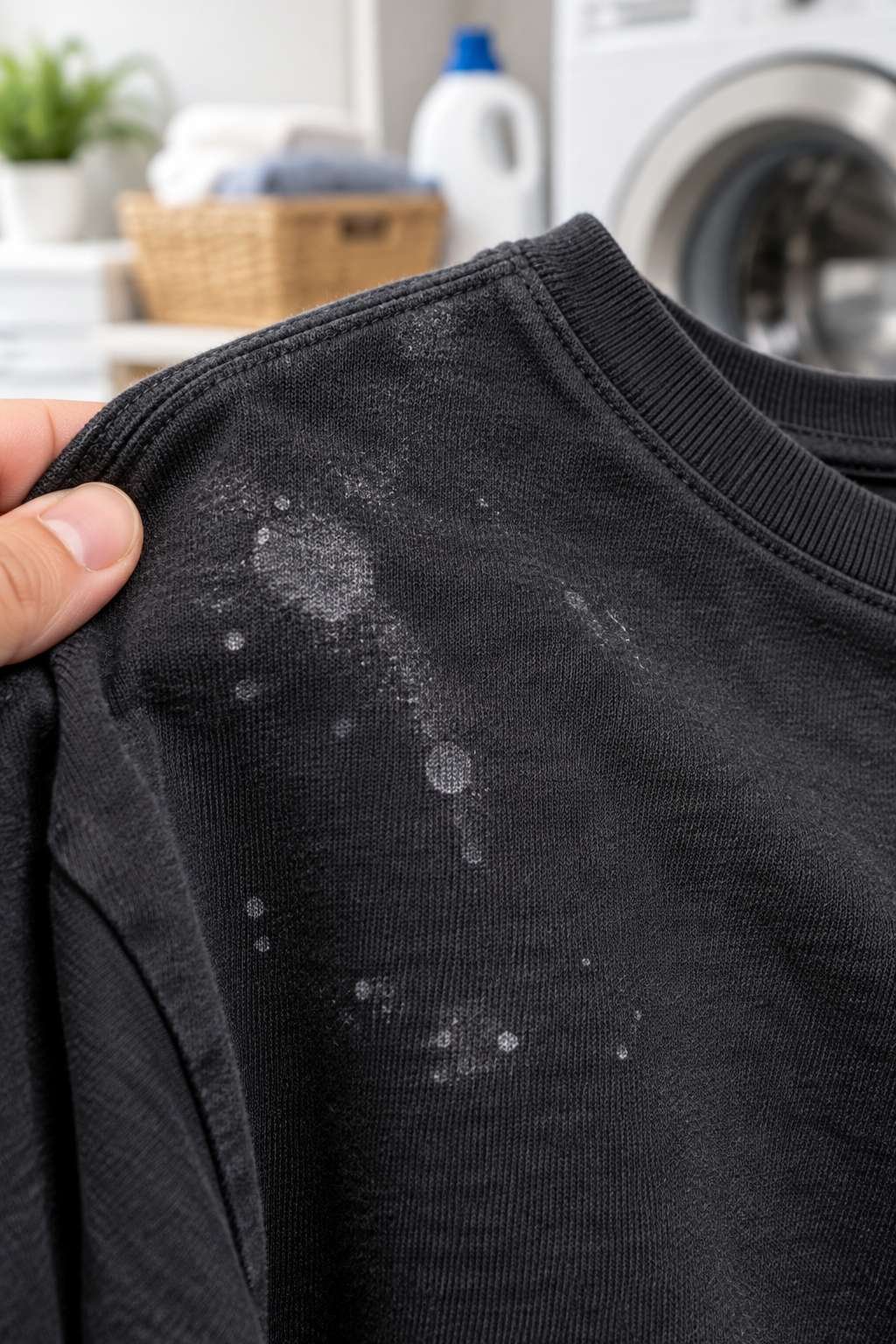
If the detergent isn’t cleaning effectively, hard water may be neutralizing the washing soda’s softening power, requiring an adjusted ratio or added water softener.
- Reduce detergent amount if residue appears on dark clothing
- Grate soap more finely if clumps show up in the wash
- Adjust ratios for hard water areas to restore cleaning power
- Add a water softener if issues persist across multiple batches
- Rewash affected items in warm water to clear leftover residue
9. Boosting Freshness for Long-Lasting Results
Beyond the wash itself, keeping laundry smelling fresh long after it’s dry is its own challenge.Our post How to Make Laundry Smell Great dives into storage habits, dryer additions, and closet tips that extend freshness well beyond laundry day, which pairs naturally with a homemade detergent routine.
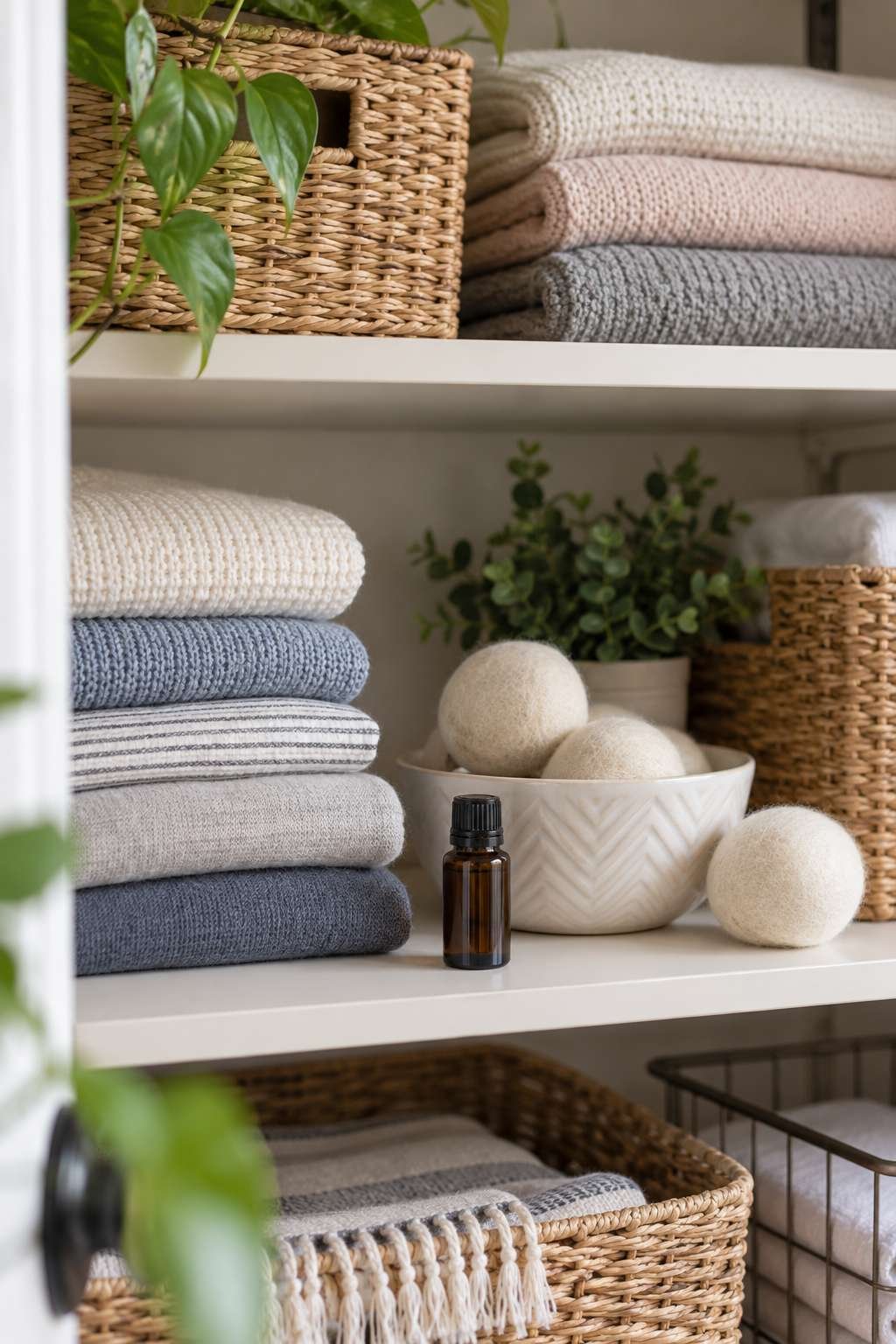
- Store folded laundry in a well-ventilated closet or drawer
- Add wool dryer balls with essential oils for lasting scent
- Avoid overpacking drawers, which can trap dampness and odor
- Refresh stored items occasionally with a quick air-out
- Pair scent boosters with your regular detergent routine
10. Making the Switch to Powder for Convenience
If liquid detergent feels like too much upkeep, switching to powder is often the easier long-term choice.
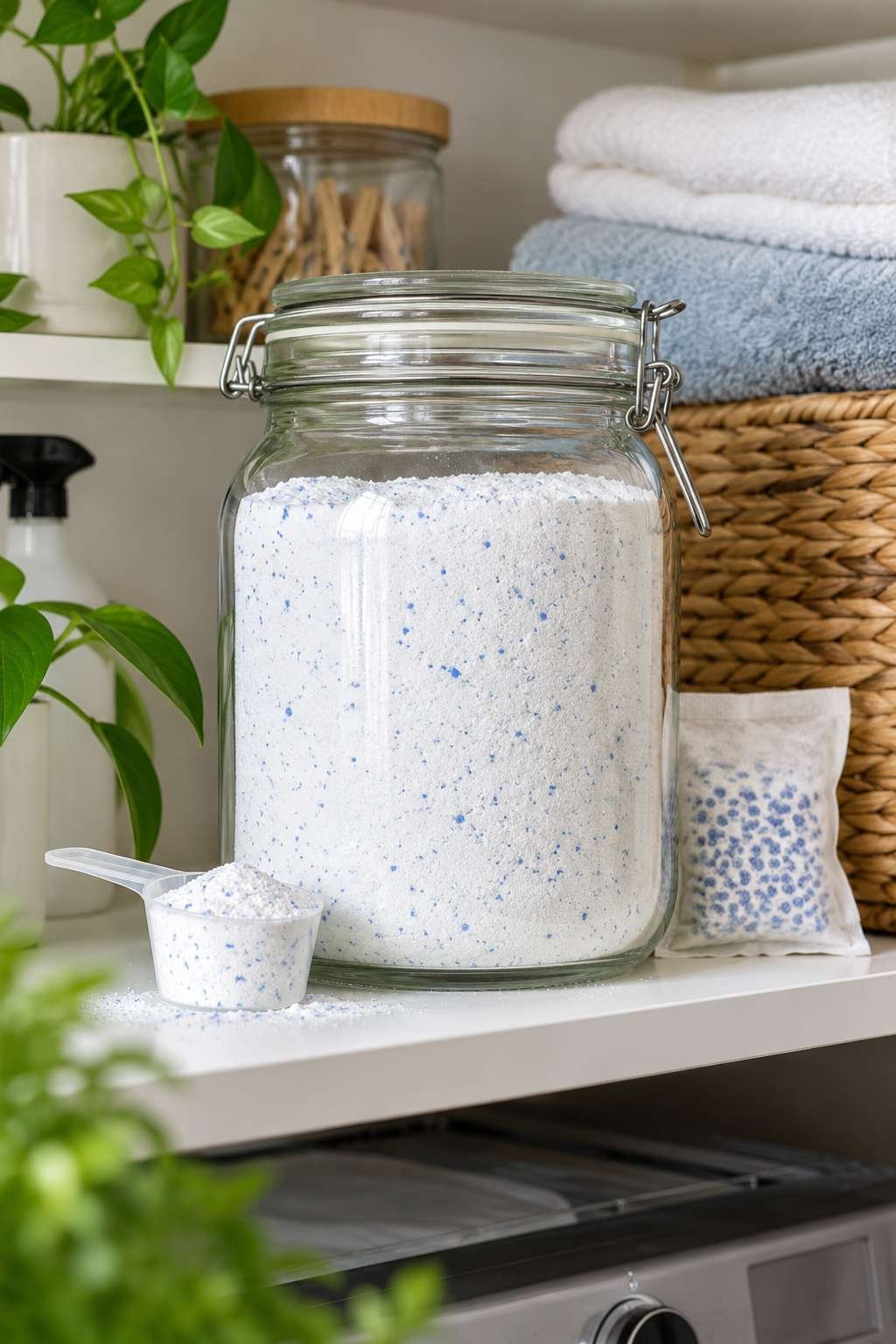
Our dedicated guide, How to Make Laundry Powder, breaks down storage tips, shelf life expectations, and how to keep powder from clumping in humid climates — useful information once you’ve settled into a regular homemade detergent routine.
- Store powder in a cool, dry location away from humidity
- Add a few grains of rice to the container to absorb moisture
- Check for clumping every few weeks in humid climates
- Keep a dedicated scoop to avoid inconsistent measuring
- Make smaller batches more often if storage space is limited
Conclusion
Once you understand the basic formula, how to make laundry detergent at home becomes a routine rather than a project. Whether you stick with powder for simplicity or move to liquid for a more familiar texture, the core combination of washing soda, borax, and grated soap stays the same. Start small, adjust based on your machine and water type, and you’ll likely find a homemade batch that outperforms your expectations.

