


Store-bought detergent isn’t the only option when you’re trying to cut costs or avoid harsh chemicals. Learning how to make your own laundry detergent is simpler than most people expect, and it only requires a handful of pantry-staple ingredients you can find at any grocery store. Once you know how to make my own laundry detergent using a basic ratio, you can adjust the recipe endlessly to fit your household’s needs.
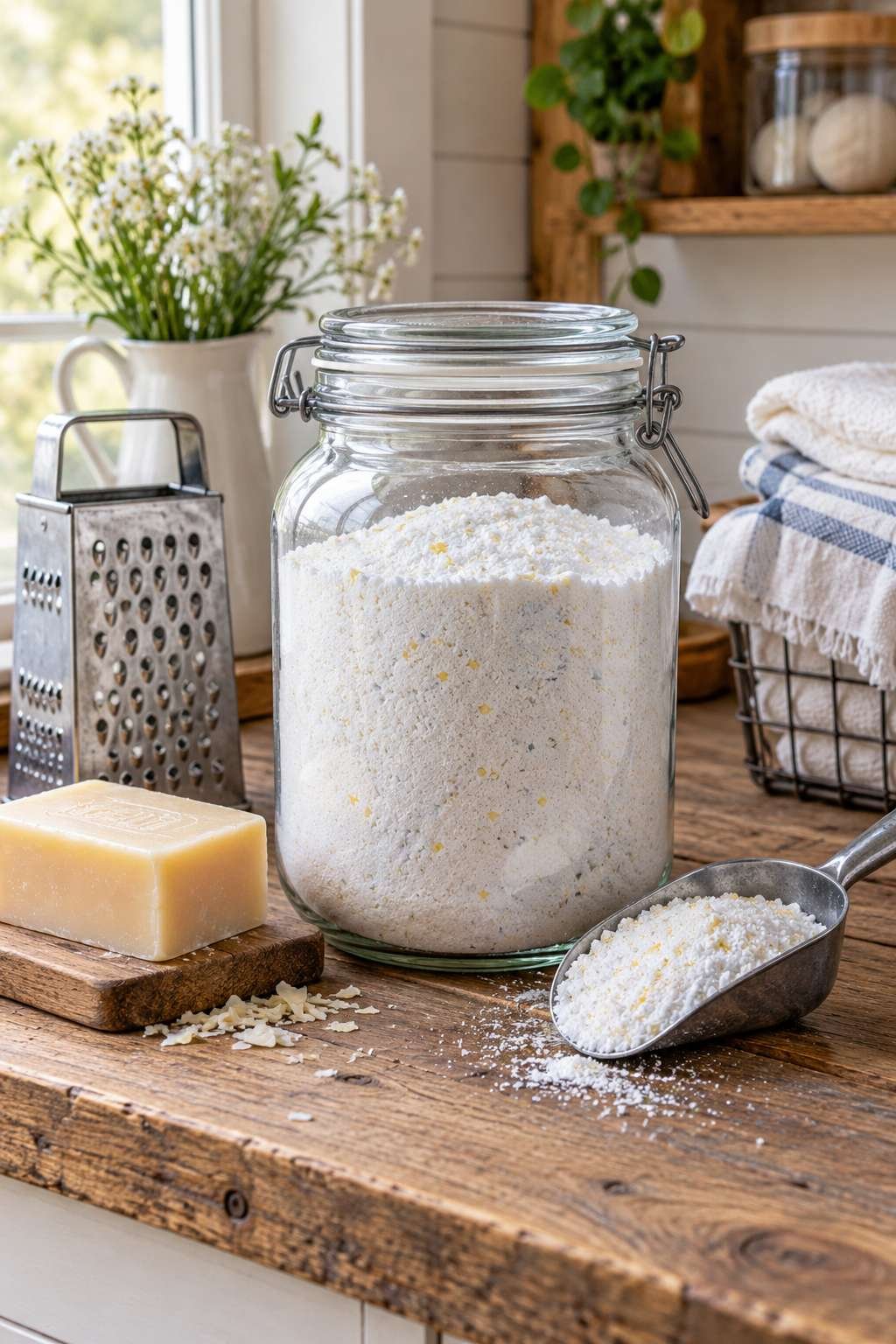
This guide covers everything from the core ingredients to storage, scenting, and troubleshooting common issues like clumping or reduced cleaning power. By the end, you’ll have a reliable homemade formula you can make again and again.
1. Understand Why People Make Their Own Detergent
Homemade detergent appeals to people for several reasons: cost savings, control over ingredients, and reduced packaging waste. A batch made at home often costs a fraction of the price per load compared to store-bought brands, especially when made in bulk.
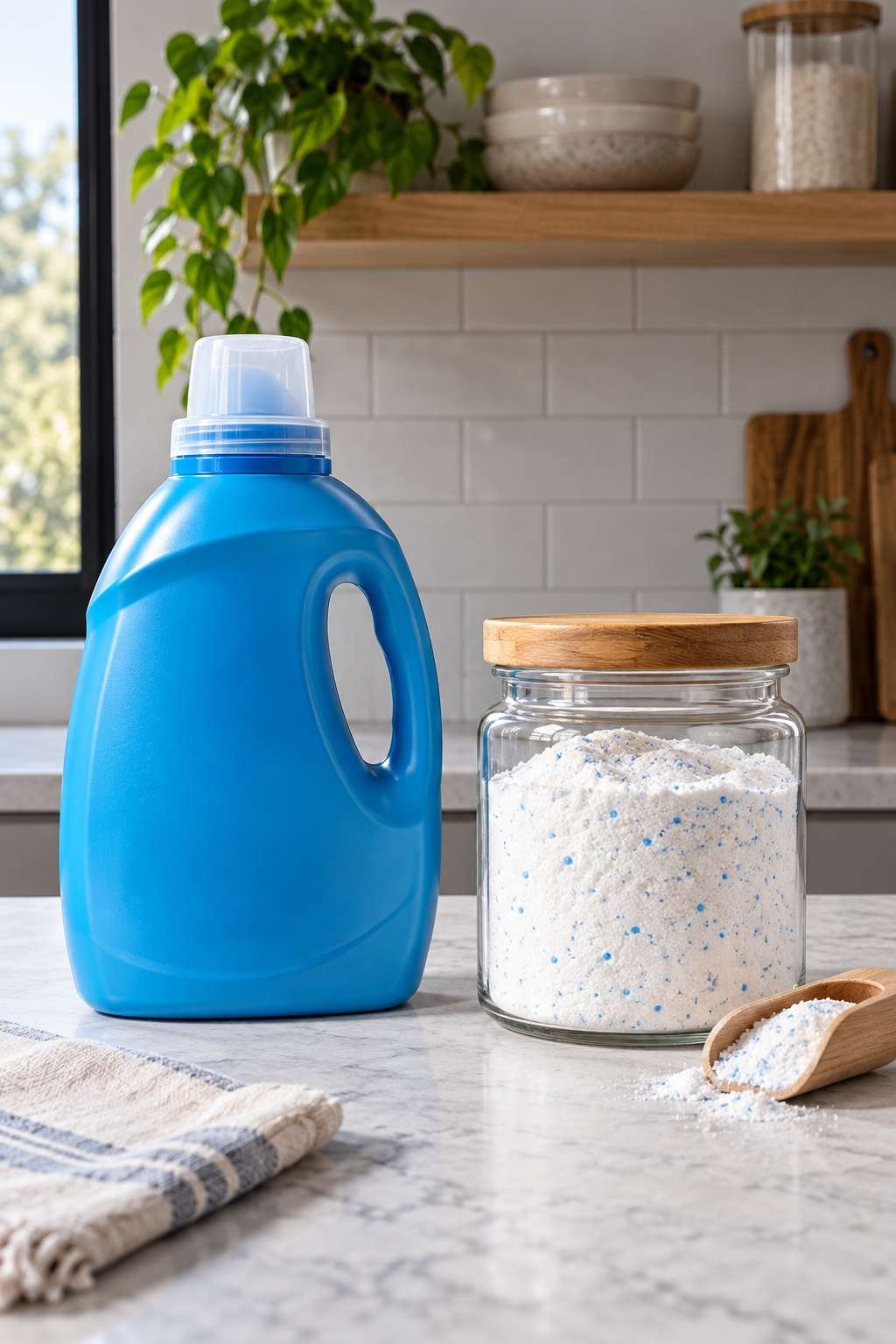
It also gives you full control over fragrance and additives, which matters for households with sensitive skin or fragrance allergies. Understanding your motivation for switching helps you decide which recipe variation — powder, liquid, or pods — best fits your routine.
- Compare your current detergent’s cost per load first
- Consider any skin sensitivities in your household
- Decide if you prefer powder, liquid, or single-dose pods
- Think about how much closet or cabinet storage you have
- Factor in whether you have hard or soft water at home
- Set a realistic expectation for cleaning power versus commercial brands
2. Gather the Core Ingredients
Most homemade detergent recipes rely on three base ingredients: washing soda, borax, and a bar of grated soap. Washing soda boosts cleaning power and softens water, borax helps lift stains and deodorize, and the soap provides the actual cleaning agent.
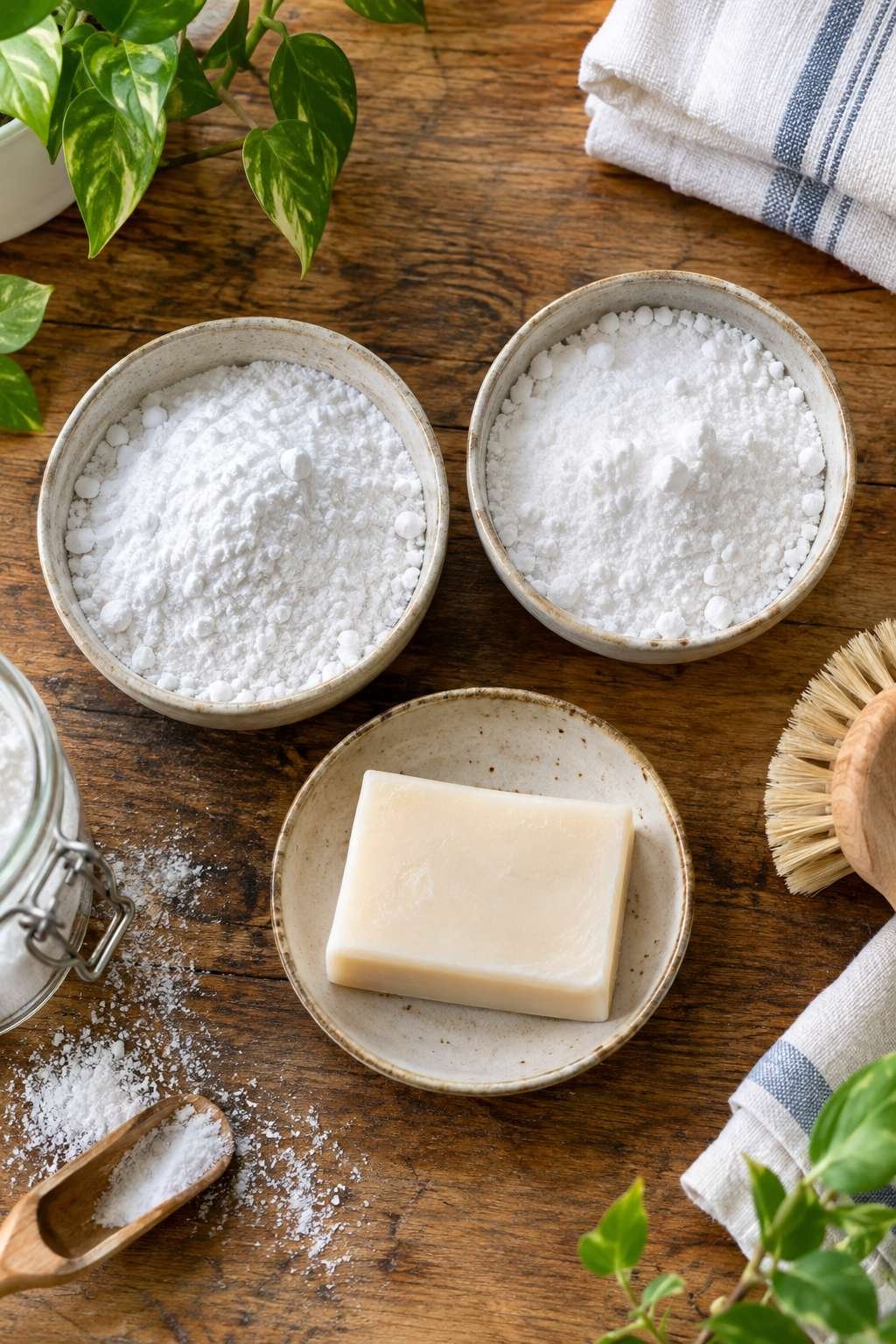
These ingredients are widely available in the laundry aisle of most grocery or hardware stores. Buying them in bulk keeps the cost per batch low, especially if you plan to make detergent regularly going forward.
- Buy washing soda, not baking soda, as they are different products
- Choose a pure, unscented bar soap for grating
- Purchase borax from the laundry or cleaning aisle
- Consider Fels-Naptha or Castile soap as grating options
- Buy a box grater dedicated to soap to avoid cross-contamination
- Store extra ingredients in a cool, dry cabinet
3. Choose Between Powder and Liquid Formulas
Powder detergent is generally easier to make and store, since it doesn’t require boiling or cooling time. Liquid detergent takes a bit more effort, involving dissolving the soap in hot water before combining it with the other ingredients.
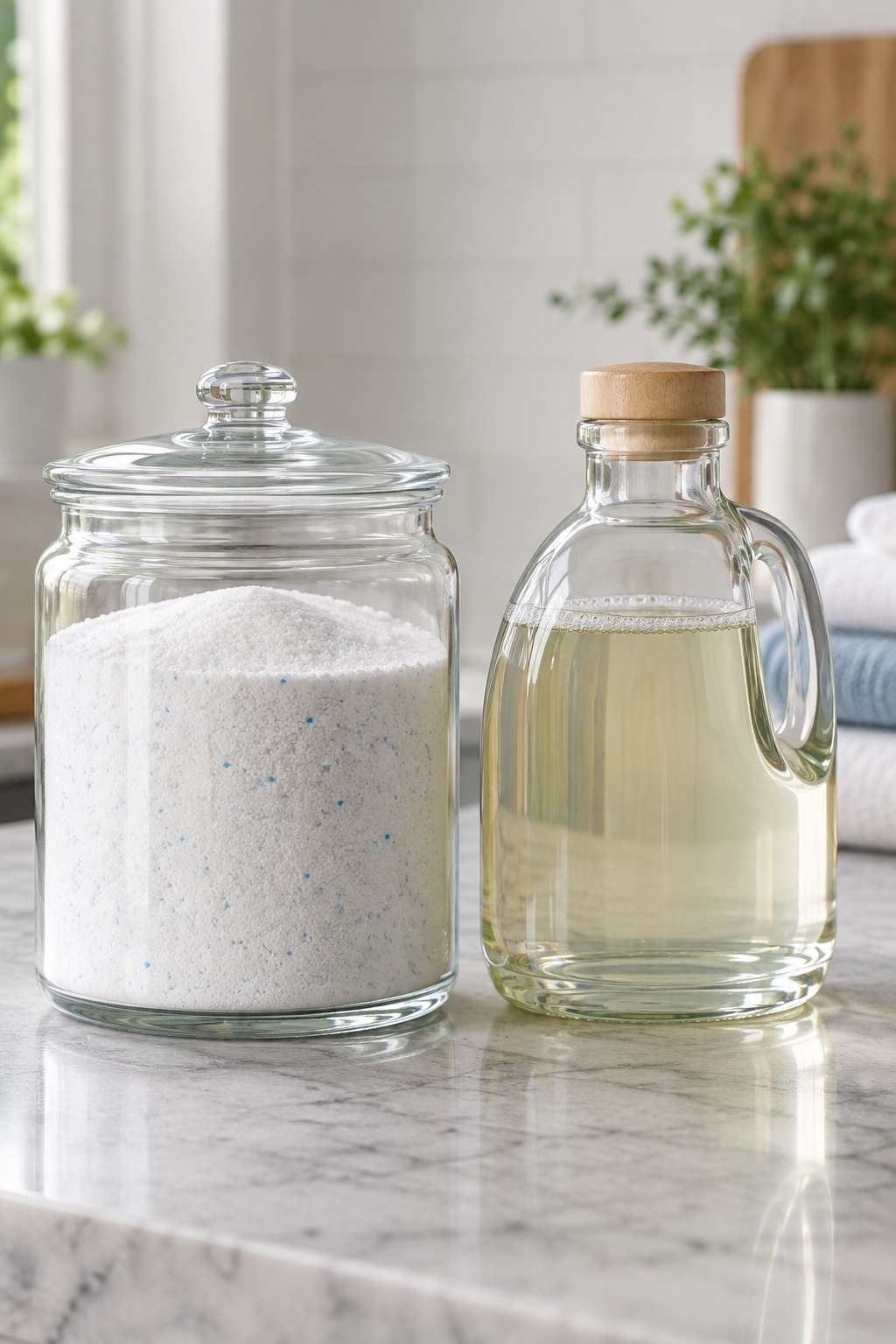
Both versions clean effectively, so the choice mostly comes down to personal preference and storage space. Powder stores in a simple sealed container, while liquid needs a larger jug and occasional shaking since it can separate over time.
- Choose powder for the simplest, fastest recipe
- Choose liquid if you prefer detergent that dissolves instantly
- Consider your washing machine type when deciding
- Note that liquid detergent may need occasional shaking
- Powder works well for both top-load and front-load machines
- Test a small batch of each before committing to one method
4. Grate and Measure the Soap
Start by grating your bar soap using a standard box grater, aiming for fine, even shreds that dissolve easily. Coarser pieces take longer to break down in the wash and can leave visible residue on dark clothing.
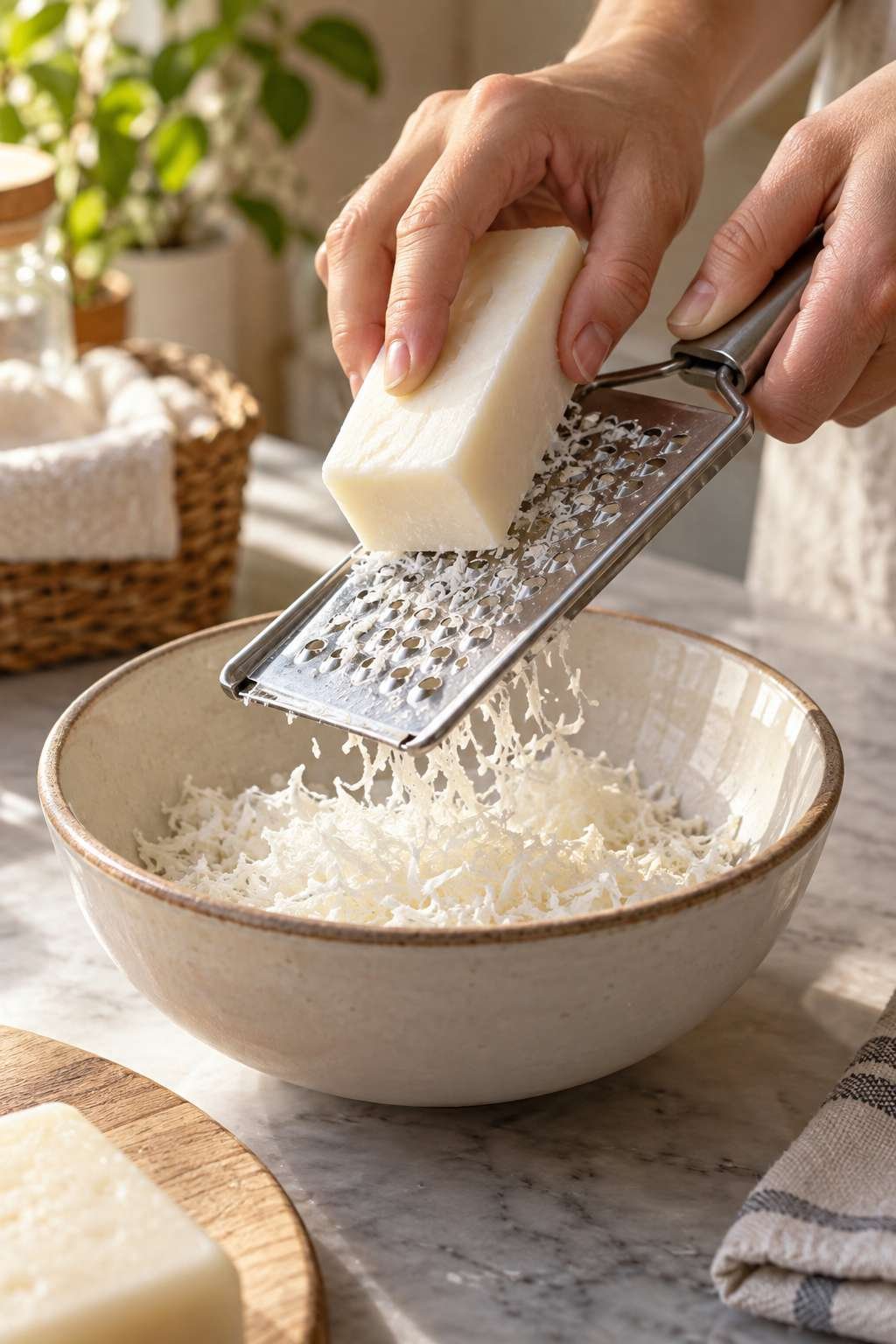
Measure the grated soap carefully according to your chosen recipe ratio, since too much soap relative to washing soda and borax can cause excess sudsing in high-efficiency machines. A kitchen scale helps keep measurements consistent between batches.
- Grate soap finely for faster dissolving in the wash
- Use a dedicated grater to avoid mixing with food prep tools
- Measure grated soap by weight for consistent batches
- Store extra grated soap in an airtight container if not using immediately
- Avoid over-grating, which can create clumps when mixed
- Double-check your recipe’s soap-to-powder ratio before combining
5. Mix the Dry Ingredients Thoroughly
Combine the grated soap, washing soda, and borax in a large mixing bowl or bucket, stirring thoroughly to distribute everything evenly. Uneven mixing is one of the most common reasons homemade powder detergent underperforms, since pockets of one ingredient won’t clean as effectively alone.
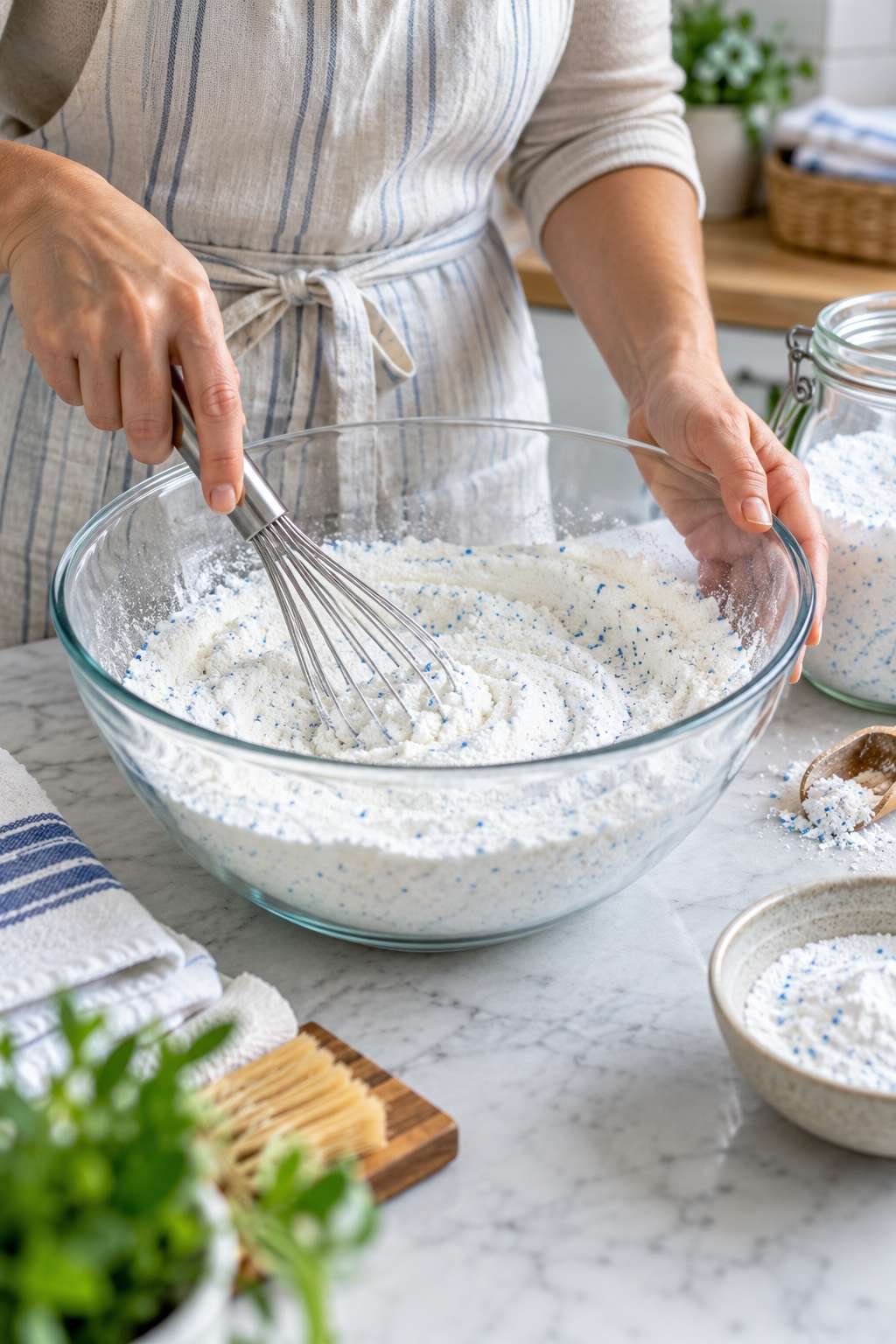
Break up any soap clumps with your hands or a whisk as you mix. This step takes a few extra minutes but makes a noticeable difference in how consistently the detergent performs across different loads.
- Use a large bowl or bucket with room to stir freely
- Break apart soap clumps as you combine ingredients
- Stir for several minutes to ensure even distribution
- Use gloves if you have sensitive skin during mixing
- Work in a well-ventilated area to avoid inhaling fine powder
- Store the mixed powder in an airtight container immediately after
6. Add Optional Boosters and Scents
Once your base recipe is mixed, you can customize it with optional additions like oxygen bleach powder for extra stain-fighting power or a few drops of essential oil for scent. These additions aren’t required but can improve performance for heavily soiled loads.
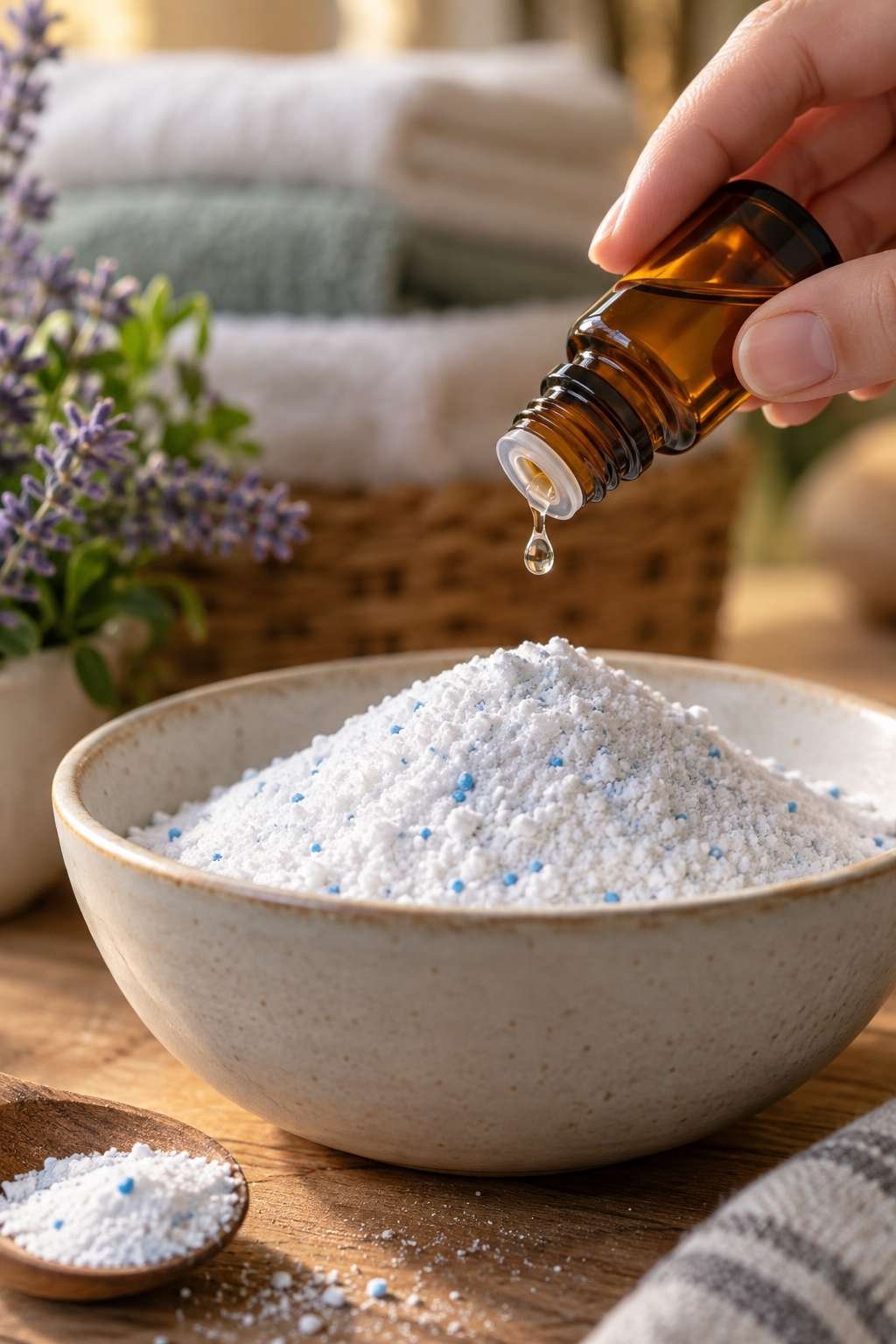
Keep scent additions minimal, since essential oils are concentrated and a little goes a long way. Unscented is always a safe default if anyone in your household has fragrance sensitivities.
- Add oxygen bleach powder for extra whitening and stain removal
- Use essential oils sparingly, a few drops per batch
- Skip fragrance entirely for sensitive skin households
- Consider citric acid for hard water areas
- Avoid mixing in ingredients not tested with your base recipe
- Label any customized batches so you remember the recipe used
7. Store Your Homemade Detergent Properly
Proper storage keeps your detergent effective and prevents moisture from causing clumps or mold growth. Use an airtight container with a wide opening for easy scooping, and store it somewhere dry, away from direct sunlight or humidity.
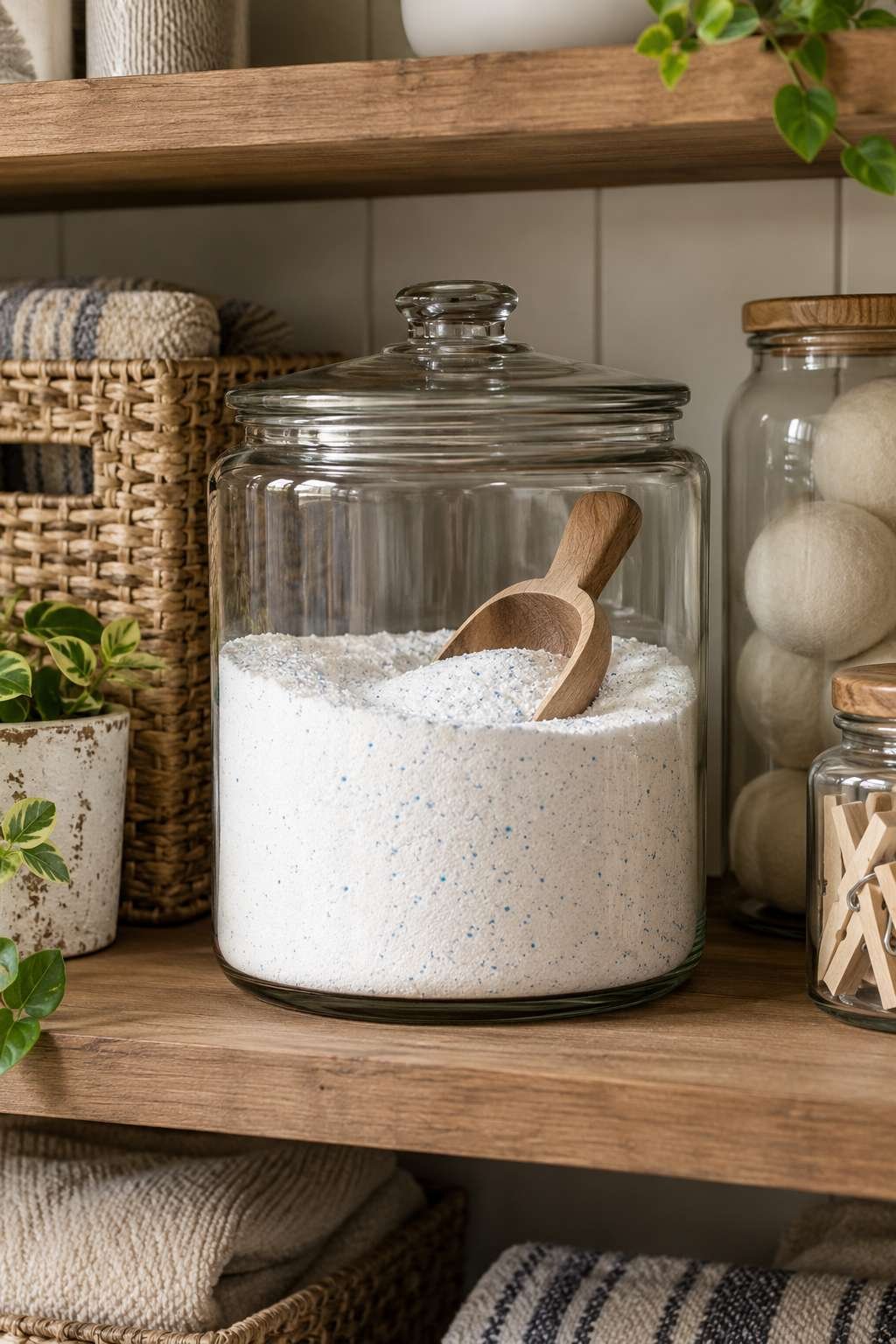
Liquid versions should be stored in a sealed jug and given a quick shake before each use, since separation is normal and doesn’t affect cleaning performance. Label the container with the recipe and date so you can track freshness over time.
- Use a wide-mouth airtight container for powder detergent
- Store liquid detergent in a sealed, shakeable jug
- Keep containers away from humidity and direct sunlight
- Label containers with the recipe name and mixing date
- Store a small scoop directly inside the powder container
- Discard and remake batches that develop an off smell
8. Use the Right Amount Per Load
Homemade detergent typically requires a different dose than commercial products, so start with about one to two tablespoons of powder per load and adjust based on results. Using too much can leave residue, especially in high-efficiency machines designed for low-sudsing formulas.
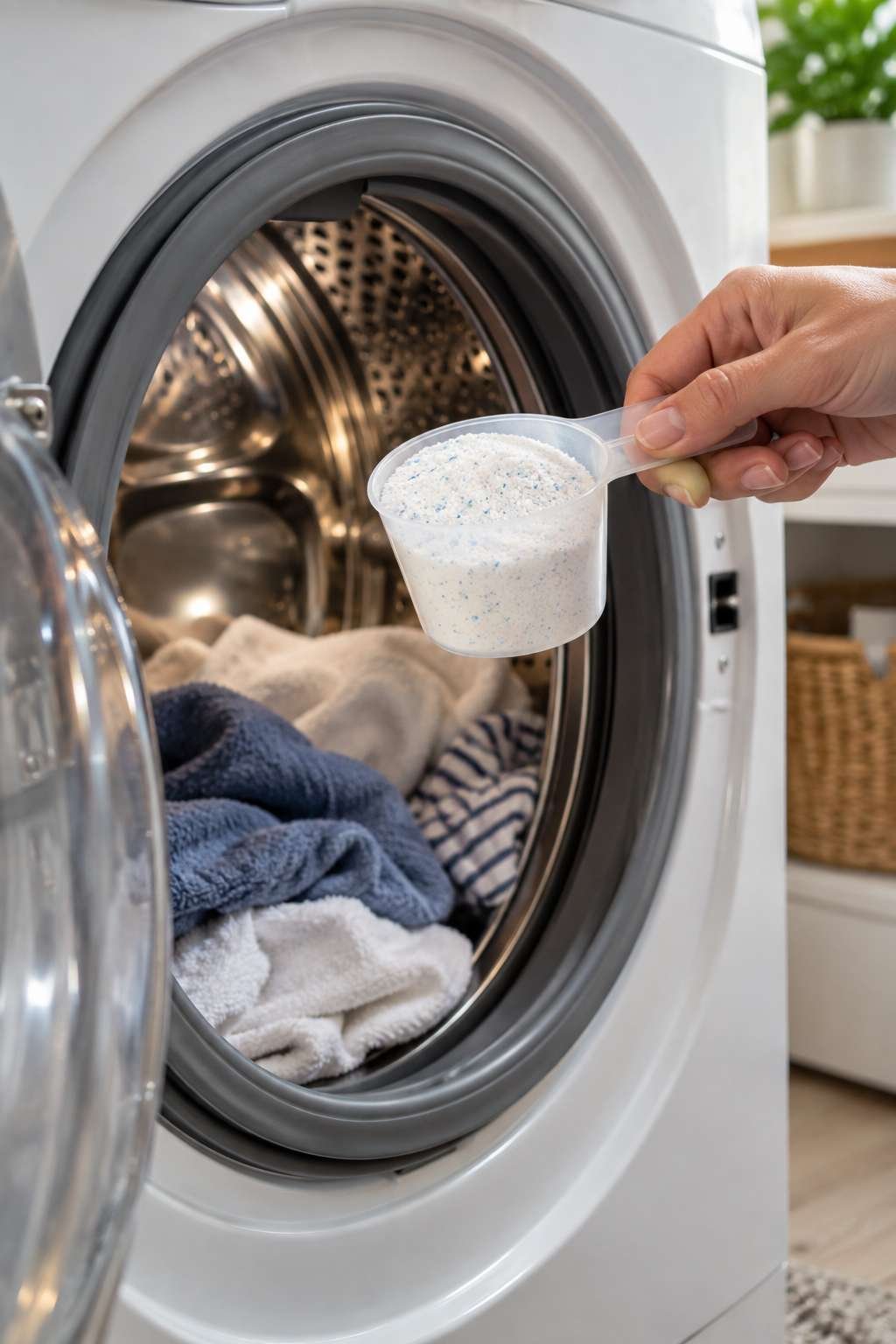
Pay attention to load size and soil level when adjusting your dose. Heavily soiled loads may need slightly more, while lightly worn clothes often clean well with less than you’d expect.
- Start with one to two tablespoons per standard load
- Increase slightly for heavily soiled or large loads
- Reduce the amount for high-efficiency front-load machines
- Watch for residue on dark clothing as a sign of overdosing
- Adjust liquid detergent dose similarly, starting small
- Keep a small measuring scoop dedicated to your detergent
9. Troubleshoot Common Issues
If you notice clothes coming out less clean than expected, check whether your water is particularly hard, since hard water reduces the effectiveness of homemade formulas more than commercial ones. Adding extra washing soda or a water softener can help.
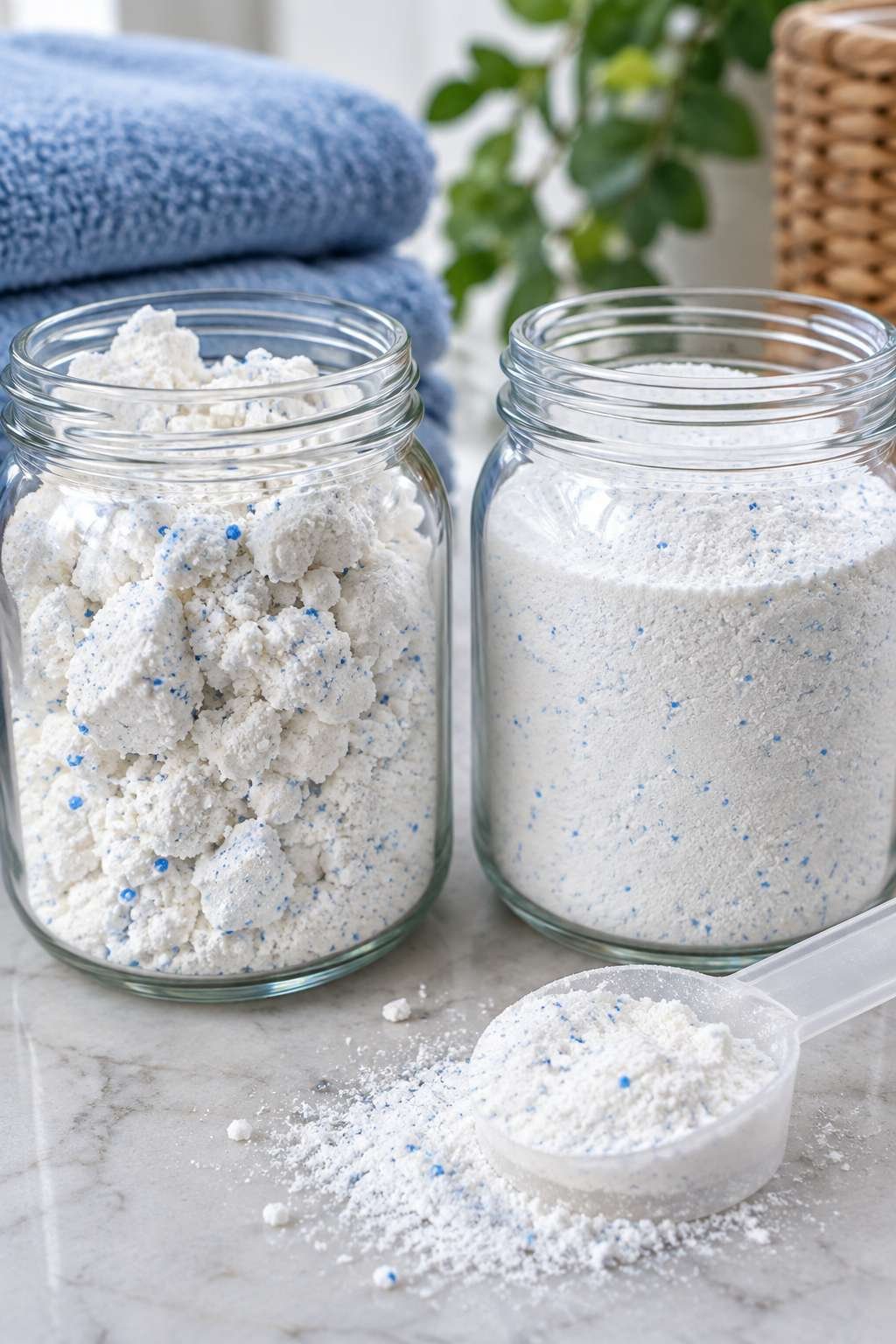
Clumping in powder detergent usually points to humidity exposure, so double-check your storage container’s seal. If liquid detergent separates heavily or develops a strange smell, it’s often a sign the batch needs to be remade fresh rather than salvaged.
- Add extra washing soda if you have hard water
- Switch to an airtight container if powder keeps clumping
- Remake liquid batches that develop an odd smell
- Increase soap ratio slightly if stains aren’t lifting
- Try a warmer wash temperature for stubborn stains
- Keep notes on adjustments so you can refine your recipe over time
10. Compare Homemade Detergent to Other DIY Laundry Projects
Once you’re comfortable making your own detergent, you may find yourself experimenting with other homemade laundry projects using similar base ingredients. For a full ingredient breakdown and step-by-step ratios, our dedicated guide to making homemade laundry detergent from scratch covers additional recipe variations worth trying.
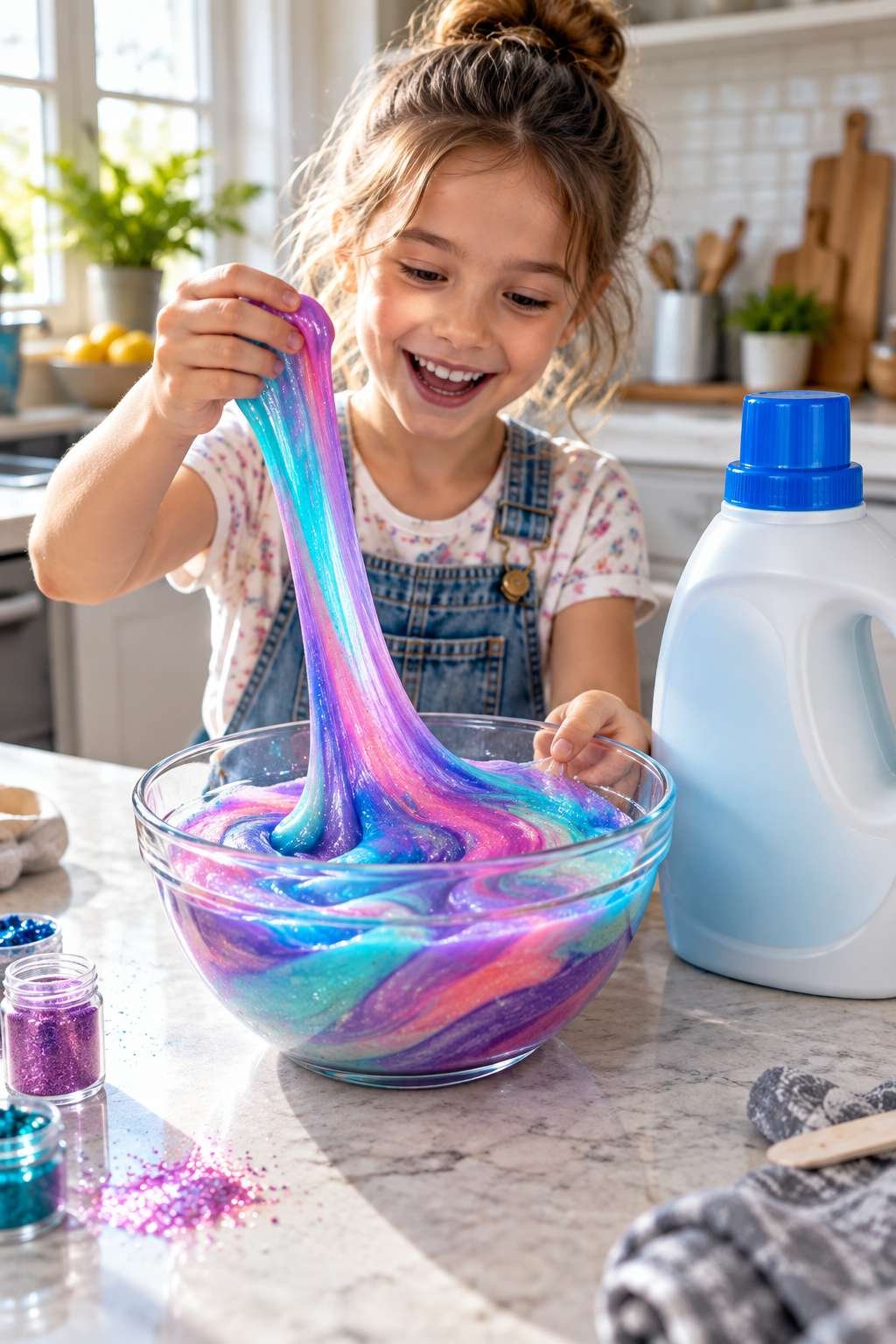
Interestingly, some of the same detergent you make can double as a craft material. If you have kids at home, making slime with laundry detergent is a popular weekend project, and there’s a similar approach for making slime using laundry detergent with slightly different ratios depending on the consistency you want. For an alternative method entirely, some people prefer making slime with laundry liquid instead of powder, which produces a different texture worth trying if the first method doesn’t turn out as expected.
- Keep a batch of detergent set aside if you plan to try slime recipes
- Use a separate, clearly labeled portion for craft projects
- Compare powder versus liquid results if experimenting with both
- Involve kids safely in age-appropriate mixing steps
- Keep any craft-purposed detergent separate from your laundry supply
- Note which ratios worked best for future reference
Making your own laundry detergent is a straightforward way to save money, reduce waste, and control exactly what touches your family’s clothes. Once you’ve mixed your first batch and dialed in the right dose for your machine, the process becomes second nature. Don’t be afraid to experiment with scents, boosters, and ratios until you land on a formula that works perfectly for your household.
With a little practice, homemade detergent can become a permanent, cost-effective part of your laundry routine.

