


A beautifully staged dining room table can transform an ordinary meal into something that feels genuinely special. Whether preparing for everyday family dinners or an elegant dinner party, thoughtful table styling elevates the entire dining experience. The right combination of elements creates a space that feels both welcoming and intentional.
From casual weeknight settings to formal holiday gatherings, staging techniques vary depending on the occasion and your personal style. Some hosts prefer a minimalist, understated look, while others embrace layered, abundant centerpieces bursting with color. This guide walks through proven strategies for creating a table setting that looks polished for any occasion.
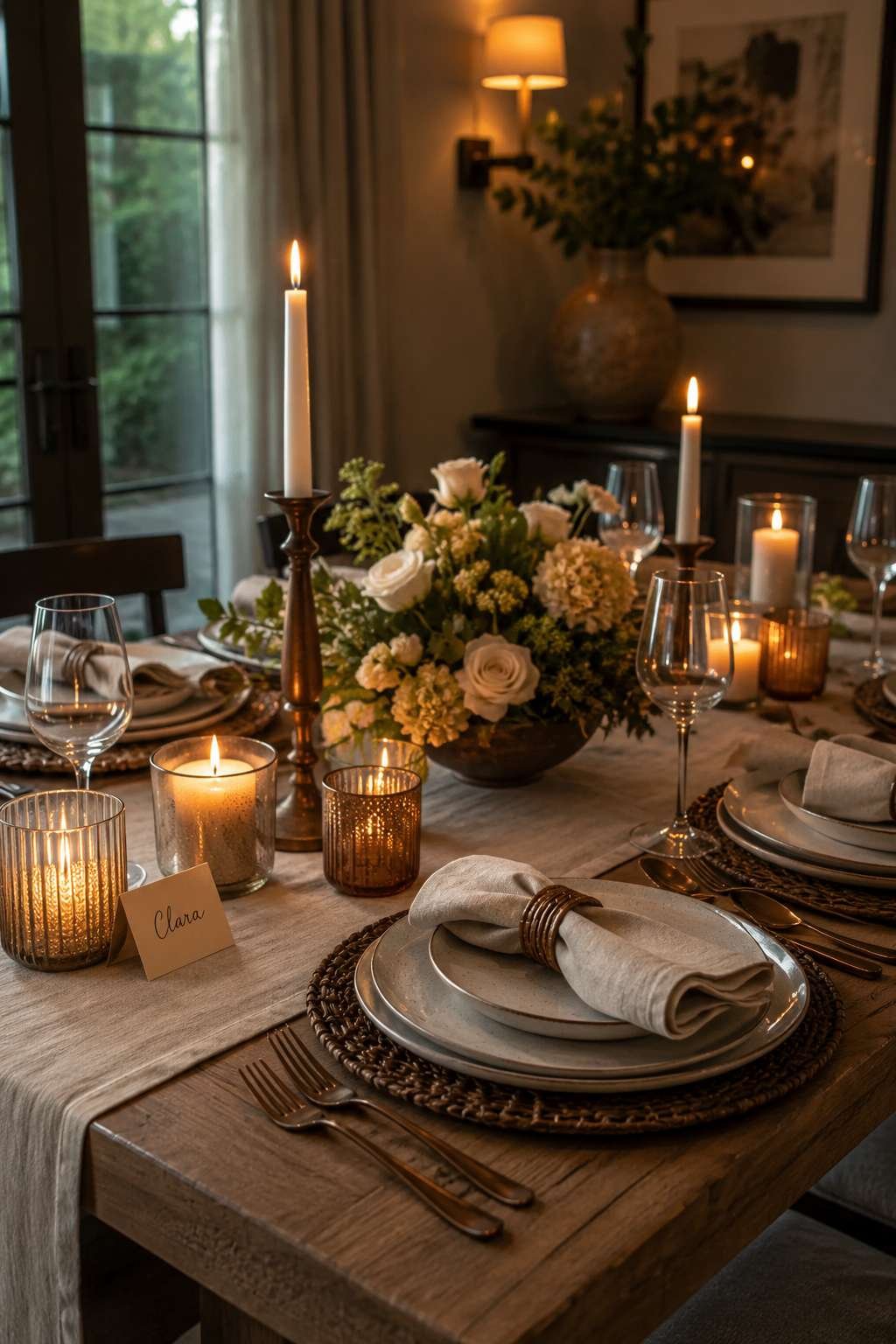
1. Start With a Foundation Layer
Every well-staged table begins with a foundational layer that sets the tone for everything built on top. A tablecloth, table runner, or placemats establishes texture and color before any dishware is added. This base layer protects the table surface while also anchoring the overall design aesthetic.
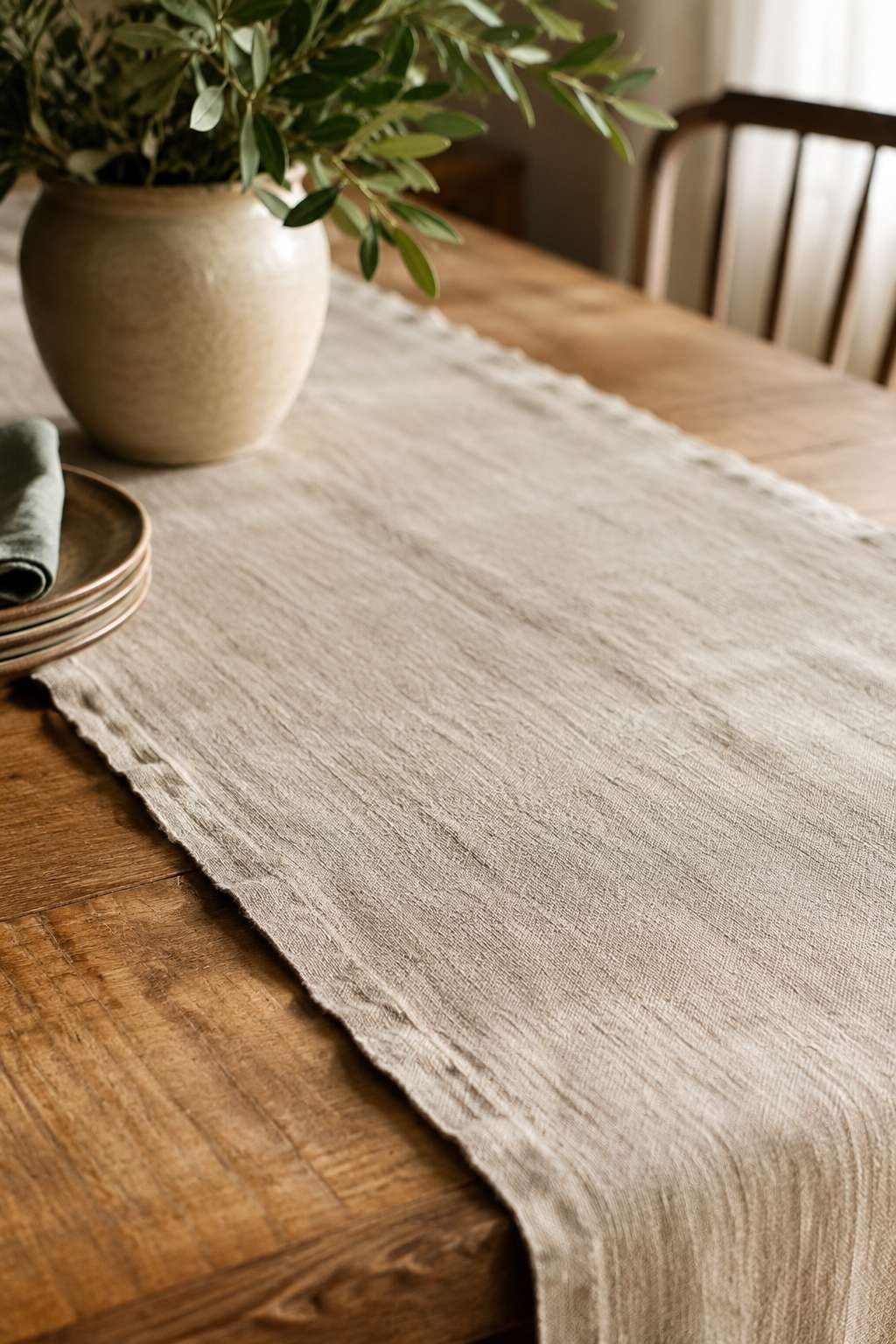
Choose your foundation based on the occasion’s formality, with linen tablecloths suiting elegant dinners and woven placemats fitting casual meals. Layering a runner over a bare wood table creates dimension without fully covering the natural material. This first decision shapes every styling choice that follows.
- Choose linen for formal, elegant occasions
- Use woven placemats for casual everyday meals
- Layer a table runner over bare wood surfaces
- Match foundation colors to your overall room palette
2. Build a Centerpiece With Height Variation
A successful centerpiece anchors the entire table while remaining low enough for comfortable conversation across the table. Fresh flowers, a collection of candles, or a grouped arrangement of small vases all work well as focal points. Varying the height within your centerpiece prevents it from looking flat or one-dimensional.
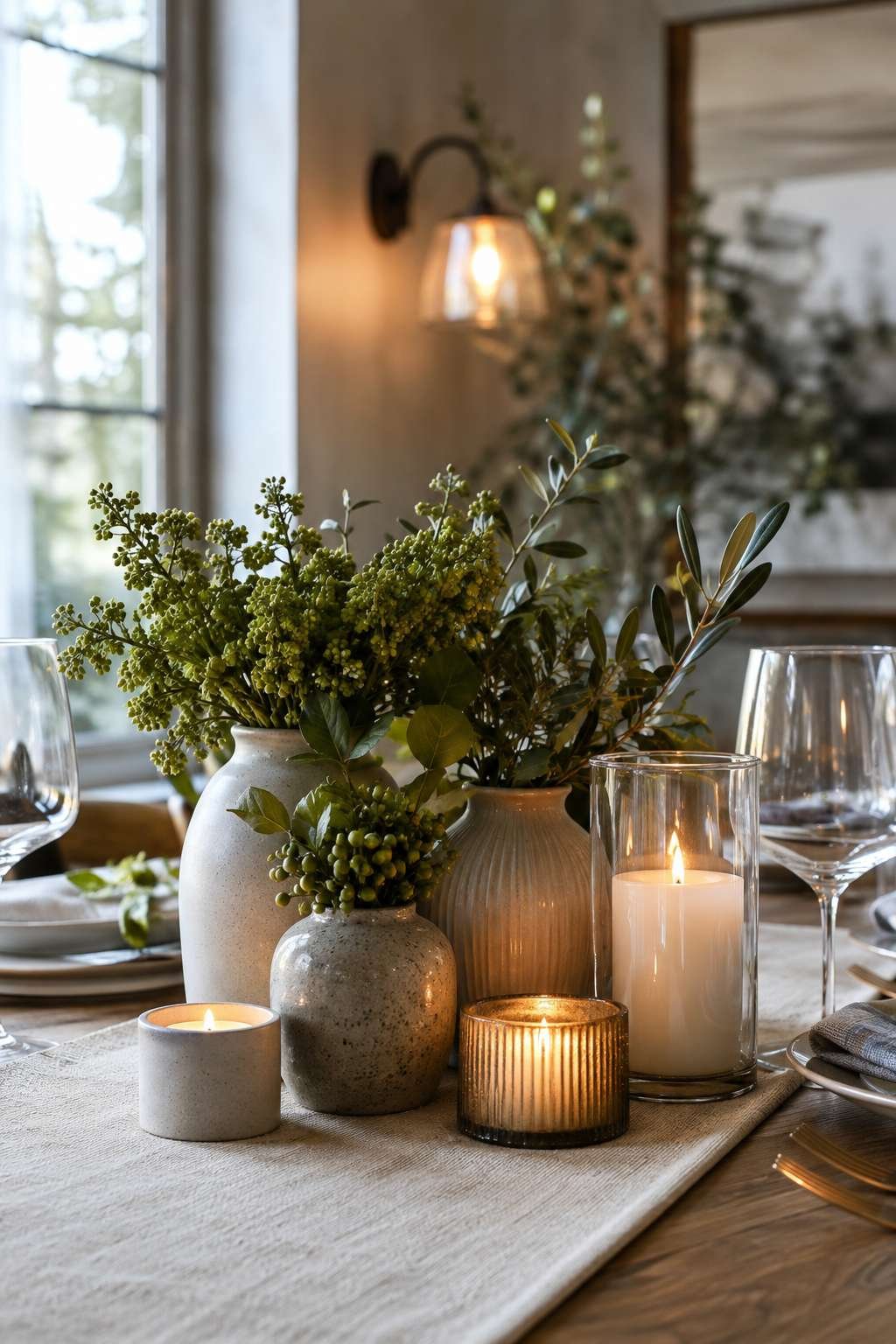
Keep centerpiece height below eye level when seated, generally no taller than 14 inches for functional dining. Wide, low arrangements often work better than tall ones for tables meant for actual conversation and eating. This balance between beauty and function is essential for a truly usable table setting. Our dining room dimensions is worth checking before you finalize the sizing.
- Keep centerpieces under 14 inches tall
- Choose low, wide arrangements for functional dining. See our dining table decor ideas for more direction in this style.
- Mix candle heights for visual interest
- Use fresh greenery for natural texture
3. Layer Dishware With Intention
Layered place settings add sophistication and visual depth to any staged table. Start with a charger plate, then add the dinner plate, followed by a smaller salad or bread plate if desired. This layering technique works for both formal dinners and slightly elevated everyday meals.
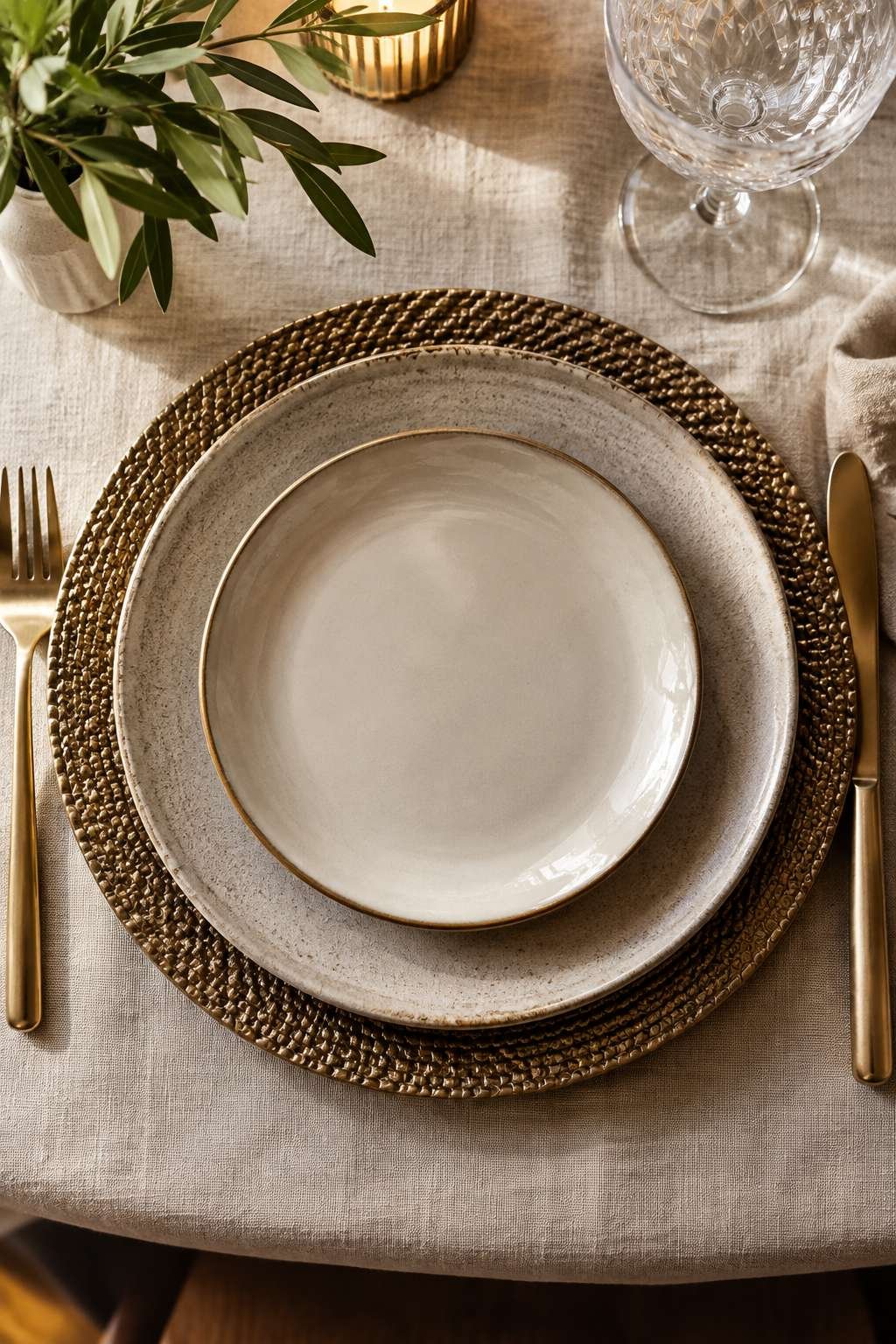
Mix textures and finishes within your dishware for added interest, such as matte stoneware paired with glossy accent plates. Consistency in color palette matters more than matching every single piece exactly. This intentional layering creates a table that feels curated rather than mismatched.
- Use charger plates as a foundational layer
- Mix matte and glossy dishware finishes
- Keep a consistent color palette across pieces
- Add a bread or salad plate for formal settings
4. Fold and Place Napkins Thoughtfully
Napkin presentation is a small detail that makes a noticeable difference in overall table polish. A simple fold placed on top of the dinner plate looks clean and modern, while a napkin ring adds a touch of elegance. Choosing linen or cotton napkins over paper instantly elevates the table’s perceived formality.
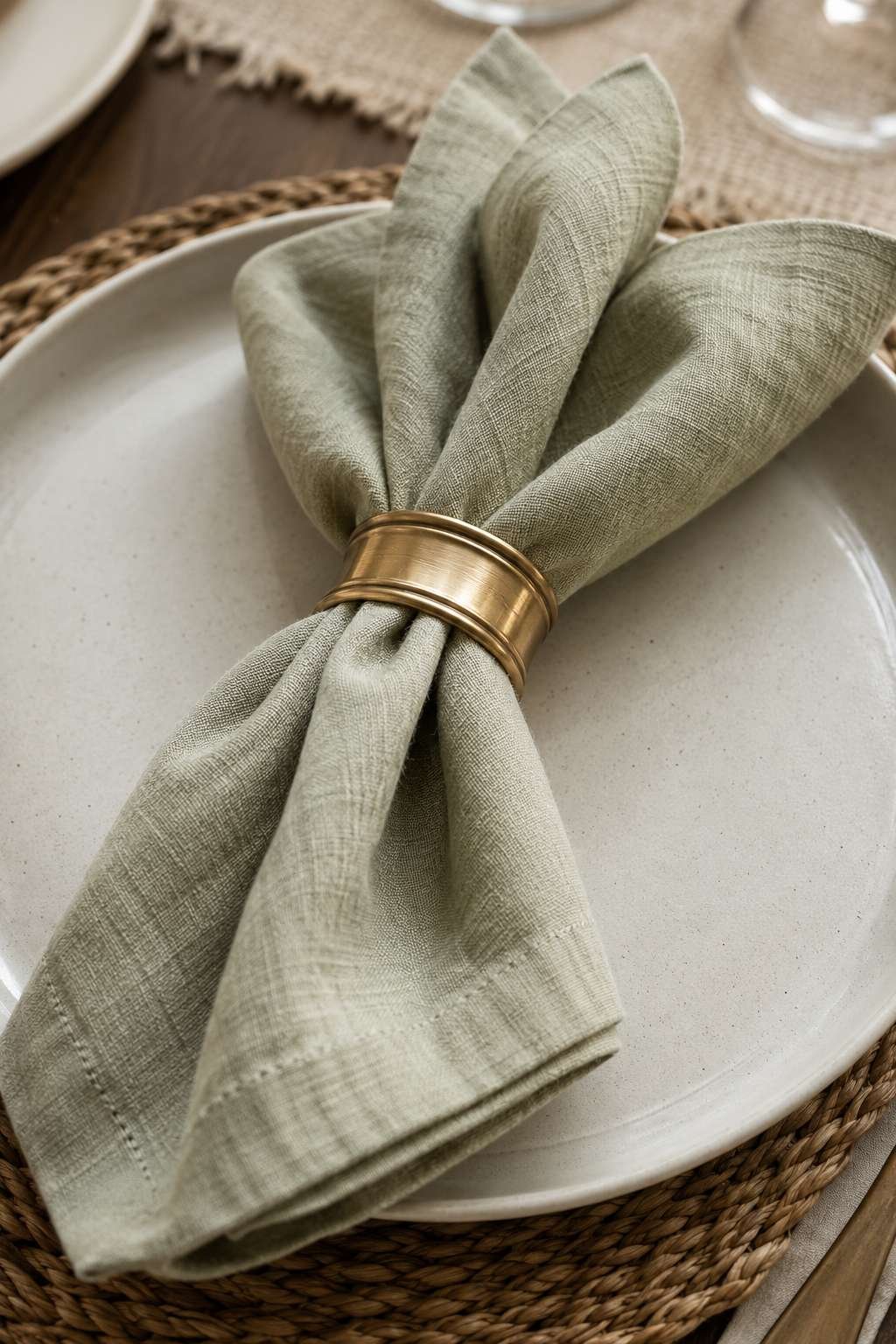
Coordinate napkin color with your overall palette, using them as an opportunity to introduce accent color into a neutral setting. Folding techniques can range from simple rectangles to more elaborate styles for special occasions. This detail, though small, often gets noticed by guests immediately upon sitting down.
- Choose linen or cotton over disposable paper
- Use napkin rings for added elegance
- Introduce accent color through napkin choice
- Keep folds simple for everyday casual meals
5. Add Ambient Lighting With Candles
Candlelight instantly warms up a dining table, creating atmosphere that overhead lighting alone can’t replicate. A cluster of taper or pillar candles at varying heights adds both light and visual texture to the centerpiece area. This lighting layer works for both intimate dinners and larger gatherings. Our guide on how to decorate a dining table walks through this step by step.
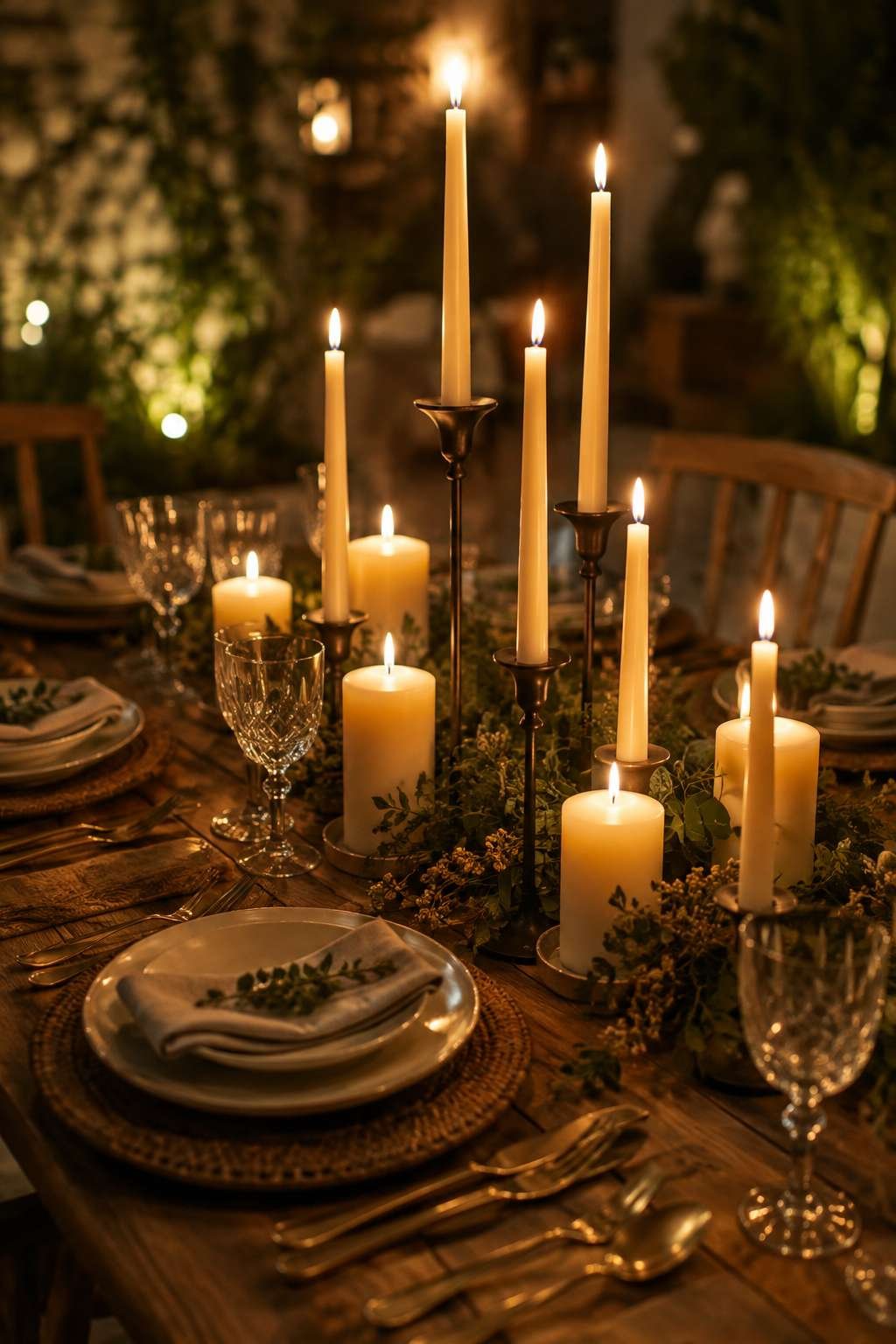
Choose unscented candles for the dining table specifically, since fragrance can interfere with the meal’s aroma and flavor. Grouping candles in odd numbers, similar to other decorative styling, creates a more natural, balanced look. This small addition transforms an ordinary dinner into a genuinely memorable occasion.
- Choose unscented candles to avoid flavor interference
- Group candles in odd numbers for balance
- Mix taper and pillar styles for variation
- Position candles low enough for eye-level conversation
6. Finish With Personal Touches
The final step in staging a dining table involves adding small personal details that make the setting feel authentic. A handwritten place card, a small sprig of fresh herbs, or a favorite family heirloom piece all add character. These touches transform a generic table setting into something uniquely yours.
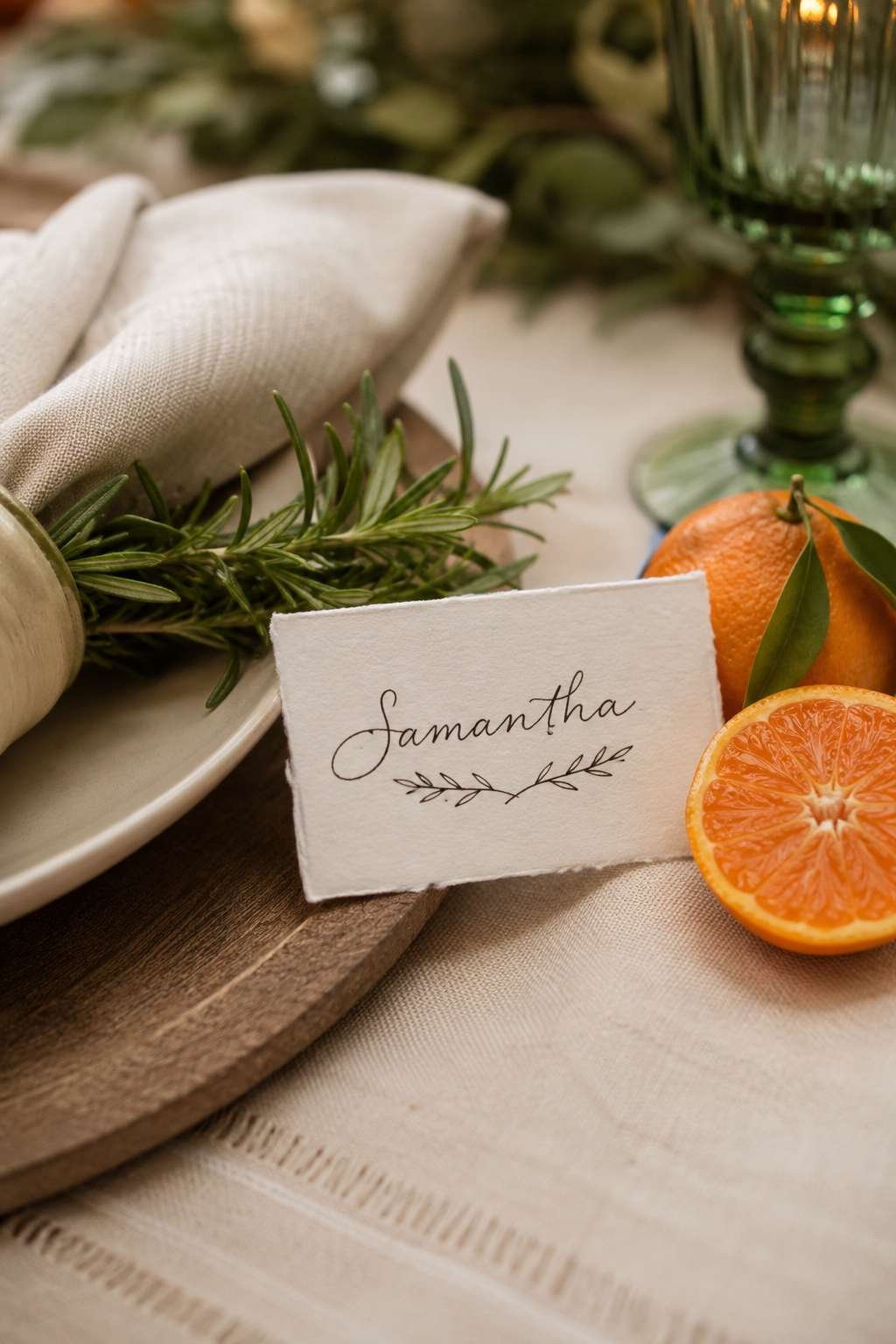
Consider the season and occasion when selecting these final details, incorporating seasonal elements like autumn leaves or fresh citrus. This finishing layer is where personality truly shines through in an otherwise structured setting. Small, thoughtful additions often become the details guests remember most after the meal ends.
- Add place cards for formal dinner parties
- Incorporate seasonal elements like herbs or citrus
- Use family heirlooms for personal connection
- Keep final touches simple and purposeful
Staging a dining room table beautifully comes down to thoughtful layering, from the foundational linens to the final personal touches. Balancing centerpiece height, dishware texture, and ambient lighting creates a setting that feels both polished and inviting. Each element works together to elevate an everyday meal into something special.
Experiment with different combinations until you find a staging style that feels authentically yours. With these proven techniques, your dining table can look beautifully set for any occasion, from casual weeknights to festive celebrations.

