


Learning how to choose living room furniture can feel overwhelming when you’re staring at endless catalogs and showroom floors. The right pieces should balance comfort, function, and style so your space actually works for daily life. This guide walks through every practical step, from measuring your room to picking a finish that will still look good in ten years.
A living room is where families gather, guests relax, and everyday moments happen. Getting the furniture right means thinking beyond looks alone. You need pieces that fit your traffic flow, support your routines, and hold up to real use.
By the end of this article, you’ll have a clear framework for making confident furniture decisions. We’ll cover sizing, layout, materials, budget, and the small details that separate a good room from a great one.
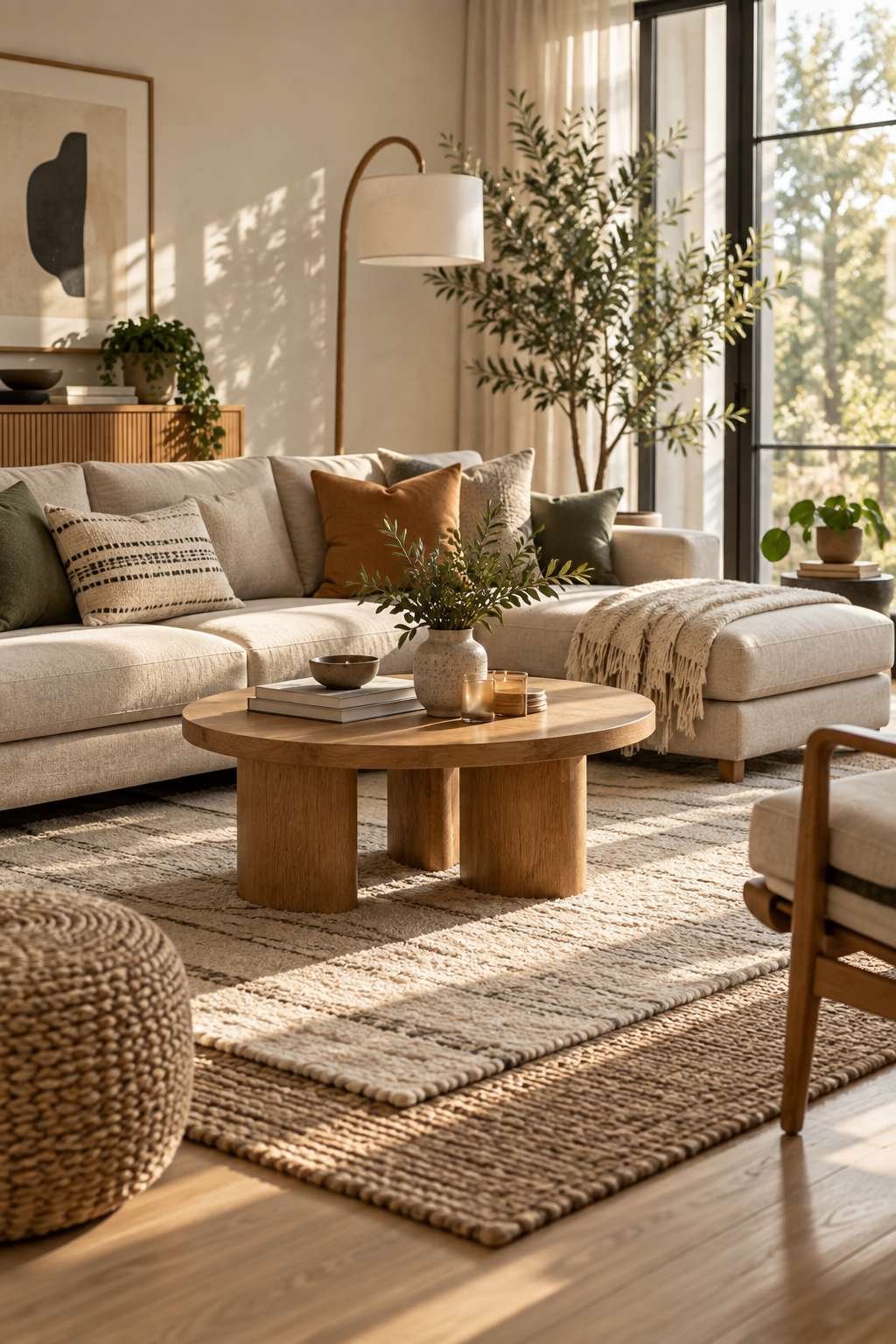
1. Measure Your Space Before You Shop
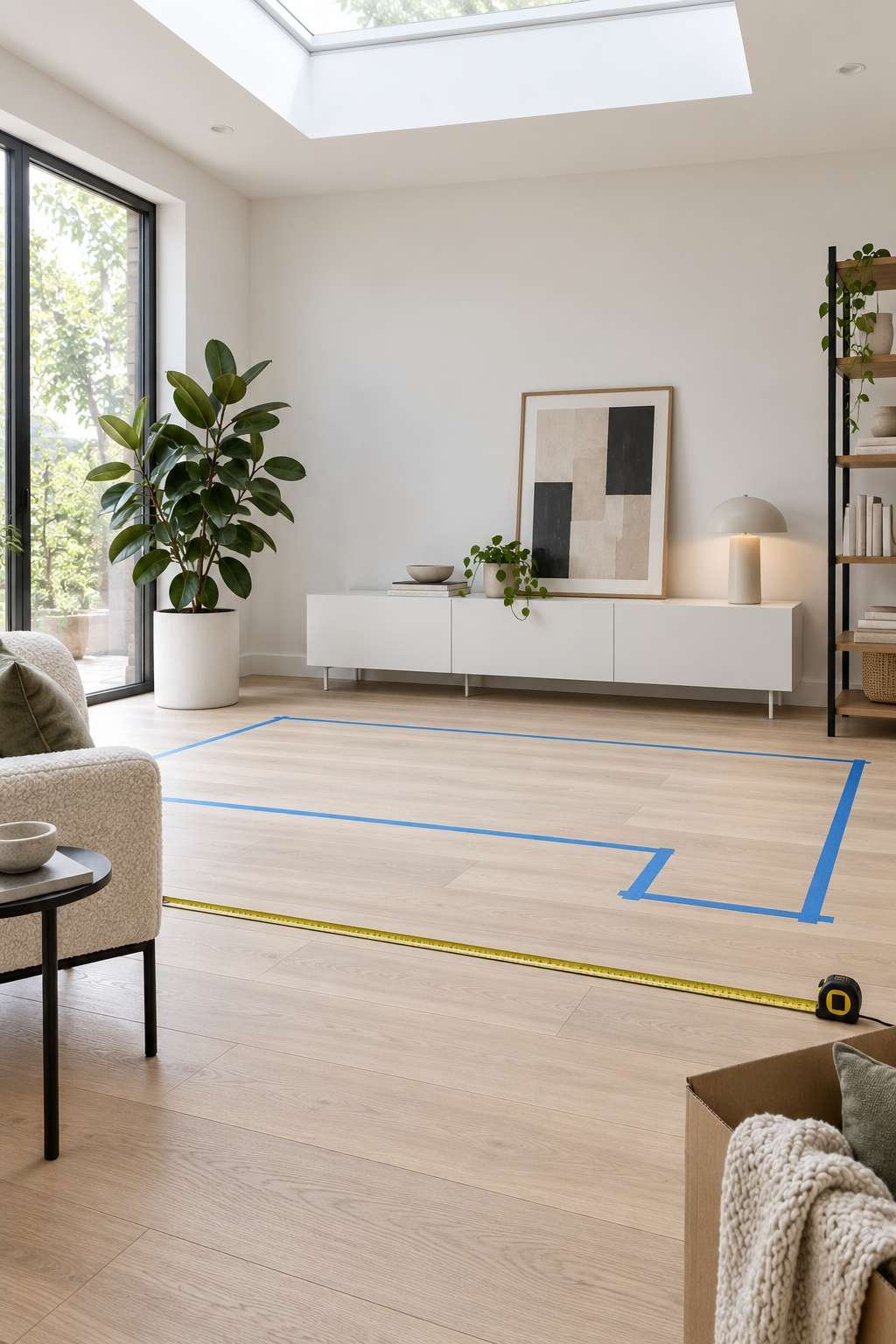
Every successful furniture decision starts with accurate measurements. Walk into your living room with a tape measure, a notepad, and painter’s tape before you ever open a catalog. Mark out the footprint of a sofa or sectional directly on the floor so you can see how it actually occupies the room.
Pay attention to doorways, hallways, and stairwells too. A sofa that fits the living room perfectly is useless if it can’t get through the front door. Many furniture returns happen simply because nobody checked the delivery path first.
- Measure length, width, and ceiling height of the room
- Note the location of outlets, vents, and windows
- Check doorway and stairwell widths for delivery clearance
- Use painter’s tape to outline potential furniture footprints
- Leave at least 30 inches for main walking paths
- Record measurements on your phone so they’re always on hand
2. Define How You Actually Use the Room
Before picking a single piece, think honestly about daily habits. Do you host movie nights, work from the couch, or entertain large groups often? Your answer should shape every subsequent choice, from seating count to table height.
A household that watches a lot of television needs a different layout than one built around conversation. Families with young kids might prioritize durable, stain-resistant fabrics over delicate materials. Writing down your top three uses for the room keeps decisions grounded in reality rather than trends.
- List your top three activities that happen in the room
- Decide how many people need regular seating
- Consider whether you need a dedicated work or reading nook
- Think about pets and how they interact with furniture
- Identify any storage needs, like blankets, remotes, or toys
- Revisit this list whenever your lifestyle changes
3. Choose a Sofa That Anchors the Room
The sofa is almost always the largest single investment in a living room, so get it right. Look for a frame made of kiln-dried hardwood, which resists warping far better than softwood or particleboard over time. Sit on multiple models in a showroom whenever possible, since cushion firmness varies enormously between brands.
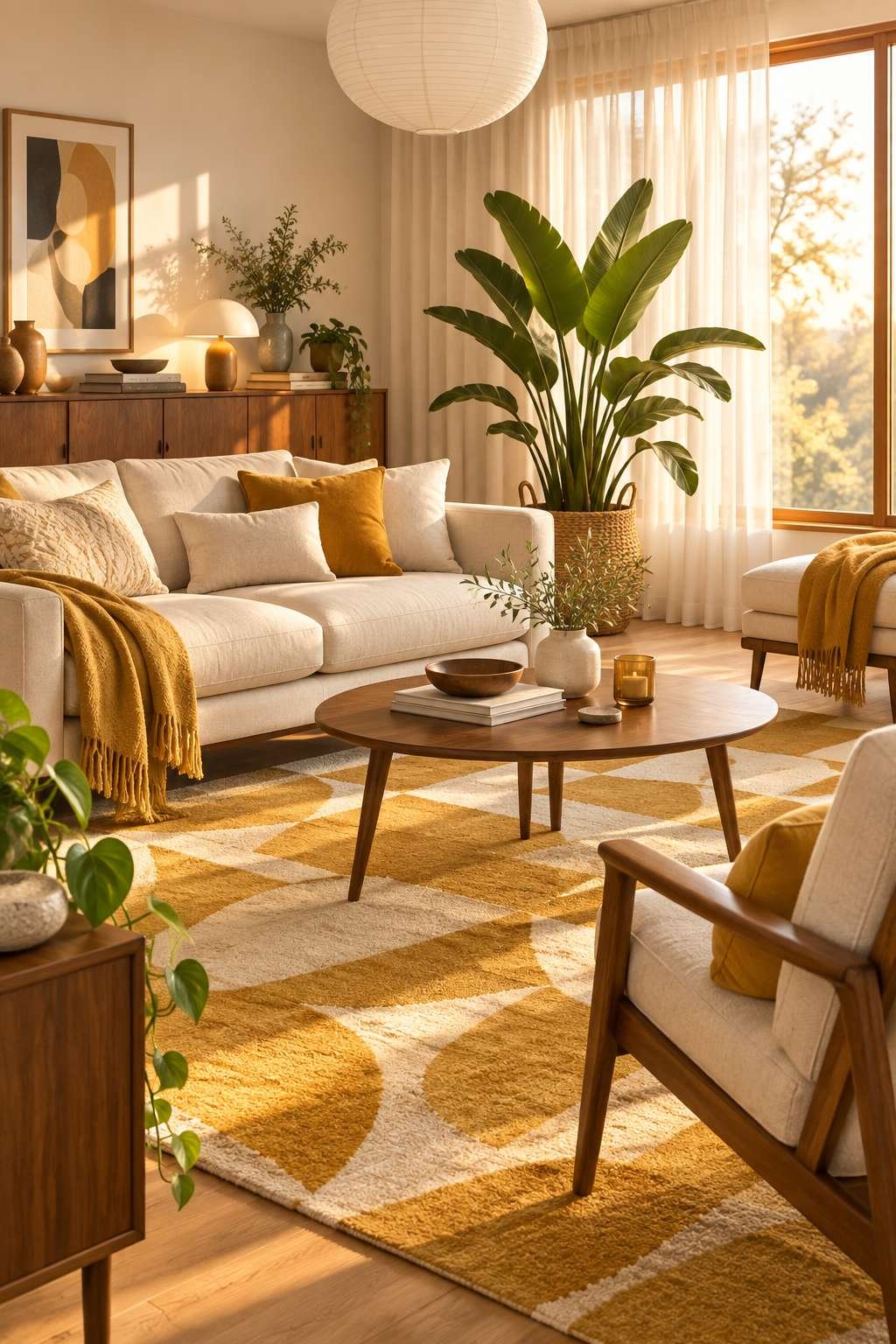
Depth matters as much as width. A deep-seated sofa is ideal for lounging and stretching out, while a shallower profile suits smaller rooms or more formal spaces. Think about how the sofa will be used before falling for a style that photographs well but sits uncomfortably.
- Test cushion firmness by sitting for several minutes, not seconds
- Check the frame material and warranty length
- Choose performance fabric if you have kids or pets
- Consider a sectional for open floor plans and large families
- Confirm arm height works comfortably for your typical seating posture
- Order fabric swatches before committing to a color
4. Balance Seating With Traffic Flow
Good furniture arrangement respects how people actually move through a space. Leave clear paths between entry points and key destinations like the kitchen or hallway. Cramming too much seating into a room creates a maze rather than a gathering spot.
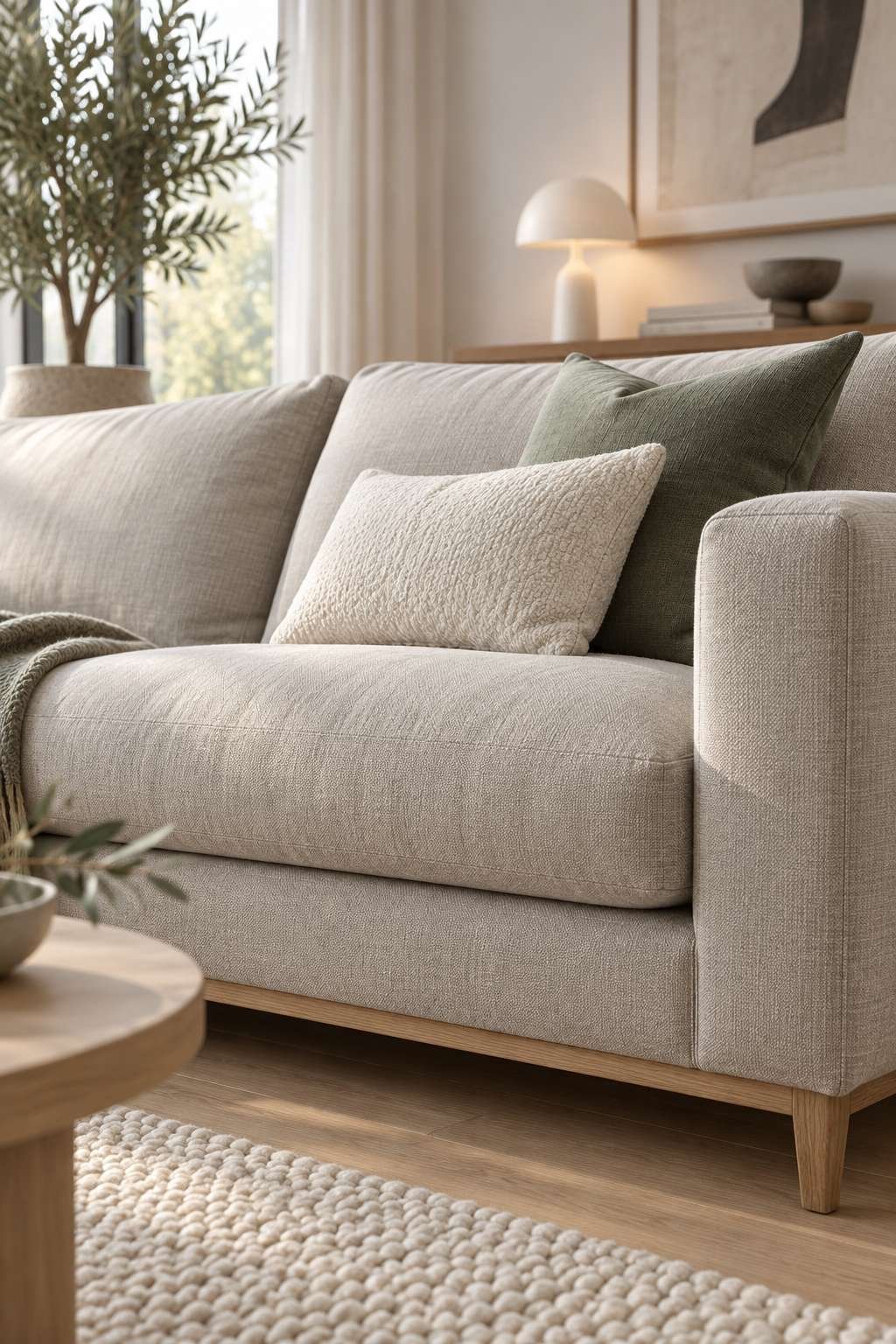
Angling chairs slightly toward the sofa rather than lining everything against the walls tends to encourage better conversation. This approach also makes rooms feel more intentional and less like a waiting area. A floor plan sketch, even a rough one, prevents costly rearranging after delivery day.
- Keep major walkways at least 30 inches wide
- Angle seating toward a focal point instead of straight rows
- Avoid pushing every piece against the walls
- Leave breathing room around doorways and vents
- Sketch two or three layout options before buying
- Test a layout with cardboard boxes if you’re unsure
5. Pick the Right Coffee Table and Side Tables
A coffee table should sit close to sofa height, usually within a few inches either way. Leave roughly 14 to 18 inches of space between the table and seating for comfortable legroom. Shape matters too: rounded tables work well in tight or high-traffic rooms since they eliminate sharp corners.
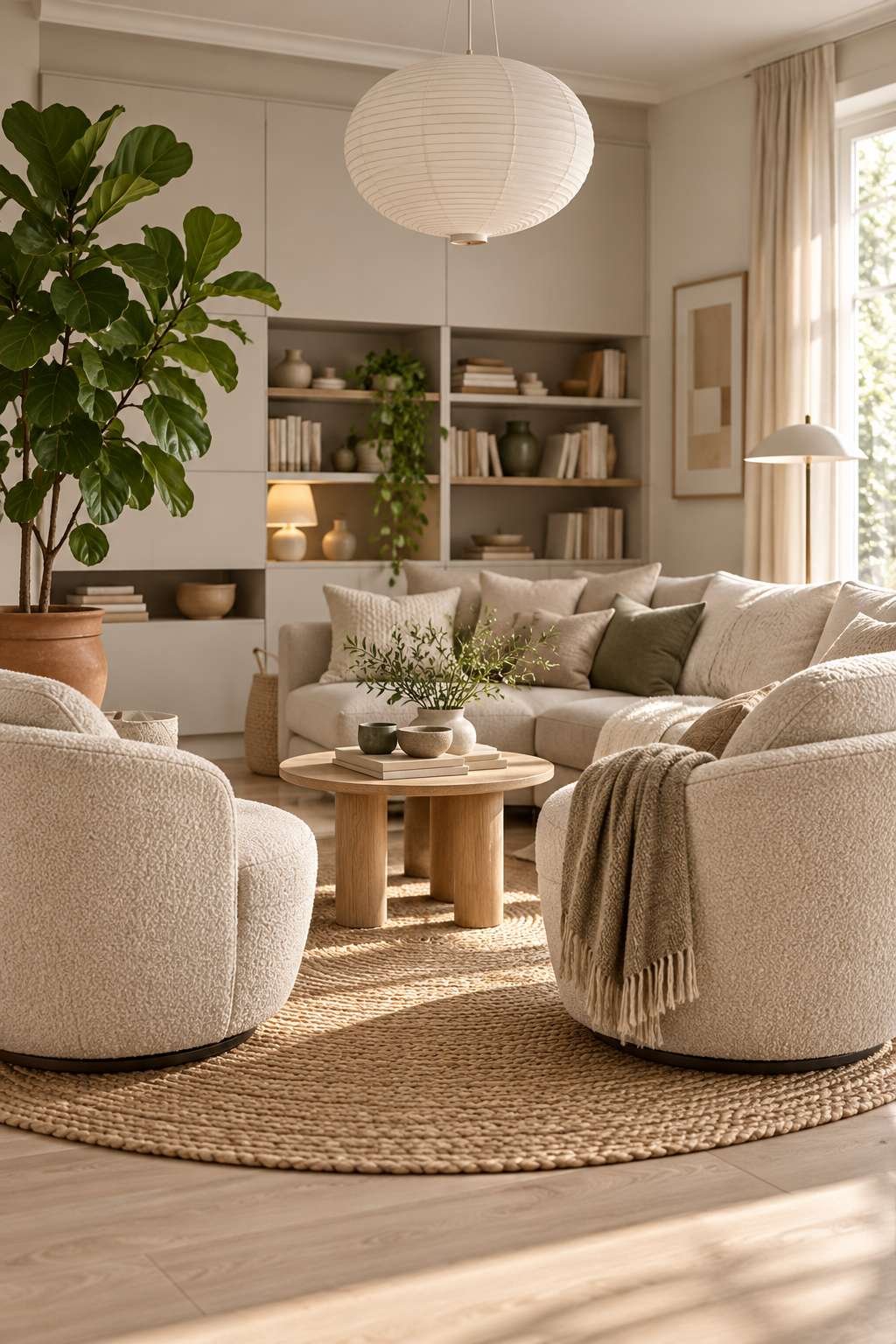
Side tables deserve just as much thought as the centerpiece. They should sit close enough to the arm of a sofa or chair that a drink or lamp is within easy reach. Mixing materials, like a wood coffee table with metal-legged side tables, adds visual interest without clashing.
- Match table height to roughly sofa cushion level
- Leave 14-18 inches of clearance from seating
- Choose rounded edges in smaller or busy rooms
- Use side tables tall enough to reach from a seated position
- Mix materials for texture instead of matching every piece
- Prioritize sturdy bases if you have kids or large pets
6. Select Rugs and Textiles With Intent
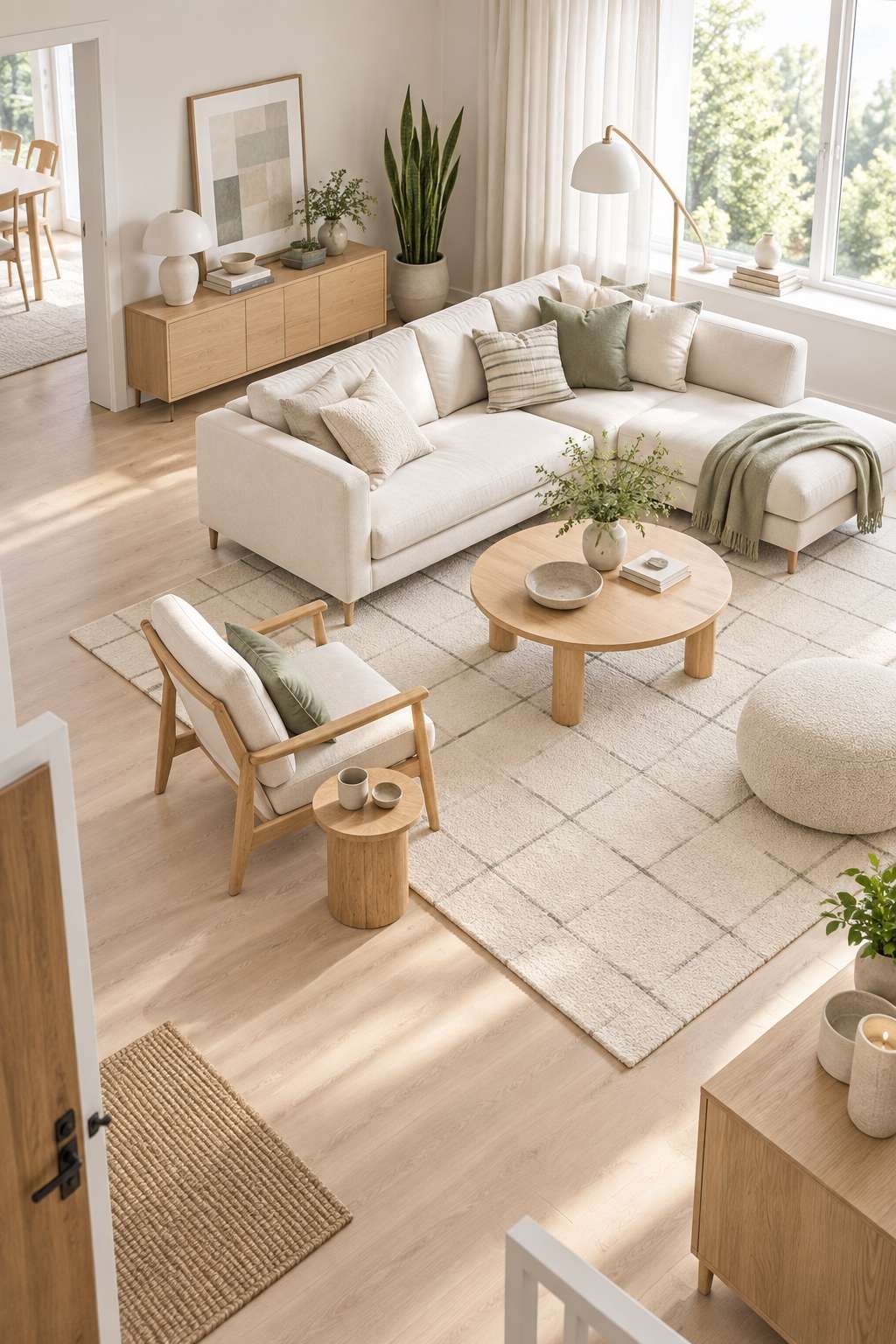
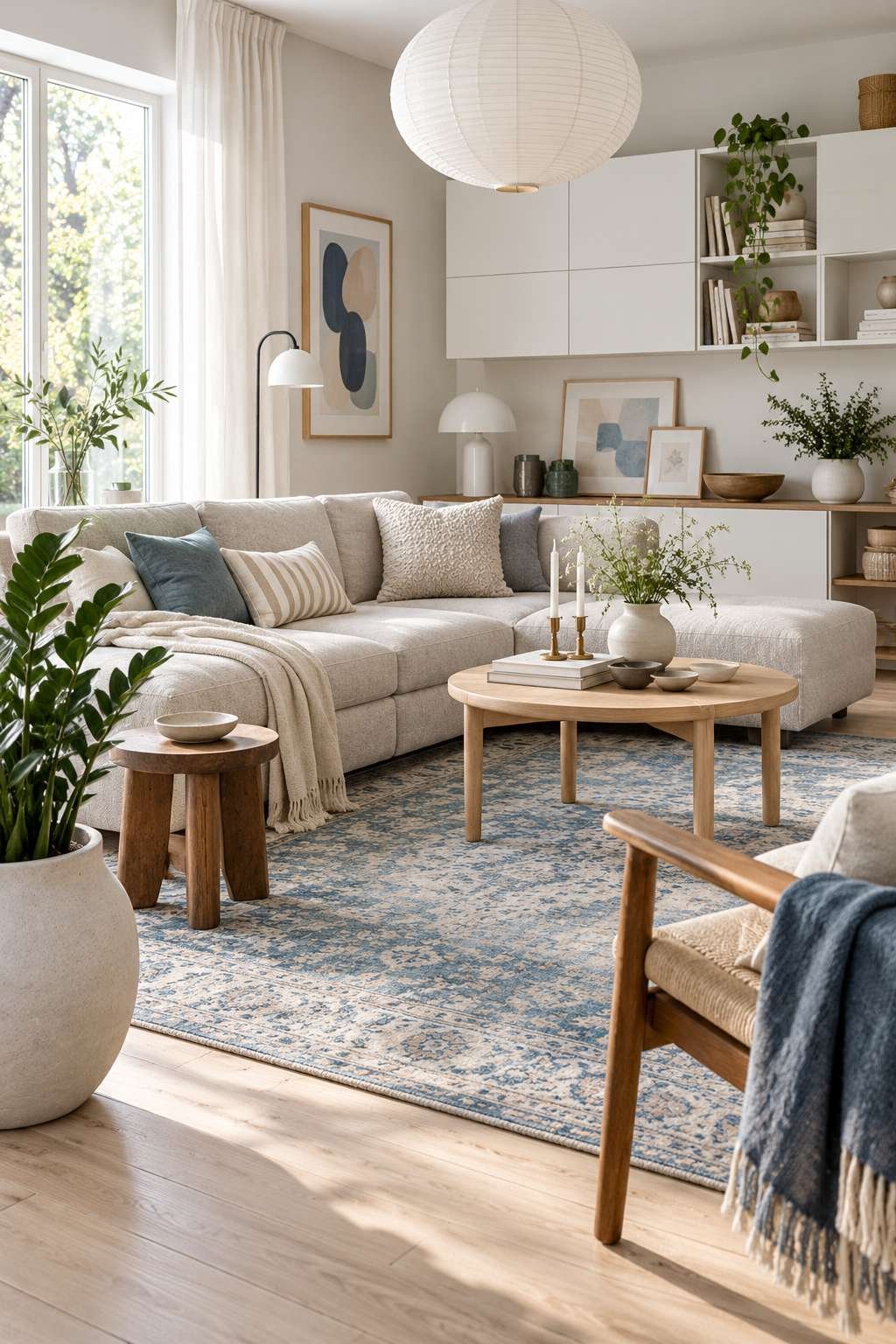
A rug can visually anchor an entire seating arrangement when sized correctly. As a general rule, the front legs of every major piece should rest on the rug, not float beside it. Choosing a rug that’s too small is one of the most common living room mistakes.
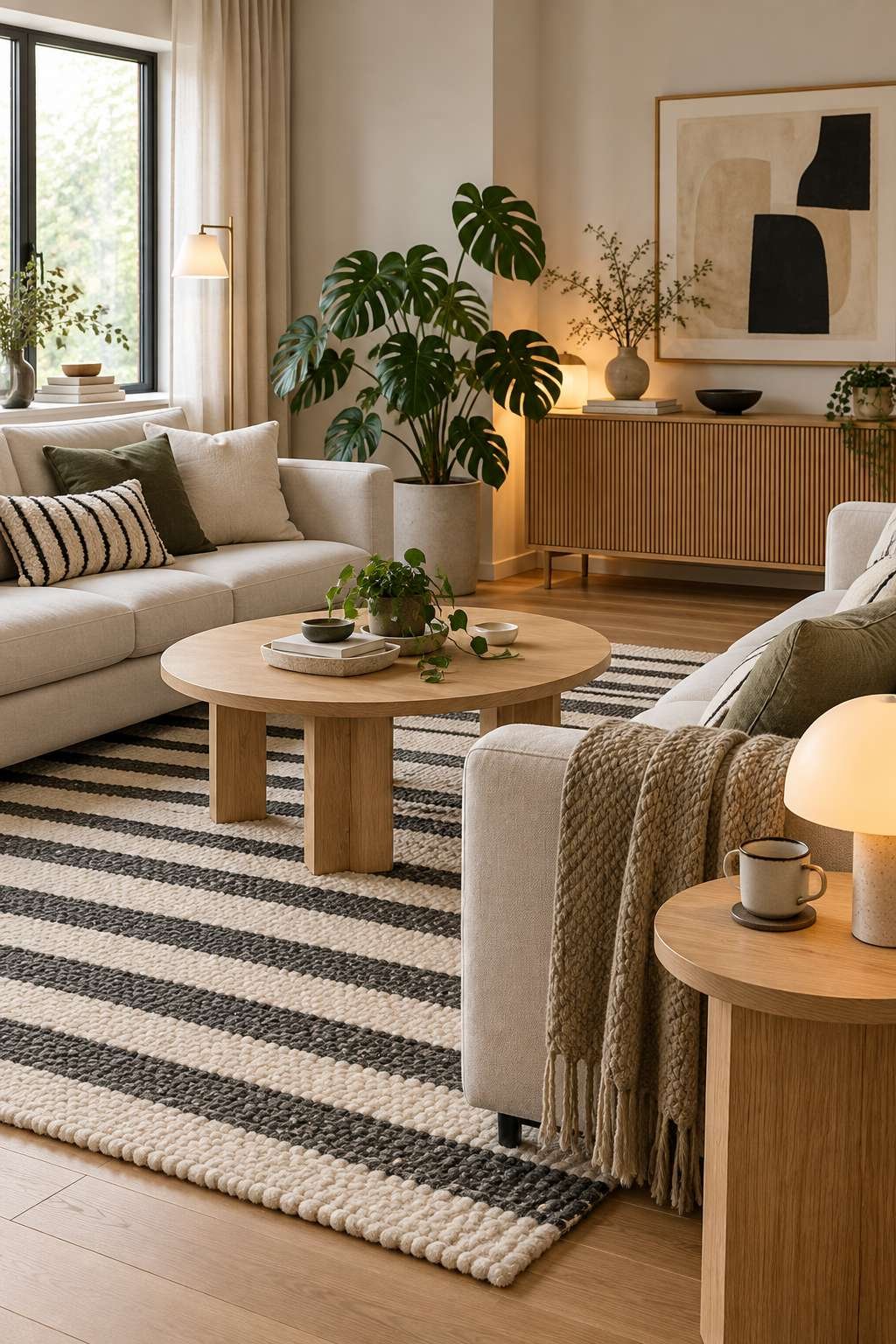
Textiles like throw pillows and blankets add warmth and personality without a big commitment. Layer two or three complementary patterns rather than one dominant print for a more curated look. Rotating textiles seasonally is an easy way to refresh the room without buying new furniture. If you’re weighing exact dimensions, our guide on rug sizing walks through room-by-room recommendations in detail.
- Size the rug so front furniture legs sit on top
- Leave 12-18 inches of bare floor around the rug’s edge
- Choose durable weaves like wool for high-traffic rooms
- Layer two to three pillow patterns for texture
- Rotate throws and pillows seasonally
- Vacuum and rotate rugs regularly to prevent uneven wear
7. Think About Storage and Media Furniture
Storage pieces keep a living room functional, not just attractive. Consider a media console sized to your television and any equipment underneath it. Cabinets with closed doors hide clutter better than open shelving, which requires more consistent tidying.
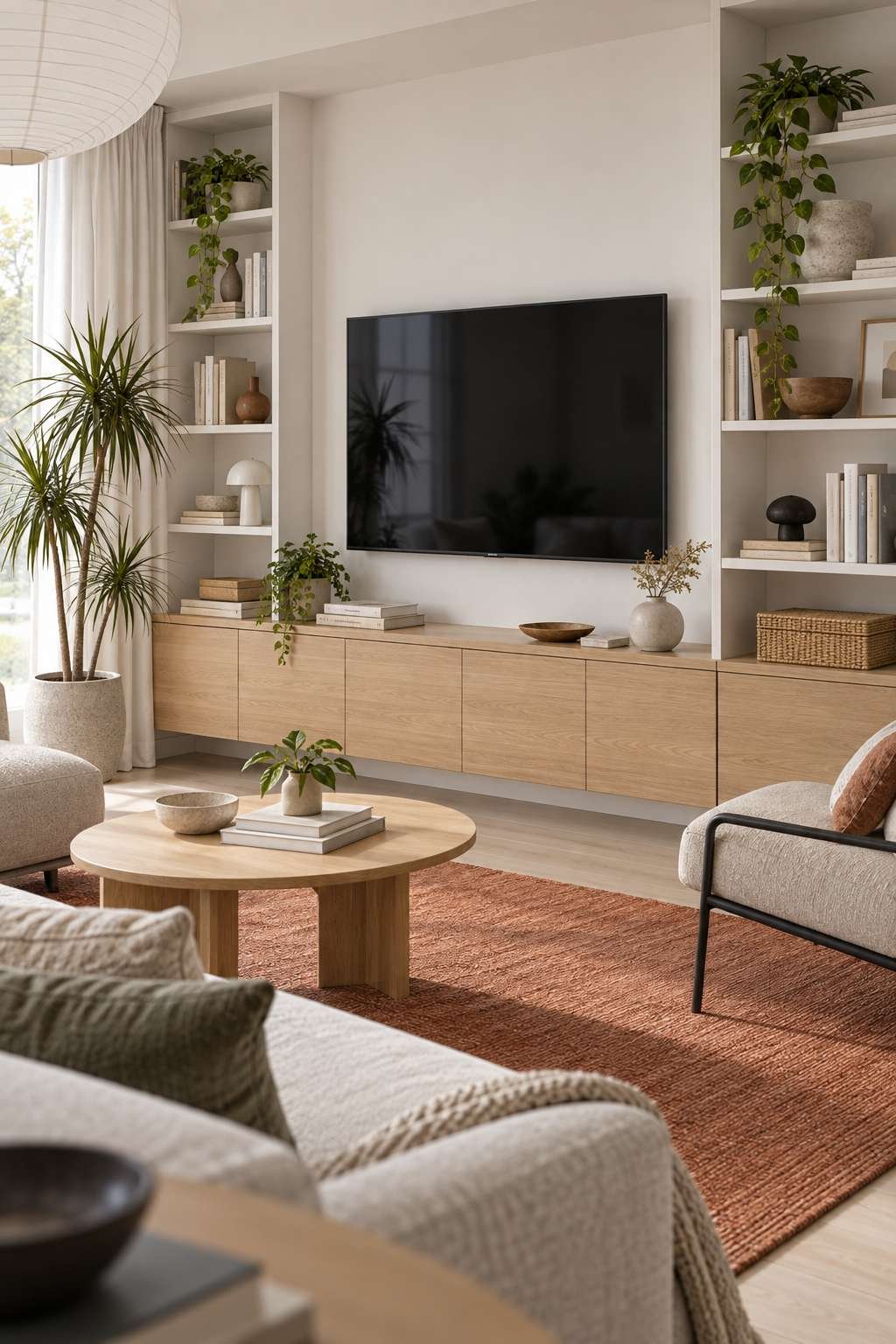
Ottomans with hidden storage compartments are excellent multitaskers, offering a footrest, extra seating, and a place for blankets all at once. If you’re always searching for where to keep throws, a storage bench or basket near the sofa solves that instantly.
- Choose a console sized appropriately for your television
- Look for cable management features in media furniture
- Use ottomans with storage for blankets and remotes
- Add baskets or bins as low-effort hidden storage
- Consider built-ins if you need permanent shelving
- Keep frequently used items within easy reach
8. Layer in Lighting Fixtures
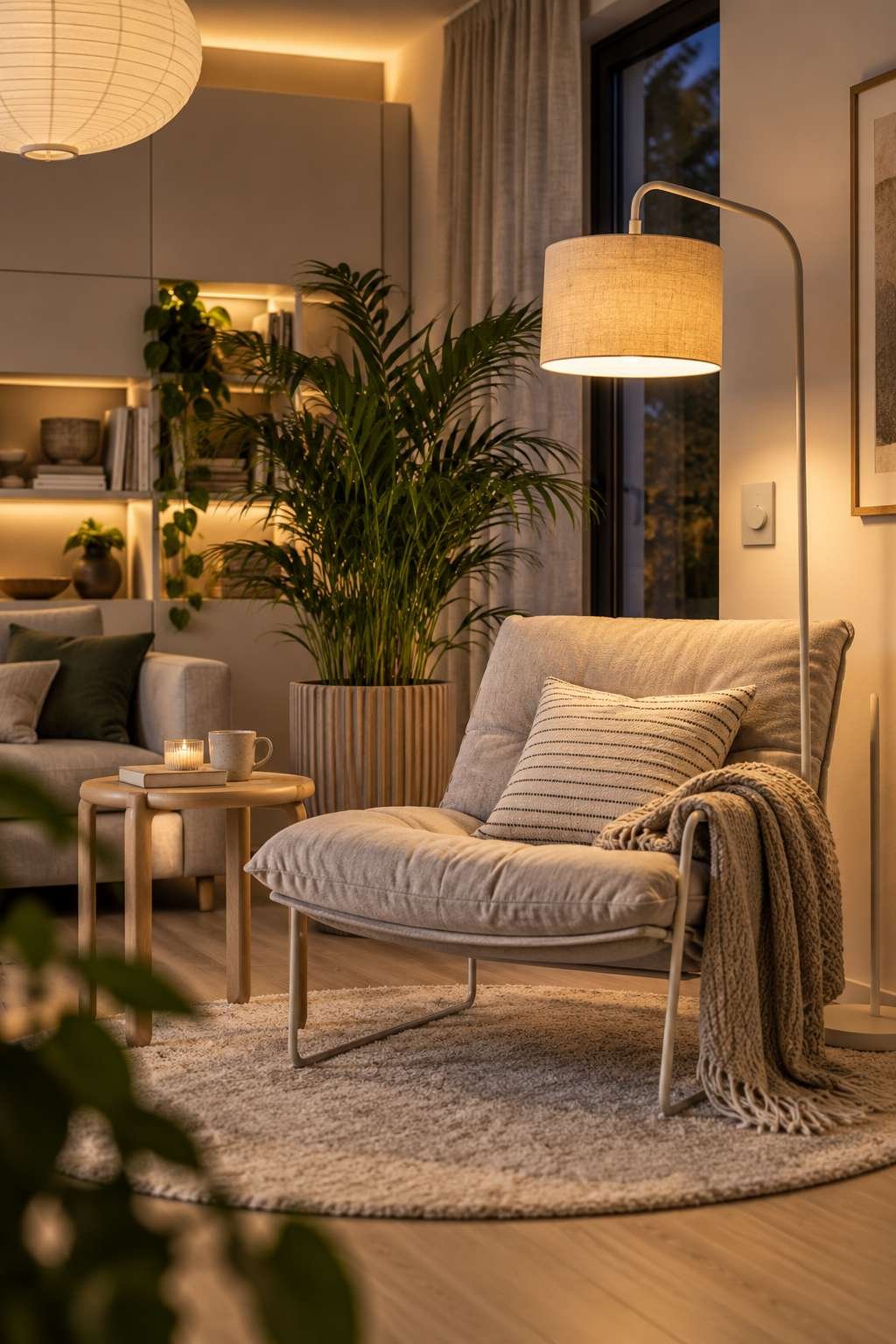
Lighting shapes the mood of a living room as much as any single piece of furniture. Combine ambient, task, and accent lighting rather than relying on one overhead fixture alone. A floor lamp beside a reading chair, for example, solves a functional need while adding warmth.
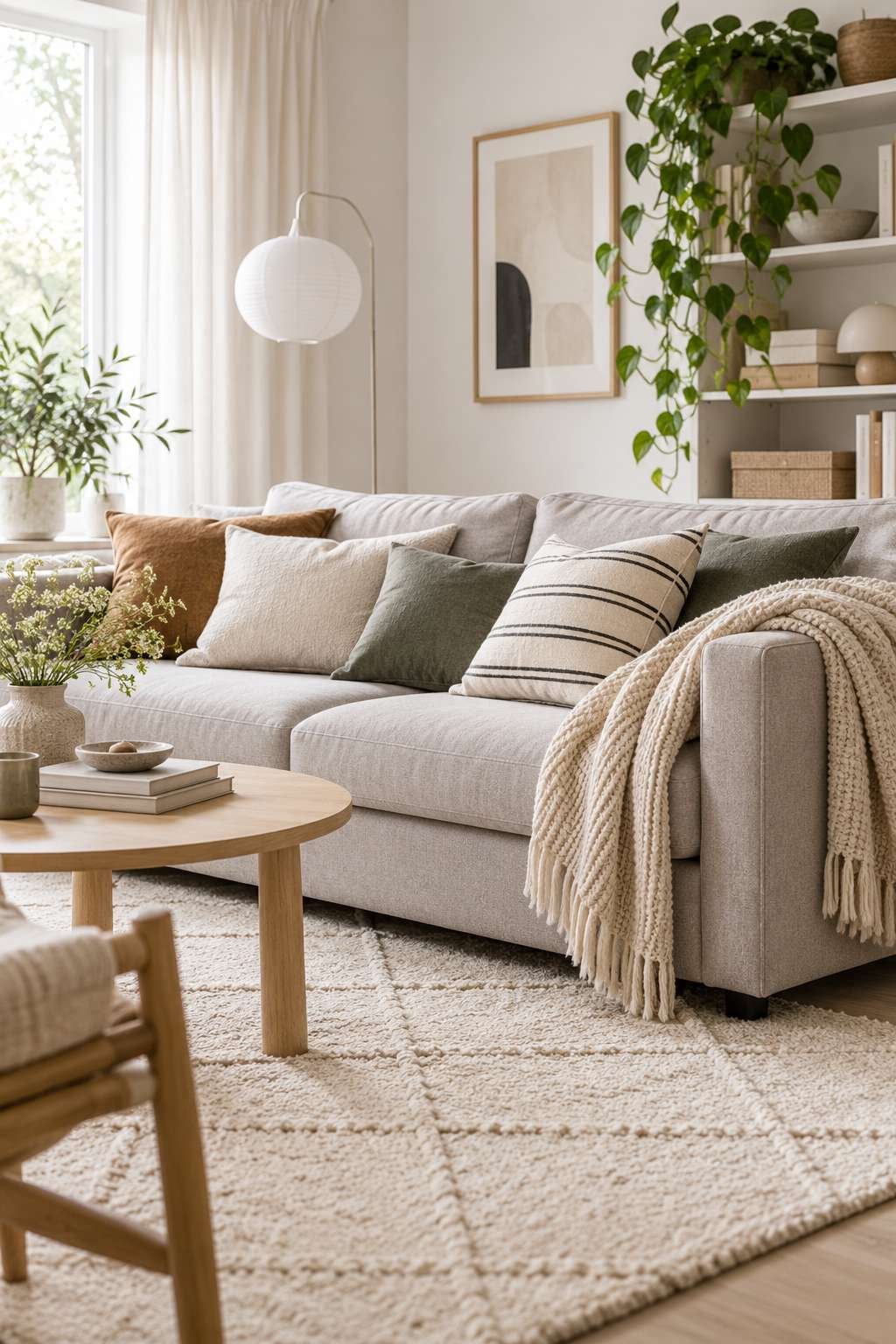
Dimmable fixtures give you flexibility between bright daytime tasks and cozy evening gatherings. Pay attention to bulb temperature too; warmer tones around 2700K tend to feel more inviting than stark white light. If your room includes a ceiling fan with lighting, choosing the correct size for the space affects both comfort and airflow.
- Combine at least three light sources per room
- Add a floor or table lamp near every seating area
- Choose dimmable bulbs for flexible evening lighting
- Stick to warmer bulb temperatures for a cozy feel
- Position lamps to avoid glare on screens
- Update outdated fixtures before finalizing furniture placement
9. Choose Materials That Match Your Lifestyle
Material choice determines how furniture ages under daily use. Performance fabrics like tightly woven polyester blends resist stains and fading far better than delicate linens. Leather, meanwhile, develops a patina over time and tends to suit households without small children.
Wood finishes matter too, especially in sunlit rooms where certain stains fade faster than others. Ask about warranty coverage and cleaning instructions before purchasing anything upholstered. A little research upfront saves significant frustration once the piece is living in your home.
- Choose performance fabric for households with kids or pets
- Ask about stain resistance ratings before buying upholstery
- Select finishes rated for UV exposure in sunny rooms
- Request cleaning codes (W, S, WS) for every fabric option
- Consider leather for durability if allergies aren’t a concern
- Review warranty terms before finalizing any purchase
10. Set a Realistic Budget and Buying Plan
Furniture shopping goes smoother with a clear budget broken down by category. Allocate the largest portion to your sofa, since it sees the most daily use and typically costs the most to replace. Smaller pieces, like side tables or lamps, can flex around sales and secondhand finds.
Buying in phases rather than all at once often produces a better-curated room. Live with your major pieces for a few weeks before adding accessories, so you can see what the space genuinely needs. Prioritizing quality on high-use items and saving on decorative extras tends to serve most households well long term.
- Allocate roughly 40% of budget to the sofa or sectional
- Buy major pieces first, then layer in accessories
- Watch for seasonal sales on big-ticket furniture
- Consider quality secondhand pieces for tables and accents
- Set aside a small contingency fund for delivery fees
- Reassess the plan after living in the space a few weeks
Throughout this process, a few of our other guides can help fill in the details. For flooring underneath all this furniture, see What Is the Best Flooring for a Living Room, and for wall color that ties everything together, check What Color Should I Paint My Living Room. If you’re still deciding on your television setup, What Size TV for Living Room breaks down viewing distance guidelines. For quick comfort wins, How to Make a Living Room Cozy offers smaller upgrades you can make right away, and if you have an awkward nook to fill, What to Put in a Corner of Living Room has practical ideas.
Frequently Asked Questions
How do I decorate my living room?
Start with a clear layout, then add a rug, seating, and lighting before layering in décor. Choose a color palette first so accessories, pillows, and art all coordinate. Add personal touches like books, plants, or artwork last, once the main furniture pieces feel settled and functional.
What size rug should I get for a living room?
Most living rooms need a rug large enough for at least the front legs of every major seating piece to rest on it. For an average-sized room, an 8-by-10-foot rug is a common starting point. Always measure your specific layout before buying, since proportions vary by room.
How can I make my living room cozy?
Layer soft textiles like throws and pillows, add warm lighting, and include natural textures like wood or woven baskets. Keep lighting dimmable and choose warmer bulb temperatures. Small details, like a scented candle or a stack of favorite books, add personality without a full furniture overhaul.
What size ceiling fan do I need for a living room?
Ceiling fan size depends on square footage: smaller rooms typically need a 36-42 inch fan, while larger rooms benefit from 52-56 inches or more. Measure the room first and check manufacturer sizing charts, since airflow and comfort depend heavily on getting this proportion right.
How should I store blankets in the living room?
Storage ottomans, woven baskets, and blanket ladders are all popular options for keeping throws accessible but tidy. Choose a solution that matches how often you use each blanket. Frequently used throws work well on an open ladder, while seasonal ones suit a closed storage bench.
What size carpet works best for a living room?
Similar to rugs, carpet or rug sizing depends on your furniture layout and room dimensions. A general guideline is leaving 12-18 inches of bare floor visible around the edges. Larger rooms can support bigger rugs, while smaller spaces often look better with a slightly more modest size.
How do I create a cozy living room atmosphere?
Combine warm lighting, soft textiles, and a mix of textures like wood, wool, and linen. Avoid overly stark or cold color palettes if coziness is the goal. Personal items like framed photos or favorite books also help a room feel lived-in rather than showroom-perfect.
What color should I paint my living room?
Popular choices include warm neutrals, soft greens, and muted blues, depending on the mood you want. Consider your lighting conditions, since natural light changes how colors appear throughout the day. Testing swatches on your actual walls before committing is always worth the extra step.
What exactly is a living room?
A living room is a shared indoor space typically used for relaxing, entertaining guests, and everyday family activities. It usually includes seating, a focal point like a television or fireplace, and supporting furniture like tables and lighting suited to comfortable, casual use.
What size rug should I buy for my living room space?
Measure your seating arrangement first, then choose a rug large enough for at least the front legs of your main furniture to sit on top. Standard sizes range from 5-by-8 feet for smaller rooms up to 9-by-12 feet or larger for open-concept living areas.
What is the right rug size for a living room?
The right size depends on your furniture footprint rather than the room alone. A rug that’s too small will look disconnected from your seating. Aim for enough coverage that all major pieces relate visually to the rug rather than floating around its edges.
How do I draw a living room layout?
Sketch the room’s outline to scale on graph paper, marking doors, windows, and outlets first. Add furniture shapes cut from paper so you can move them around before committing. Many people also use free online room-planning tools for a more precise digital layout.
How do I place rugs in a living room?
Center the rug under your main seating group so it visually ties the furniture together. Leave consistent bare floor around the edges, typically 12-18 inches. Avoid rugs that only partially touch furniture, since this tends to make the whole arrangement look unintentional.
How do I style a living room effectively?
Start with a clear color palette and a defined furniture layout, then layer in textiles, lighting, and accessories. Balance textures and avoid overcrowding surfaces. Stepping back periodically to view the room as a whole helps catch imbalances before they become permanent design choices.
Conclusion
Choosing living room furniture doesn’t have to feel like guesswork once you break it into clear steps. Start with measurements and lifestyle needs, then build outward through seating, tables, textiles, and lighting. Every decision should support both how the room looks and how your household actually lives in it.
Give yourself permission to make this process gradual. The best living rooms are rarely finished in a single weekend; they evolve as you learn what truly works for your space.

