


Figuring out how to match a kitchen table with your decor can feel tricky when you’re staring at a showroom floor full of options. The right table should feel like it belongs in your space, not like it was dropped in from a completely different house.
This guide walks through the practical side of choosing a table that ties your kitchen together — wood tone, shape, style era, and finish all play a role. We’ll also cover how to work around a table you already own if a full replacement isn’t in the cards right now.
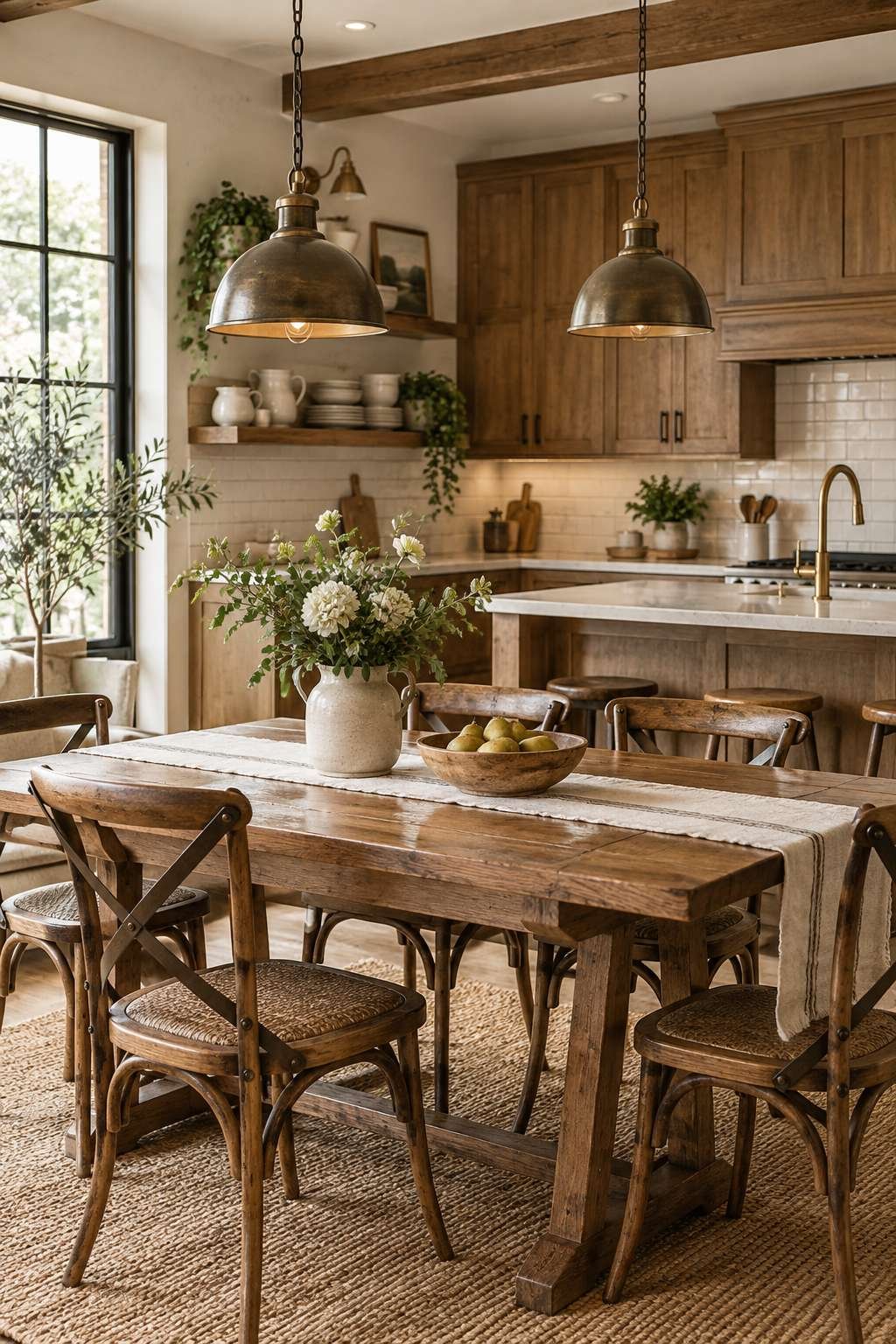
By the end, you’ll have a clear framework for how to match a kitchen table with your decor, whether you’re starting from scratch or adjusting what you already have.
1. Start with Your Kitchen’s Dominant Color Palette
Before shopping for a table, take stock of the colors already anchoring your kitchen — cabinet color, countertop tone, and wall paint. A table that clashes with these dominant colors will always feel slightly off, no matter how nice it is on its own.
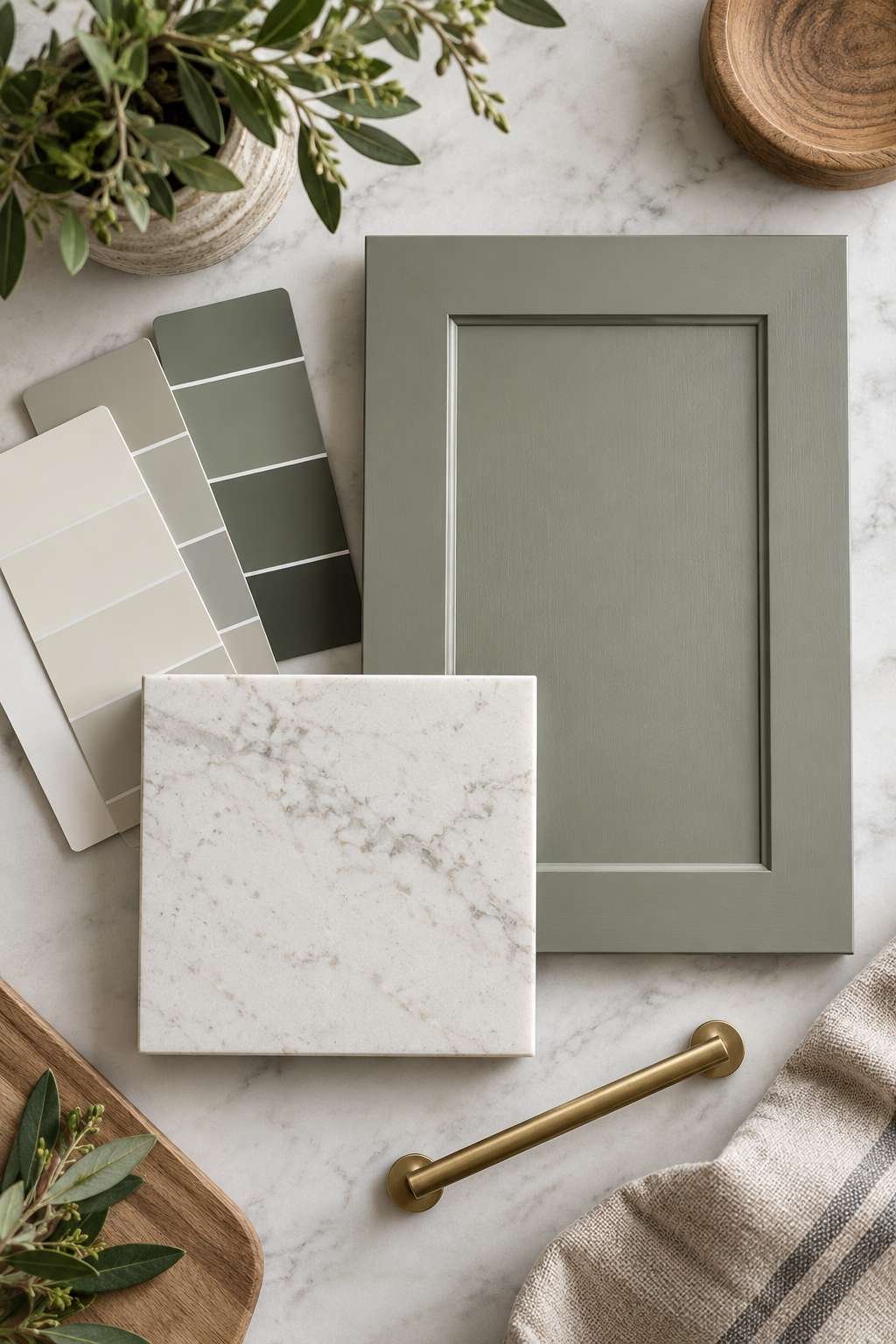
Neutral tables in warm or cool wood tones tend to blend more easily across a range of color schemes. Bold-colored tables, on the other hand, work best when they echo an accent color already present somewhere else in the room.
- Identify your kitchen’s two or three dominant colors first
- Neutral wood tones blend more easily across color schemes
- Bold table colors should echo an existing accent elsewhere
- Bring paint chips or cabinet samples when shopping in person
2. Match Wood Tones Intentionally, Not Perfectly
Wood tones don’t need to match exactly to look cohesive, but they should share a similar warmth or coolness. Pairing a warm honey-oak table with cool gray cabinetry, for example, often creates visible tension in the room.
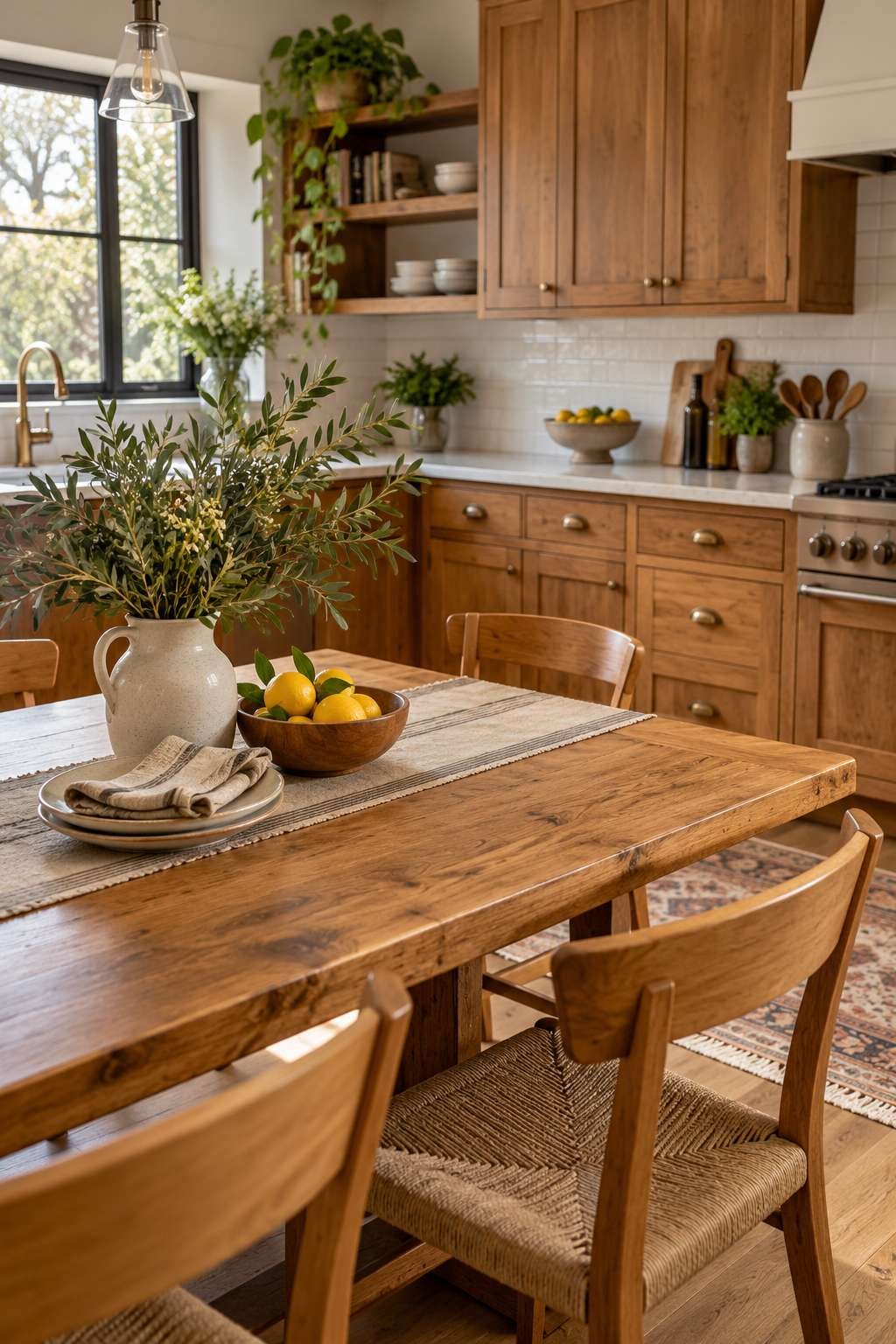
A good rule of thumb is staying within one undertone family — warm woods with warm woods, cool or gray-washed woods with similar finishes elsewhere. Mixing wood tones intentionally, such as a lighter table with darker chairs, can still work if the contrast feels deliberate rather than accidental.
- Match undertones (warm vs cool) rather than exact shades
- Warm honey and walnut tones pair well together
- Cool gray-washed woods pair well with similar cabinetry
- Intentional contrast (light table, dark chairs) can work if deliberate
3. Choose a Table Shape That Fits Your Kitchen’s Layout
Shape affects both flow and visual balance in a kitchen, not just how many people fit around the table. A long galley-style kitchen often suits a rectangular table, while a more square or open layout can handle round or oval shapes gracefully.
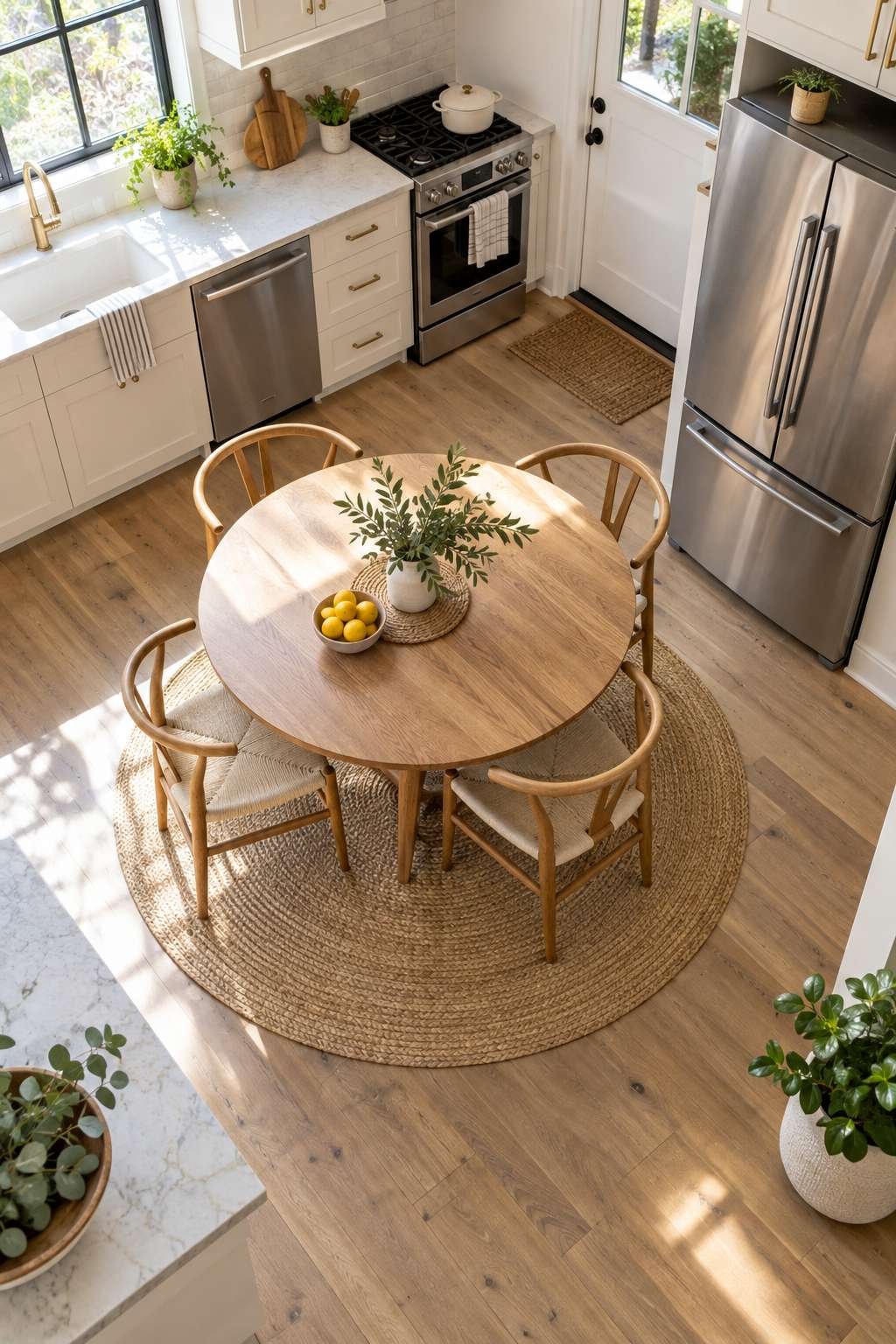
Round tables tend to soften a kitchen full of hard angles and straight cabinet lines. Rectangular tables, by contrast, echo a room’s existing geometry and can feel more formal or structured.
- Rectangular tables suit long, narrow kitchen layouts
- Round or oval tables soften angular, cabinet-heavy rooms
- Square tables work well in more compact, boxy spaces
- Leave at least 36 inches of walking clearance around any shape
4. Consider the Style Era of Your Kitchen
A kitchen leaning modern and minimalist generally calls for a table with clean lines and simple hardware, avoiding ornate carved legs or heavy detailing. A farmhouse or traditional kitchen, by contrast, often welcomes turned legs, distressed finishes, or visible wood grain.
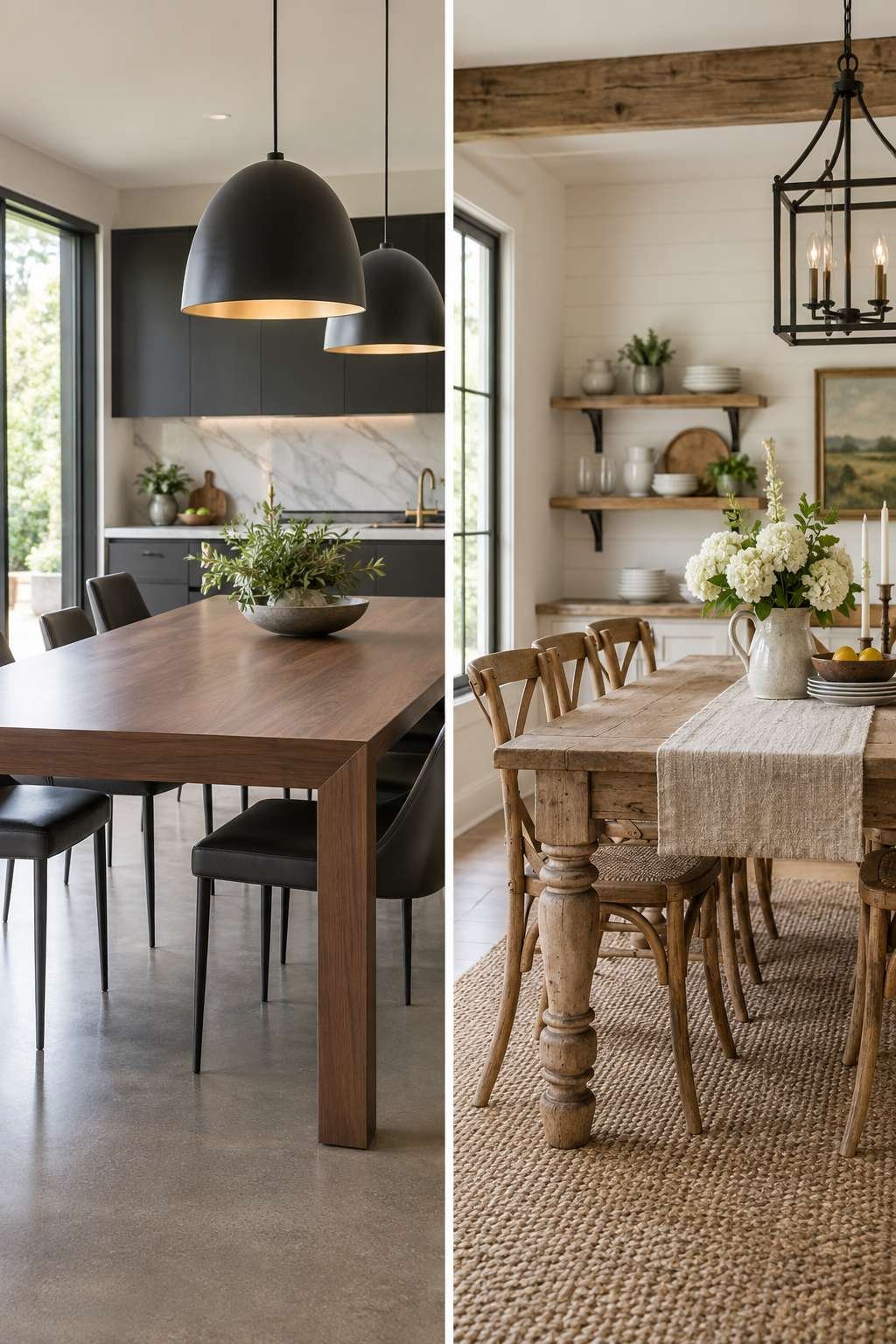
Mixing eras isn’t inherently wrong, but it works best when done deliberately rather than by accident. A single modern piece in an otherwise traditional kitchen can read as an intentional accent rather than a mismatch, especially if it’s tied to the rest of the room through color or material.
- Modern kitchens: clean lines, minimal ornamentation
- Farmhouse/traditional: turned legs, visible grain, distressed finishes
- Mixed-era pieces work best when tied in through color or material
- Avoid mixing more than one strong style statement at once
5. Coordinate Metal Finishes Across the Room
Table hardware, chair frames, and any metal accents on the table should generally coordinate with your kitchen’s existing fixtures — cabinet pulls, faucet finish, and light fixtures. Mixing warm brass with cool brushed nickel throughout the room can feel disjointed if it’s not intentional.
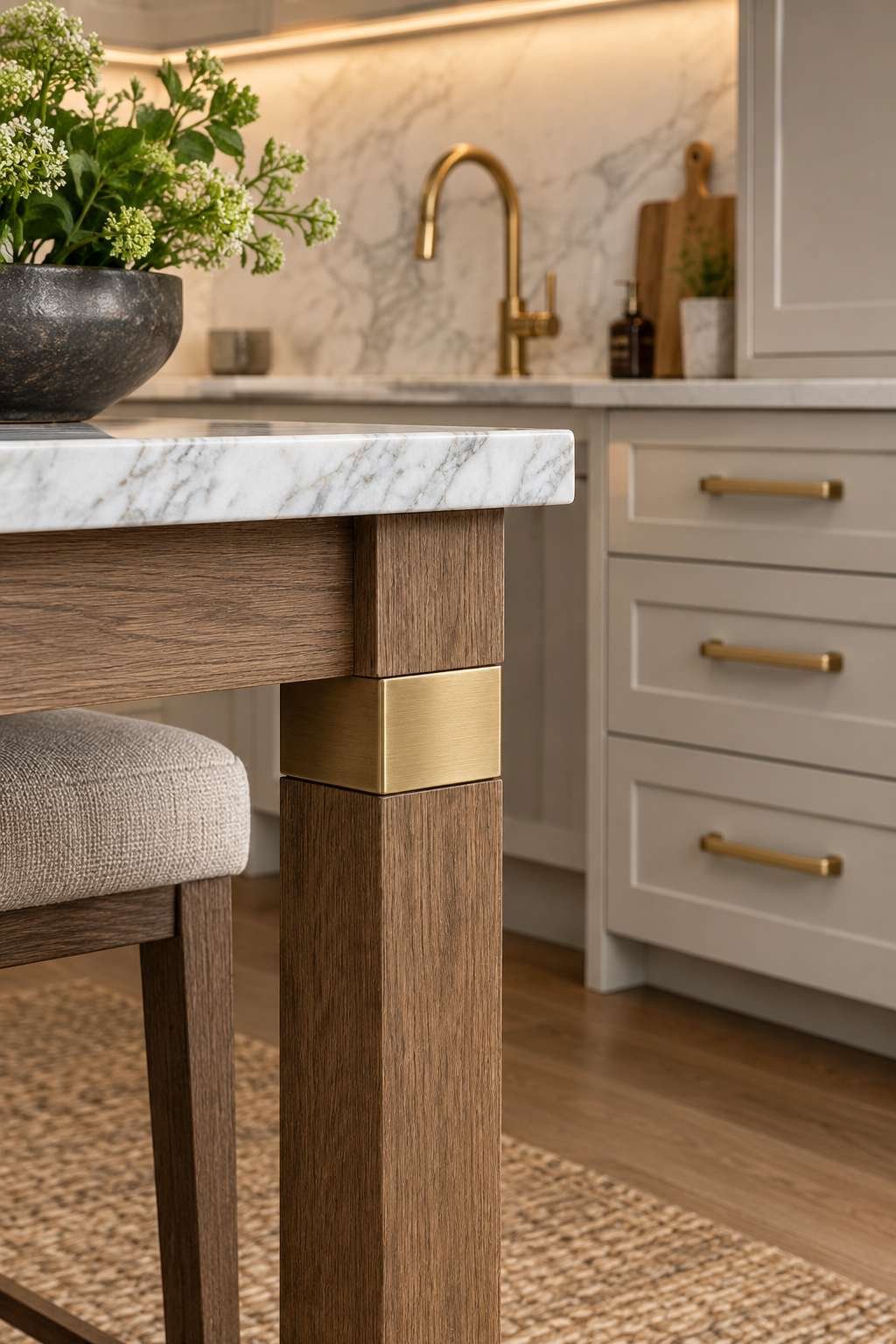
Picking one dominant metal tone and one secondary accent tone keeps a kitchen feeling pulled-together rather than scattered. This is one of the easiest adjustments to make, since it doesn’t require replacing the table itself, only its hardware or paired chairs.
- Match table metal accents to cabinet pulls or faucet finish
- Choose one dominant metal tone throughout the kitchen
- Use a secondary metal tone sparingly, as an accent only
- Swap chair or table hardware before replacing the whole piece
6. Use Chairs to Bridge a Table That Doesn’t Quite Match
If your table’s wood tone or style doesn’t perfectly align with your kitchen, chair choice can help bridge that gap without a full replacement. Chairs in a fabric or finish that echoes your cabinetry or wall color help tie the whole area together visually.
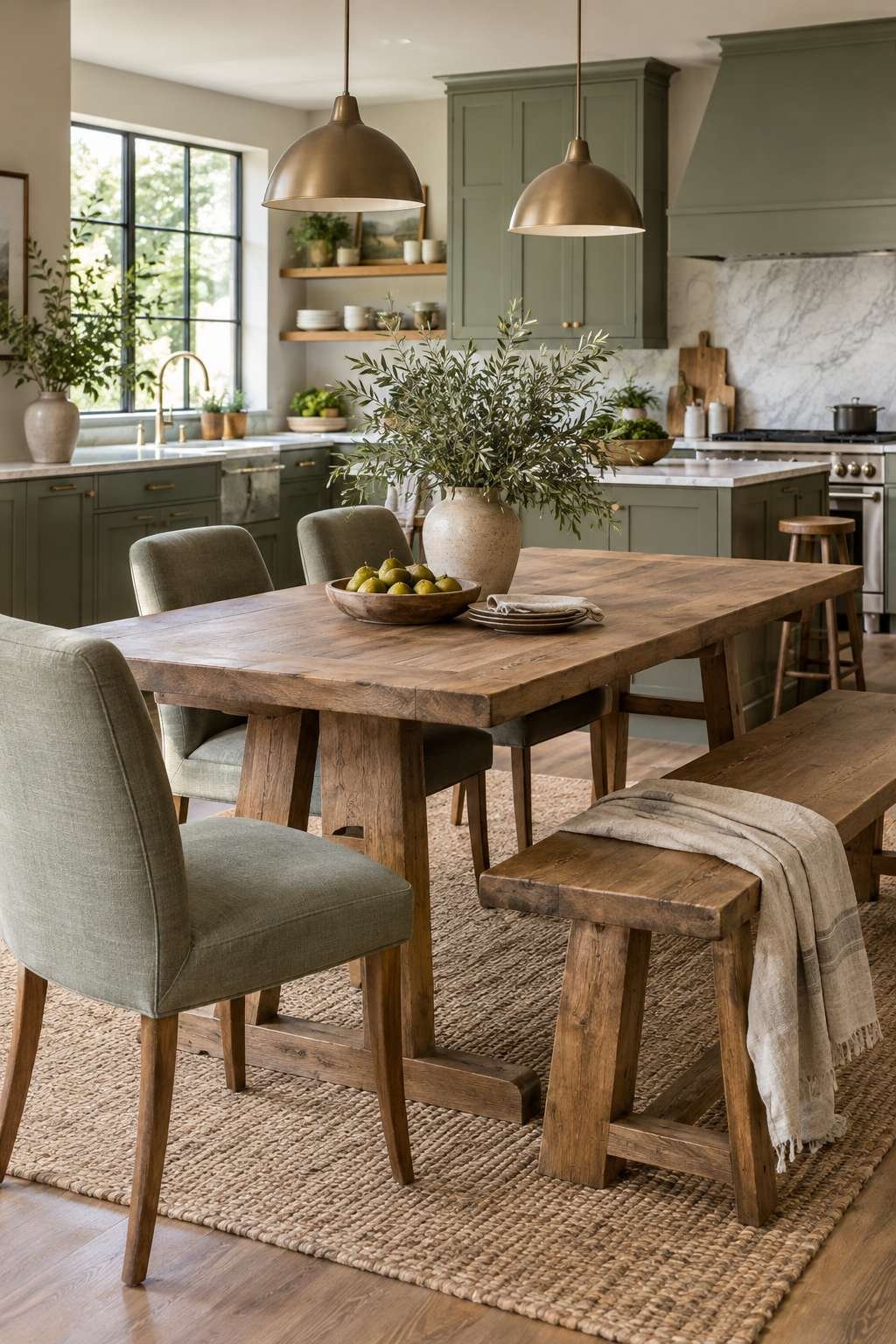
Mixed seating — a bench on one side, chairs on the other — can also distract from a table that feels slightly out of place on its own. This approach works especially well as a budget-friendly fix while you plan a longer-term table upgrade.
- Choose chair fabric or finish that echoes cabinetry or walls
- Mixed seating (bench plus chairs) adds visual interest
- Chair choice is a lower-cost fix than replacing the table
- Reupholstering existing chairs can shift the whole look affordably
7. Layer in Texture Through a Table Runner or Placemats
Textiles are one of the fastest ways to visually connect a table to the rest of the kitchen without any permanent changes. A runner or set of placemats in a color or pattern pulled from your kitchen’s palette softens any remaining mismatch.
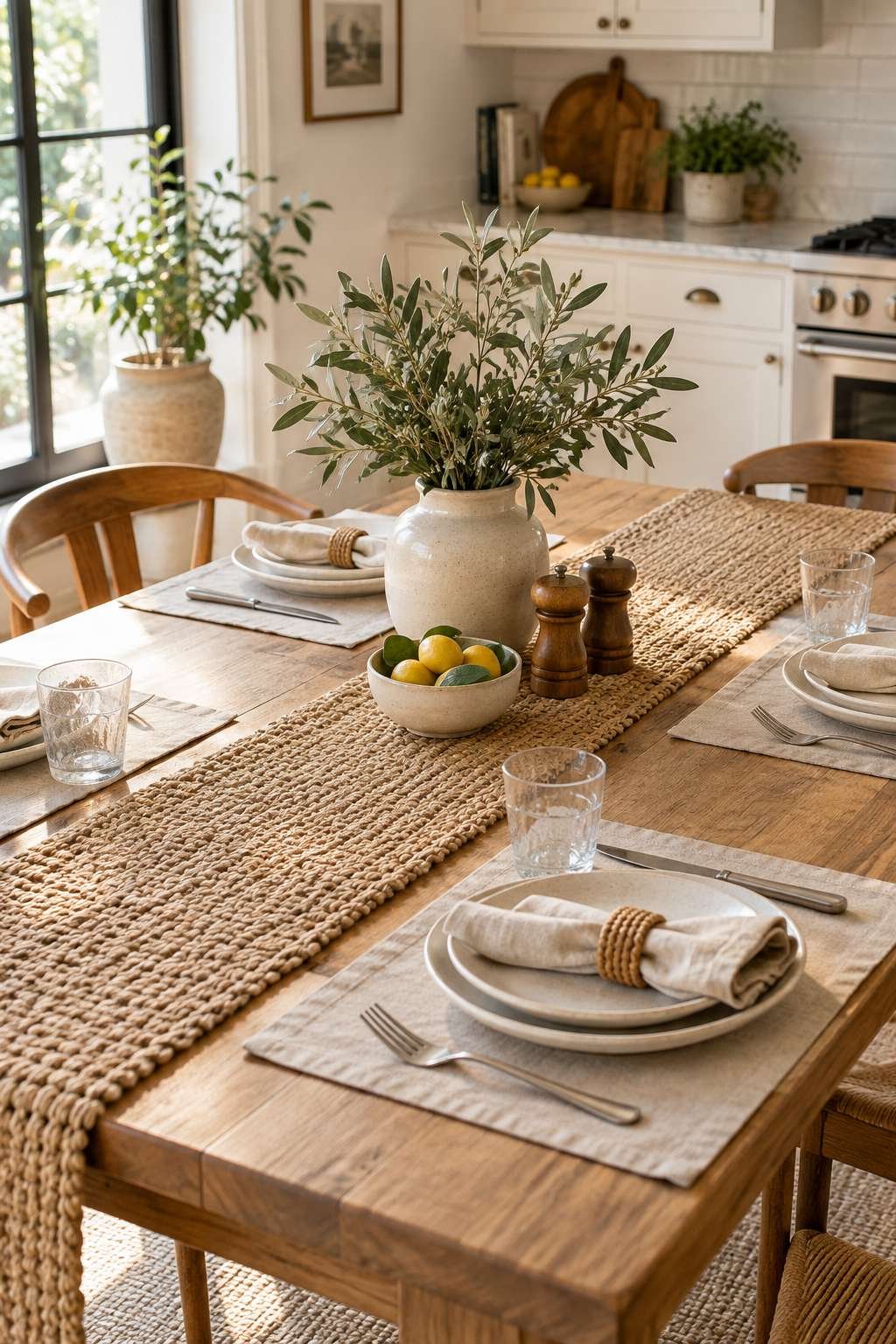
Natural materials like linen, jute, or woven cotton tend to pair well with wood tables across most style eras. Swapping textiles seasonally is also an easy, low-commitment way to keep the space feeling current.
- Pull runner or placemat colors from your existing palette
- Natural fibers (linen, jute, cotton) suit most wood tones
- Swap textiles seasonally for an easy refresh
- Layer a runner under a centerpiece for added depth
8. Add a Centerpiece That Reflects Your Decor Style
A well-chosen centerpiece ties a table into the room’s broader decor without requiring any structural changes. Simple elements like a wood bowl, a small plant, or a ceramic vase can echo materials already present elsewhere in the kitchen.
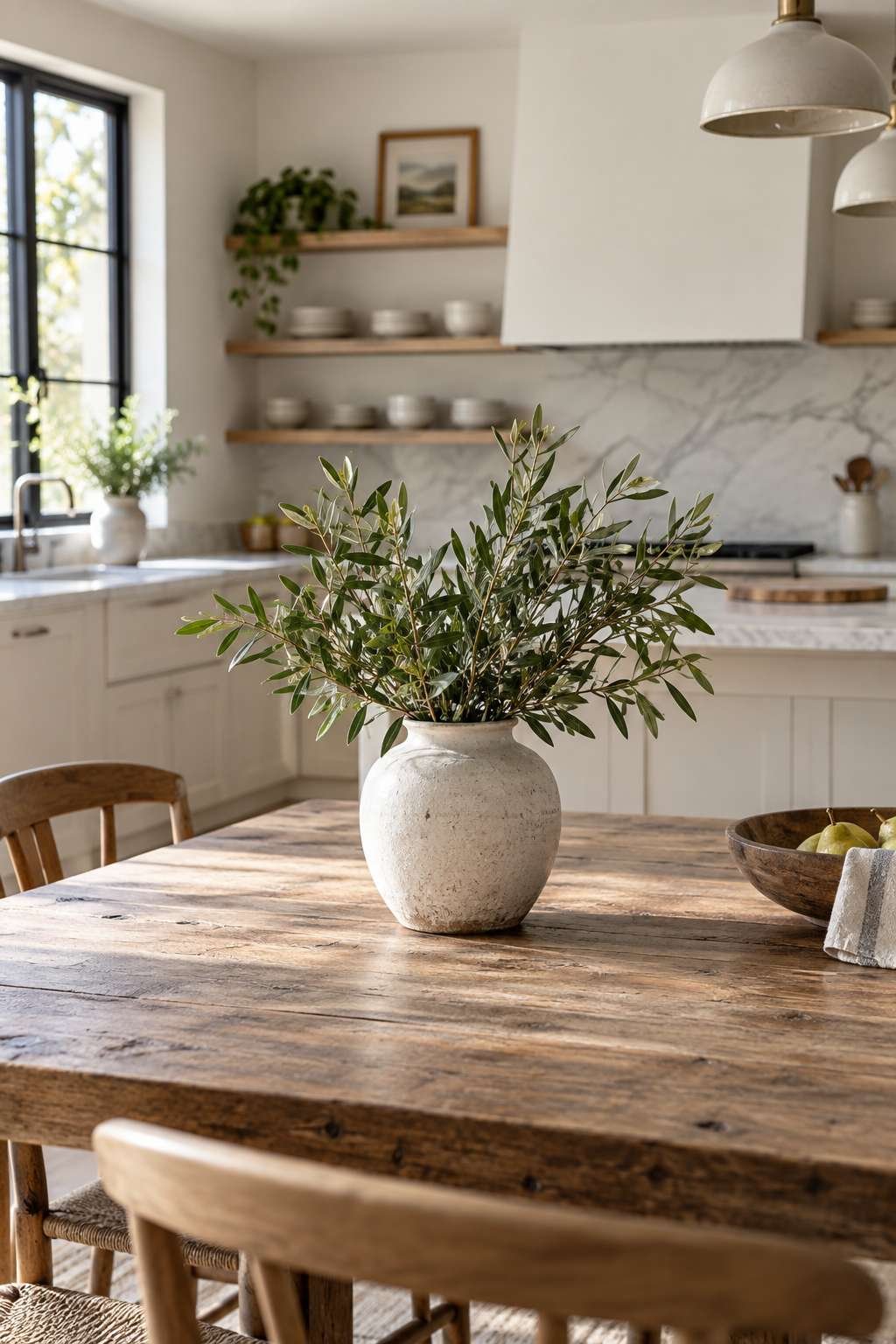
Keep the centerpiece proportional to the table size, since an oversized arrangement can overwhelm a smaller table just as easily as a tiny one can look lost on a large one. Rotating seasonal centerpieces is an easy way to refresh the look without touching the table itself.
- Choose materials (wood, ceramic, glass) that echo the room
- Keep centerpiece scale proportional to the table size
- Rotate seasonal pieces for an easy, low-cost refresh
- Avoid centerpieces that block sightlines across the table
9. Refinish an Existing Table Instead of Replacing It
If your current table’s shape and size work fine but the finish feels dated, refinishing is often more affordable than a full replacement. A new stain or paint color can shift a table’s undertone dramatically without changing its structure.
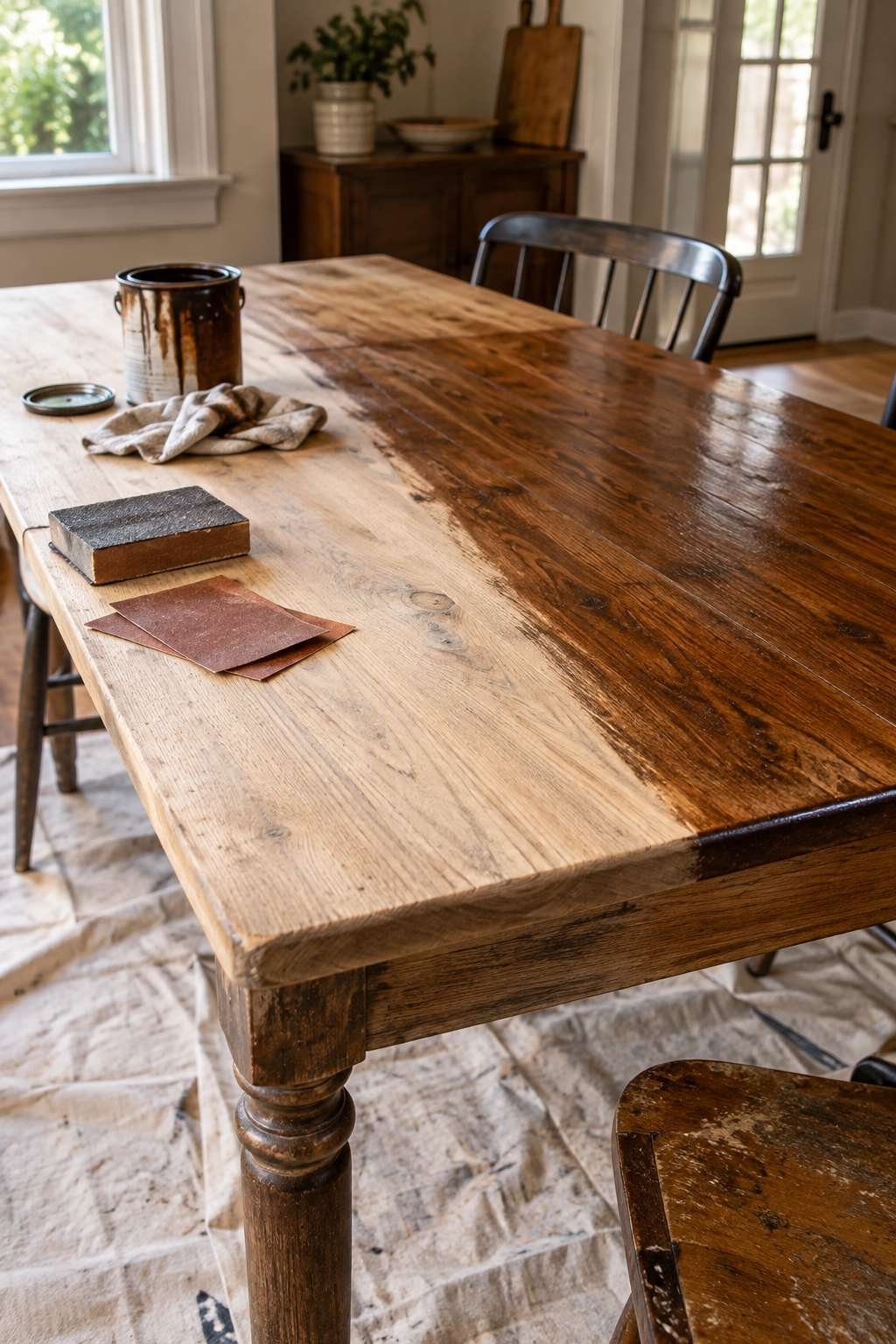
For a full walkthrough of the process, our guide on how to refinish a kitchen table covers sanding, staining, and sealing step by step. This route is especially worth considering for solid wood pieces with good bones but an outdated color.
- Refinishing is usually cheaper than buying a new table
- A new stain can shift undertone without structural changes
- Best suited to solid wood tables in otherwise good condition
- Test stain colors on a hidden spot before committing
10. Coordinate the Table with Nearby Kitchen Features
If you’re planning bigger kitchen changes alongside your table, it’s worth thinking about how everything works together as one space. Our guide on how to make kitchen island additions covers coordinating a new island with your existing table and cabinetry so the whole room reads as one cohesive design.
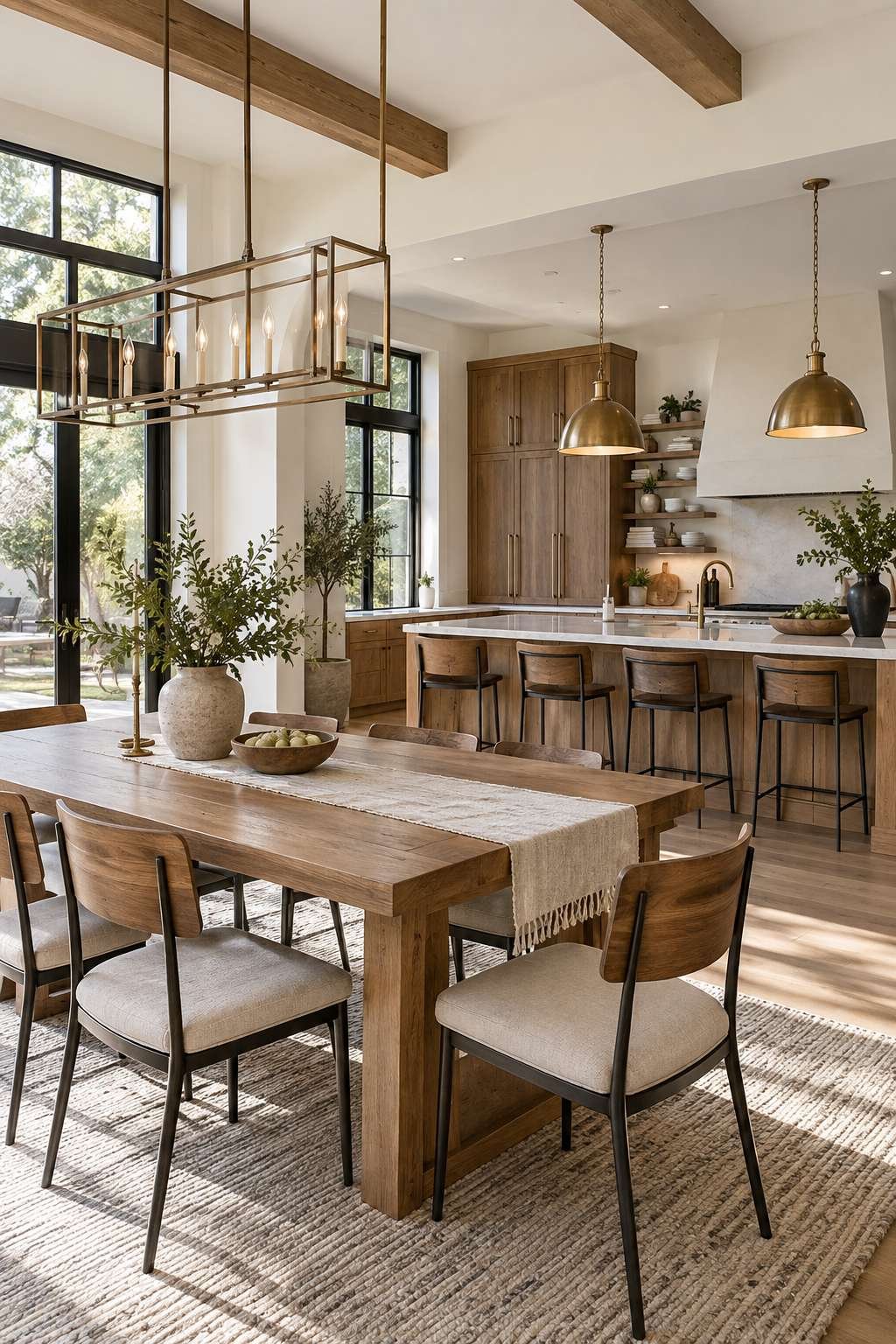
A table near an island should generally share at least one material or color cue with it, whether that’s the wood tone, a matching metal accent, or a shared color family. Planning these pieces together, rather than one at a time, makes the final result feel far more intentional.
- Share at least one material or color cue between table and island
- Plan table and island choices together when possible
- Match seating style across both pieces where it makes sense
- Step back and view the whole kitchen before finalizing choices
Learning how to match a kitchen table with your decor really comes down to a handful of intentional choices — color, wood tone, shape, and style era working together rather than against each other. None of these decisions need to be perfect, just consistent.
Start with the element that’s easiest to change, whether that’s textiles or chairs, before committing to a full table replacement. Small, deliberate adjustments often make the biggest difference in how pulled-together a kitchen feels.

