


Figuring out how much to remodel a bathroom is one of the first questions every homeowner asks before picking up a single paint swatch. Costs swing wildly depending on size, finishes, and how much of the existing layout you’re willing to keep, so a realistic number matters more than a guess pulled from a TV renovation show.
This guide breaks the budget down piece by piece — labor, materials, size, and scope — so you can walk into your first contractor conversation with real numbers instead of a vague hope. If you also want the practical, room-by-room walkthrough of the work itself, our companion post on how to remodel a bathroom pairs well with the numbers below.
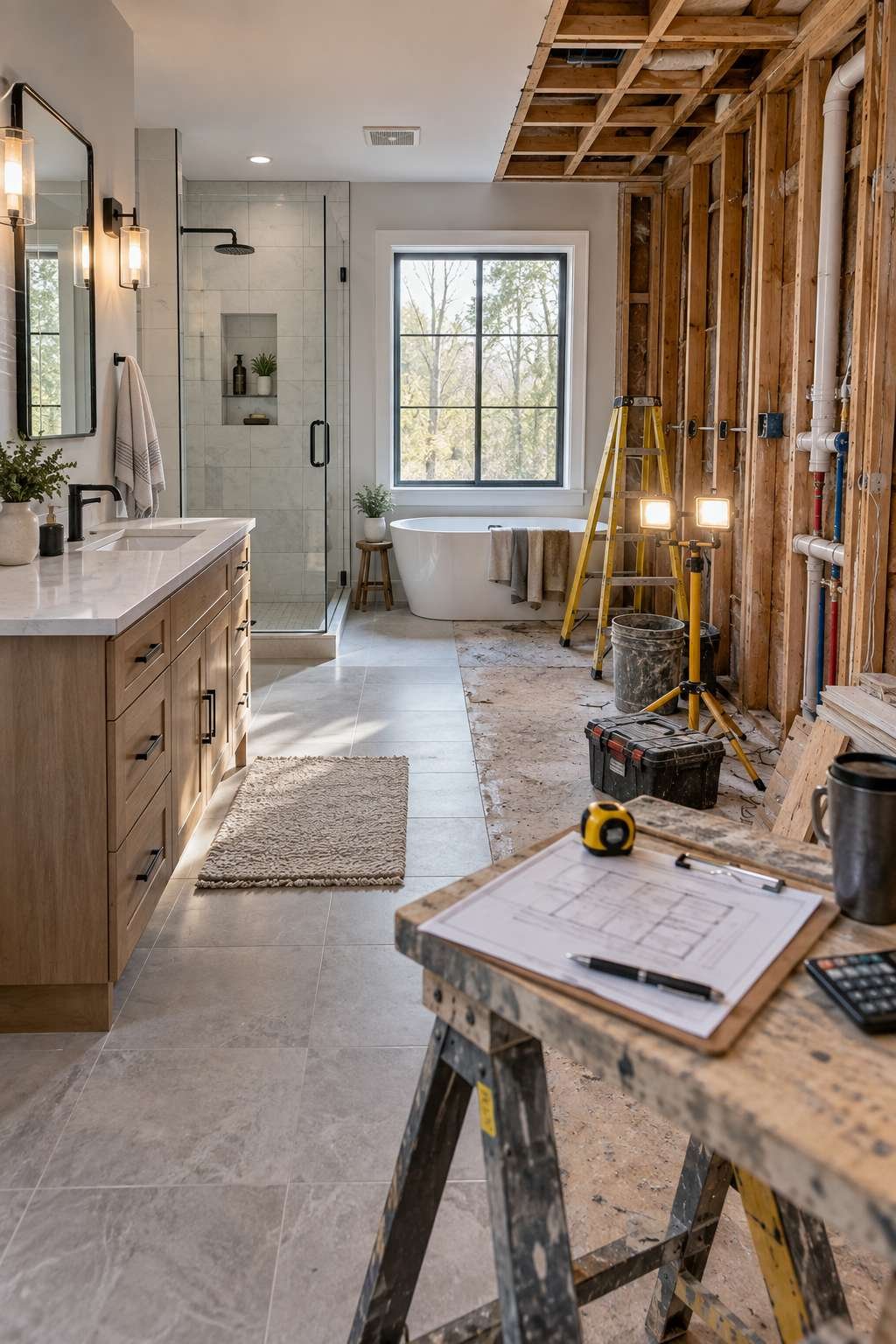
By the end, you’ll know where your money actually goes, which upgrades are worth the splurge, and where you can trim costs without the room looking cut-rate.
1. Average Cost to Remodel a Bathroom
Most homeowners land somewhere between a modest refresh and a full gut renovation, and the national averages reflect that spread. A midrange bathroom remodel typically runs several thousand dollars more than a simple cosmetic update, while a luxury overhaul can climb well past that.
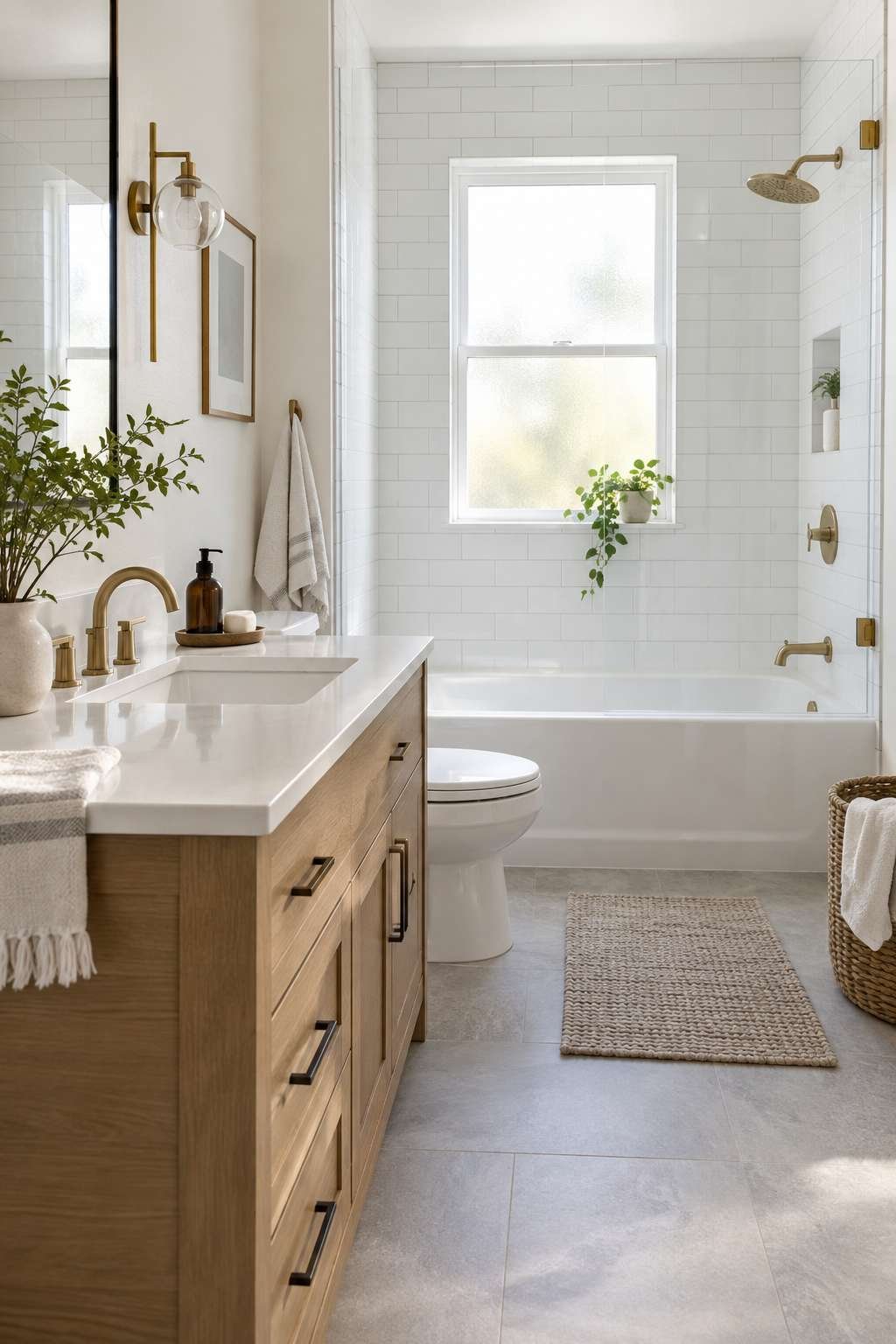
Regional labor rates, local permit fees, and the age of your home’s plumbing all nudge the number up or down. Older homes with outdated wiring or pipe materials tend to carry hidden costs that a newer build simply won’t have.
- Budget-friendly refresh: paint, fixtures, and hardware swaps only
- Midrange remodel: new vanity, tile, and lighting with the same footprint
- High-end remodel: custom tile work, heated floors, and premium fixtures
- Full gut renovation: moved plumbing, new subfloor, structural changes
- Always add a 10-20% contingency on top of your initial estimate
- Get at least three quotes before committing to a contractor
2. Cost by Bathroom Size (Small, Standard, Master)
Square footage is one of the biggest cost drivers, since tile, flooring, and paint are all priced per square foot. A powder room or half-bath remodel costs a fraction of a full bathroom because there’s no tub or shower to retile.
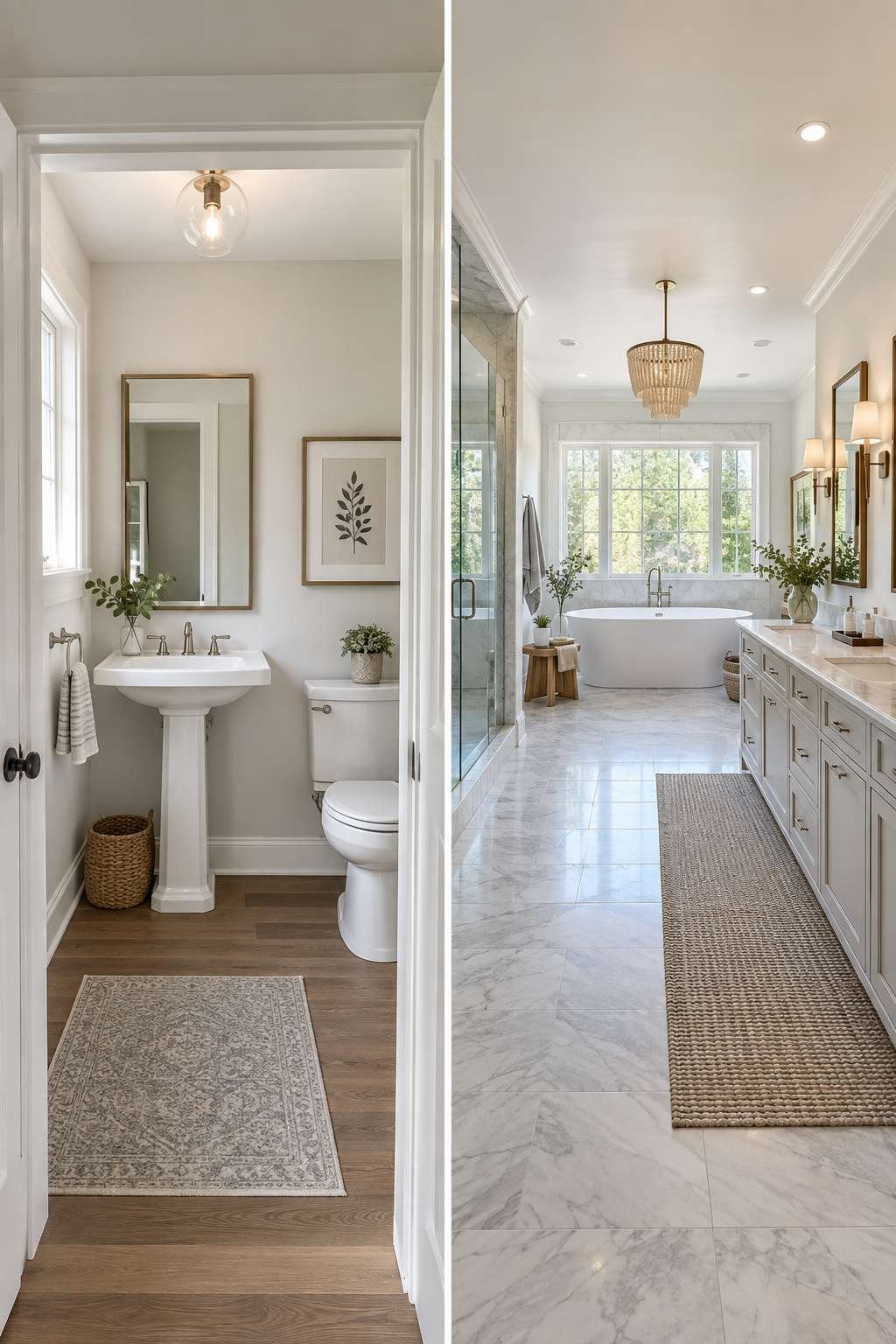
A master bathroom remodel sits at the top of the range — these rooms often include double vanities, larger showers, freestanding tubs, and more square footage overall, which multiplies both material and labor costs. If your space is on the smaller side, our dedicated breakdown of how much to remodel a small bathroom goes deeper into size-specific pricing.
- Half-bath / powder room: lowest cost tier, minimal plumbing work
- Standard 5×8 bathroom: the most common size, moderate cost
- Master bathroom: highest cost due to size and added features
- Larger showers and soaking tubs add significant material cost
- Double vanities roughly double sink and faucet expenses
- More square footage means more tile, labor, and disposal fees
3. Cost by Remodel Scope (Cosmetic vs Full Gut Renovation)
A cosmetic refresh — new paint, a swapped vanity, updated hardware — is the cheapest way to change how a bathroom feels without touching plumbing or electrical. It’s a good option if the existing layout already works for your household.
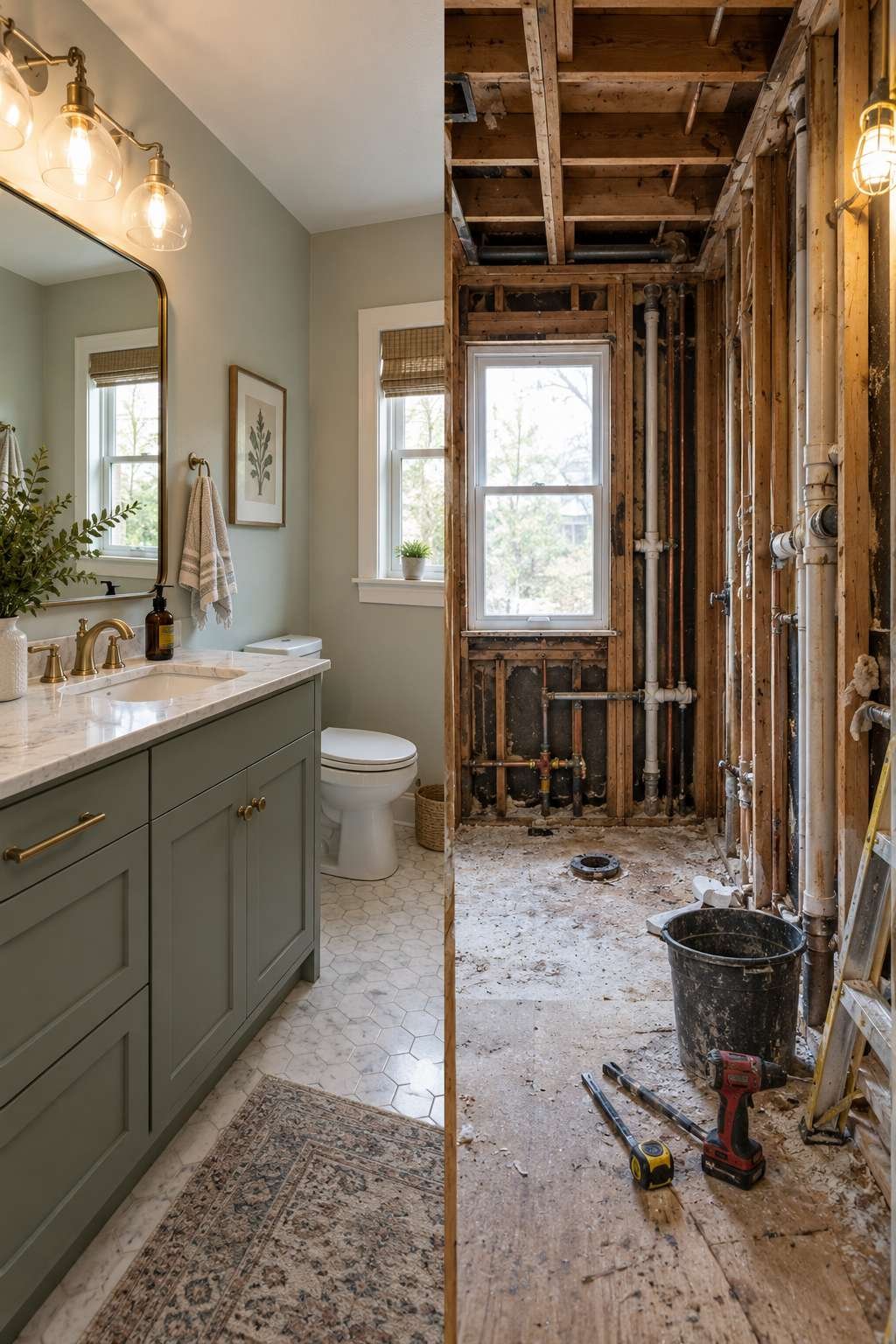
A full gut renovation tears the room down to the studs, which means moving pipes, replacing subfloor, and often pulling permits. This is where budgets balloon fastest, since unexpected issues like water damage or outdated wiring tend to surface once walls come down.
- Cosmetic refresh: paint, hardware, lighting, mirror
- Mid-scope remodel: new vanity, tile, tub-to-shower conversion
- Full gut renovation: moved plumbing, new subfloor, structural work
- Permits are usually required once plumbing or electrical is touched
- Budget extra time and money for full gut projects
- Ask your contractor which scope fits your actual needs
4. Labor Costs vs Material Costs
Labor typically makes up close to half of a bathroom remodel’s total cost, sometimes more in areas with a high cost of living. Skilled trades like plumbers, electricians, and tile setters all charge specialized hourly or per-project rates.
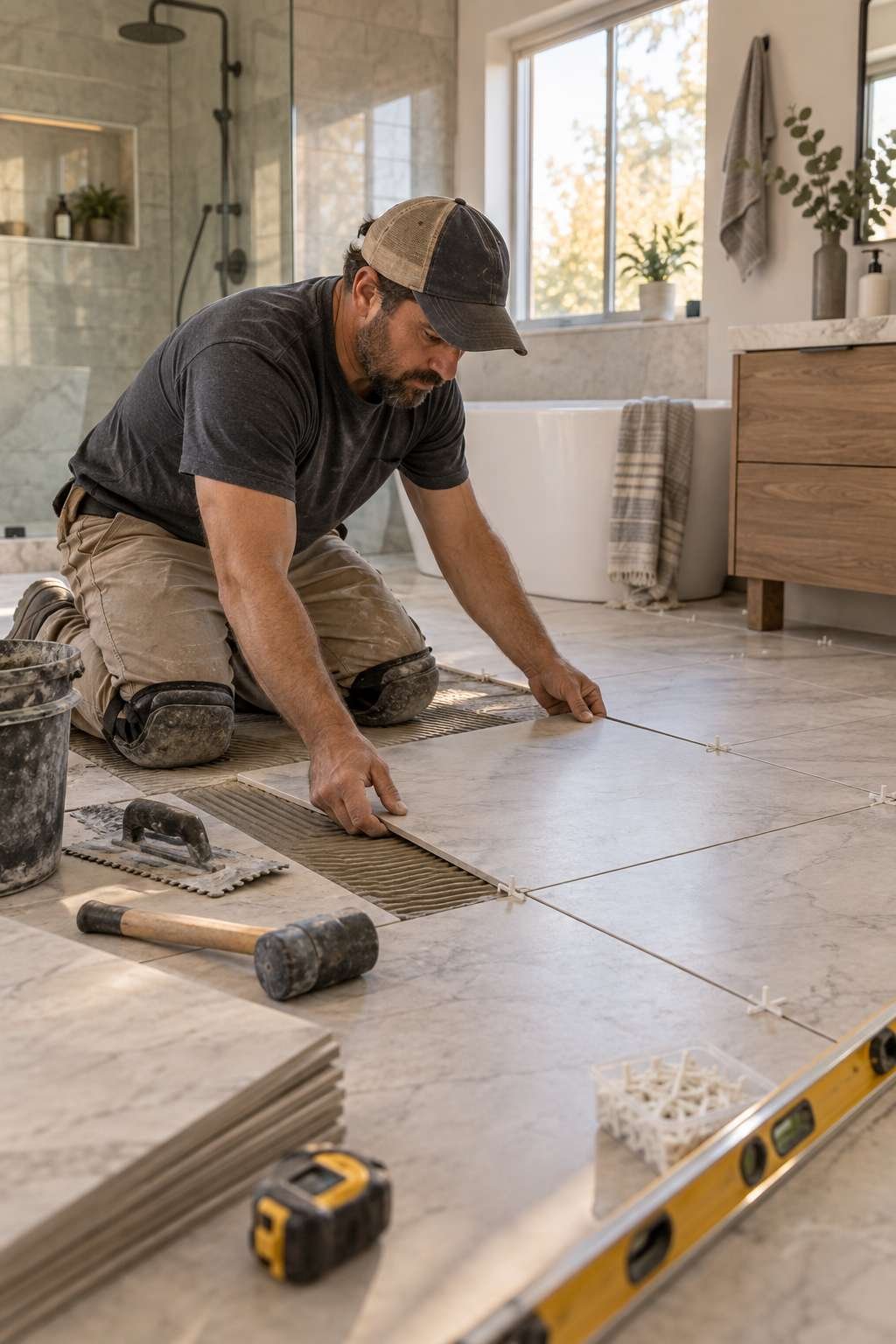
Materials are the more controllable half of the equation — you can choose a $15-per-square-foot tile or a $150-per-square-foot tile for the exact same square footage. Understanding this split helps you decide where to splurge and where to save without guessing blind.
- Plumbing and electrical work commands the highest hourly rates
- Tile setters charge per square foot, with intricate patterns costing more
- General contractors often mark up subcontracted labor 10-20%
- Material costs vary enormously by brand and finish level
- Buying materials yourself can save the contractor markup
- Get itemized quotes so labor and materials are broken out separately
5. Where Your Money Goes: Fixtures, Tile, Vanity
Tile is usually the single biggest line item in a bathroom remodel, covering floors, shower walls, and sometimes accent details. Porcelain and ceramic tile stay budget-friendly, while natural stone and handmade tile push costs up fast.

The vanity and countertop combination is the next major expense, followed closely by the shower or tub enclosure. Fixtures — faucets, showerheads, and hardware — are a smaller slice individually but add up quickly when purchased at premium finish levels like brushed gold or matte black.
- Tile (floor + shower): often the largest single budget category
- Vanity and countertop: second-largest typical expense
- Shower/tub enclosure: glass doors add noticeably to the total
- Faucets and showerheads: small individually, significant in aggregate
- Lighting fixtures: an easy place to add style without huge cost
- Mirrors and hardware: budget-friendly finishing touches
6. DIY vs Hiring a Contractor
Painting, installing a new mirror, or swapping cabinet hardware are reasonable DIY-friendly tasks that shave real money off your total. Anything touching plumbing or electrical, however, usually needs a licensed professional both for safety and for insurance and resale purposes.
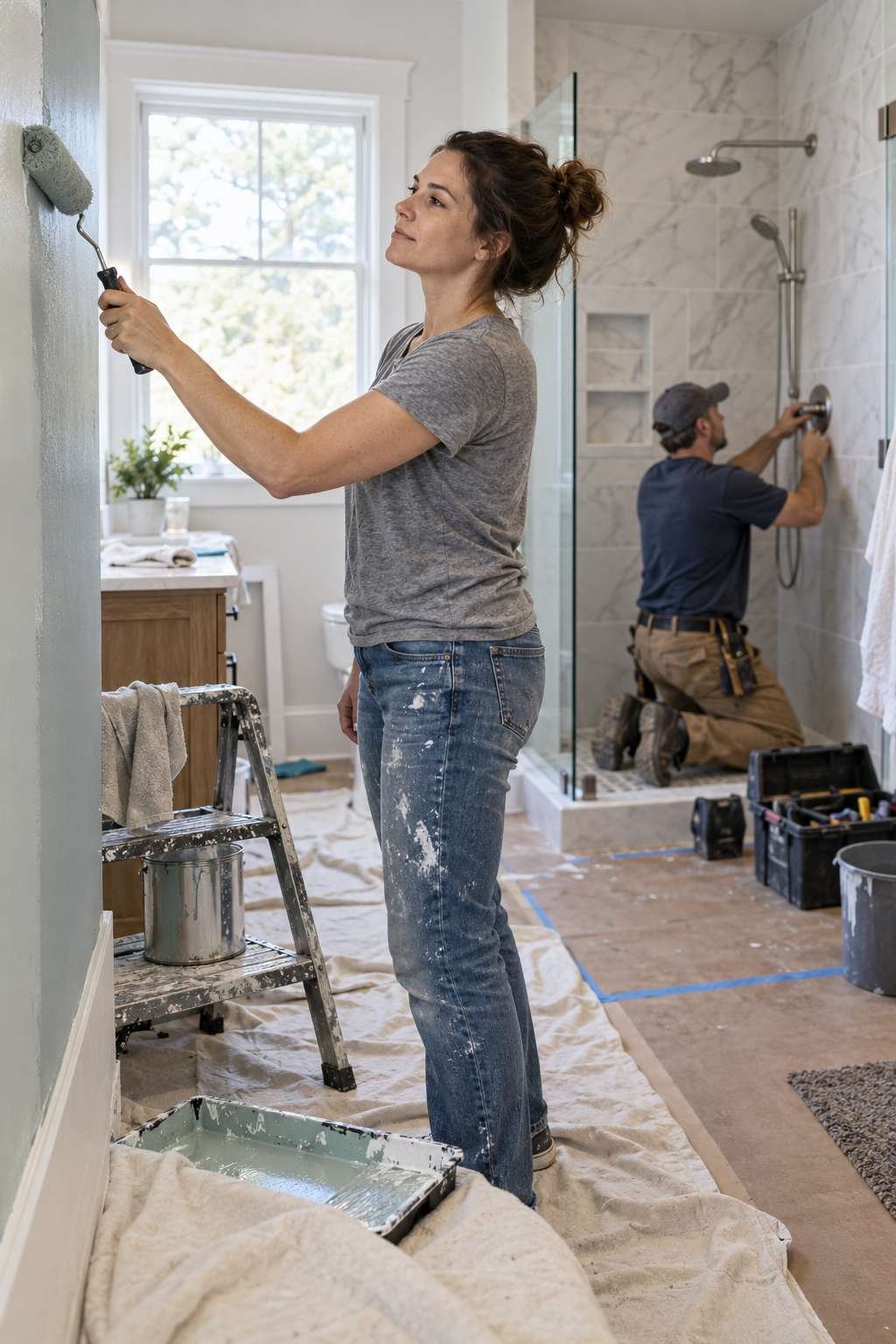
Hiring a general contractor to manage the whole project costs more upfront but saves you from coordinating multiple trades yourself. For anyone weighing this decision, our guide on how to plan a bathroom remodel walks through exactly which stages are safe to DIY and which aren’t.
- DIY-friendly: painting, hardware swaps, accessory installation
- Leave to professionals: plumbing, electrical, structural changes
- A general contractor coordinates trades but adds a management fee
- DIY demolition can save labor cost if done carefully
- Improper DIY plumbing can void warranties and cause water damage
- Weigh your own time and skill level honestly before deciding
7. Ways to Save Money on a Bathroom Remodel
Keeping the existing plumbing layout is the single biggest money-saver, since moving a toilet or shower drain means opening the floor and rerouting pipes. Working within the current footprint avoids this expense entirely.
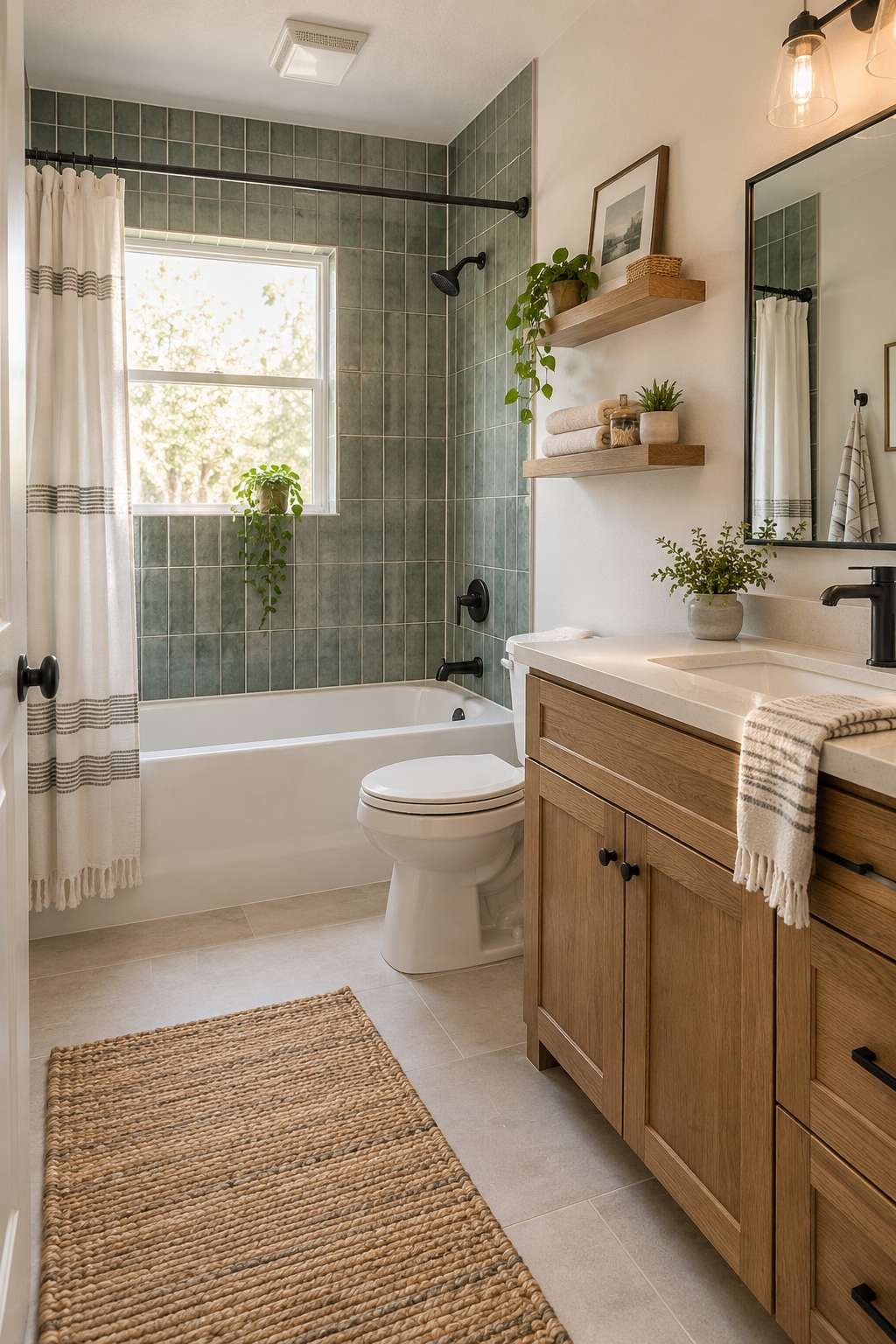
Refinishing a tub instead of replacing it, choosing stock cabinetry over custom builds, and mixing splurge items with budget-friendly ones are all practical ways to keep the total in check without a room that feels compromised.
- Keep the existing plumbing layout whenever possible
- Refinish a tub instead of replacing it outright
- Choose stock or semi-custom cabinetry over fully custom builds
- Mix one splurge item (tile, fixture) with budget choices elsewhere
- Shop end-of-season sales for tile and fixtures
- Do your own demolition and painting if comfortable doing so
8. Hidden Costs to Budget For
Every remodel budget should include a cushion for surprises, because opening up walls or flooring often reveals problems that weren’t visible during planning. Water damage, mold, or outdated wiring are the most common discoveries once a project is underway.
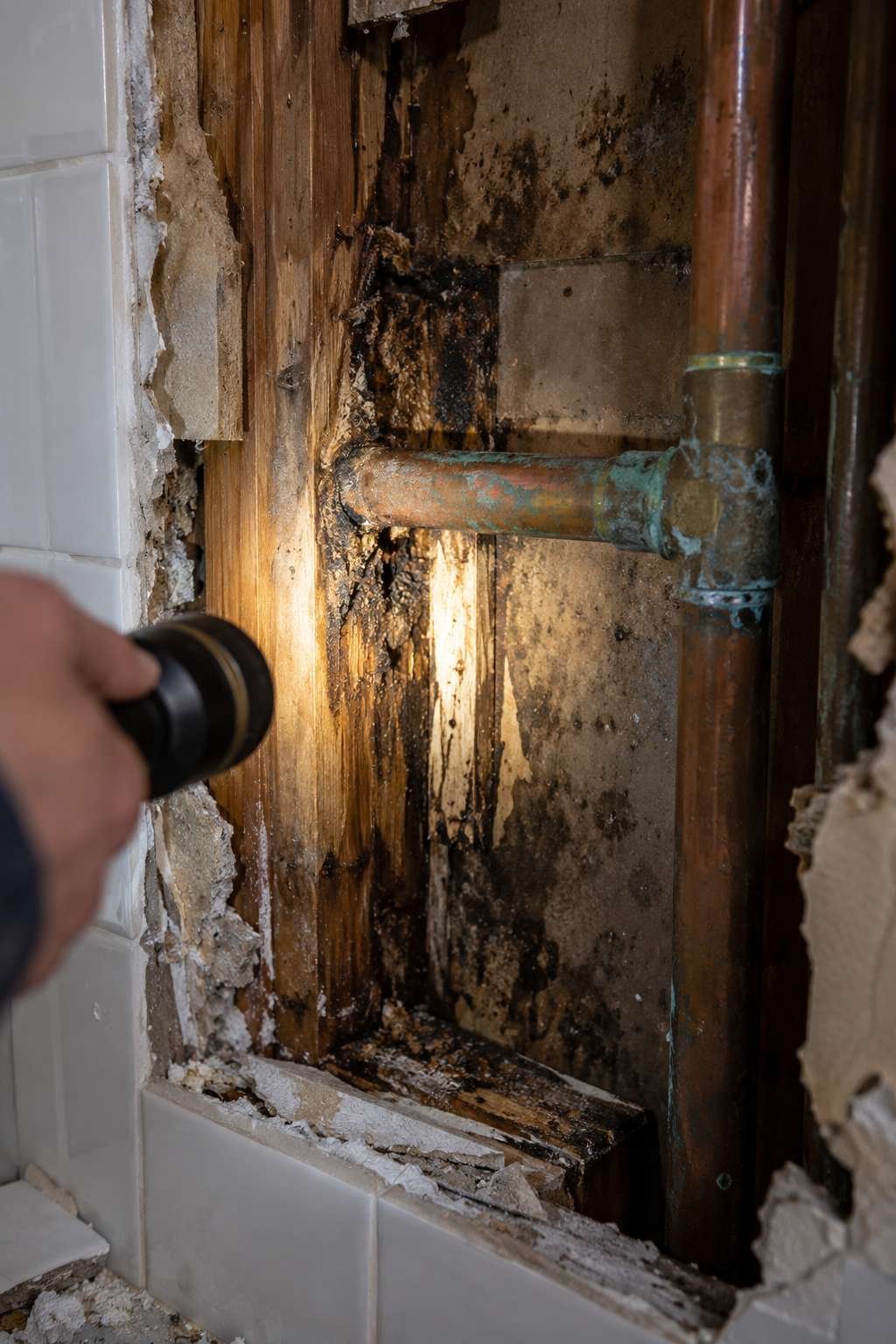
Permit fees, dumpster rental, and temporary bathroom access (like a portable toilet during a full renovation) are smaller line items that still add up and are easy to forget when building an initial estimate.
- Water damage or mold behind existing tile or drywall
- Outdated plumbing or wiring that doesn’t meet current code
- Permit and inspection fees, which vary by municipality
- Dumpster rental and debris disposal costs
- Temporary facilities if the only bathroom is out of commission
- A 10-20% contingency fund built into the original budget
9. How to Get an Accurate Quote
A trustworthy quote should be itemized, breaking out labor, materials, and any subcontractor fees separately rather than one lump number. This makes it much easier to compare bids apples-to-apples across different contractors.
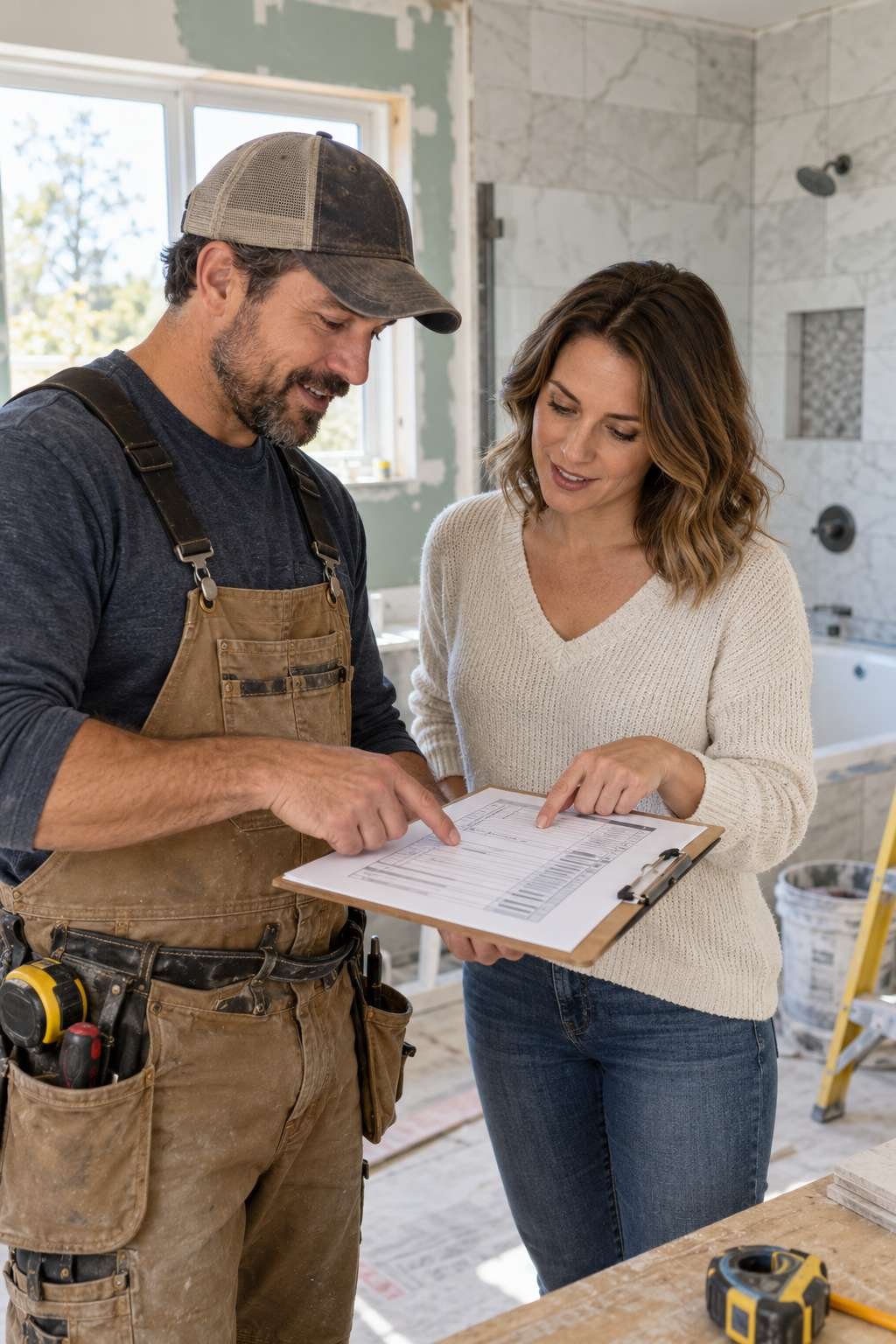
Always confirm what’s included — demolition, disposal, and cleanup are sometimes billed separately — and ask each contractor for references from similar-scope projects. Our step-by-step post on how to plan a bathroom remodel covers exactly what questions to ask before signing anything.
- Request itemized quotes, not just one total number
- Confirm demolition, disposal, and cleanup are included
- Ask for references from recently completed, similar-sized projects
- Compare at least three quotes before choosing a contractor
- Clarify the payment schedule and change-order process upfront
- Get the final scope of work in writing before starting
10. Timeline and Planning for Your Budget
Cost and timeline are closely linked, since longer projects mean more labor hours and a longer stretch of living without a functioning bathroom. Knowing roughly how long the work will take helps you plan finances and daily logistics together.
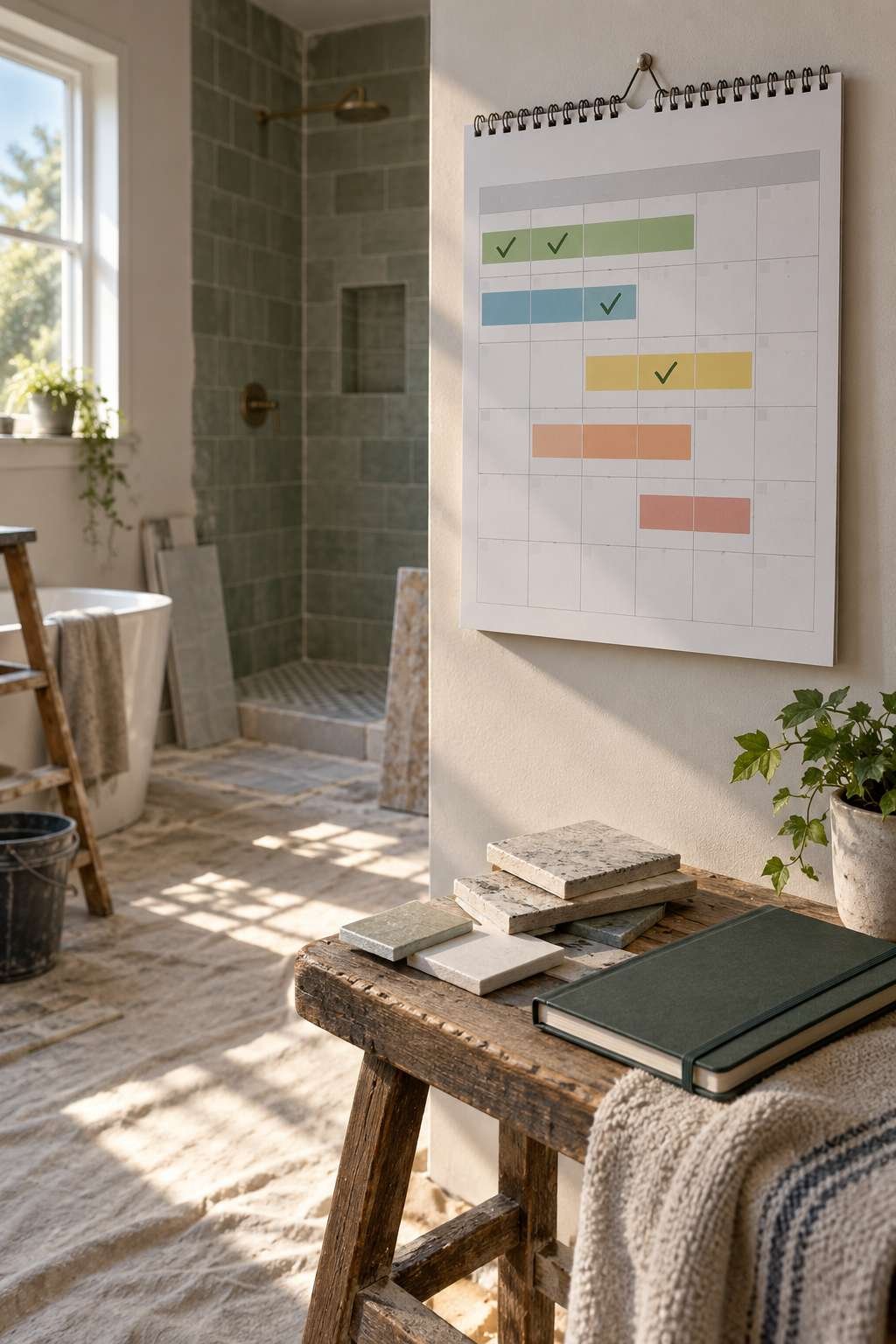
A cosmetic refresh can wrap up in days, while a full gut renovation with custom tile work and moved plumbing can stretch much longer. For the exact ranges by project type, our companion posts on how long does it take to remodel a bathroom and how long does a bathroom remodel take break the timeline down stage by stage.
- Cosmetic refresh: fastest turnaround, minimal disruption
- Standard remodel: moderate timeline, plan for temporary bathroom access
- Full gut renovation: longest timeline, factor in permit approval time
- Material lead times (custom tile, cabinetry) can extend the schedule
- Build a timeline buffer alongside your budget contingency
- Confirm your contractor’s current availability before finalizing your budget
Frequently Asked Questions
How do you design a bathroom remodel?
Start by listing your must-haves versus nice-to-haves, then measure the space and decide whether you’re keeping the existing plumbing layout. From there, choose a cohesive palette for tile, vanity, and fixtures before requesting contractor quotes.
How can you remodel a bathroom cheap?
Keep the existing plumbing layout, refinish rather than replace where possible, and choose stock cabinetry and mid-range tile instead of custom or luxury materials. DIY-friendly tasks like painting and hardware swaps also help stretch a tight budget further.
How much does it cost to remodel a bathroom?
Total cost depends heavily on size and scope, ranging from a modest sum for a cosmetic refresh to a much larger investment for a full gut renovation. Getting itemized quotes from local contractors is the most reliable way to nail down your specific number.
How much does it cost to remodel a master bathroom?
Master bathrooms typically cost more than standard bathrooms because of their larger footprint, double vanities, and features like soaking tubs or oversized showers. Expect the total to sit toward the higher end of the overall remodeling range.
Conclusion
A bathroom remodel doesn’t have to be a budgeting mystery once you understand where the money actually goes — size, scope, labor, and material choices all shift the final number in predictable ways. Use the ranges and checklists above as your starting point, then get itemized quotes to turn those estimates into a real plan.
Whether you’re aiming for a quick cosmetic refresh or a full gut renovation, a little planning now means fewer surprises once demolition starts. Take the numbers here, walk through your priorities room by room, and go into your first contractor meeting ready to build the bathroom you actually want.

