


Redoing a kitchen is one of the most exciting home projects you can take on, but it’s also one of the most confusing when it comes to money. If you’ve been searching for how much does it cost to redo a kitchen, you’ve probably noticed that estimates online range wildly, from a few thousand dollars to well over fifty thousand.
That’s because a kitchen remodel isn’t one single purchase, it’s a collection of smaller decisions that all add up. This guide breaks those decisions down piece by piece, so you can walk into your project with a realistic number in mind instead of a guess.

1. Understanding the Average Cost to Redo a Kitchen
Most homeowners spend somewhere between $15,000 and $40,000 on a mid-range kitchen remodel, though budget refreshes can come in under $10,000 and luxury overhauls can climb past $75,000. The final number depends on the size of your kitchen, the quality of materials you choose, and whether you’re changing the layout or keeping it the same.
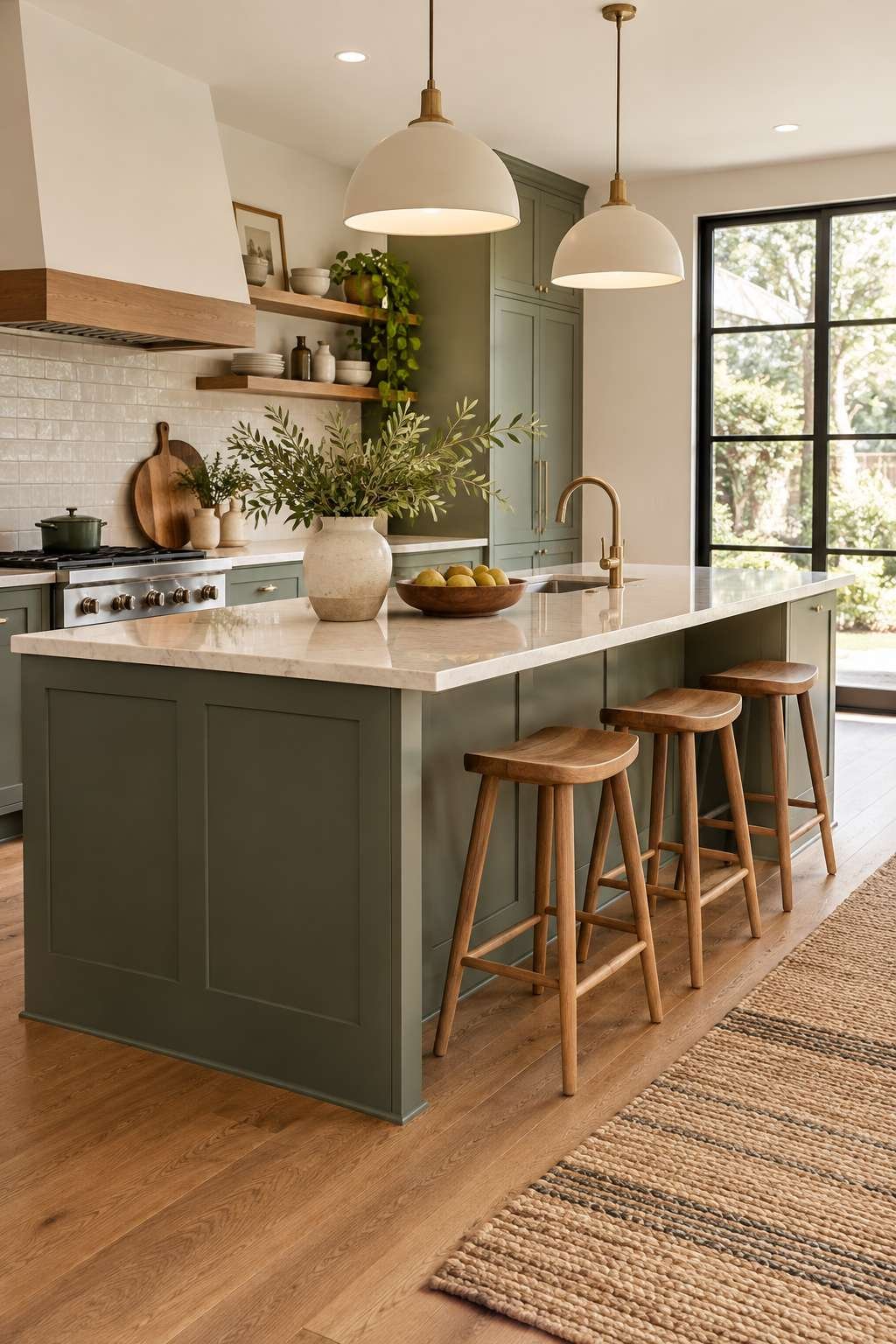
A good starting point is to think in terms of cost per square foot, which typically lands between $100 and $250 for a full remodel. This range gives you a quick sanity check before you get attached to a specific wish list, and it makes it easier to compare quotes from different contractors later on.
- Get at least three contractor quotes before committing to a number
- Use cost-per-square-foot as your first budgeting checkpoint
- Separate “must-have” costs from “nice-to-have” costs early
- Add a contingency of 10-20% for surprises
- Revisit your budget after each major decision, not just at the start
2. Small vs. Large Kitchen Remodel Costs
Kitchen size has a bigger impact on price than most people expect. A small kitchen, under 100 square feet, might cost $10,000 to $20,000 for a solid mid-range refresh, since there’s simply less surface area to cover in cabinets, counters, and flooring. A large kitchen, 200 square feet or more, can easily double or triple that number because every material line item scales with square footage.
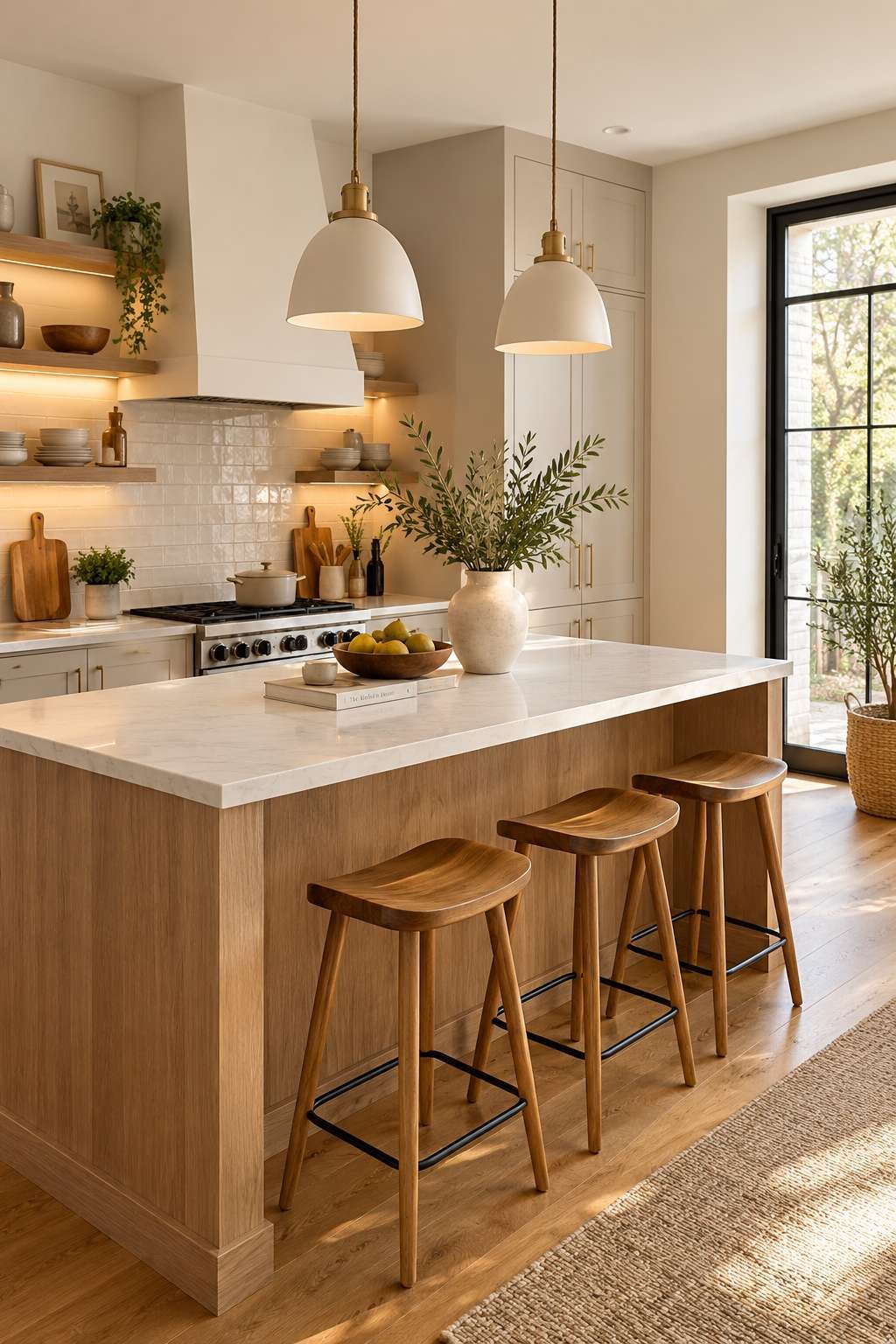
Layout also plays a role that’s easy to overlook. An L-shaped or galley kitchen is generally cheaper to redo than an open-concept kitchen with an island, since islands add plumbing, electrical, and extra cabinetry all at once.
- Measure your kitchen’s square footage before requesting quotes
- Ask whether your layout requires moving plumbing or electrical lines
- Compare per-square-foot pricing across similarly sized kitchens
- Consider whether an island is a want or a genuine need
- Factor in ceiling height if you’re adding upper cabinets
3. Cabinet Costs: The Biggest Line Item
Cabinets typically eat up 30-40% of your total budget, making them the single largest expense in most remodels. Stock cabinets from a home improvement store are the most affordable option, while semi-custom and fully custom cabinets climb quickly in price due to made-to-order sizing and finishes.
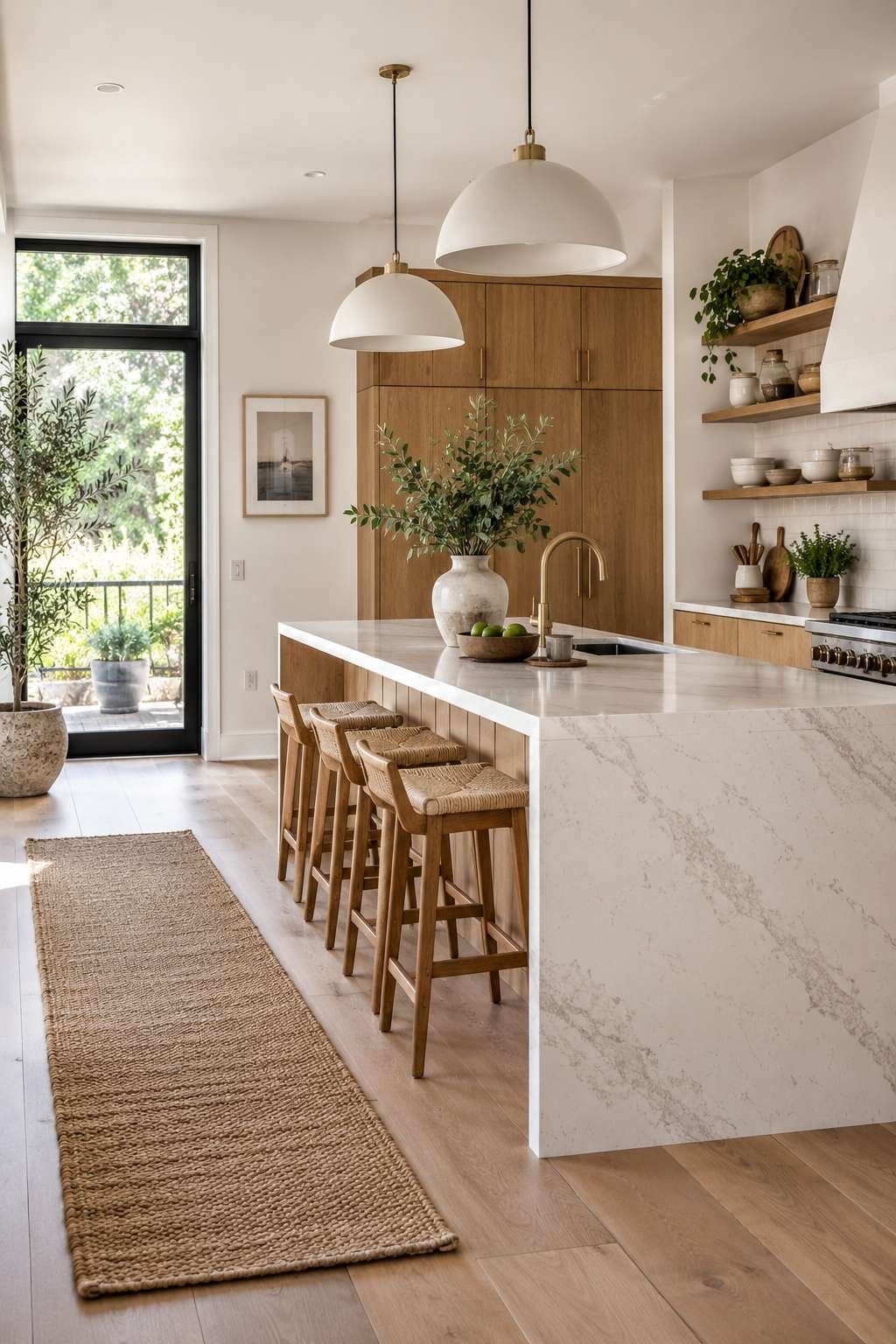
If your existing cabinet boxes are in good structural shape, refacing or repainting them can save thousands compared to a full replacement. For a deeper breakdown of pricing tiers and finish options, our guide on How to Redo Kitchen Cabinets walks through exactly what drives cabinet costs up or down.
- Consider refacing instead of replacing if the boxes are solid
- Compare stock, semi-custom, and custom pricing side by side
- Ask about soft-close hinges and drawers as a value-add
- Choose a finish that won’t need refinishing again in 5 years
- Request samples before committing to a cabinet color or material
4. Countertop Material Costs
Countertops are where style and budget often collide. Laminate remains the most affordable option, running roughly $20-$50 per square foot installed, while natural stone like granite or quartz can run $60-$150 per square foot depending on the slab and edge profile you choose.
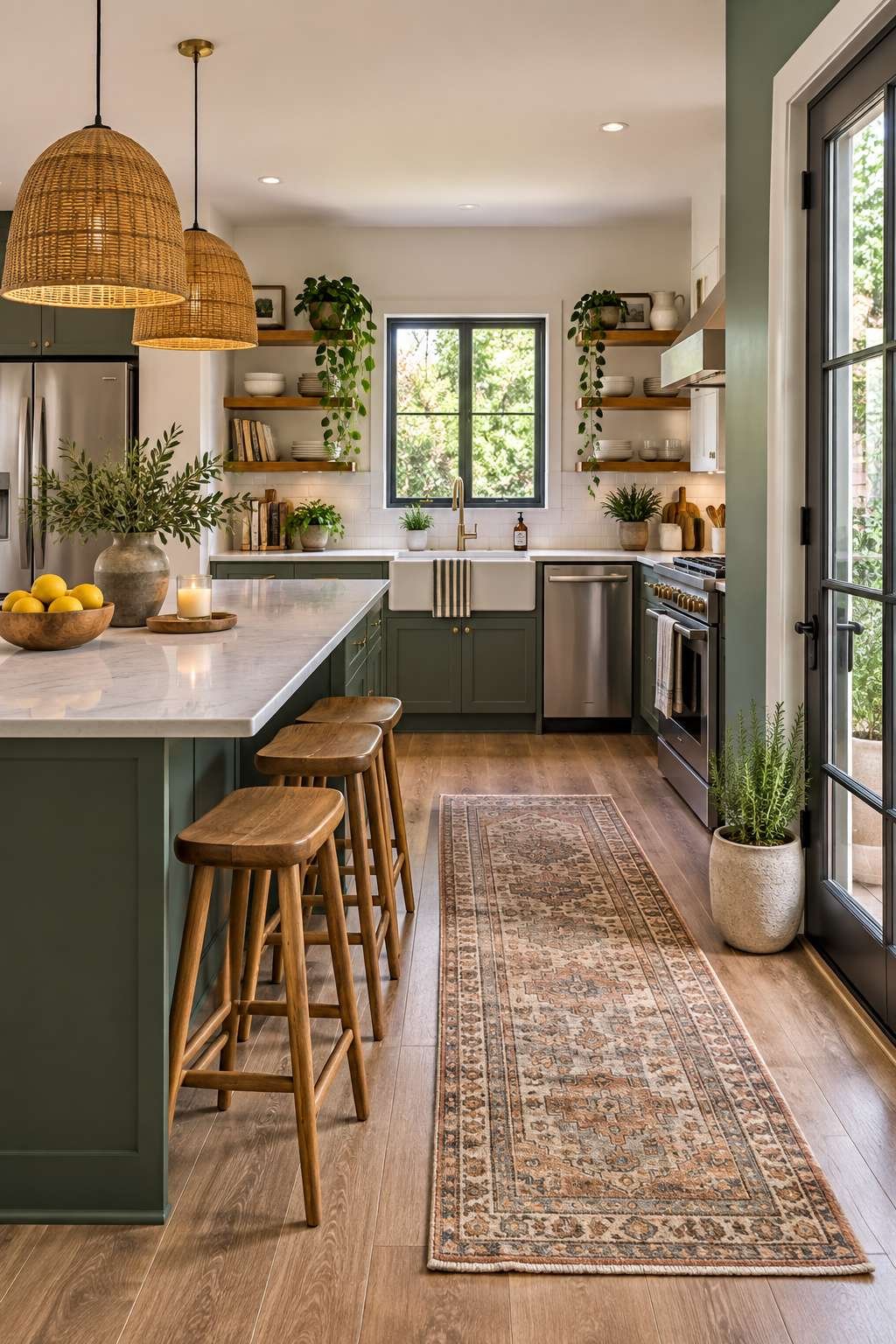
Quartz has become a popular middle ground because it mimics the look of stone while requiring less maintenance. Whatever material you land on, always price the installation separately from the material itself, since fabrication and edge work can add a meaningful amount to the final bill.
- Get material and installation costs quoted separately
- Ask about seam placement before finalizing slab size
- Consider quartz for a low-maintenance, stone-like look
- Order extra material for backsplash matching if desired
- Confirm the warranty covers both material and installation defects
5. Appliance Costs and Upgrades
New appliances can range from a modest $3,000 for a basic matching set to $15,000 or more for high-end, built-in options. If your current appliances still work well, keeping them is one of the easiest ways to trim your overall budget without sacrificing much visually.
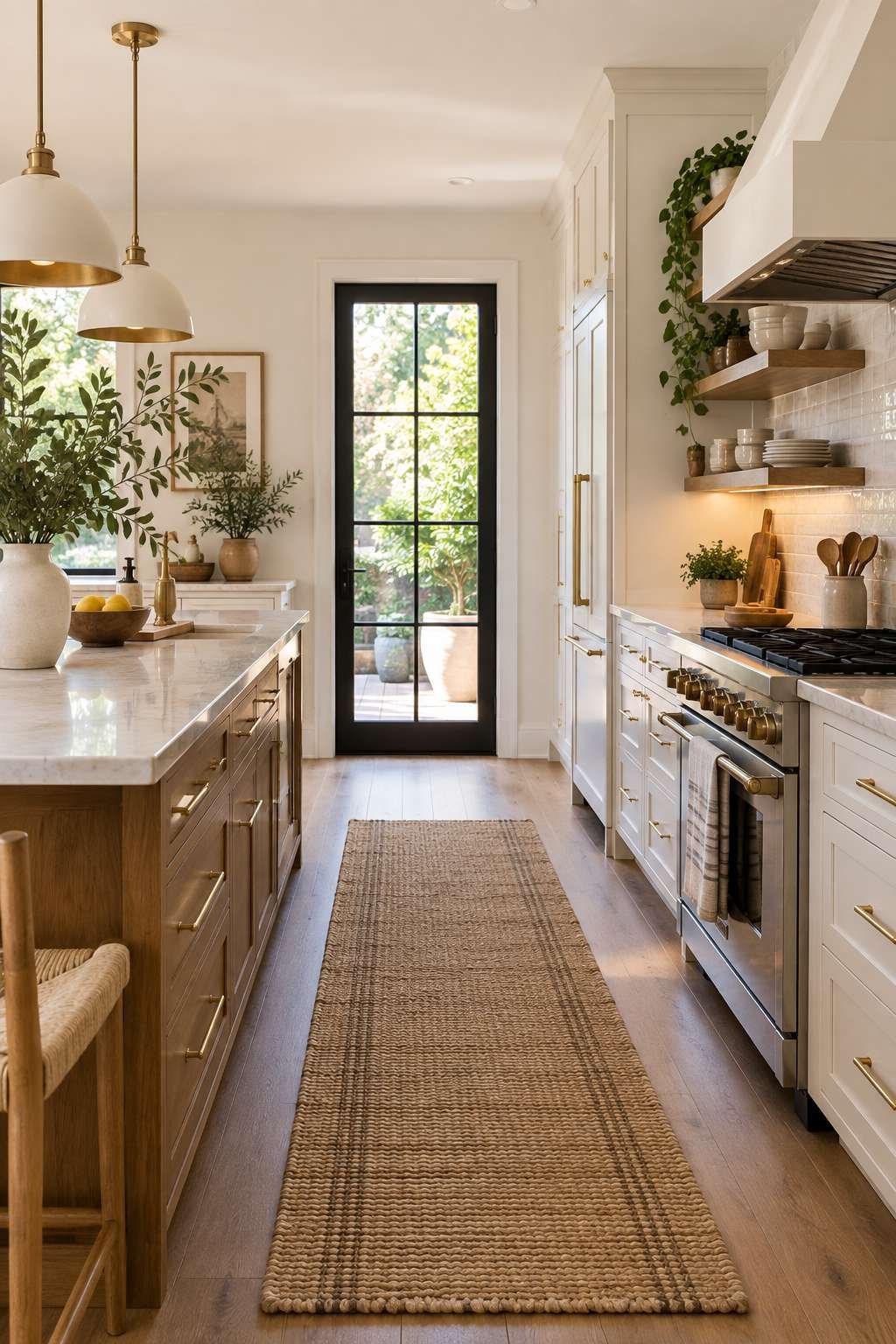
When you do upgrade, energy-efficient models often cost more upfront but can lower utility bills over time, which is worth factoring into your long-term math rather than just the sticker price.
- Keep working appliances if they still fit your layout
- Compare energy ratings, not just upfront price
- Bundle appliance purchases for potential package discounts
- Measure openings carefully before ordering new units
- Ask about delivery and installation fees, which are often separate
6. Flooring Costs for a Kitchen Remodel
Flooring costs vary enormously depending on material. Vinyl plank is budget-friendly at roughly $3-$7 per square foot installed, while tile and hardwood typically run $8-$15 per square foot depending on the pattern and labor involved.
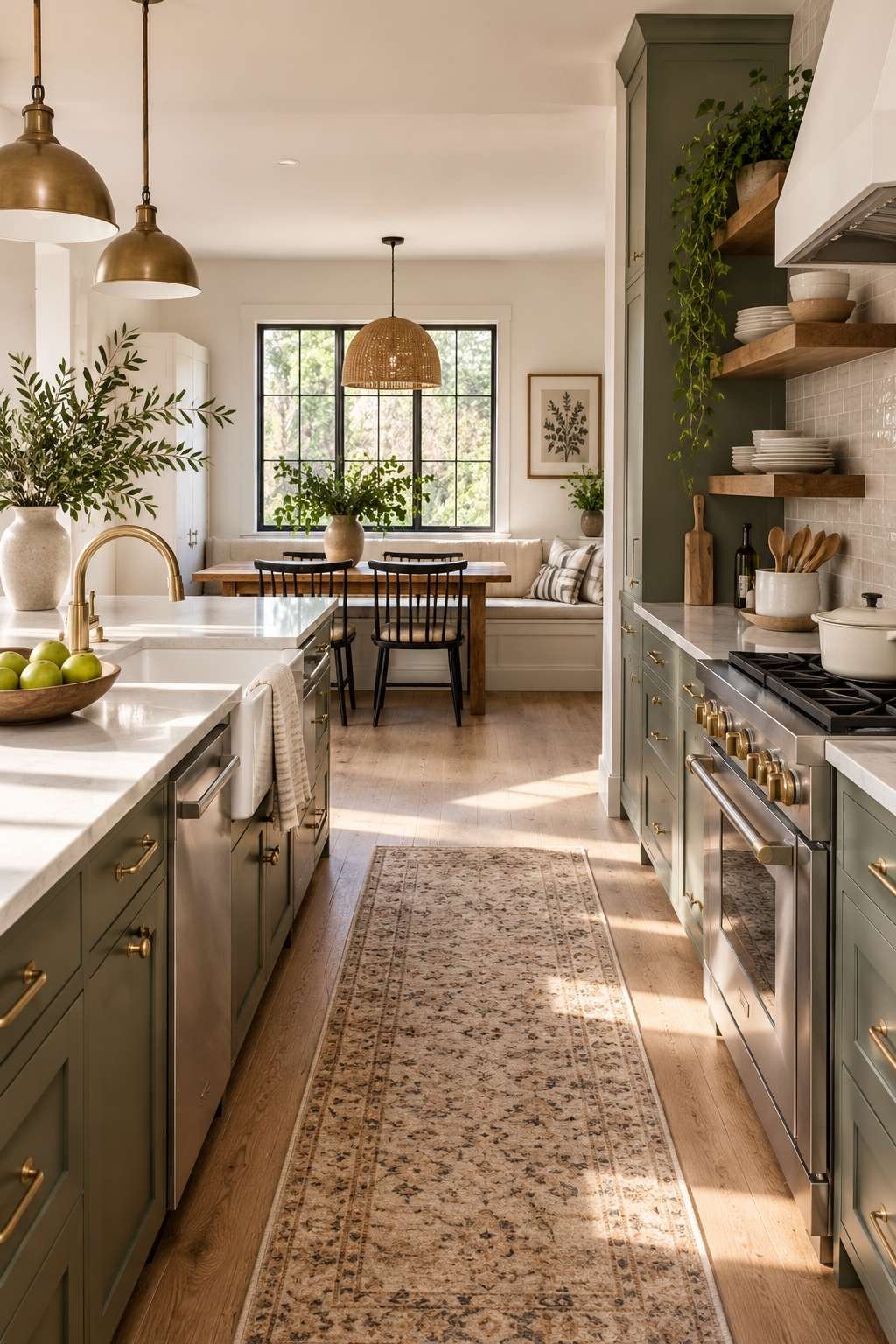
Kitchens see heavy foot traffic and occasional spills, so durability matters as much as appearance. Water-resistant options tend to hold up better over time and can prevent costly repairs down the line.
- Prioritize water-resistant materials for kitchen zones
- Get samples home to check how they look in your lighting
- Ask installers about subfloor prep costs before quoting
- Choose grout colors that hide everyday grime
- Confirm flooring is installed before or after cabinets, per your contractor’s plan
7. Labor Costs: DIY vs. Hiring Pros
Labor typically makes up 20-35% of your total remodel cost, and it’s the category where DIY can create the biggest savings, if you have the right skills. Painting, demolition, and basic installation are reasonable DIY tasks for many homeowners, while electrical, plumbing, and structural work should almost always go to a licensed professional.
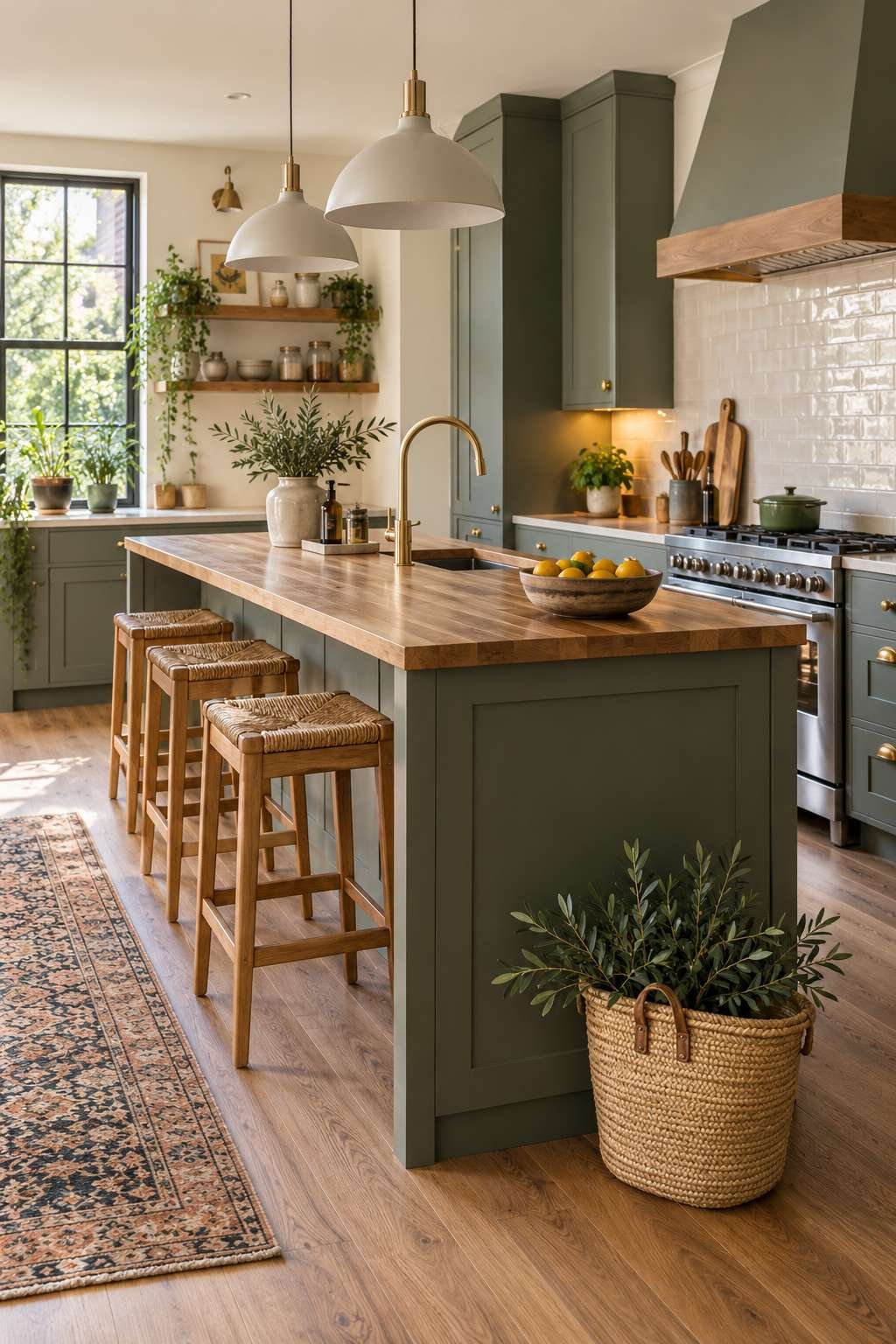
If you’re weighing the full scope of what a redo actually involves, our companion post How to Redo a Kitchen covers the step-by-step process and where professional help genuinely pays for itself.
- Get separate quotes for labor and materials whenever possible
- Reserve DIY for cosmetic tasks, not electrical or plumbing
- Ask contractors for references and recent project photos
- Confirm permits are included in labor quotes where required
- Build in extra time, not just money, for professional scheduling
8. Lighting and Electrical Costs
Updated lighting can transform a kitchen’s feel for a relatively modest investment. Basic fixture swaps might cost a few hundred dollars, while adding new circuits, under-cabinet lighting, or pendant fixtures over an island can push electrical costs into the $1,500-$4,000 range.
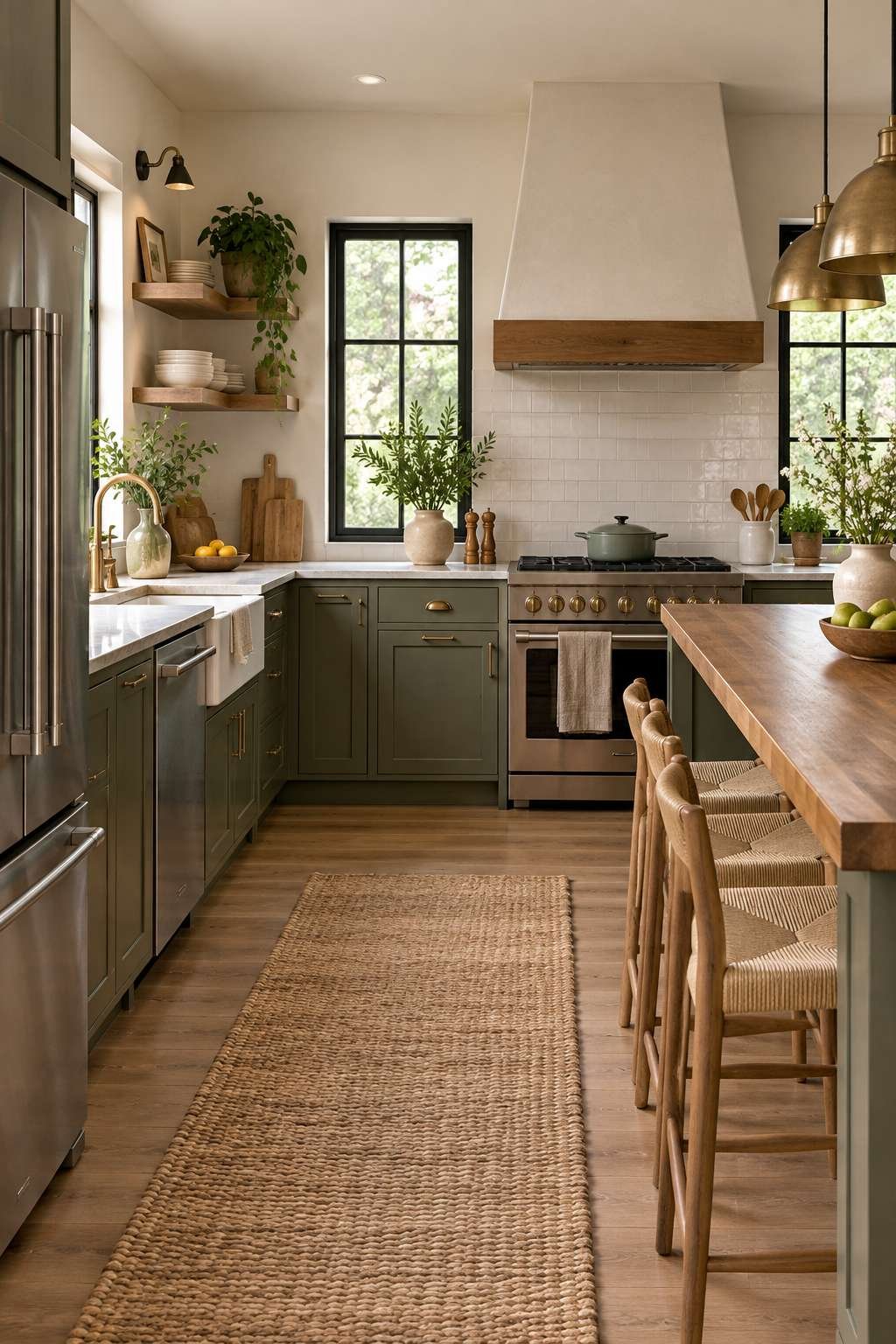
Layered lighting, combining ambient, task, and accent light sources, tends to make a bigger visual difference than one statement fixture alone, especially in kitchens with limited natural light.
- Plan under-cabinet lighting before cabinets are installed
- Budget separately for fixtures and the electrical work itself
- Use dimmers to add flexibility without major rewiring
- Confirm your electrician pulls the necessary permits
- Prioritize task lighting over decorative fixtures on a tight budget
9. Plumbing and Layout Change Costs
Keeping your sink, dishwasher, and gas line in their current locations is one of the most effective ways to control costs. Moving plumbing even a few feet can add $1,000-$3,000 or more, since it often involves cutting into floors or walls and rerouting lines.
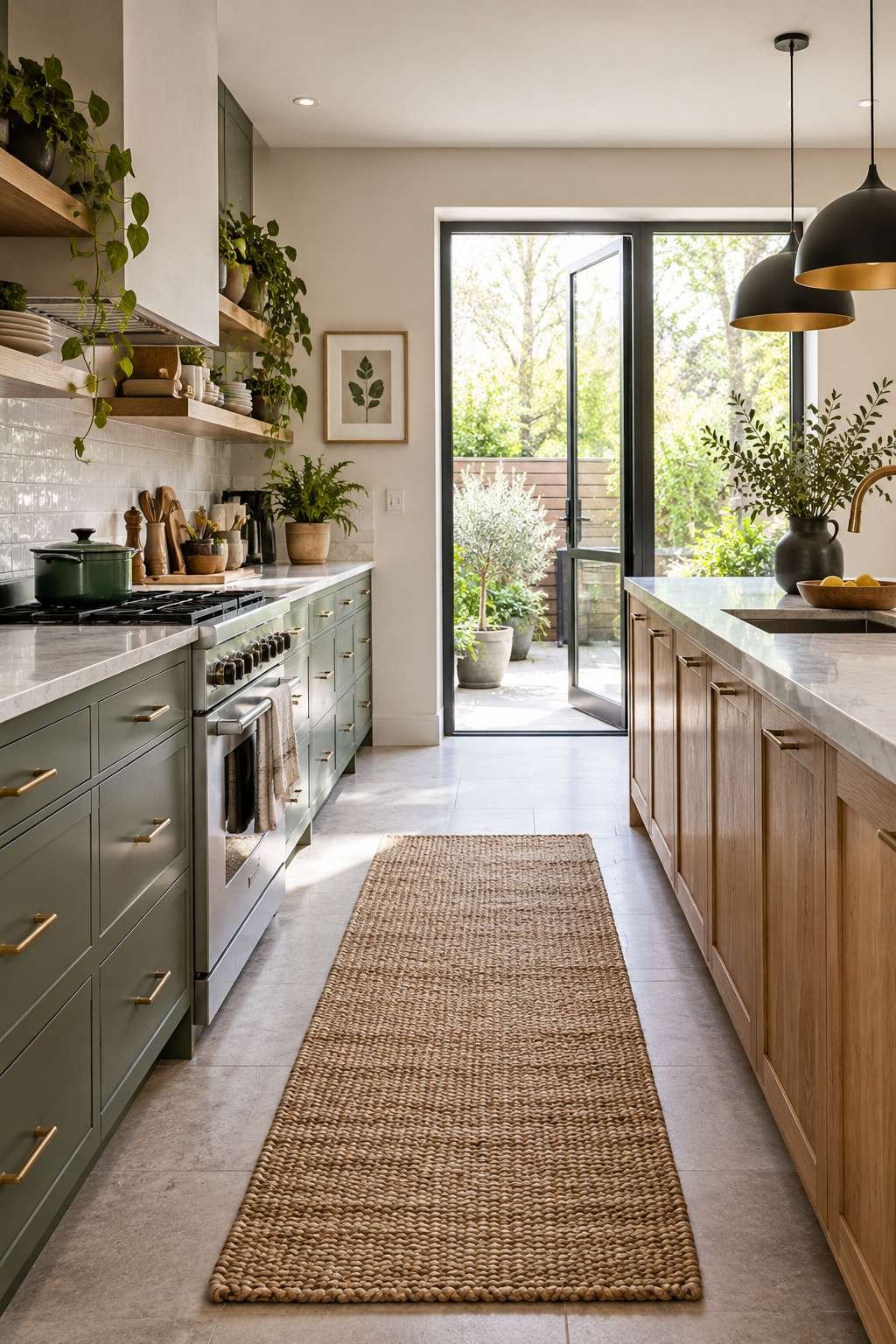
If a layout change is non-negotiable for your workflow, it’s worth getting a plumber’s opinion early, before cabinets or flooring are ordered, so the rest of the project can be planned around the new configuration.
- Keep plumbing in place whenever the layout allows it
- Get a plumber’s input before finalizing cabinet placement
- Ask about permit requirements for any relocated lines
- Budget extra time for inspections on moved plumbing
- Confirm water shutoff logistics with your contractor in advance
10. Budgeting Tips and Hidden Costs to Avoid
Beyond the categories above, first-time renovators often forget line items like permits, temporary kitchen setups, disposal fees, and unexpected issues behind walls or under flooring. These “hidden” costs can add 10-20% to even a well-planned budget, so building that cushion in from day one prevents mid-project stress. For a broader sense of what typical projects actually run, our post How Much Cost to Redo Kitchen compares real-world budgets across different renovation scopes.
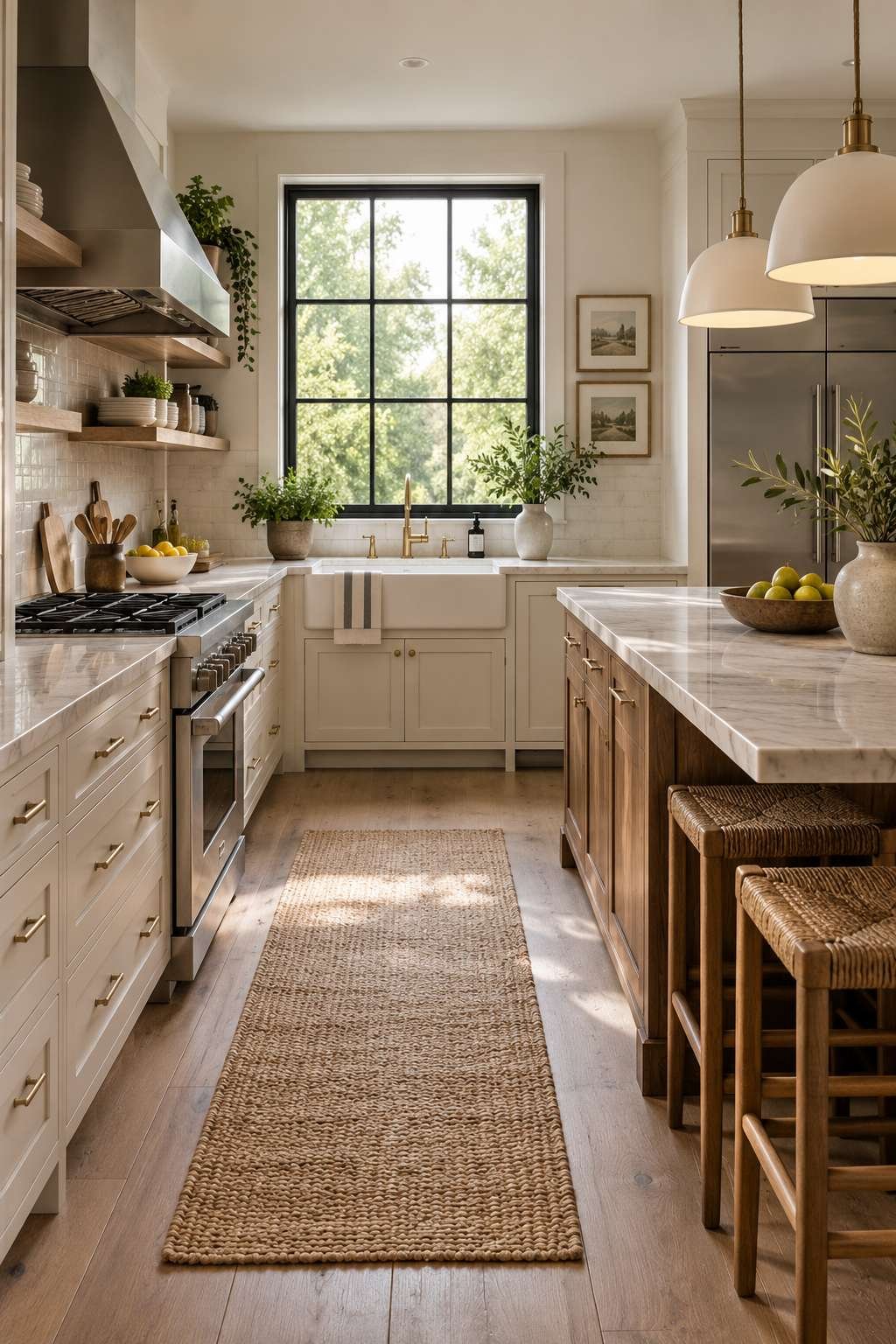
Getting multiple quotes, prioritizing your must-haves, and keeping a written record of every decision will keep your project grounded in reality rather than Pinterest inspiration alone.
- Set aside a 10-20% contingency fund before starting
- Ask contractors directly about permit and disposal fees
- Plan a temporary cooking setup if your kitchen will be unusable
- Keep a running spreadsheet of quotes and decisions
- Revisit your total budget after every major material choice
Conclusion
A kitchen remodel touches nearly every part of a home’s daily rhythm, so it’s worth taking the time to understand where your money is actually going before the first hammer swings. Whether you’re aiming for a modest refresh or a full-scale transformation, breaking the project into categories, cabinets, counters, appliances, flooring, labor, and the smaller details, makes the overall number far less intimidating. With a realistic budget and a little room for surprises, your redo can feel less like a financial leap and more like a well-planned investment in the space you use every single day.
Affiliate Product Opportunities
- Soft-close hinges and drawers — cabinet hardware upgrade mentioned as a value-add
- Quartz countertops — low-maintenance stone-alternative material
- Vinyl plank flooring — budget-friendly, water-resistant flooring option
- Under-cabinet lighting — task lighting fixture for kitchen work areas
- Dimmer switches — lighting control upgrade for flexible ambiance
Publishing Metadata
Meta Title: How Much Does It Cost to Redo a Kitchen? Full Guide
Meta Description: Wondering how much does it cost to redo a kitchen? Get real price ranges for cabinets, counters, appliances, and labor to plan your budget with confidence.
URL Slug: how-much-does-it-cost-to-redo-a-kitchen

