


Figuring out how much to redo a bathroom is usually the first question that stops a renovation before it even starts. Costs swing wildly depending on size, finishes, and whether you hire out the work or tackle parts yourself. This guide breaks the numbers down into plain, practical terms so you’re not guessing.
A thoughtful bathroom overhaul does more than update the look of a room — it can fix daily annoyances like poor lighting, cramped storage, or an outdated layout that never quite worked for your household. Whether you’re dreaming of a spa-like retreat or simply want a space that functions better, understanding the real costs upfront keeps the whole project on track.
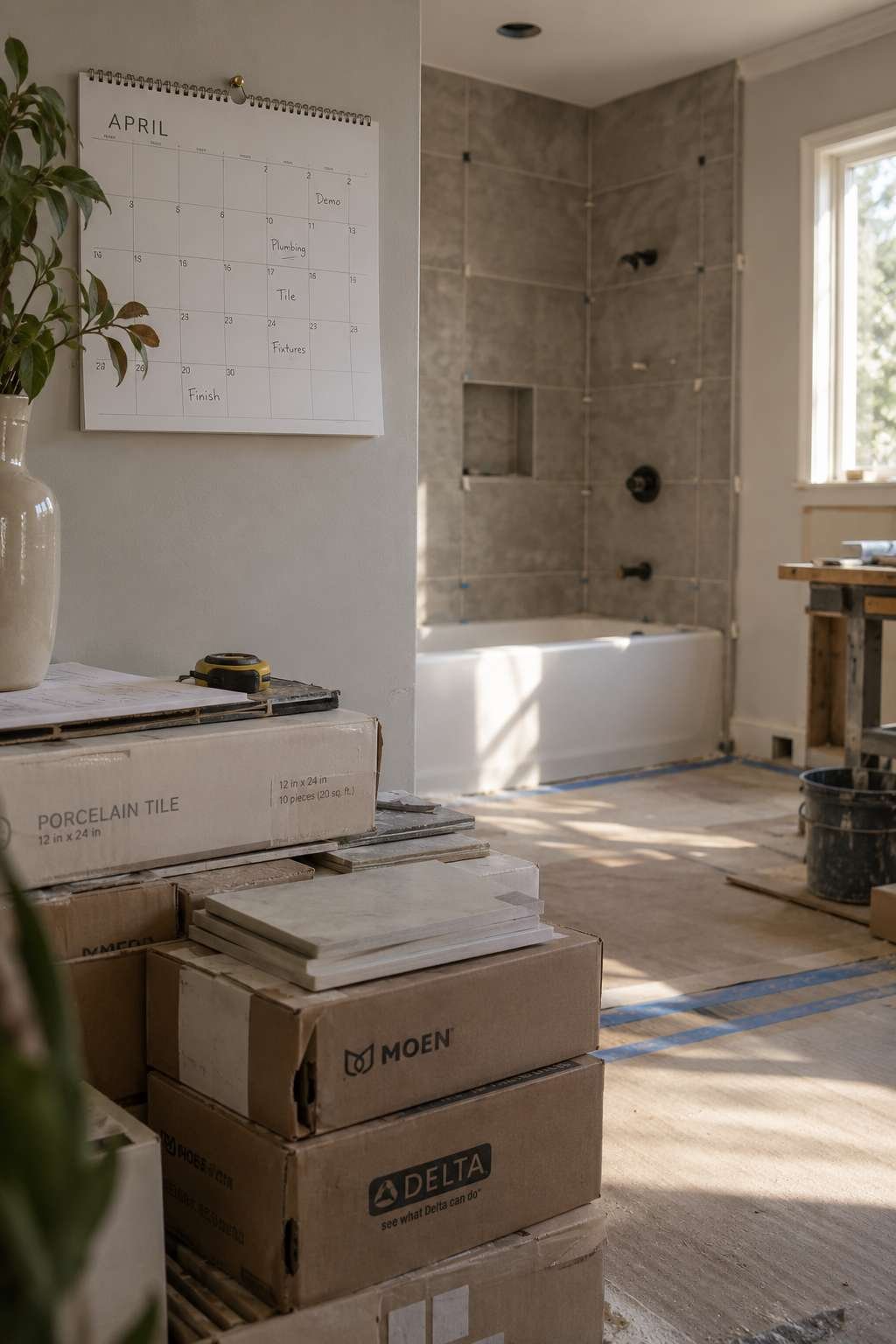
This guide walks through every major cost category, from plumbing to paint, plus tips on where to splurge and where to save. By the end, you’ll know what to budget for, roughly how much to redo bathroom spaces of different sizes, and how to avoid the surprise expenses that catch first-time renovators off guard.
1. Average Cost to Redo a Bathroom
Most homeowners spend between $6,000 and $15,000 for a mid-range bathroom remodel, though budget refreshes can come in under $3,000 and luxury overhauls can exceed $25,000. The final number depends heavily on square footage, the scope of the project, and local labor rates.
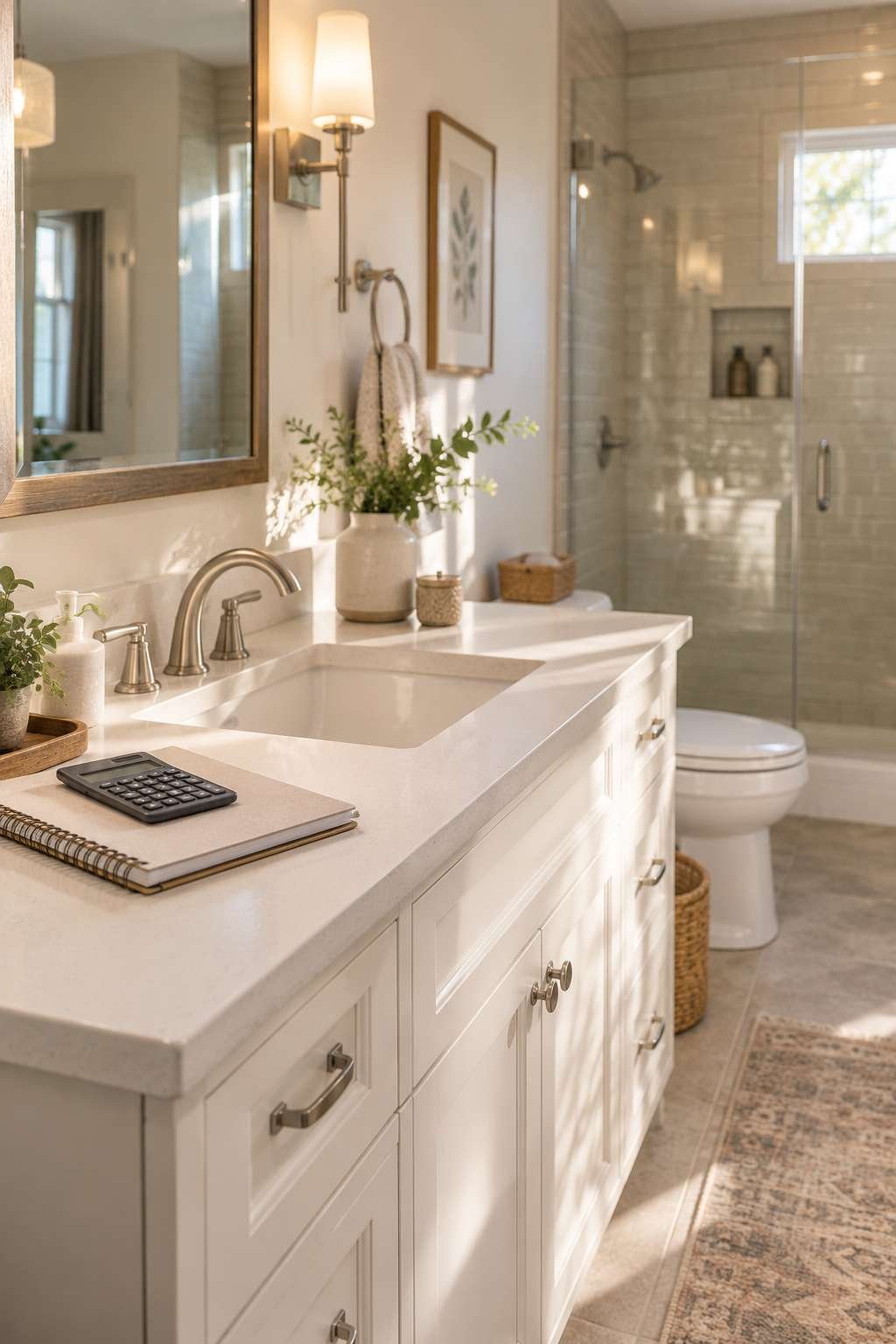
A simple cosmetic update — new paint, hardware, and a vanity swap — sits at the lower end. A full gut renovation involving new plumbing, electrical, and layout changes pushes costs toward the higher end. Knowing which category your project falls into early on prevents budget shock later.
- Get at least three contractor quotes before committing
- Separate your wish list into “must-have” and “nice-to-have” items
- Set aside 10-20% as a contingency fund for surprises
- Ask contractors for an itemized estimate, not just a lump sum
- Compare local labor rates using recent renovation forums or apps
- Factor in permit fees if plumbing or electrical work is involved
2. Cost Breakdown by Bathroom Size
Bathroom size is one of the biggest cost drivers, since material quantities and labor hours scale with square footage. A half bath or powder room costs far less than remodeling a full guest bathroom or a large primary suite.
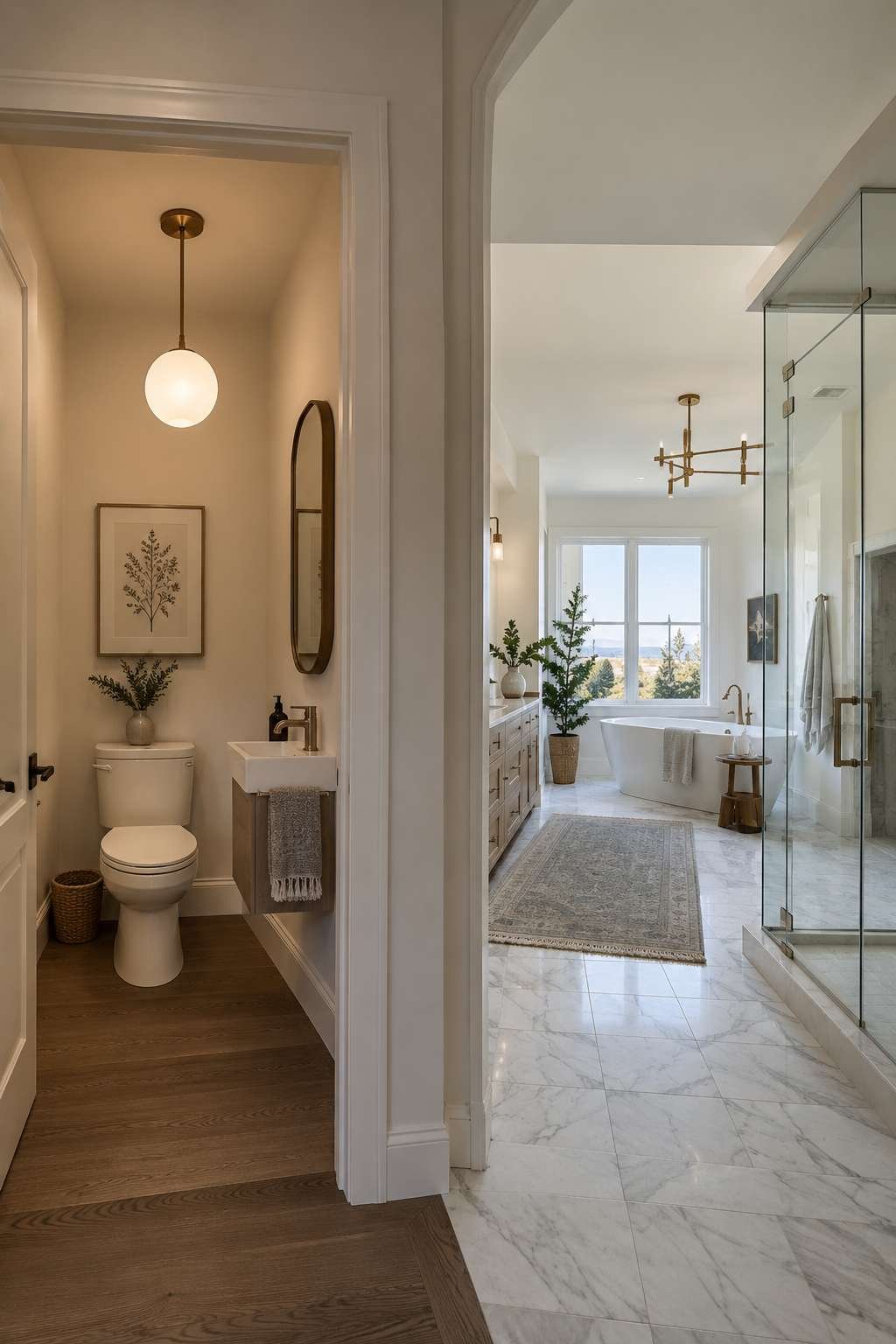
Small bathrooms under 40 square feet typically range from $3,000 to $8,000, while full-size bathrooms between 40 and 100 square feet often land between $8,000 and $18,000. If your space falls in the smaller category, our guide on how much it costs to redo a small bathroom dives deeper into cost-saving layouts for tight footprints.
- Measure your bathroom’s exact square footage before budgeting
- Compare per-square-foot pricing across a few local contractors
- Remember tile and flooring costs scale directly with room size
- Larger bathrooms may need extra ventilation or lighting circuits
- Ask if fixture relocation adds cost versus keeping the existing layout
- Prioritize function first in small spaces, style second
3. Labor Costs vs Material Costs
Labor typically accounts for 40-65% of total renovation cost, depending on how much of the work is DIY-friendly versus specialized. Plumbing and electrical work almost always requires licensed professionals, while cosmetic tasks like painting can be handled yourself.
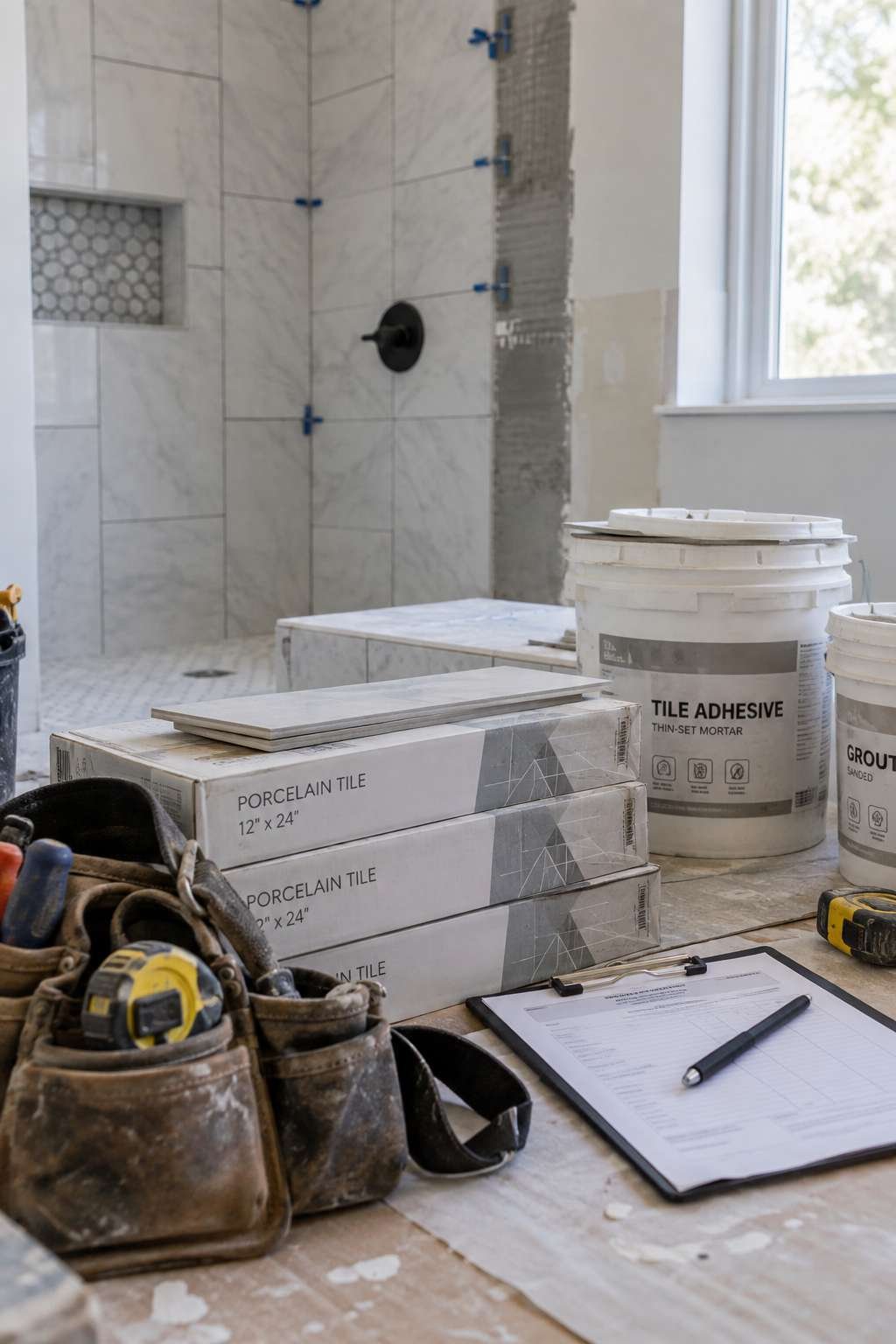
Materials — tile, fixtures, vanities, and hardware — make up the remaining budget. Choosing mid-range materials instead of premium ones can shave thousands off the total without sacrificing durability or style. This is where our companion piece on the full step-by-step process of redoing a bathroom offers a breakdown of which tasks are realistically DIY-able.
- Get separate line items for labor and materials in every quote
- Ask which tasks the contractor allows homeowners to handle
- Compare mid-range versus premium tile pricing per square foot
- Factor in disposal and demolition labor, which is often overlooked
- Confirm whether the quote includes cleanup after the project
- Set a materials budget cap before shopping to avoid overspending
4. Plumbing and Fixture Costs
Plumbing work is one of the most expensive parts of any bathroom remodel, especially if you’re relocating fixtures rather than keeping them in place. Moving a toilet, sink, or shower drain means cutting into floors and walls, which adds both time and cost.
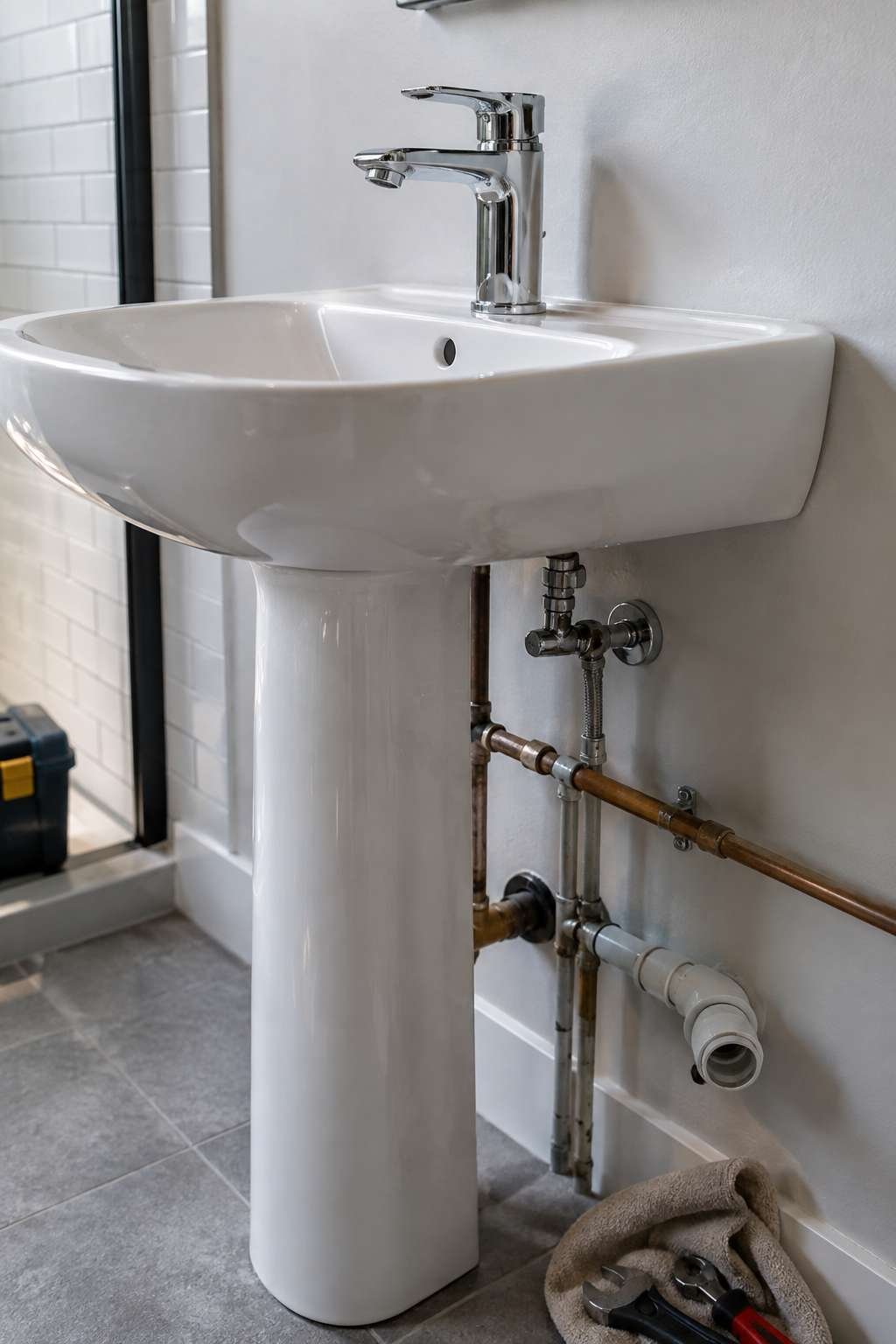
New fixtures themselves range widely: a basic pedestal sink might cost $150-$400, while a walk-in shower system can run $1,500-$4,000 installed. Swapping an old toilet for a low-flow model is one of the more affordable upgrades and pays off in water savings over time.
- Keep existing plumbing locations to save on relocation costs
- Choose water-efficient fixtures to reduce long-term utility bills
- Budget separately for supply lines, drains, and shutoff valves
- Ask your plumber about warranty coverage on new installations
- Inspect for hidden water damage before finalizing fixture choices
- Compare quotes from at least two licensed plumbers
5. Flooring Costs
Bathroom flooring needs to handle constant moisture, so material choice matters as much as price. Vinyl plank flooring is a budget-friendly, water-resistant option running $2-$7 per square foot installed, while porcelain tile typically costs $5-$15 per square foot.
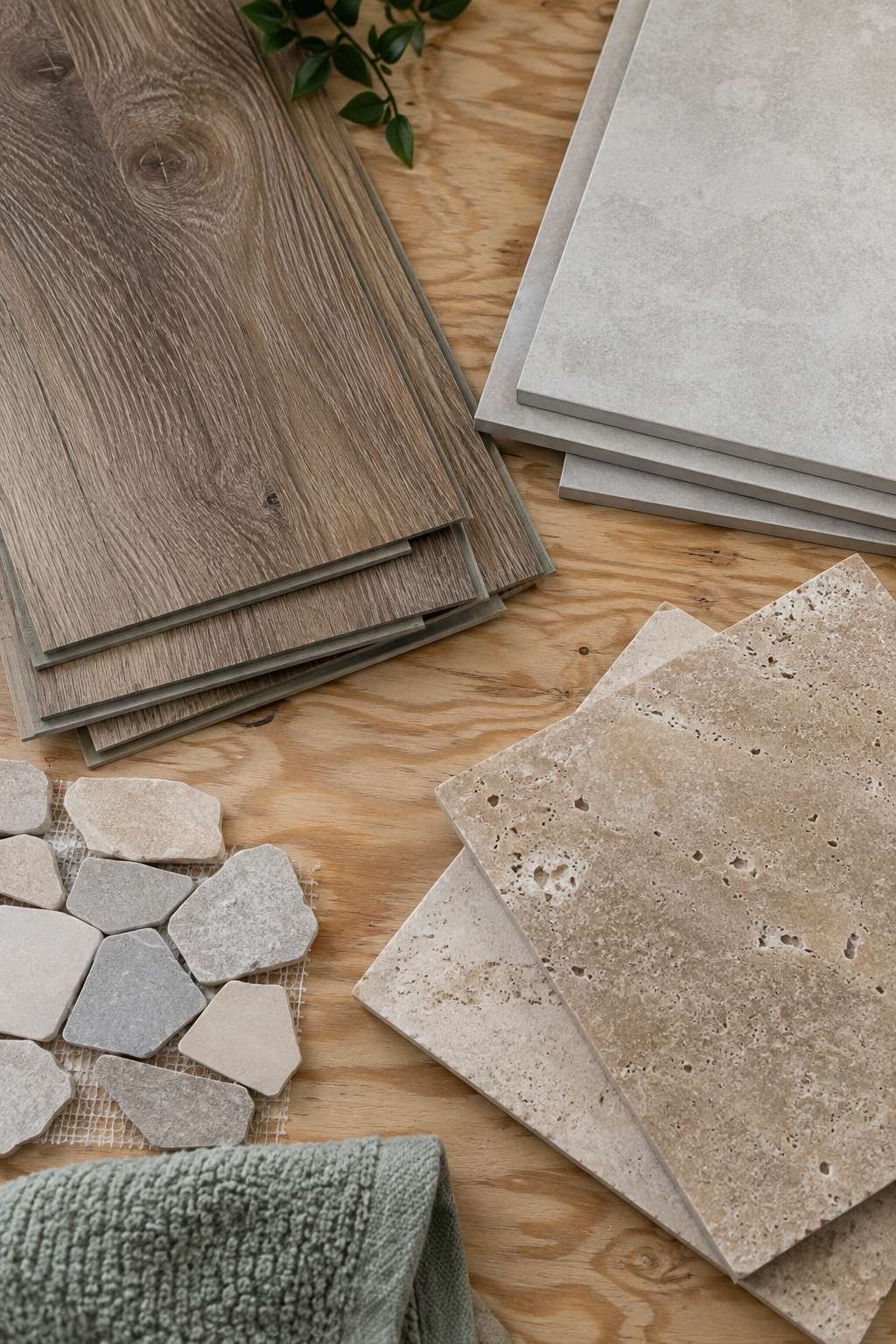
Natural stone tile looks stunning but comes with a higher price tag and more maintenance, often exceeding $15 per square foot once installation is included. For most beginner renovators, durable mid-range options strike the right balance between cost and long-term performance.
- Choose slip-resistant flooring for safety in wet areas
- Compare installed price, not just material cost per square foot
- Ask about underlayment costs for tile installations
- Consider heated flooring only if the budget allows extra room
- Order 10% extra material to account for cuts and waste
- Check warranty terms for water damage coverage
6. Vanity and Storage Costs
A new vanity instantly transforms a bathroom’s look and adds much-needed storage capacity. Prefabricated vanities start around $200-$600, while custom-built options can run well over $2,000 depending on materials and size.
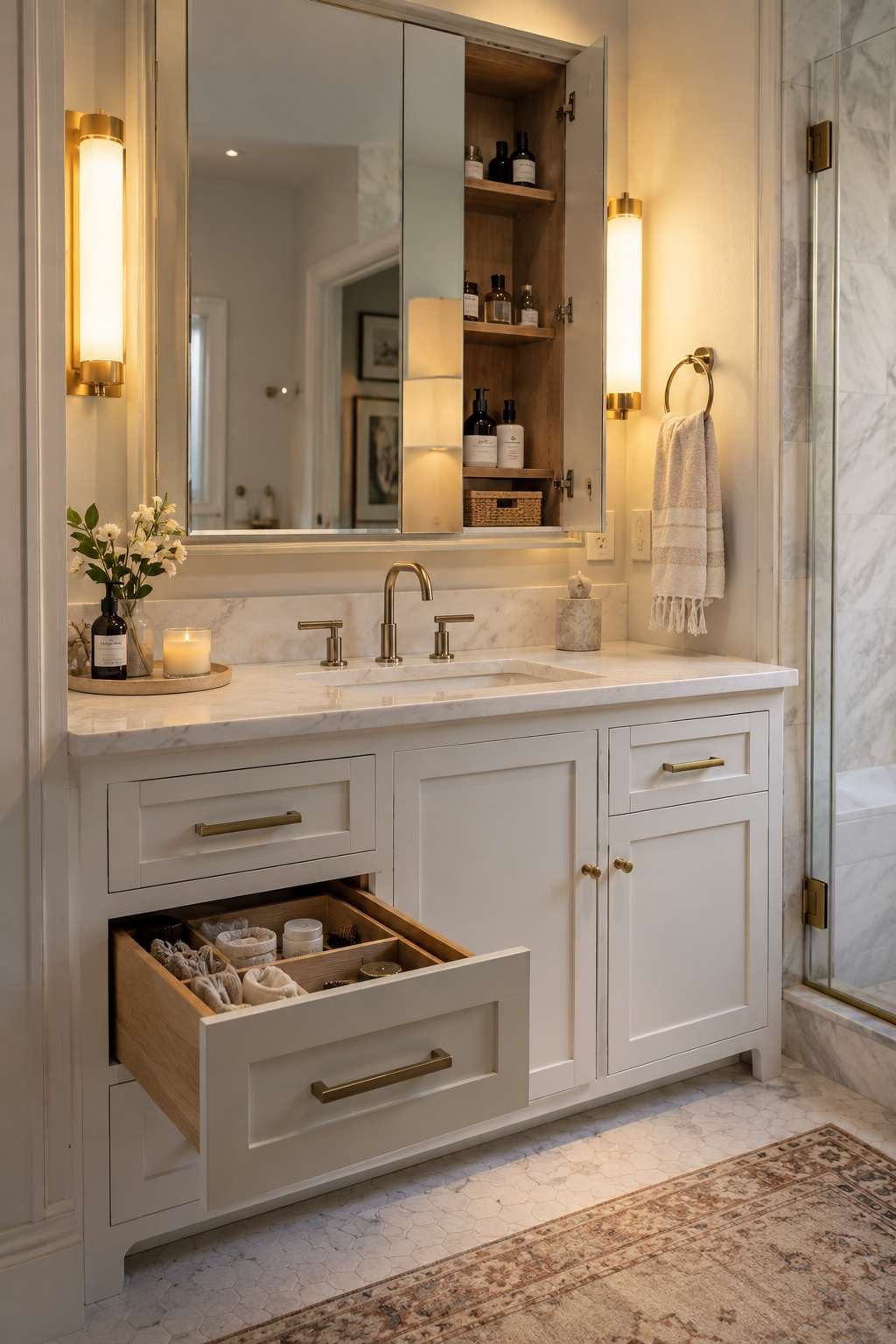
Beyond the vanity itself, a medicine cabinet or recessed storage niche adds functional space without eating into floor area. These small additions often deliver the biggest daily convenience improvement relative to their cost.
- Measure available wall space before shopping for a vanity
- Choose moisture-resistant materials like sealed wood or MDF
- Add a medicine cabinet for extra storage without floor space
- Compare countertop materials: laminate, quartz, and solid surface
- Check faucet compatibility with your chosen vanity’s hole configuration
- Factor in installation labor separately from the vanity price
7. Lighting and Electrical Costs
Good lighting makes a bathroom feel larger and more functional, and it’s an area where small upgrades create a noticeable impact. LED vanity lights typically cost $50-$200 per fixture, while a full lighting overhaul with new circuits can add $500-$1,500 to the project.
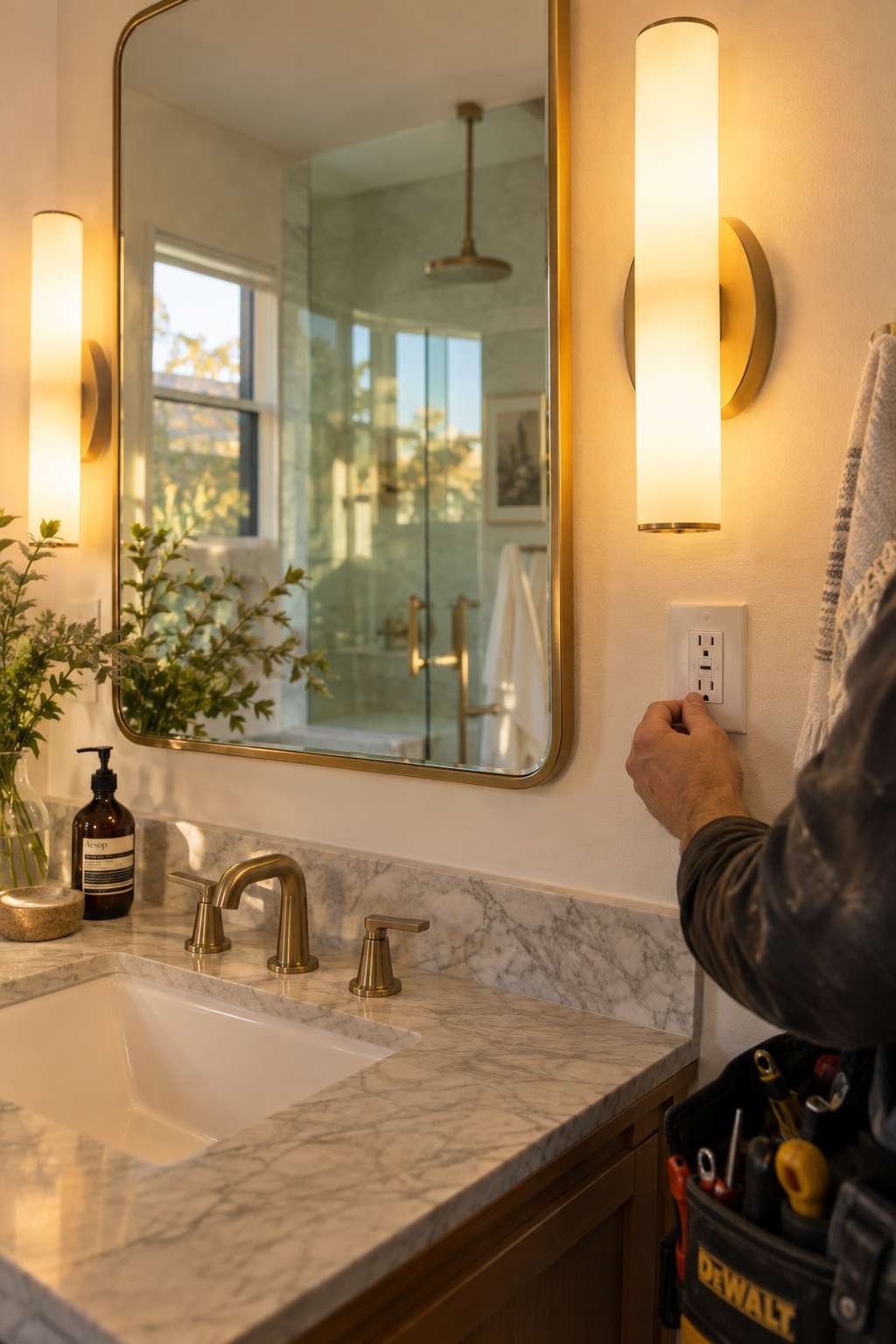
Electrical work, including adding GFCI outlets or a new exhaust fan, requires a licensed electrician in most areas. An exhaust fan upgrade is a smaller expense that significantly improves moisture control and prevents mold.
- Install GFCI outlets near sinks for safety compliance
- Layer lighting with vanity, ceiling, and accent fixtures
- Upgrade the exhaust fan if the current one is underpowered
- Choose dimmable lighting for a more relaxing atmosphere
- Confirm your electrician pulls proper permits for new circuits
- Ask about energy-efficient LED options to lower utility costs
8. DIY vs Hiring a Professional
Deciding what to handle yourself versus hiring out is one of the biggest cost-control decisions in any remodel. Painting, hardware swaps, and even some tile work are approachable for confident beginners, while plumbing and electrical work should stay with licensed professionals.
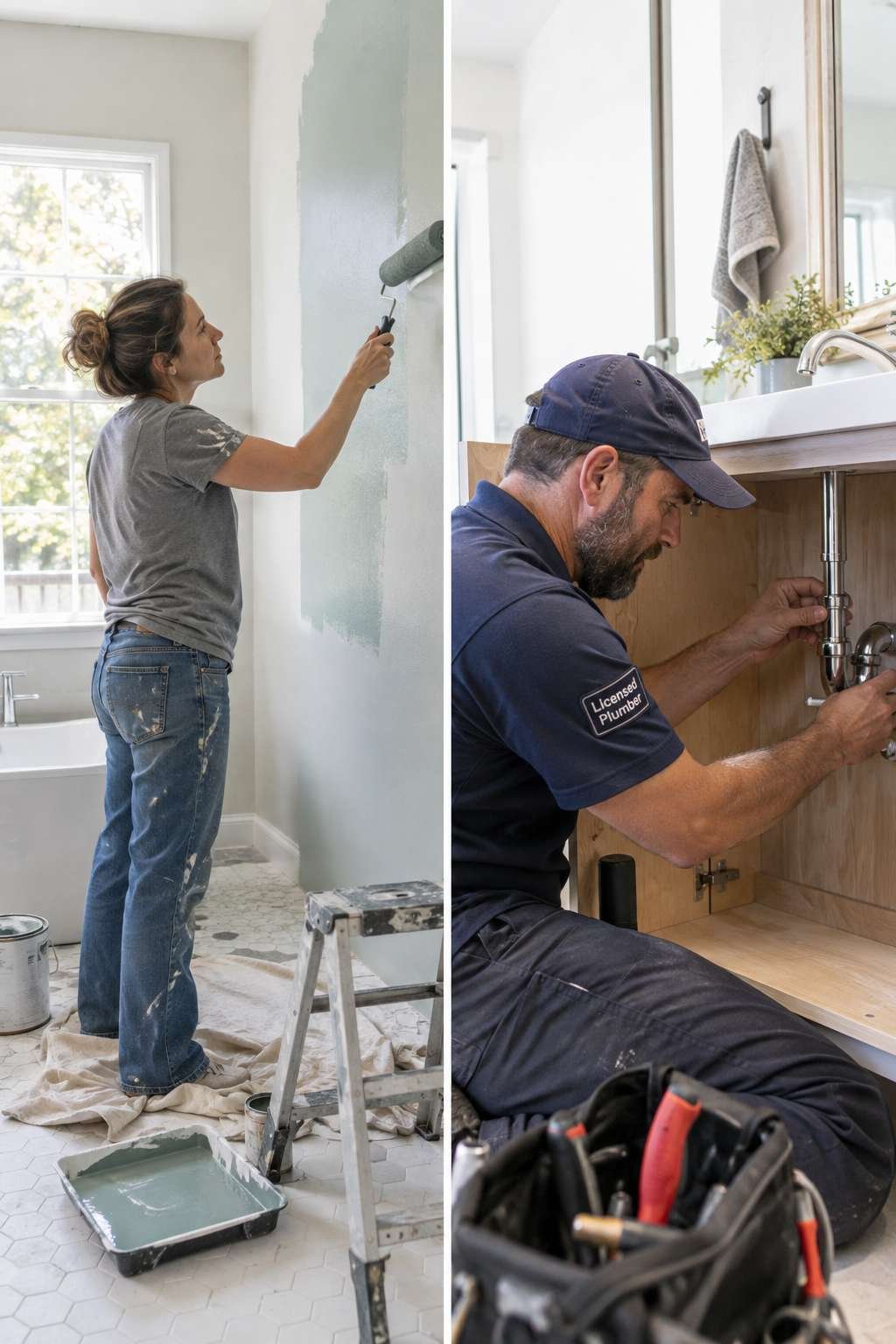
Attempting complex tasks without experience can lead to costly mistakes that erase any initial savings. A realistic self-assessment of your skill level, paired with a clear budget, helps determine the smartest split between DIY tasks and professional labor.
- Start with low-risk tasks like painting and hardware updates
- Leave plumbing and electrical work to licensed professionals
- Watch tutorial videos before attempting any DIY tile work
- Rent specialty tools instead of buying them for one project
- Ask a professional to inspect DIY work before it’s sealed up
- Budget extra time for DIY tasks, since beginners work slower
9. Budget-Friendly Ways to Save Money
Redoing a bathroom doesn’t have to drain your savings if you’re strategic about where to cut costs. Keeping the existing layout avoids expensive plumbing relocation, and choosing refinishing over replacement for tubs or tile can save thousands.
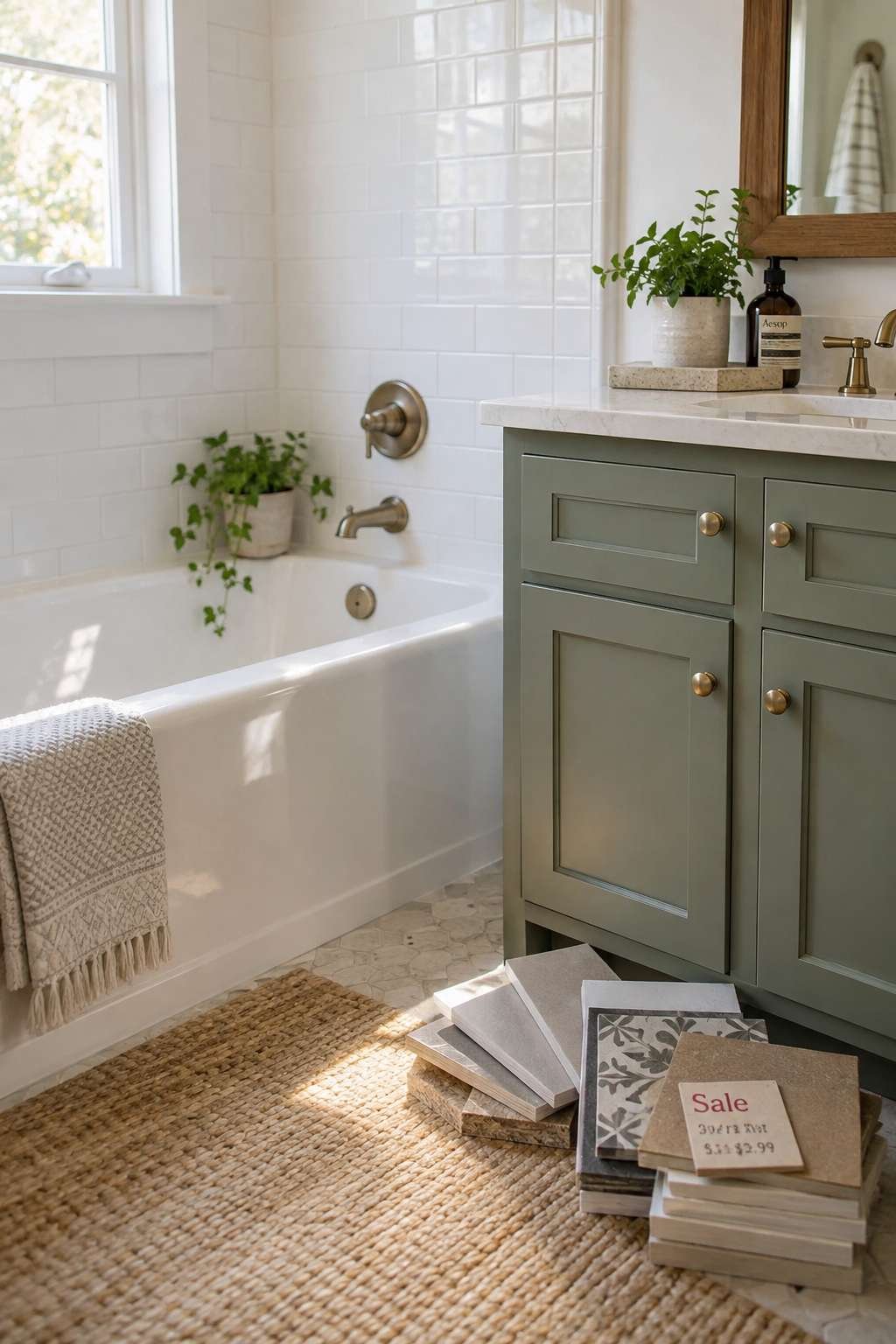
Shopping sales, using discontinued tile lots, and painting instead of replacing cabinetry are all effective ways to stretch a tight budget further. These small decisions add up quickly across a full renovation.
- Keep the current layout to avoid plumbing relocation costs
- Refinish an existing tub instead of replacing it entirely
- Paint cabinetry instead of buying a brand-new vanity
- Shop discontinued or clearance tile for significant savings
- Reuse existing fixtures where condition allows
- Time purchases around seasonal home improvement sales
10. Planning Your Renovation Timeline
A clear timeline keeps costs from creeping upward, since delays often mean added labor fees or temporary living adjustments. Most mid-size bathroom remodels take two to four weeks from demolition to final touches, depending on how much custom work is involved.
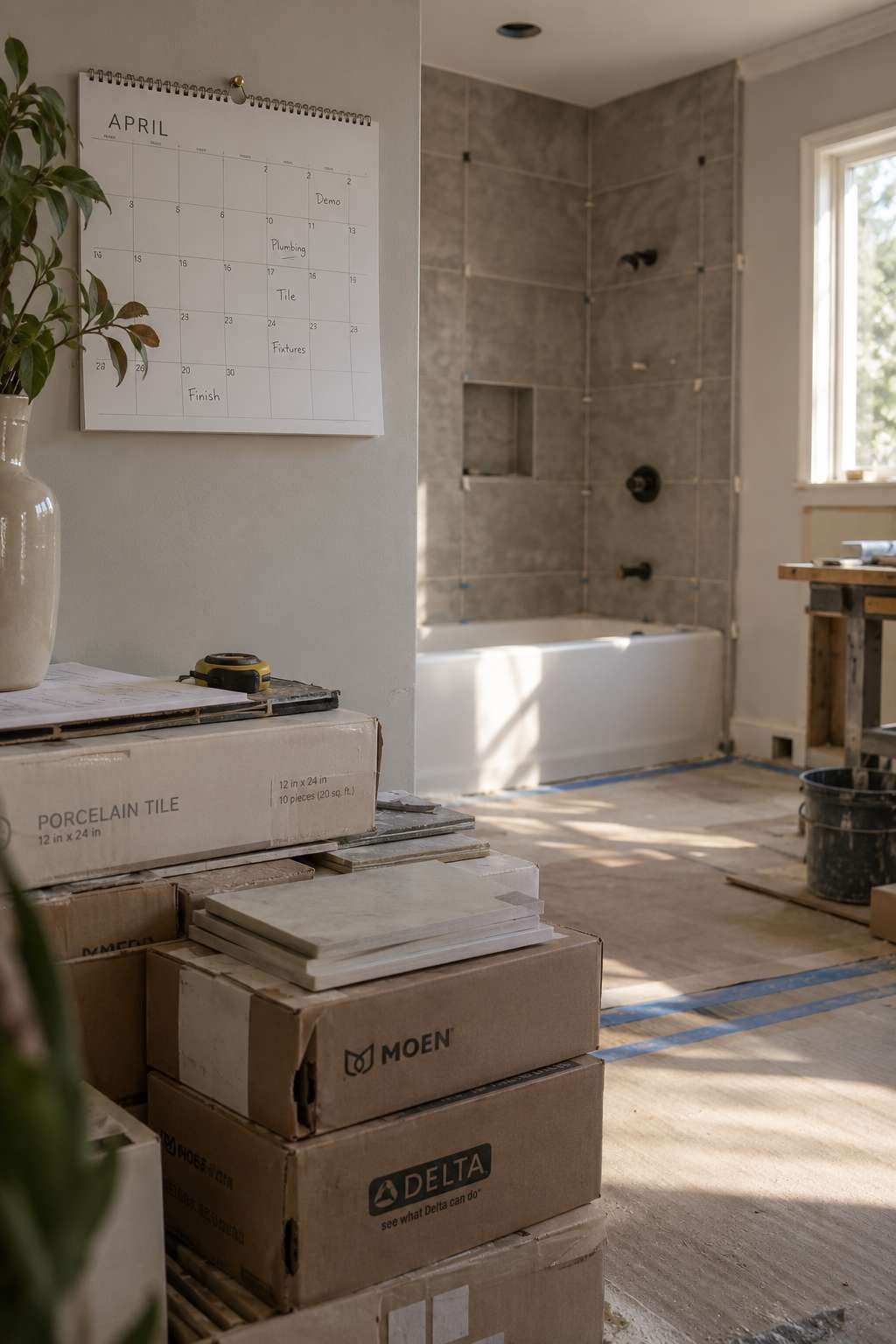
Ordering materials in advance and confirming contractor availability before demolition begins prevents the frustrating mid-project delays that inflate both cost and stress. A realistic timeline, matched to a realistic budget, sets the whole renovation up for success.
- Order tile, fixtures, and vanities before demolition starts
- Confirm contractor availability for the full project duration
- Plan for at least one alternate bathroom during the remodel
- Build buffer days into the schedule for material delays
- Schedule inspections early if permits are required
- Communicate weekly with your contractor to track progress
Redoing a bathroom is as much about smart planning as it is about style. Once you understand how much to redo a bathroom realistically costs for your space, you can prioritize the upgrades that matter most and avoid budget surprises along the way.
Start small if needed, tackle one category at a time, and don’t be afraid to mix DIY effort with professional help where it counts. With a clear plan in hand, your bathroom renovation can feel exciting instead of overwhelming — and the result will be a space you actually enjoy using every day.

