


A sudden, lingering odor is one of the most unpleasant surprises a homeowner can run into, which is why so many people search why does my bathroom smell like sewage the moment it happens. The good news is that most causes trace back to a handful of common plumbing issues, many of which are surprisingly simple to diagnose and fix without calling a plumber right away.
This guide walks through the most likely culprits, how to figure out which one applies to your bathroom, and what steps to take to clear the smell for good.
1. Common Causes of a Sewage Smell in the Bathroom
A sewage odor almost always points back to sewer gas finding its way into your living space, which happens when something in the plumbing system fails to keep it properly sealed out. Bathrooms are especially prone to this since they connect directly to the home’s drain-waste-vent system through multiple fixtures.
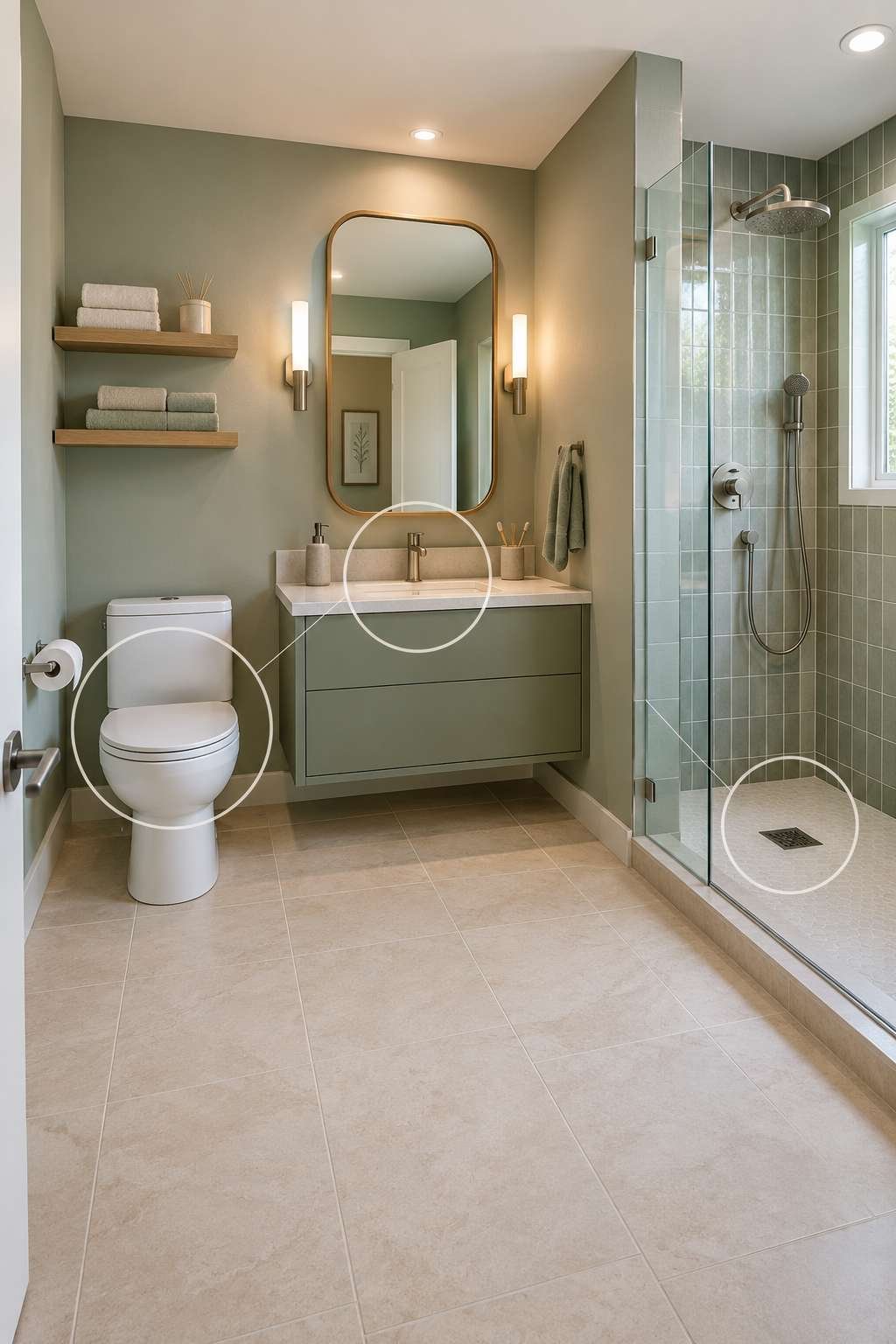
Understanding the general categories of causes helps narrow down where to look first, since the fix for a dry trap looks very different from the fix for a cracked vent pipe.
- Dry P-traps allowing gas to escape upward
- Faulty wax ring seals around the toilet base
- Blocked or damaged vent pipes
- Sewer line clogs or breaks further down the system
- Cracked drain pipes hidden behind walls or floors
- Biofilm buildup trapping odor-causing bacteria in drains
2. Dry P-Trap: The Most Common Culprit
Every drain in your bathroom relies on a P-trap, a curved section of pipe that holds standing water to block sewer gas from rising back up through the fixture. When a drain goes unused for an extended period, such as a guest bathroom or a floor drain, that water can evaporate, breaking the seal entirely.
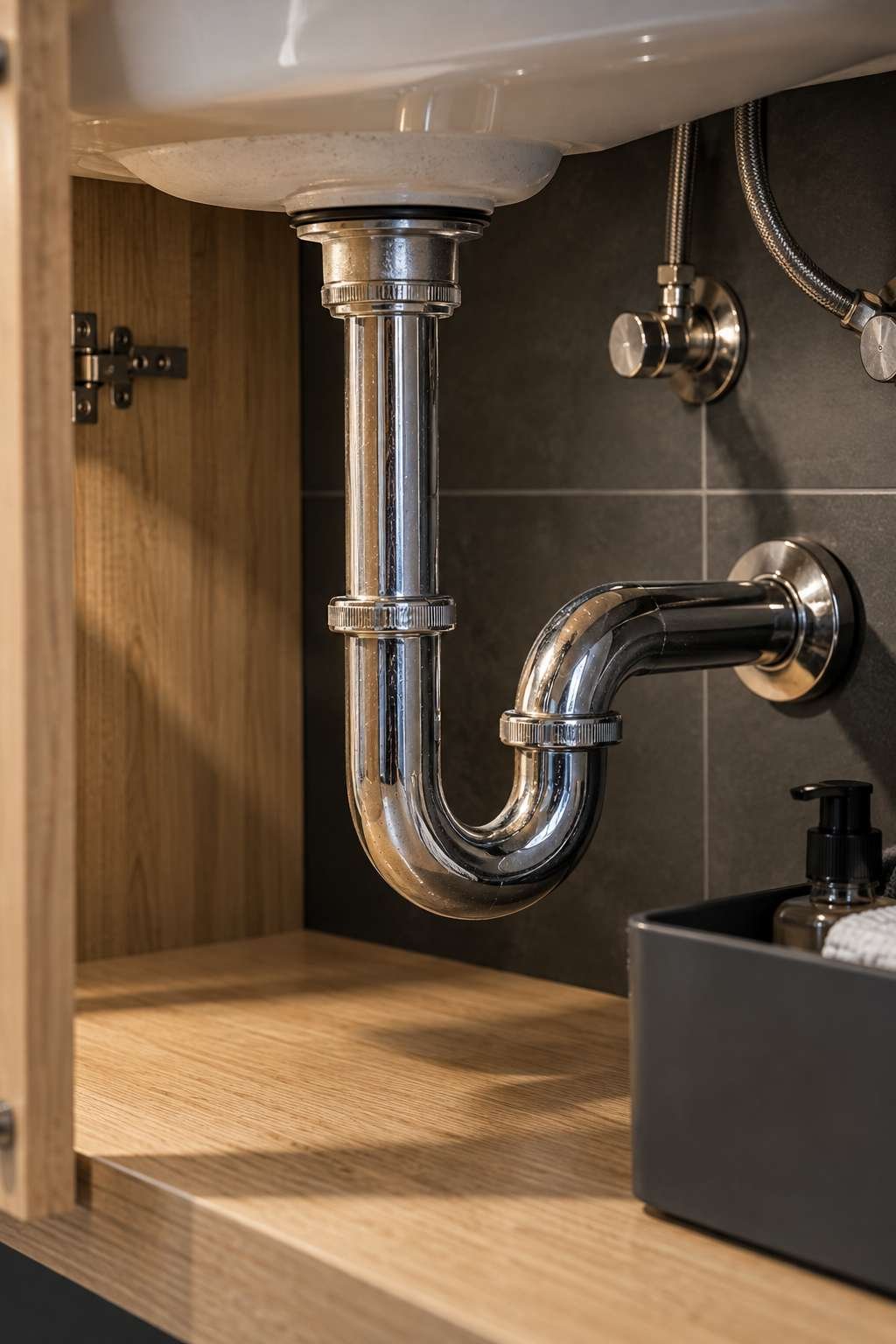
This is one of the easiest problems to fix, since simply running water through the affected drain for a minute or two typically refills the trap and stops the smell immediately.
- P-traps hold water to block sewer gas
- Unused drains are most prone to drying out
- Guest bathrooms and floor drains are common culprits
- Running water refills the trap quickly
- Check under sinks for visible trap shape
- Rarely used drains benefit from monthly water flushes
3. Faulty or Missing Wax Ring Seal
The wax ring beneath your toilet creates an airtight seal between the toilet base and the drain pipe below it. Over time, this seal can degrade, shift, or fail entirely, especially if the toilet has ever been loose or rocked slightly during use. Once broken, sewer gas can escape directly around the base of the toilet.
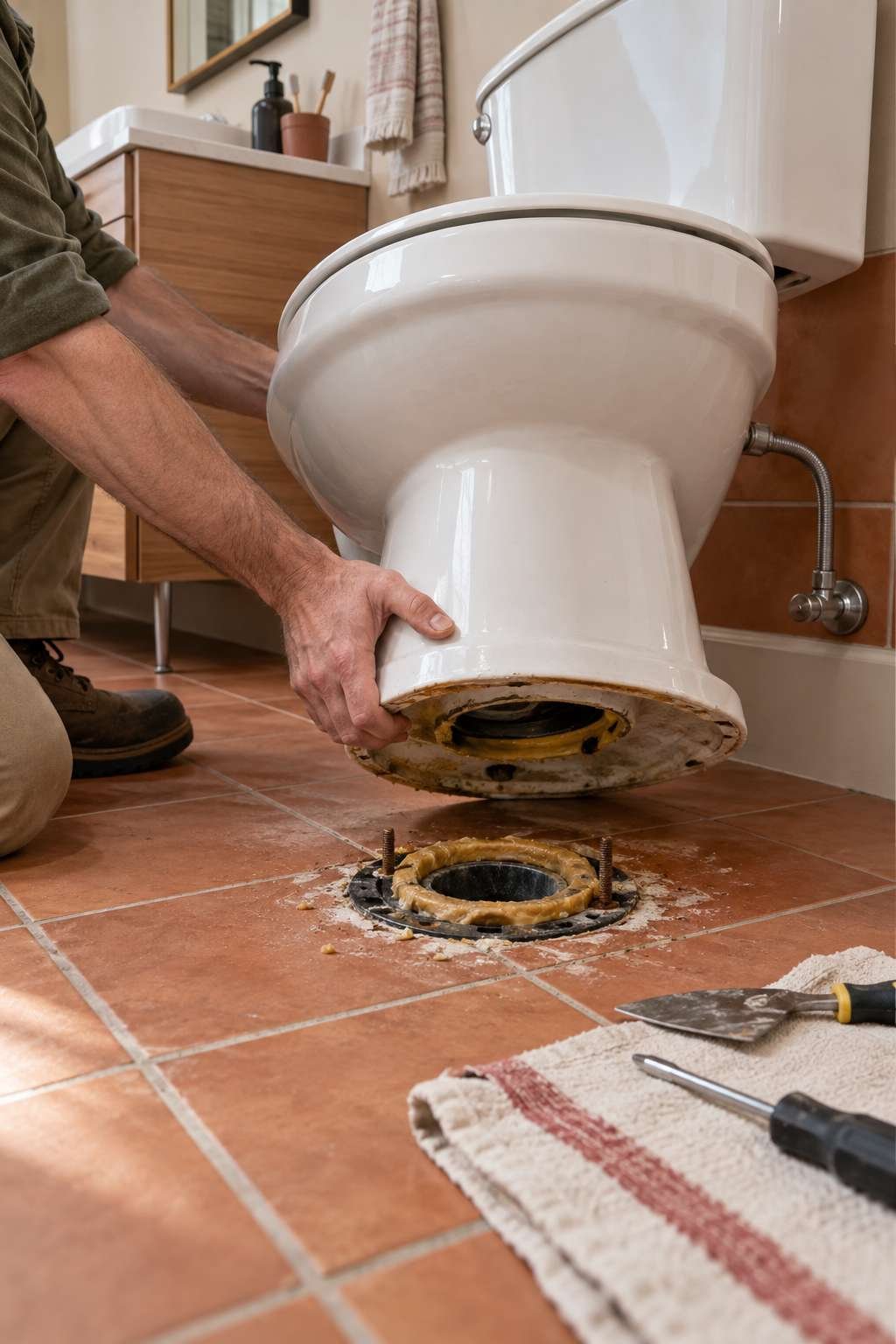
A telltale sign of this issue is a smell that seems strongest right at floor level near the toilet, sometimes paired with slight staining or dampness on the surrounding flooring.
- Wax ring creates a seal beneath the toilet base
- A loose or rocking toilet often signals a failing seal
- Smell tends to concentrate at floor level
- Staining or dampness nearby suggests seal failure
- Replacing a wax ring is a moderate DIY project
- Persistent rocking should be addressed immediately
4. Vent Pipe Blockages
Bathrooms rely on a vent pipe that runs through the roof, allowing sewer gas to escape outdoors instead of being pushed back into the home. When this vent becomes blocked, often by debris, leaves, or even a bird’s nest, gas has nowhere to go except back down through the drains.
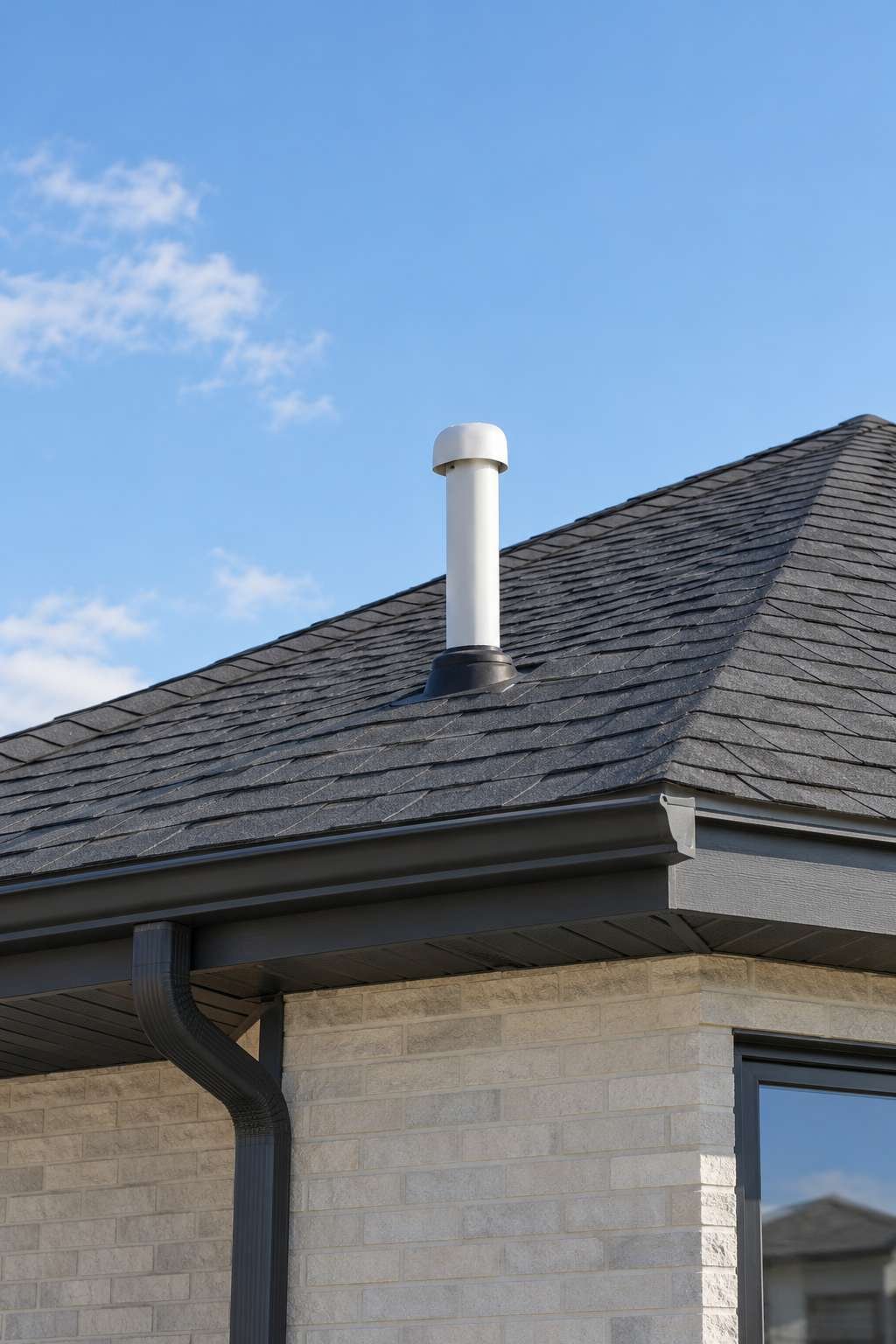
This type of blockage can also cause slow-draining fixtures alongside the odor, since proper venting affects how efficiently water moves through the pipes as well.
- Vent pipes release sewer gas safely outdoors
- Blockages force gas back down into the home
- Debris, leaves, and nests are common obstructions
- Slow drains often accompany vent blockages
- Clearing usually requires roof access
- Professional inspection recommended for hard-to-reach vents
5. Sewer Line Issues Bathroom-Wide
If the smell seems to affect the entire bathroom rather than one specific fixture, the problem may lie further down in the main sewer line rather than in any single trap or seal. Tree root intrusion, pipe collapse, or a significant clog can all cause gas to back up throughout the connected plumbing system.
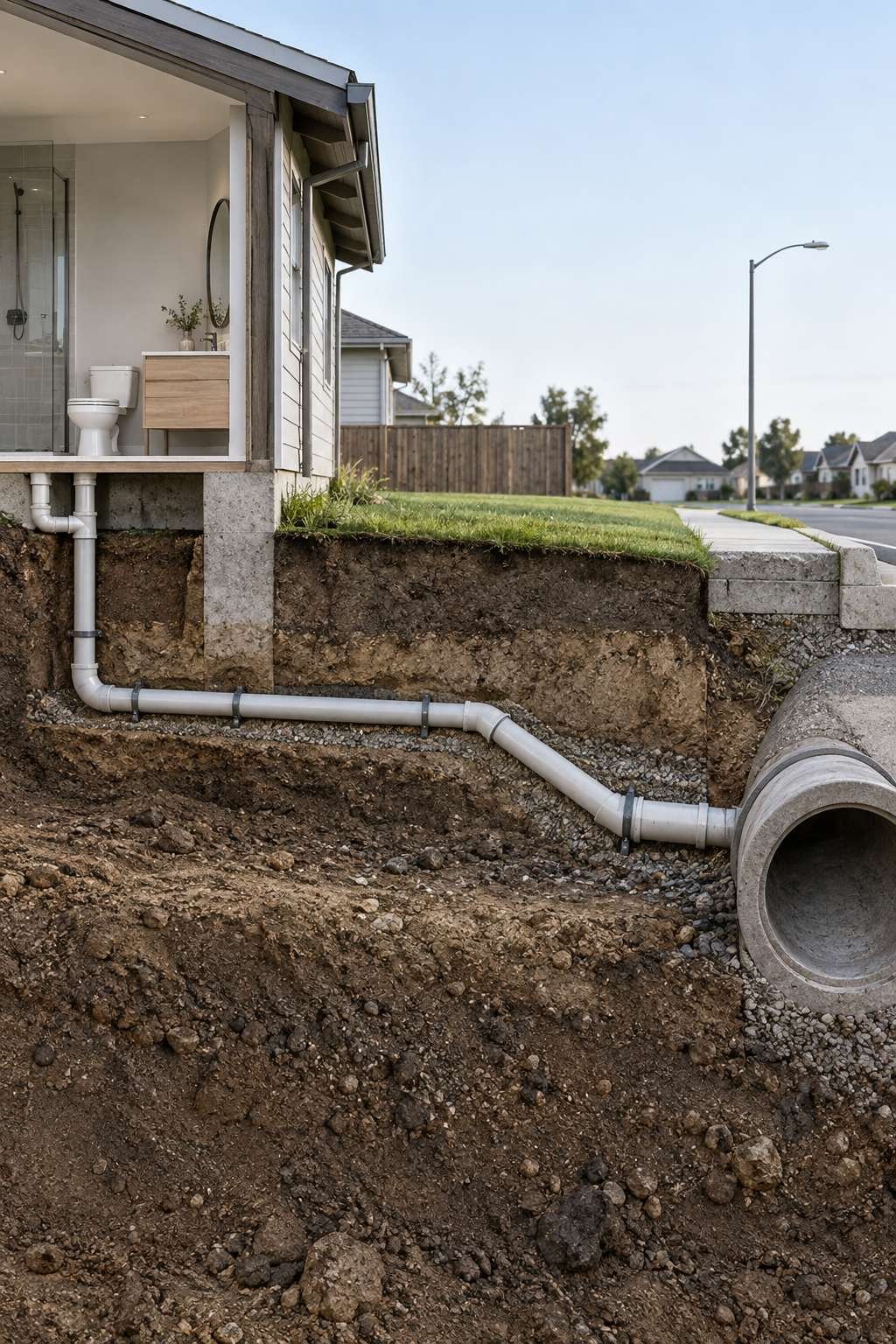
This type of issue often comes with additional warning signs, such as gurgling sounds from drains or multiple slow-draining fixtures happening at the same time.
- Whole-bathroom smell suggests a deeper sewer issue
- Tree roots are a common cause of line intrusion
- Gurgling sounds often accompany line problems
- Multiple slow drains can signal the same root cause
- Sewer line issues typically require professional repair
- Camera inspection helps pinpoint the exact location
6. Cracked or Damaged Pipes
Pipes hidden behind walls or beneath flooring can develop cracks over time due to age, shifting foundations, or corrosion, allowing sewer gas to leak into unexpected areas. This type of damage is harder to diagnose visually, since the pipe itself typically isn’t accessible without removing drywall or flooring.
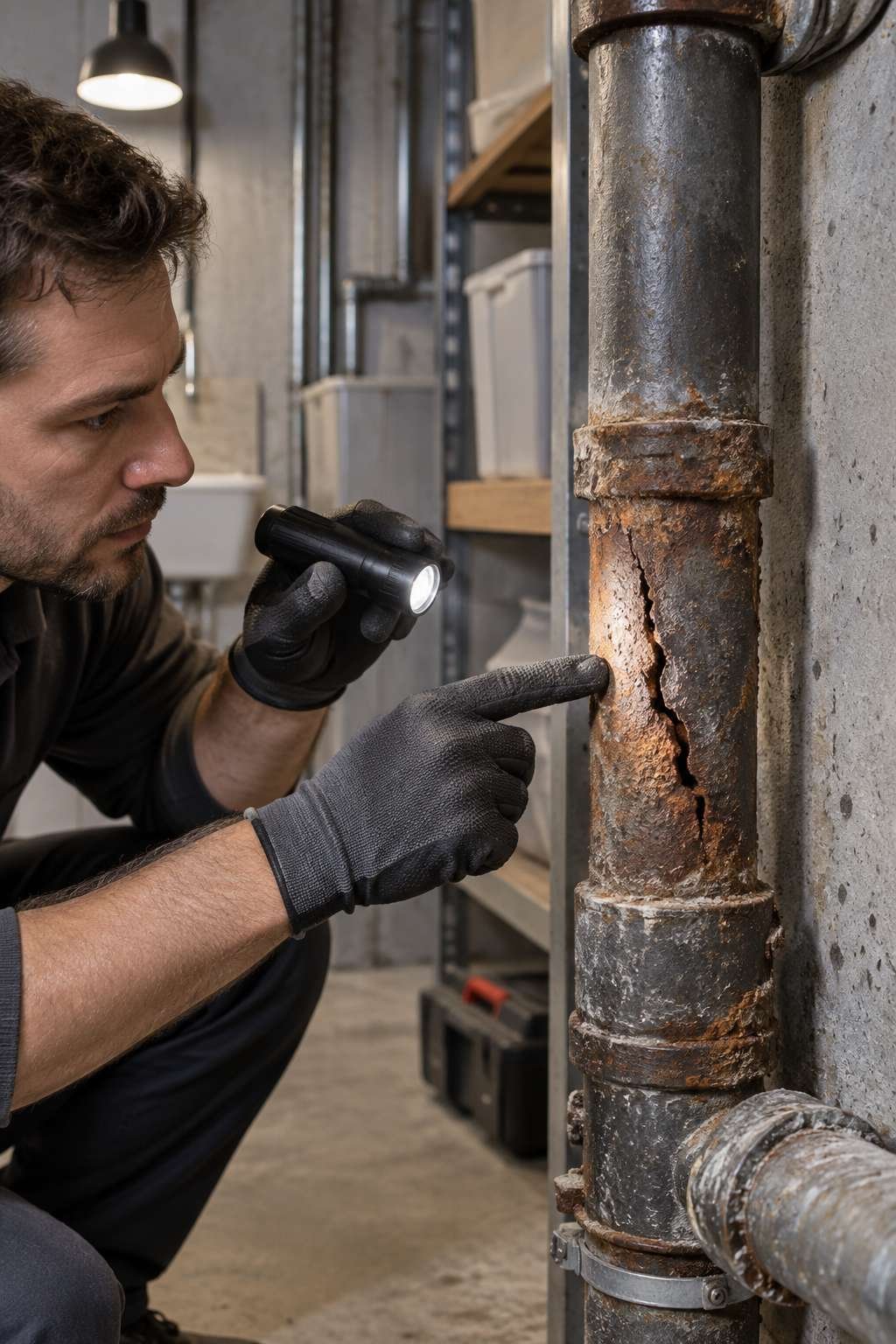
A persistent smell with no obvious source at any single fixture, especially paired with unexplained dampness on walls or floors, often points toward this less obvious cause.
- Cracks can develop from age, corrosion, or shifting
- Damage is often hidden behind walls or flooring
- Persistent, unexplained smell is a common symptom
- Dampness on walls or floors may accompany leaks
- Professional inspection is usually required to confirm
- Repairs often involve accessing pipes through walls
7. Biofilm Buildup in Drains
Not every sewage-like smell comes from an actual sewer gas leak. Biofilm, a slimy layer of bacteria and organic residue, can build up inside drain pipes over time and produce an odor that closely mimics sewer gas without any actual plumbing failure. This is especially common in bathroom sink and shower drains that collect hair, soap residue, and skin cells.
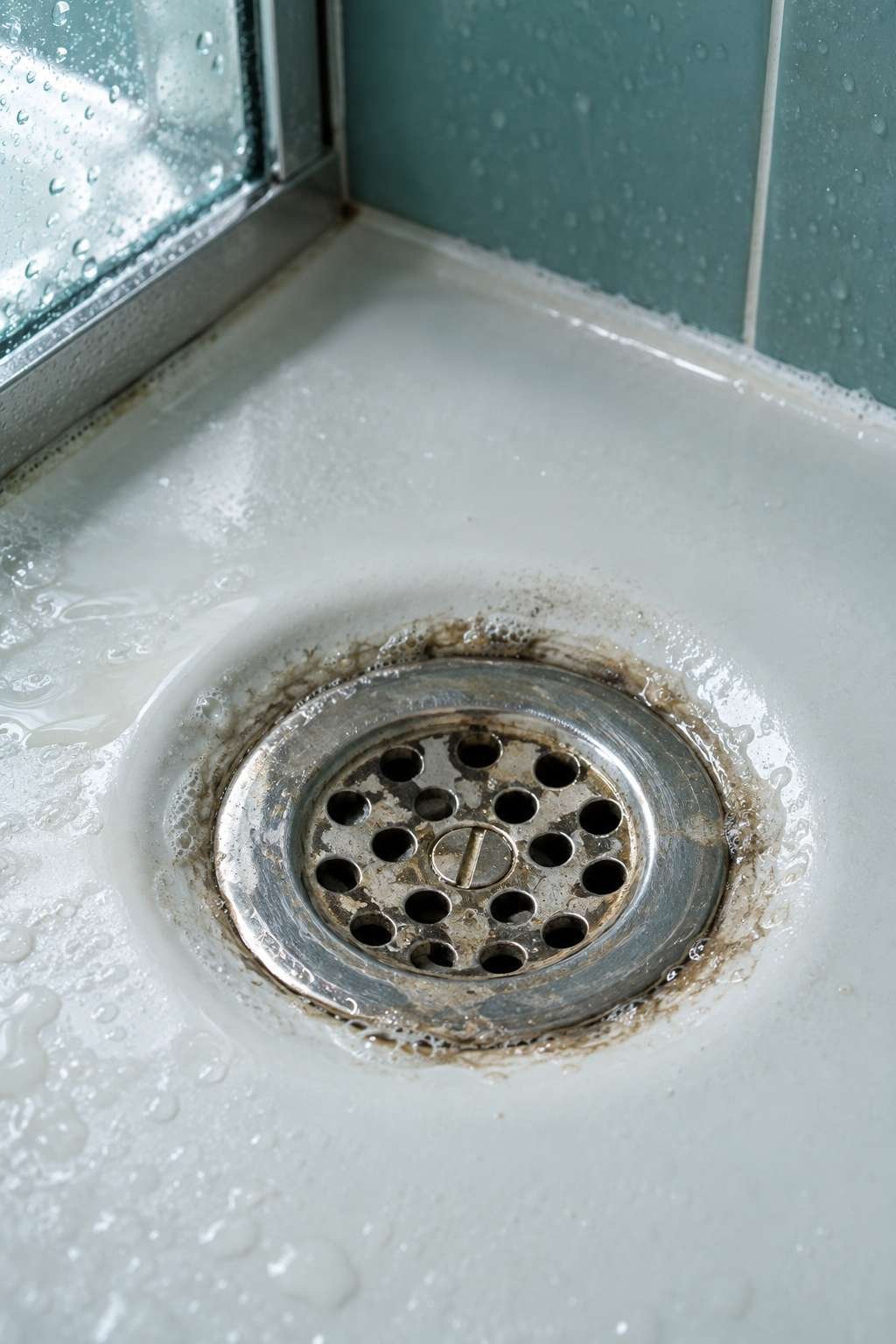
Cleaning the drain thoroughly, rather than replacing any plumbing component, often resolves this type of smell entirely.
- Biofilm mimics sewer gas odor without a leak
- Common in sink and shower drains
- Hair and soap residue contribute to buildup
- A thorough drain cleaning often solves the issue
- Bacterial drain cleaners help break down biofilm
- Recurs if regular drain maintenance isn’t kept up
8. How to Diagnose the Source Yourself
Before calling a professional, a few simple checks can help narrow down the cause on your own. Start by running water in every drain in the bathroom, including rarely used ones, to rule out a dry trap as the culprit. Check the toilet base for any rocking or visible dampness that might suggest a wax ring issue.
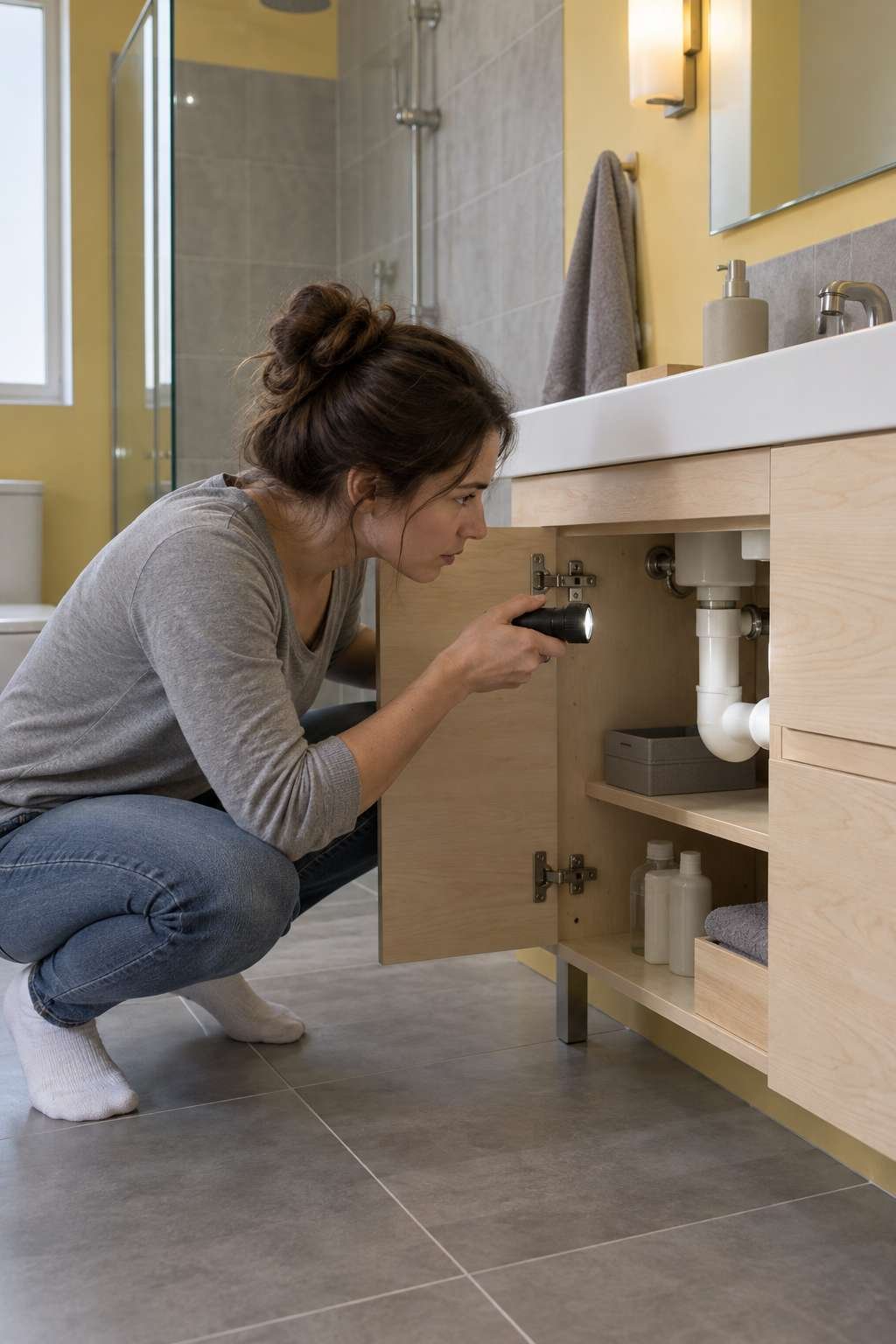
If the smell persists after these checks, listen for gurgling sounds from drains, which often point toward a vent or sewer line problem rather than something at the fixture level.
- Run water through every drain, including rarely used ones
- Check the toilet base for rocking or dampness
- Listen for gurgling sounds during drainage
- Note whether the smell is fixture-specific or bathroom-wide
- Check visible pipes for dampness or staining
- Document when the smell is strongest for troubleshooting
9. DIY Fixes You Can Try
Several common causes can be resolved without professional help, starting with the simplest option first. Running water through a dry drain to refill the P-trap takes only a minute and solves one of the most frequent causes immediately. Cleaning drains thoroughly with a bacterial drain cleaner addresses biofilm-related odors in most cases within a few uses.
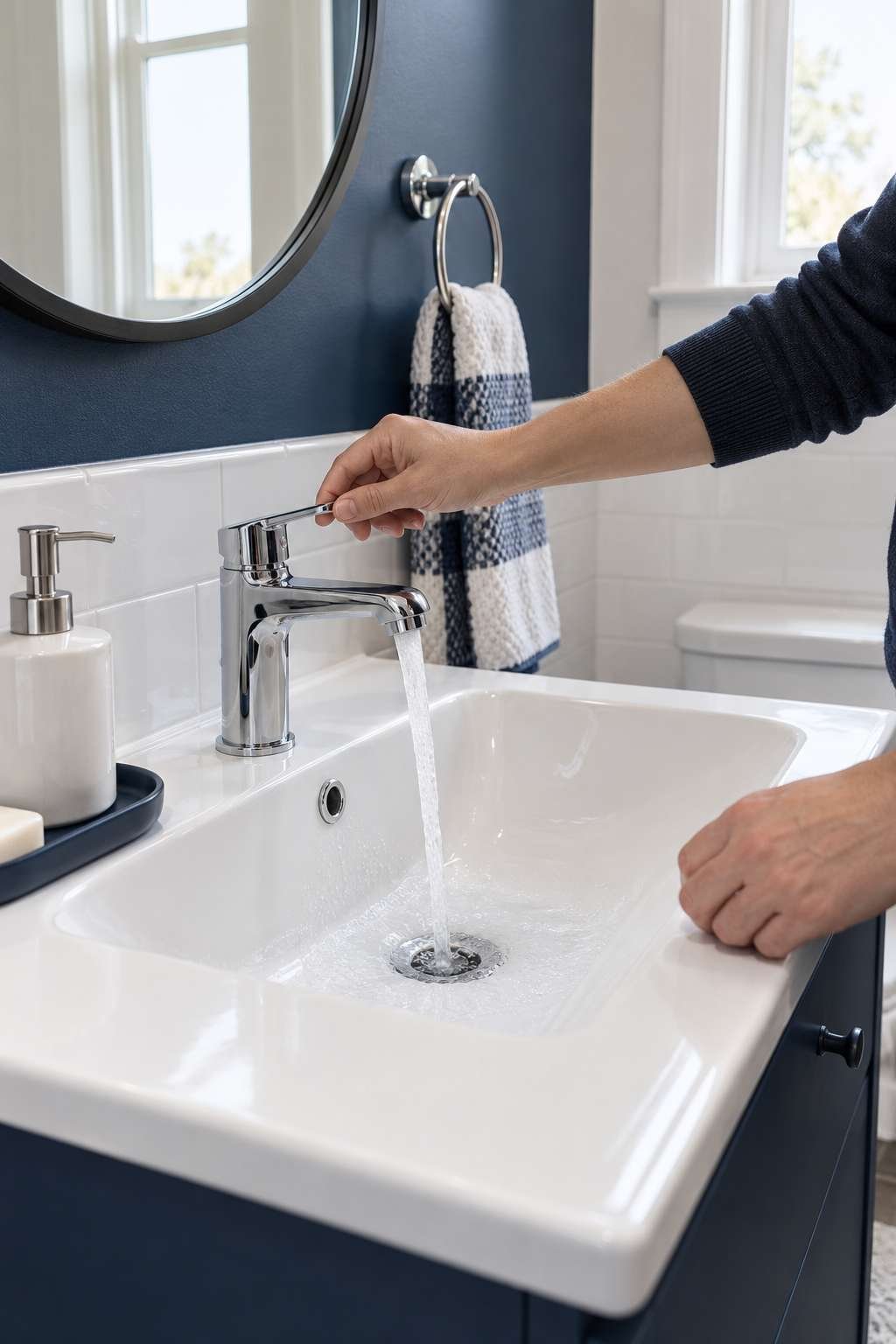
If the toilet rocks or the wax ring seal seems compromised, replacing it is a manageable weekend project for most homeowners comfortable with basic tools.
- Run water to refill dry P-traps
- Use a bacterial drain cleaner for biofilm buildup
- Replace a failing wax ring if the toilet rocks
- Add trap primers to rarely used drains
- Recheck for smell after each individual fix
- Address the toilet base seal promptly if suspected
10. When to Call a Plumber
Some causes require professional tools and expertise that go beyond typical DIY fixes. If the smell persists after ruling out dry traps and wax rings, or if it affects the entire bathroom rather than one fixture, a plumber can perform a camera inspection to locate the exact source. Vent pipe blockages requiring roof access and any suspected sewer line damage also call for professional attention.

Don’t delay calling for help if you notice gurgling drains, multiple slow fixtures, or visible water damage alongside the smell, since these often indicate a more serious underlying issue.
- Persistent smell after ruling out common fixes
- Whole-bathroom odor affecting multiple fixtures
- Vent blockages requiring roof access
- Suspected sewer line damage or tree root intrusion
- Gurgling drains or multiple slow fixtures together
- Visible water damage accompanying the odor
Frequently Asked Questions
How do you make a bathroom smell fresh?
Run the exhaust fan regularly, clean drains with a bacterial drain cleaner, and wipe down damp surfaces after every shower to prevent buildup. A small odor absorber like baking soda near the toilet or drain also helps maintain freshness between deep cleans.
Tracking down a sewage smell in the bathroom usually comes down to a short list of common culprits, most of which are manageable without professional help. Starting with the simplest checks, like running water through dry drains, often resolves the issue in just a few minutes.
If the smell persists after trying the basics, our guide on how to make bathroom smell good covers additional freshening habits worth adding to your routine once the underlying issue is resolved.

