


Walking into a furniture store or scrolling through endless design inspiration can feel overwhelming without a clear sense of direction. Discovering your personal decor style is the foundation that makes every future design decision easier and more confident. Once you understand what draws your eye, choosing paint colors, furniture, and accessories becomes intuitive rather than stressful.
Every home should reflect the personality and lifestyle of the people living in it, not simply follow passing trends. Some homeowners gravitate toward clean, minimalist lines, while others feel most at home surrounded by layered textures and bold color. This guide walks through practical methods for identifying your true design preferences, so your space finally feels authentically yours. See our minimalist bedroom ideas for more direction in this style.
1. Create a Visual Inspiration Board
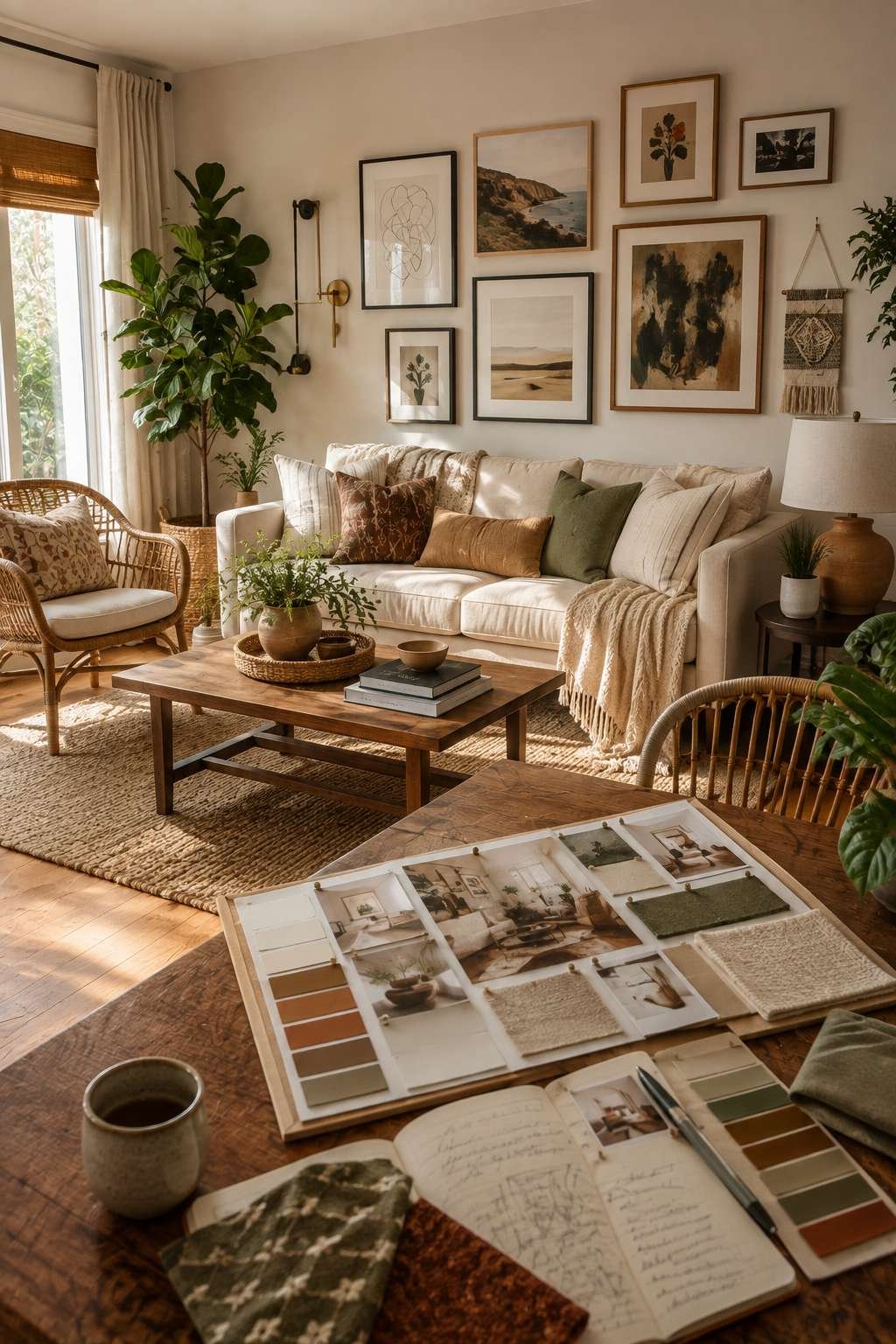
Before making any purchases, spend time gathering images that genuinely excite you. Building a visual inspiration board, whether digital through Pinterest or physical with magazine clippings, reveals patterns you might not consciously notice. Save anything that catches your eye, even if the styles seem completely unrelated at first glance.
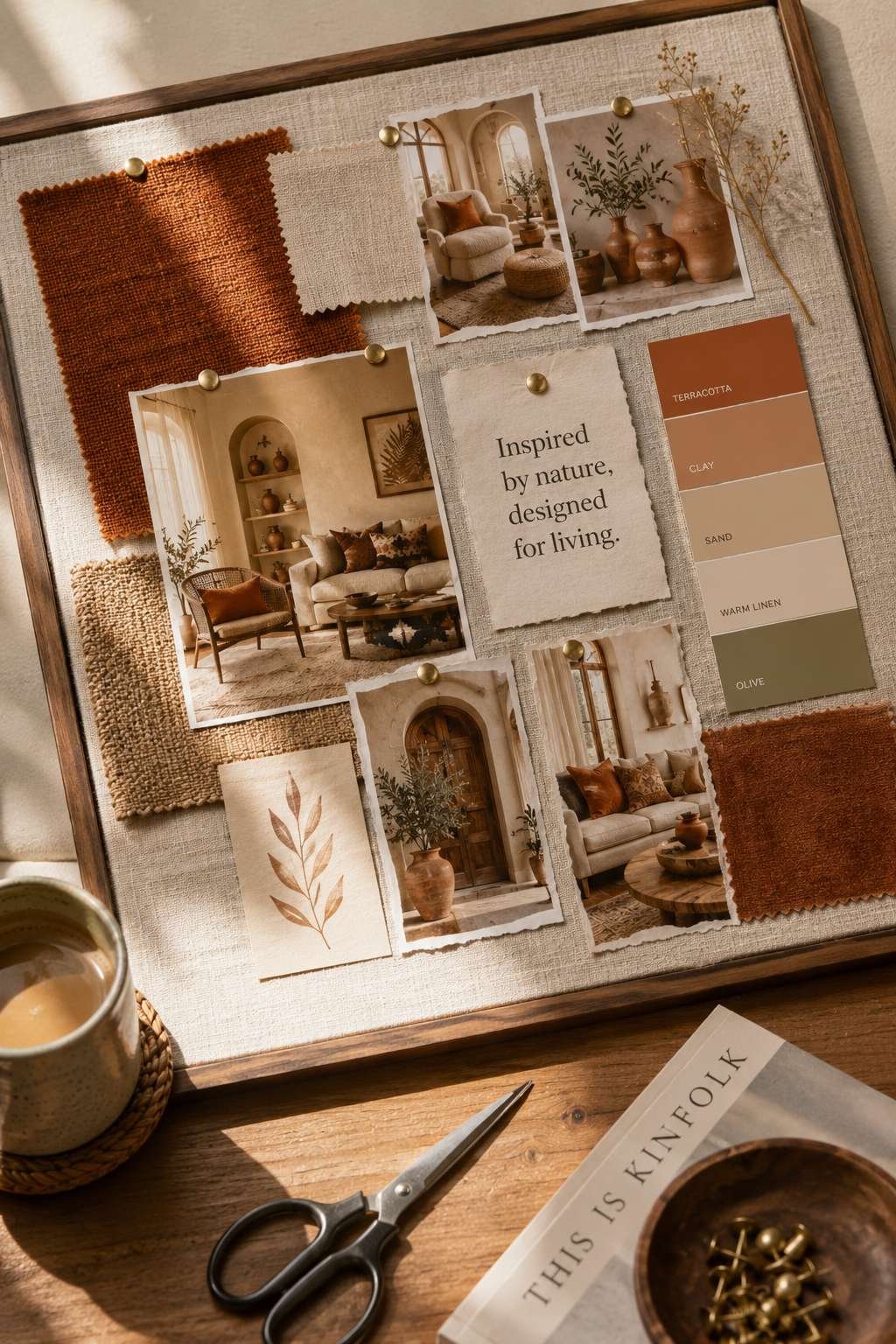
After collecting 20 to 30 images, step back and look for recurring themes across your selections. You might notice a consistent color palette, a preference for natural materials, or a recurring silhouette in furniture shapes. This exercise removes guesswork and replaces it with concrete visual evidence of your actual taste.
- Save at least 20 inspiration images before analyzing
- Use Pinterest boards to organize by room type
- Look for repeated colors, textures, or shapes
- Include images of furniture, textiles, and full rooms
2. Analyze Your Current Closet and Wardrobe
Your personal style choices often extend far beyond your closet into how you decorate your home. Homeowners who love structured, tailored clothing frequently gravitate toward clean modern interiors. Those who prefer flowing, textured fabrics often feel drawn to bohemian or eclectic design elements instead.
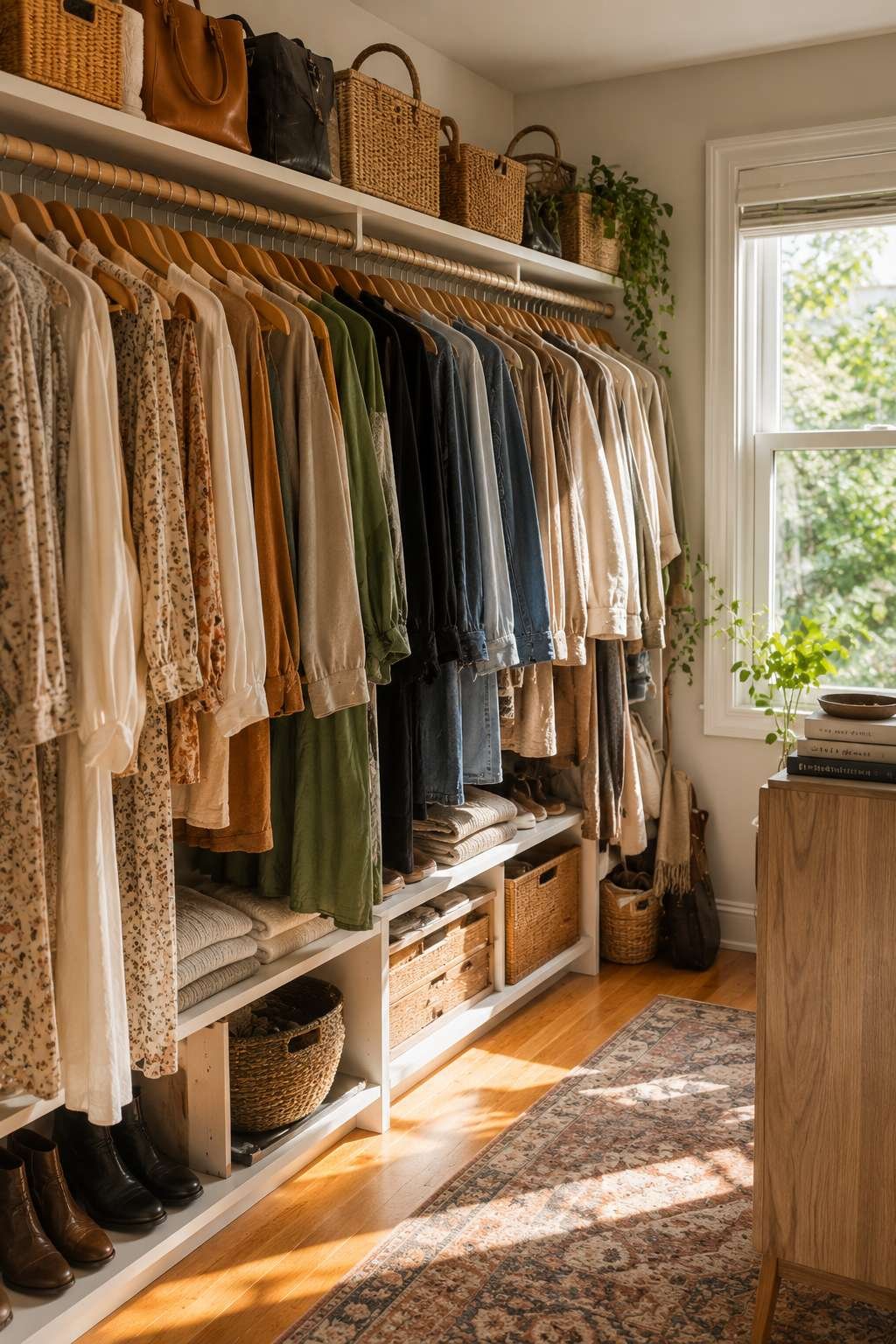
This connection exists because clothing and home decor both reflect the same underlying aesthetic instincts. Take note of the colors, patterns, and materials that dominate your wardrobe over the past year. This unexpected exercise often reveals style preferences that feel more authentic than anything found through generic style quizzes.
- Notice recurring colors in your everyday wardrobe
- Consider whether you prefer structured or relaxed silhouettes
- Look at jewelry and accessories for material preferences
- Compare findings against your home inspiration board
3. Identify Your Non-Negotiable Colors
Color preference is one of the most revealing indicators of personal design style. Some people feel instantly calm surrounded by soft neutrals and muted tones, while others crave the energy of bold jewel tones or warm earthy hues. Neither approach is wrong, but understanding your genuine preference prevents costly decorating mistakes.
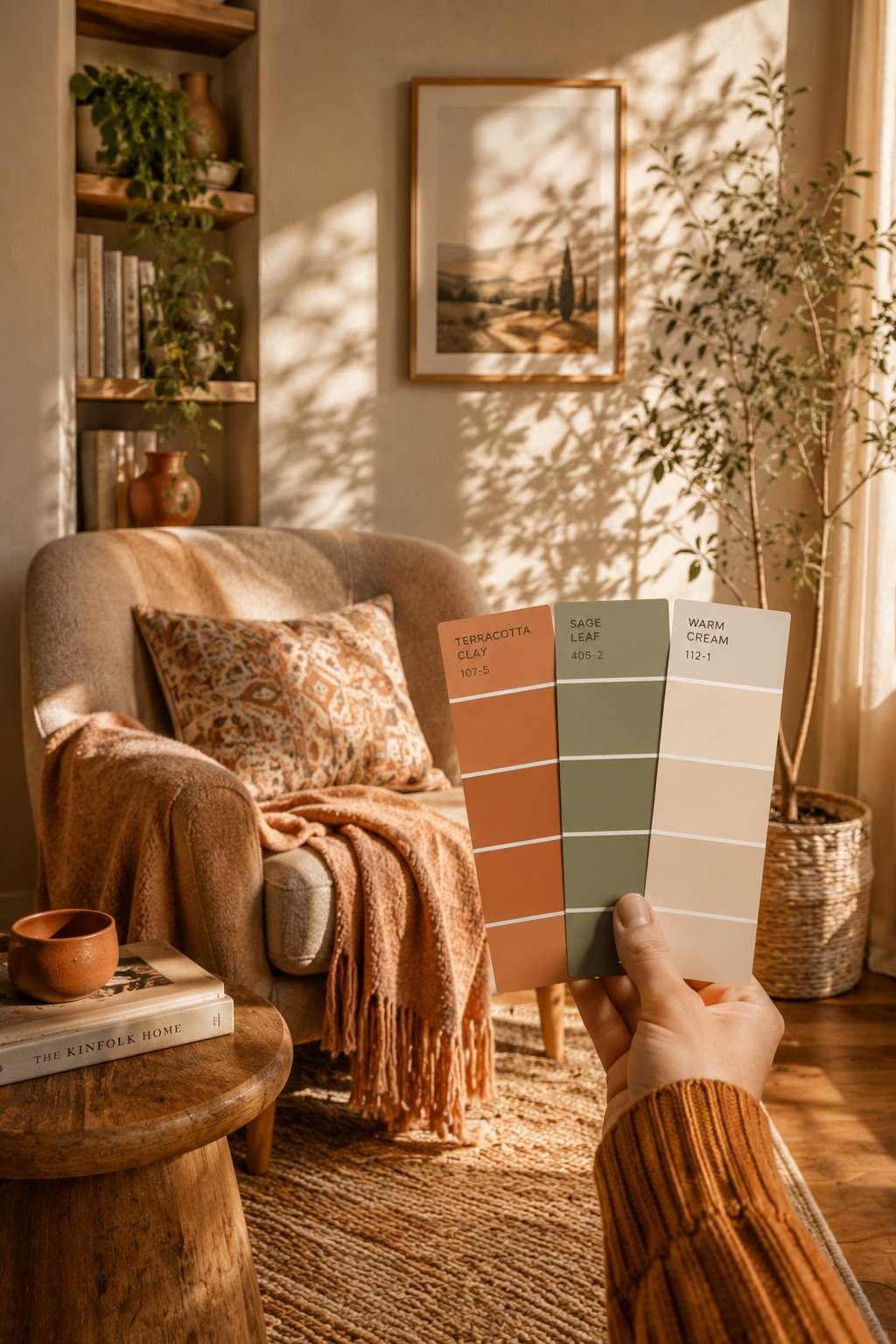
Think back to spaces that made you feel genuinely comfortable, whether a friend’s home, a hotel, or a favorite restaurant. Try to recall the dominant color scheme in that memorable space. This reflection often uncovers a color story that feels far more personal than simply picking trending shades from a paint store display.
- Identify colors that make you feel calm or energized. Our guide on how to make your room cute walks through this step by step.
- Recall spaces where you felt genuinely comfortable
- Test paint swatches directly on your walls at home
- Avoid choosing colors purely because they’re currently trending
4. Consider Your Lifestyle and Daily Habits
Design style should always work in harmony with how you actually live, not just how a space looks in photos. Families with young children or pets often need durable, low-maintenance materials regardless of their aesthetic preferences. Someone who works from home might prioritize a calm, distraction-free environment over dramatic statement pieces.
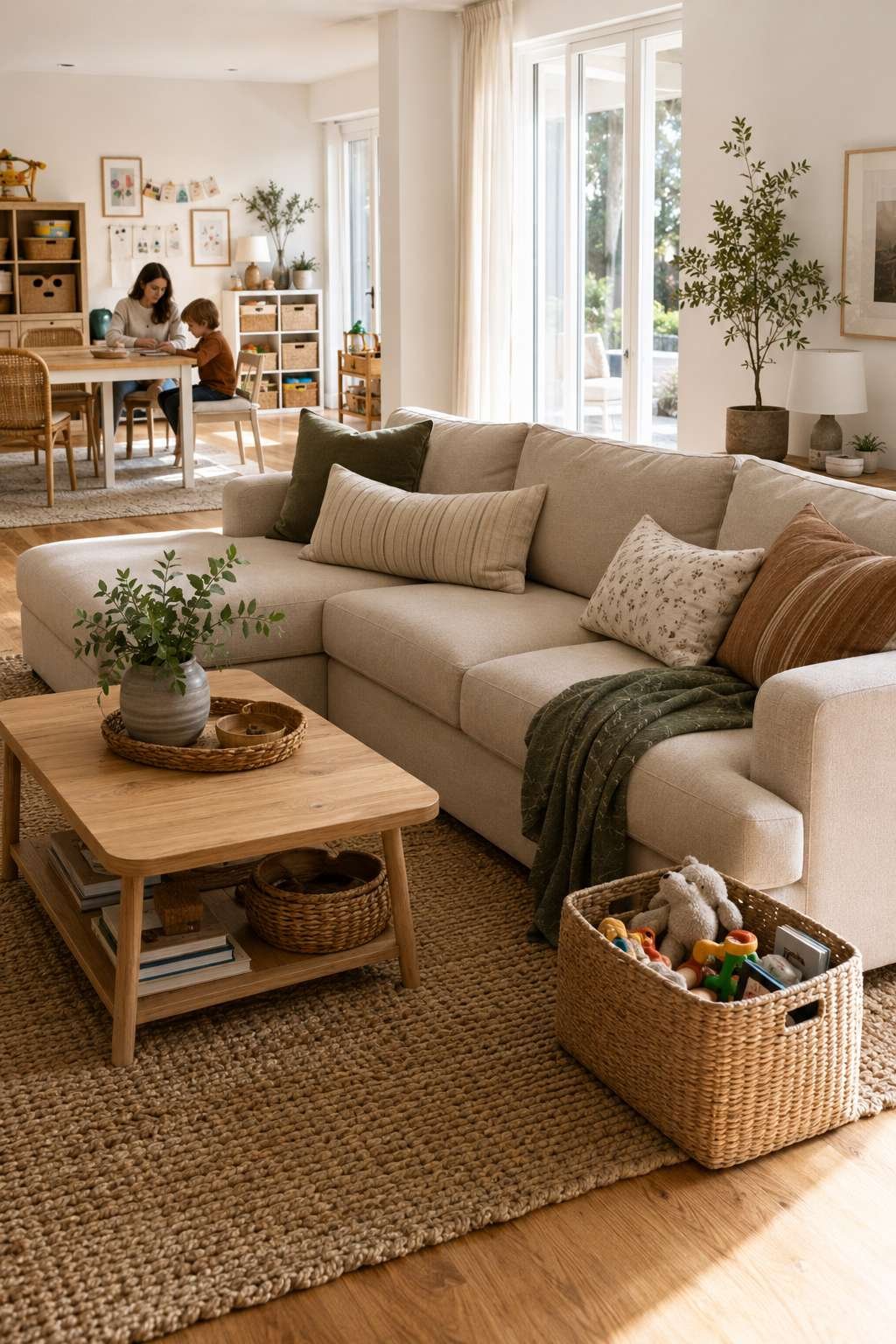
Think honestly about your daily routines and how your home currently supports or hinders them. A love for minimalist design might clash with a household that naturally accumulates books, hobbies, and sentimental items. Finding your true style means balancing visual preference with practical, real-world functionality. Our minimalist vs maximalist comparison covers that decision in more depth.
- Consider durability needs if you have kids or pets
- Think about how much maintenance you’re willing to do
- Factor in storage needs for hobbies and belongings
- Match style choices to your actual daily routine
5. Take Note of What You Avoid
Sometimes identifying your style is easier when you focus on what you actively dislike. Pay attention to design elements that make you feel uncomfortable or overwhelmed, whether it’s overly ornate details or stark, cold minimalism. This negative feedback is just as valuable as positive inspiration for narrowing down direction.
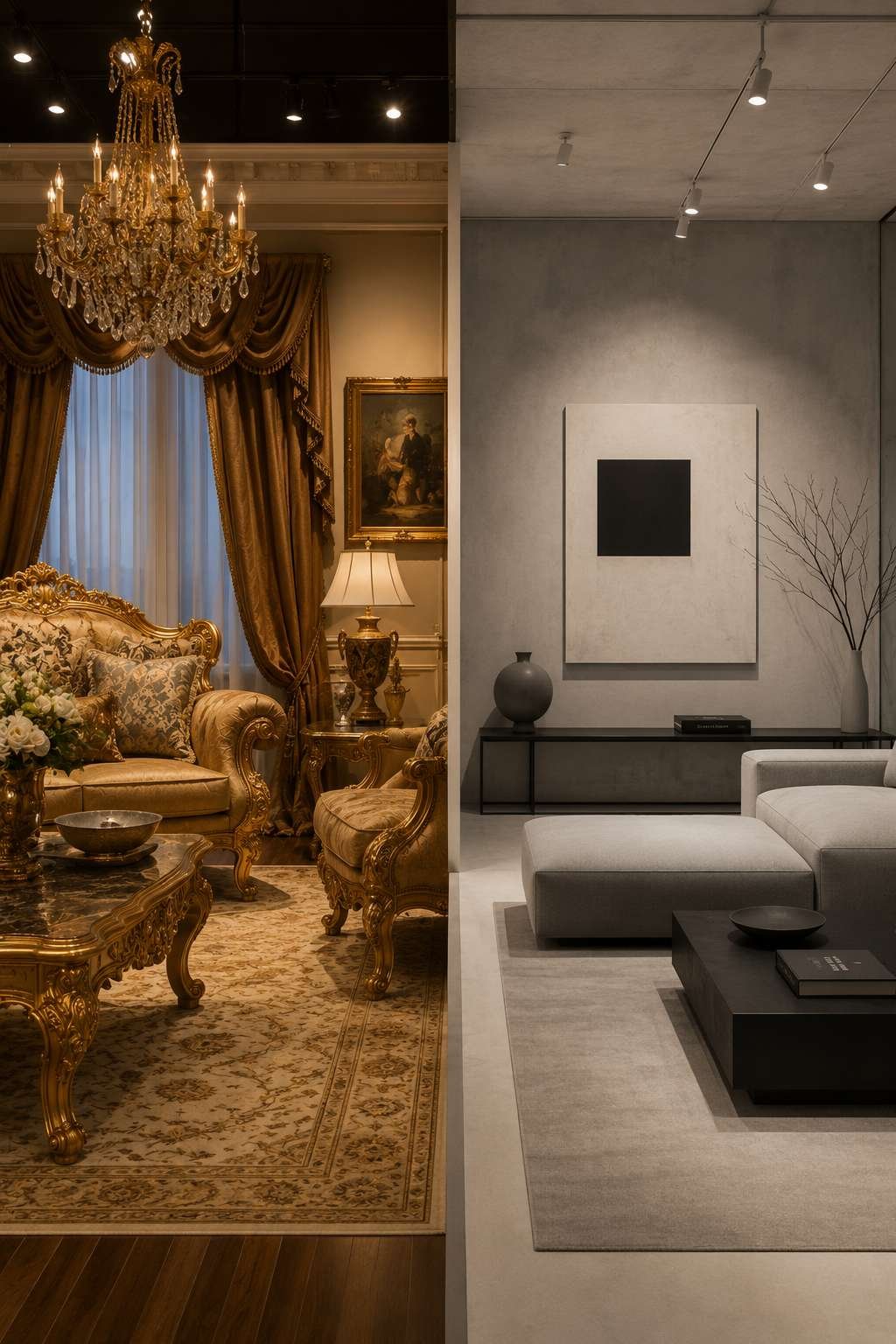
Walk through furniture showrooms or model homes and consciously note your immediate reactions to different rooms. Some spaces will feel instantly wrong even if you can’t articulate why at first. Trusting these gut reactions helps eliminate entire style categories, making your final decision significantly clearer.
- Note styles that feel immediately uncomfortable to you
- Visit model homes or showrooms for real reactions
- Eliminate categories that consistently don’t resonate
- Trust instinctive responses over logical explanations
6. Look for Patterns Across Multiple Rooms
Your true style often becomes clearest when comparing preferences across different spaces in your home. You might discover you love cozy, layered textures in living rooms but prefer crisp minimalism in bathrooms and kitchens. This is completely normal and often reflects a transitional style blending multiple influences.
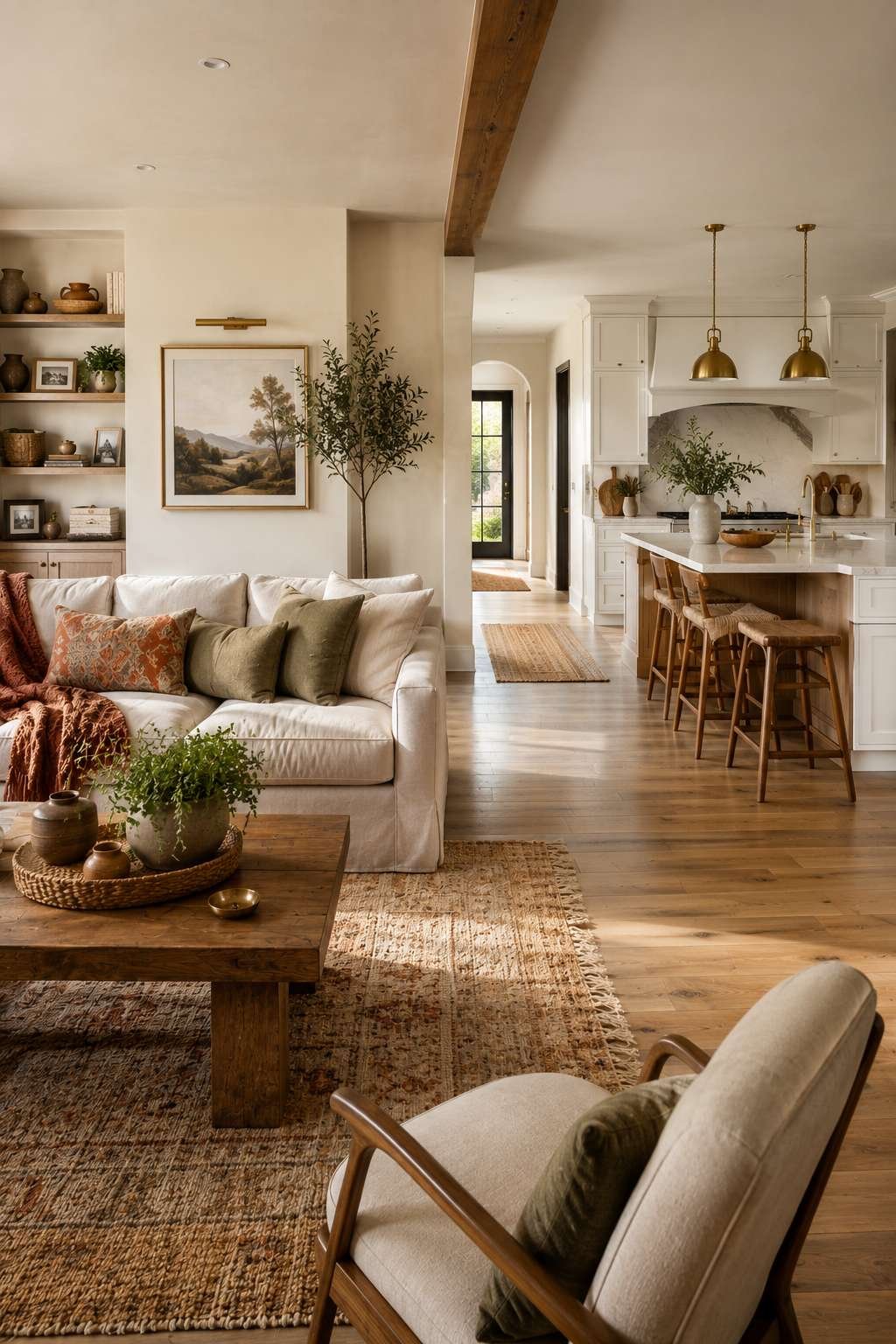
Rather than forcing every room into one rigid category, allow your preferences to guide a cohesive but flexible approach throughout the house. Many successful interiors combine two or three complementary styles rather than sticking to just one strict label. This flexibility often produces the most personal and livable results.
- Compare style preferences across every room in your home
- Accept a blended style rather than forcing one label
- Choose two or three complementary aesthetics to combine
- Prioritize cohesion over strict style rules
7. Start Small Before Committing Fully
Once patterns emerge, resist the urge to overhaul your entire home immediately. Start with smaller, lower-cost changes like throw pillows, artwork, or a single accent wall to test your instincts. This approach allows you to live with new choices before committing to expensive furniture or renovations.
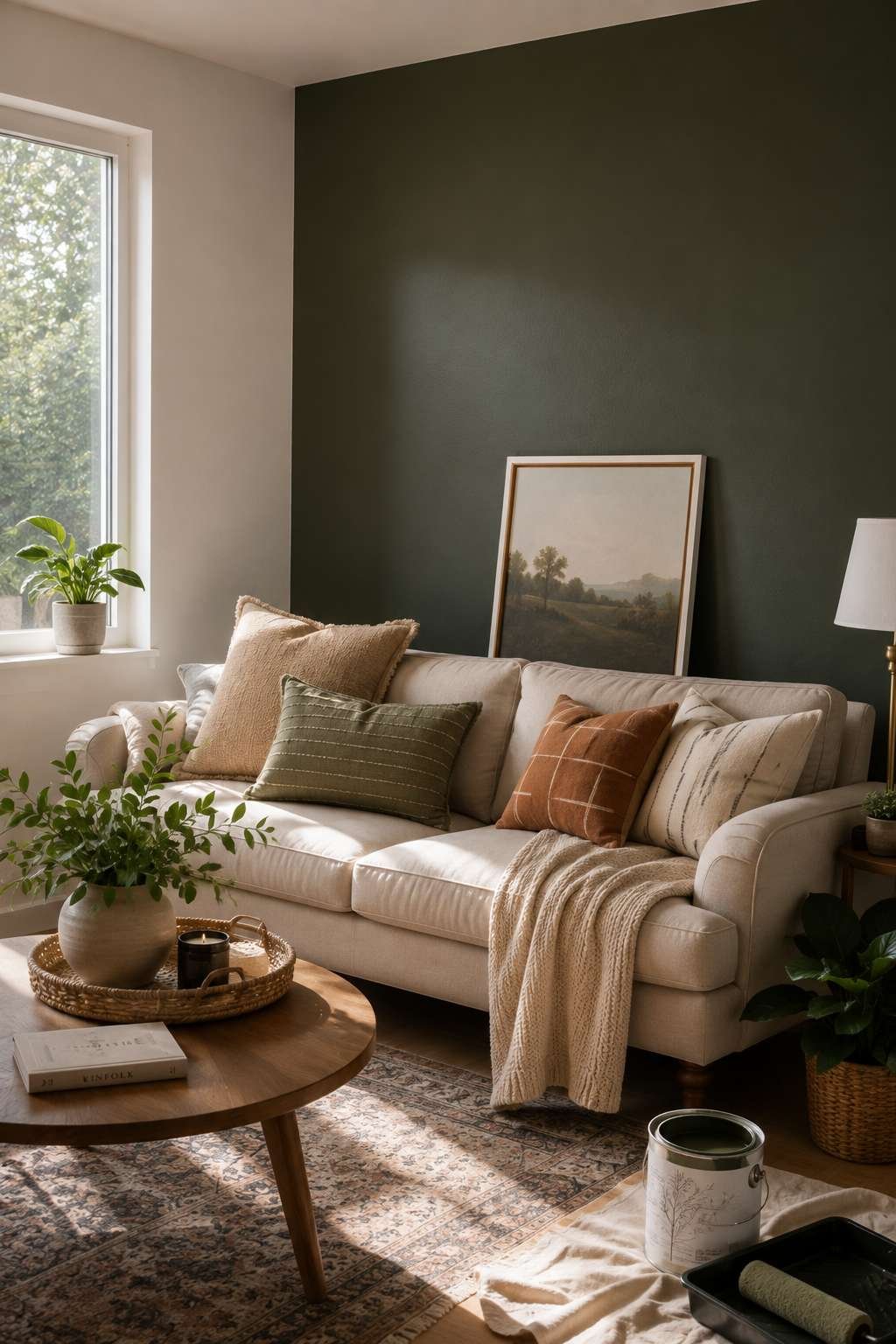
Give yourself permission to adjust and evolve as you learn more about your genuine preferences over time. Style discovery is rarely instant, and many homeowners refine their taste gradually across several years. Small, low-risk experiments build the confidence needed for larger design decisions down the road.
- Test new ideas with inexpensive accessories first
- Try a single accent wall before repainting everything
- Give yourself time to live with new choices
- Allow your style to evolve naturally over time
Finding your home decor style is ultimately a process of self-discovery, not simply following a checklist. By gathering inspiration, analyzing your habits, and paying attention to genuine reactions, your true preferences become impossible to ignore. Trust this process even when your style doesn’t fit neatly into one traditional category.
Your home should feel like an authentic reflection of who you are, not a showroom copy. Take the time to experiment, adjust, and build a space that genuinely brings you joy every single day. The most successful interiors are always the ones that feel honestly and unmistakably yours.

