


Muddy soles and grass-stained canvas don’t have to mean a trip to the sink with a scrub brush. Learning how to wash tennis shoes in laundry machine cycles safely can save you time while still getting shoes genuinely clean, as long as you follow a few precautions first. Not every shoe is a good candidate, and skipping the prep steps is the most common way people damage a pair or their machine.
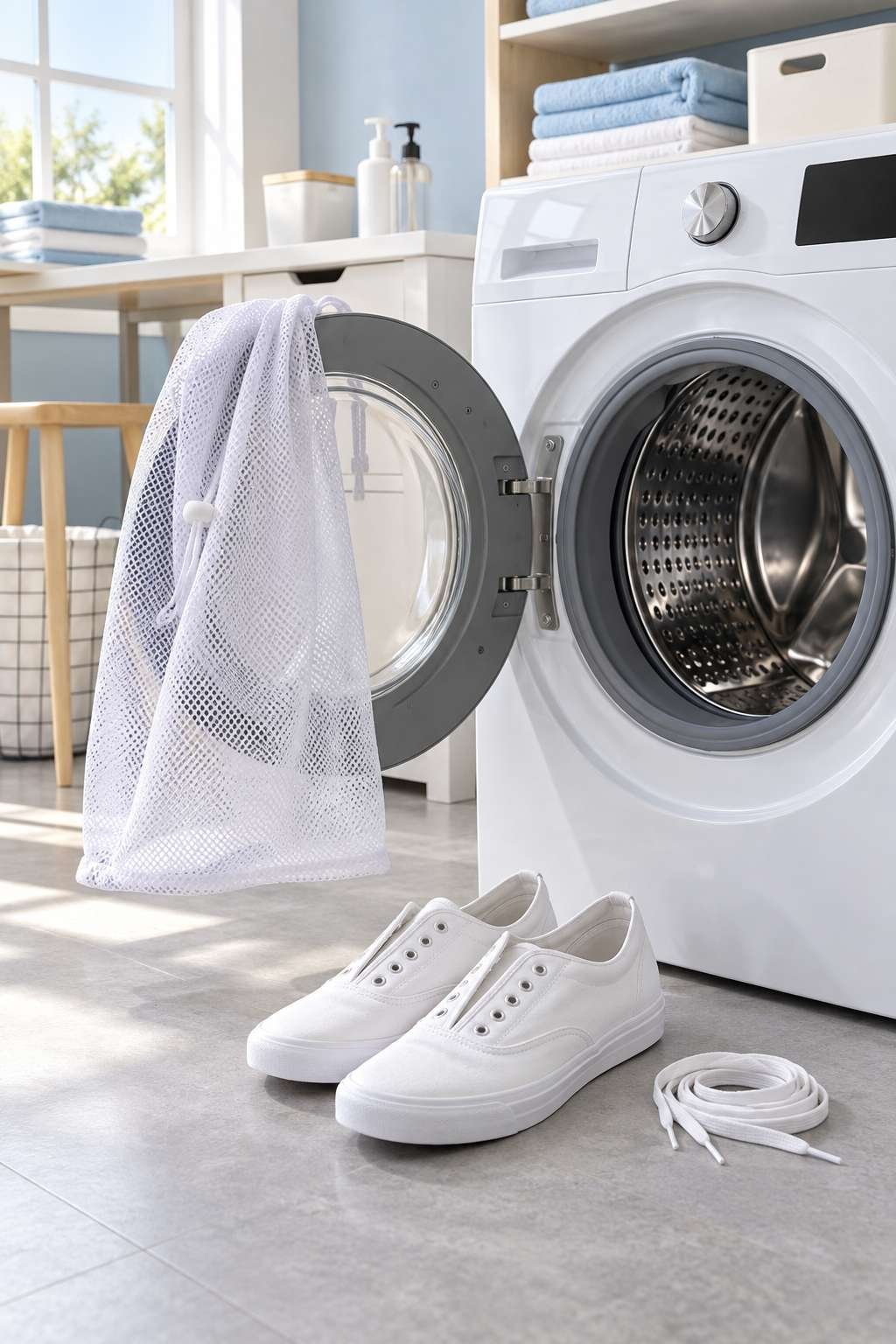
This guide walks through exactly which shoes are safe to machine wash, how to protect them during the cycle, and how to dry them without warping the shape. Follow it in order and you’ll get consistently clean results without any surprises.
1. Check If Your Shoes Are Machine-Washable
Not every pair of sneakers belongs in a washing machine. Canvas shoes, most mesh athletic sneakers, and simple cotton tennis shoes generally hold up well. Leather, suede, and shoes with glued-on embellishments are far riskier and often better hand-cleaned instead.
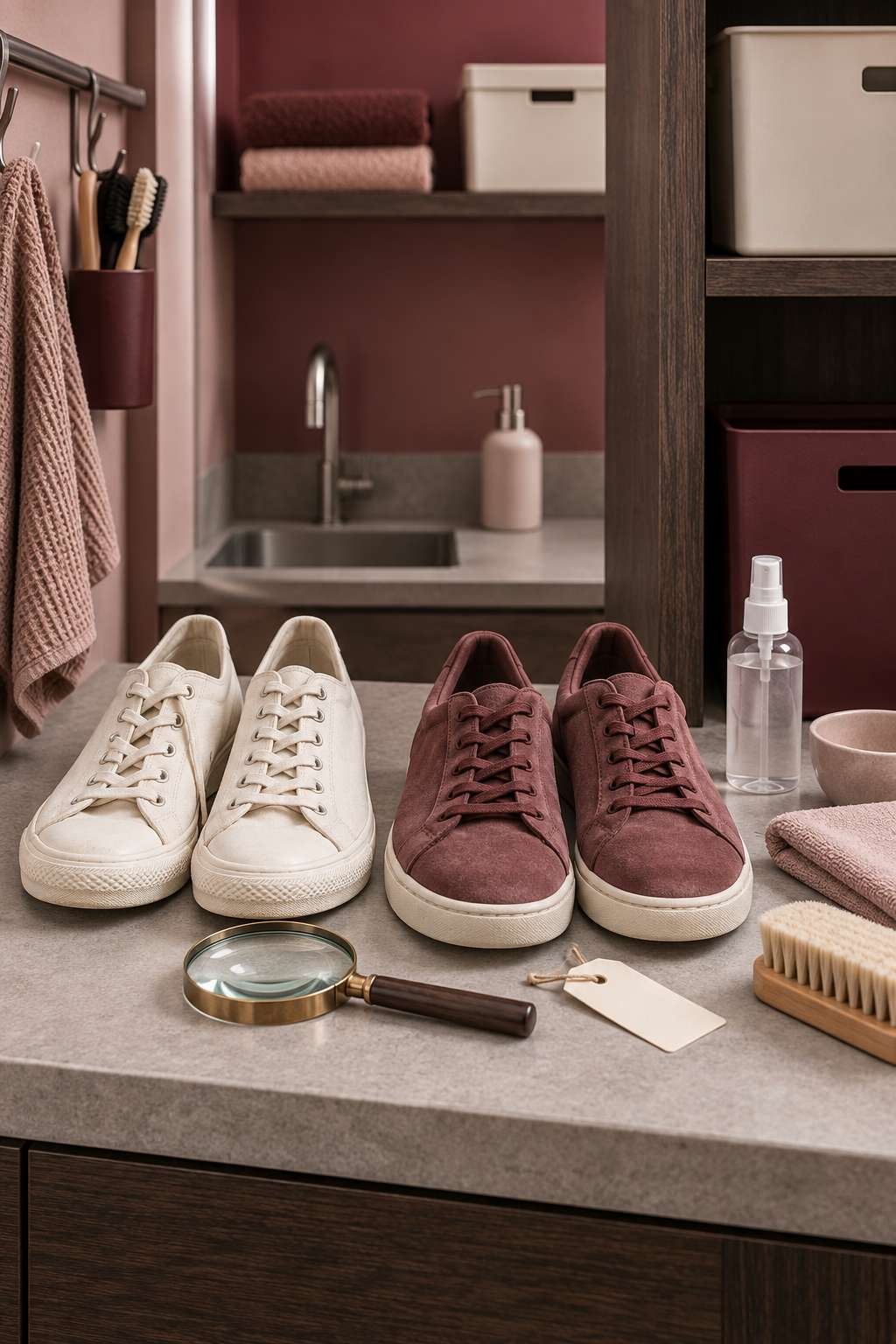
Check the shoe’s care label or manufacturer website if you’re unsure, since some brands explicitly warn against machine washing. When in doubt, test on an inconspicuous area first, or stick to hand cleaning for anything with sentimental or high resale value. If you’re new to using your machine altogether, a quick read through how to actually operate a laundry machine covers the basics before you attempt anything as delicate as shoes.
- Confirm the material is canvas, mesh, or machine-safe synthetic
- Avoid machine washing leather, suede, or memory-foam soles
- Check for a manufacturer care label or washing symbol
- Skip machine washing for shoes with glued decorative elements
- Test colorfastness on a hidden spot with a damp cloth first
- When uncertain, hand wash instead of risking machine damage
2. Remove Laces and Insoles First
Laces tangle easily during a wash cycle and can wrap around other items or get caught in the machine’s mechanisms. Pull them out completely before loading the shoes, along with any removable insoles, which often trap the most odor-causing bacteria.
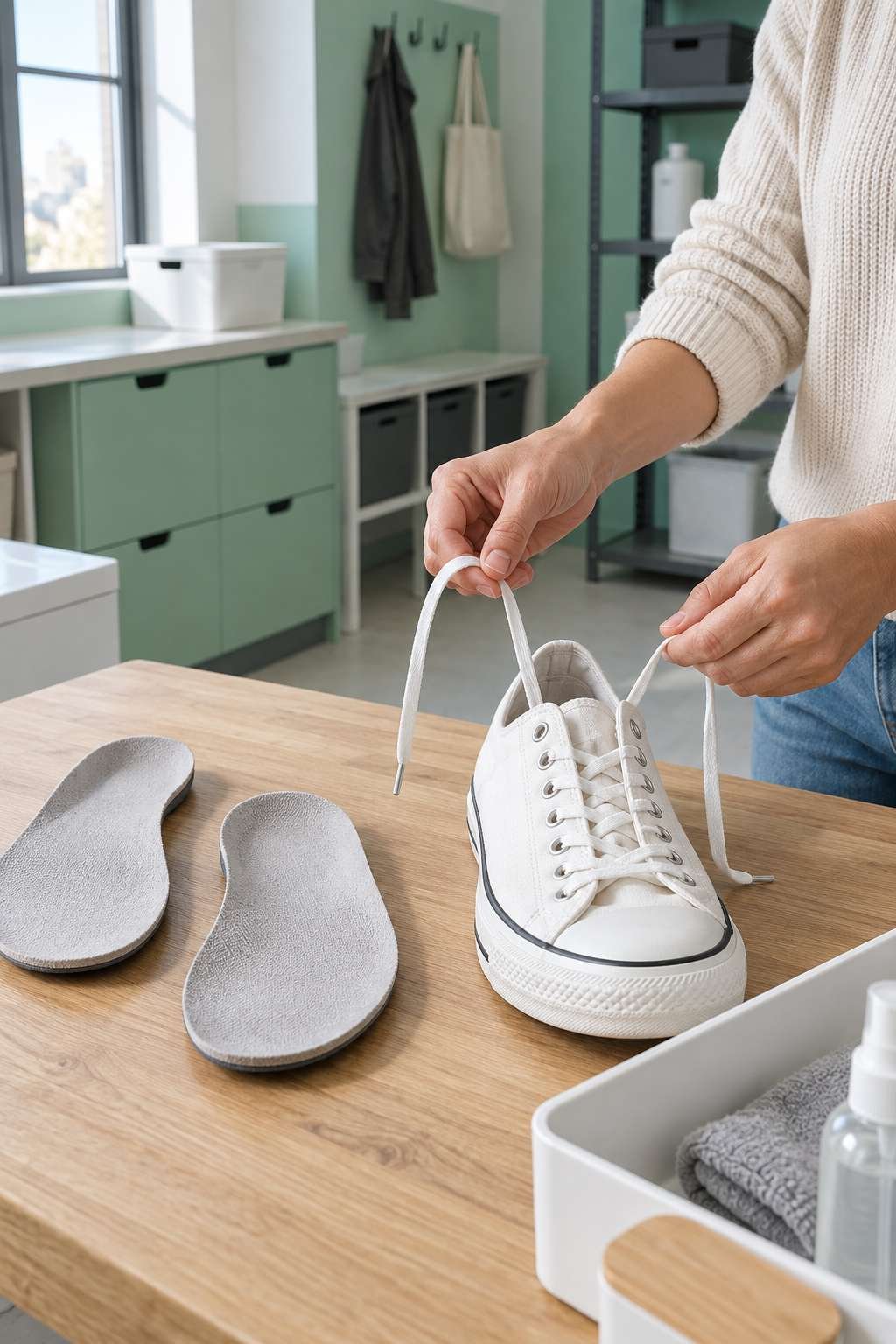
Washing these components separately also gets them cleaner than leaving them attached, since the machine’s agitation can reach every surface. Set them aside in a small mesh bag so they don’t get lost in the wash.
- Remove laces completely and set them aside
- Pull out removable insoles before loading shoes
- Place small components in their own mesh laundry bag
- Check pockets and tongues for any additional inserts
- Note lace positioning with a quick photo if reinserting is tricky
- Never leave insoles inside during the wash cycle
3. Pre-Treat Stains and Scuffs
A quick pre-treatment step dramatically improves results, especially for grass stains, mud, or scuff marks. Use an old toothbrush with a mild detergent paste to work directly into stained areas before the shoes ever go into the machine.
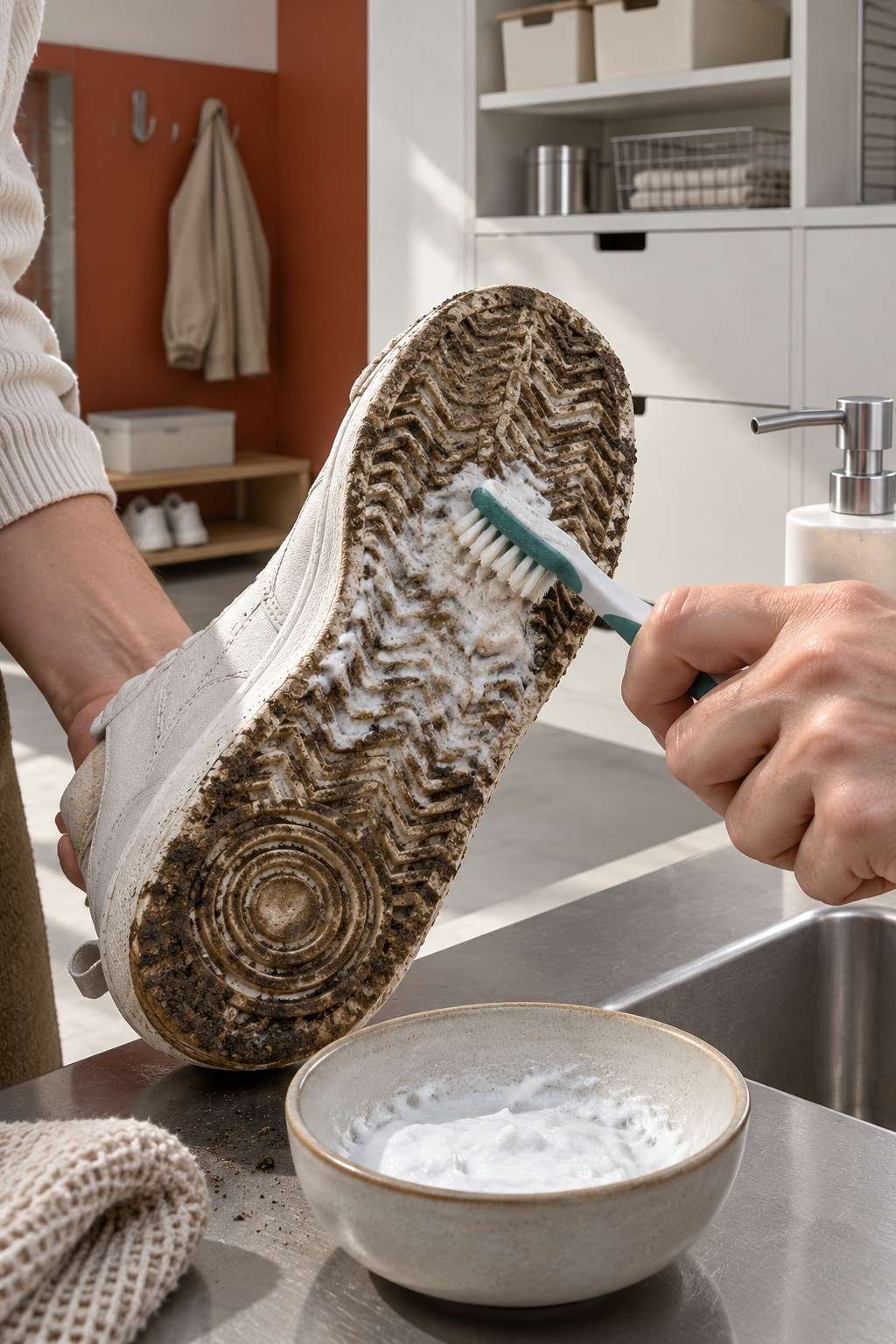
Let the pre-treatment sit for several minutes so the solution has time to break down ground-in dirt. This extra step is often the difference between shoes that come out looking new and ones that still show faint stains after a full cycle.
- Scrub visible mud and dirt off with a dry brush first
- Apply a paste of mild detergent and water to stains
- Focus extra attention on the rubber sole and toe areas
- Let pre-treatment sit for 10-15 minutes before washing
- Use a stain-specific pre-treater for stubborn grass stains
- Rinse loose debris off outside before loading the machine
4. Protect Your Shoes with a Mesh Bag or Pillowcase
A mesh laundry bag is the single best tool for washing shoes safely, since it prevents them from banging directly against the drum. If you don’t have one, an old pillowcase tied shut works as a reasonable substitute.
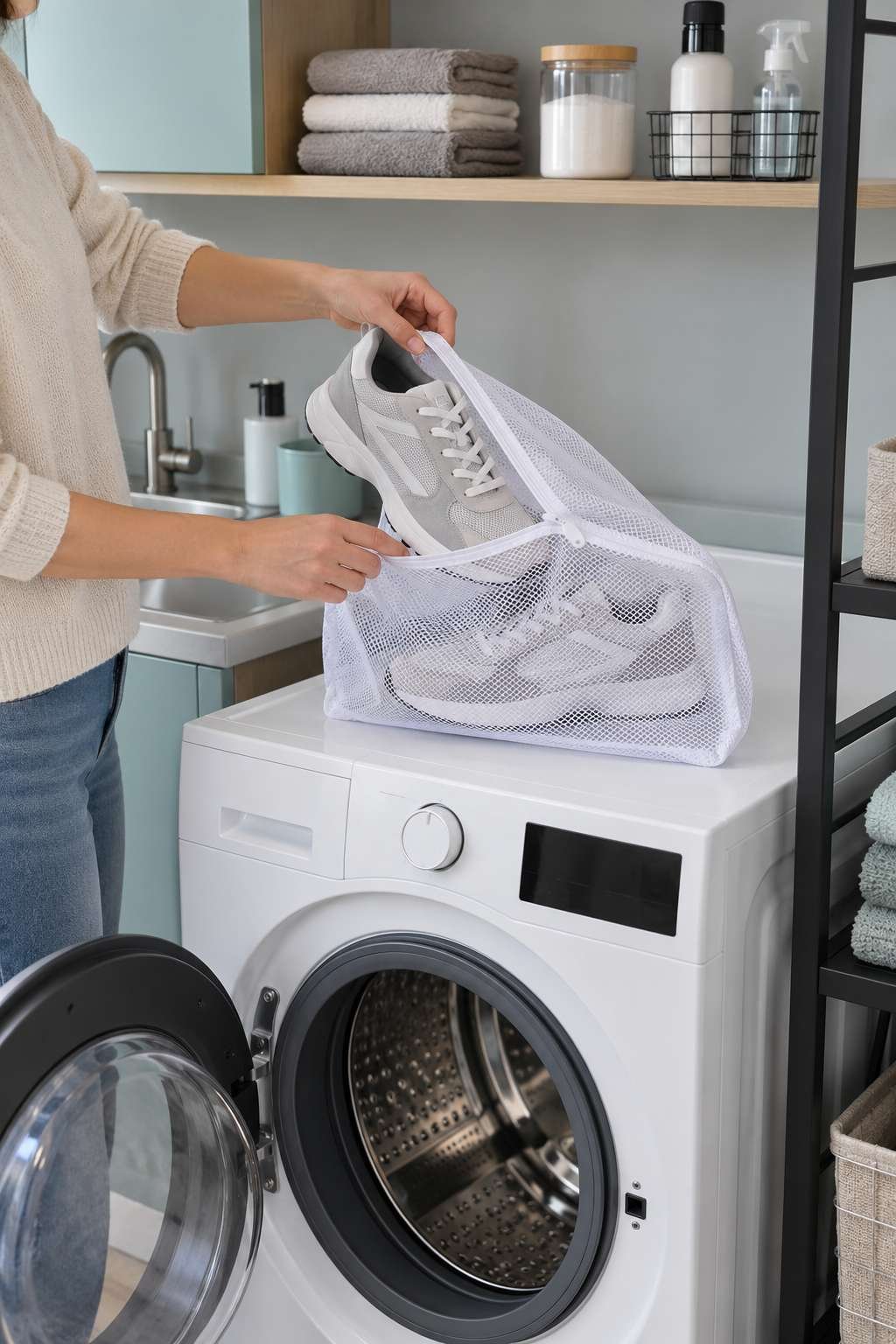
This protective layer reduces noise, minimizes wear on both the shoes and the machine’s interior, and keeps any loose debris contained instead of clogging the drain filter. Never wash shoes completely loose in an open drum.
- Place each shoe inside a sturdy mesh laundry bag
- Use a knotted pillowcase if a mesh bag isn’t available
- Avoid overstuffing the bag so shoes can move freely
- Add a couple of towels to the load for extra cushioning
- Check that the bag is fully sealed before starting the cycle
- Never run shoes in the machine completely unprotected
5. Choose the Right Wash Cycle and Water Temperature
Select a gentle or delicate cycle with cold water to protect glue seams and prevent color bleeding. Hot water can weaken adhesives that hold soles and panels together, leading to premature separation.
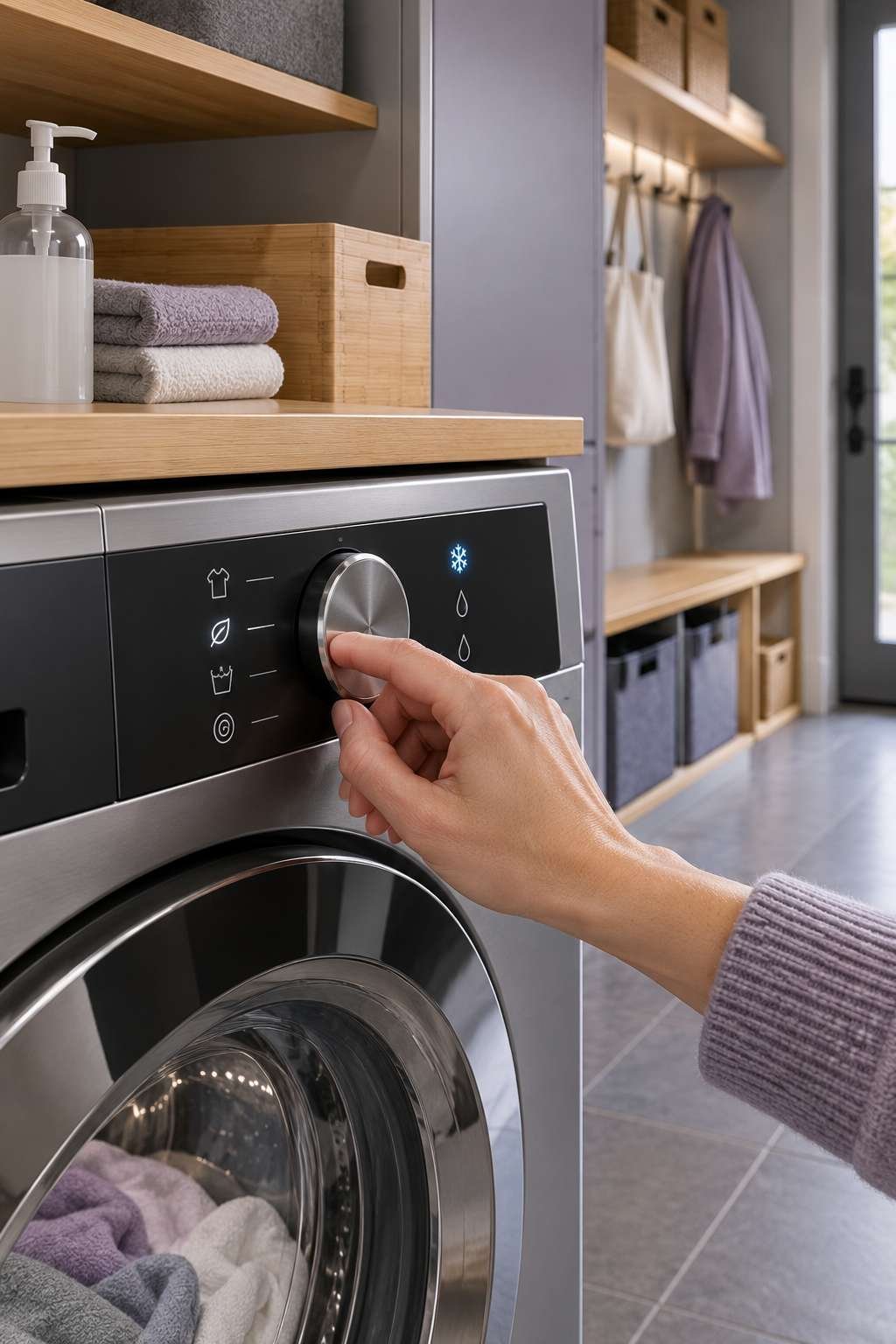
Skip the spin cycle entirely if your machine allows it, since high-speed spinning is one of the more common causes of shoe damage. A slower, gentler cycle takes a bit longer but produces far more reliable results over repeated washes. It’s also worth knowing roughly how much water a laundry machine uses per cycle, since a smaller, more efficient load setting is gentler on both your shoes and your utility bill.
- Select the delicate or gentle cycle setting
- Always use cold water, never hot or warm
- Reduce or skip the spin cycle if your machine allows it
- Avoid extra rinse settings that add unnecessary agitation
- Check your machine’s manual for a dedicated shoe setting
- Run a shorter cycle length when available for less wear
6. Pick a Gentle, Shoe-Safe Detergent
A mild, unscented liquid detergent works best for shoes, since powder detergent can leave residue trapped in mesh fabric. Avoid bleach entirely unless the shoes are solid white and explicitly bleach-safe, as it can yellow certain synthetic materials.
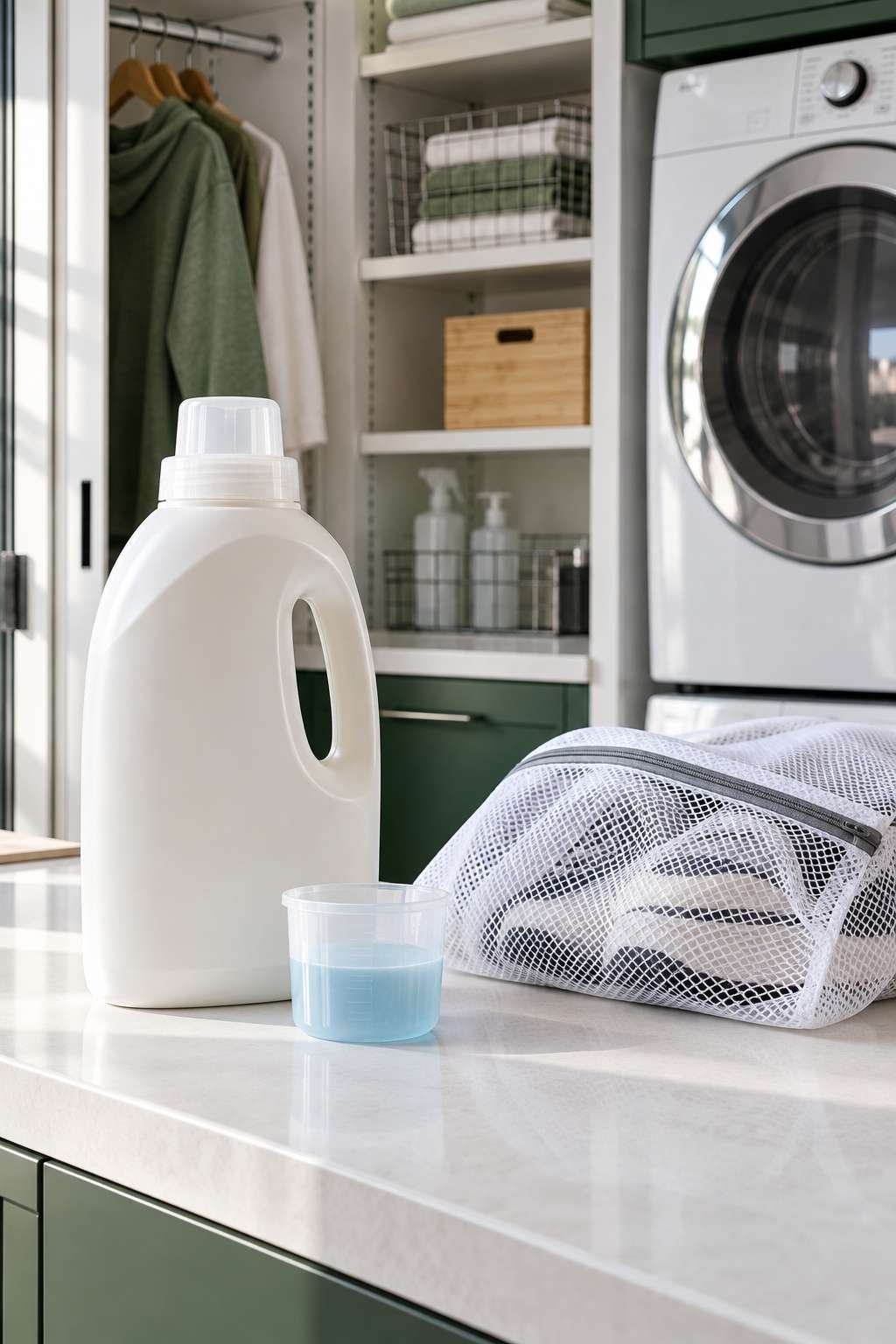
Use less detergent than you would for a regular clothing load, since shoes have far less absorbent surface area. Too much soap often means a lingering residue that’s difficult to fully rinse out.
- Choose a liquid detergent over powder for cleaner rinsing
- Use about half the amount recommended for a regular load
- Skip bleach unless shoes are solid white and bleach-rated
- Avoid fabric softener, which can degrade rubber components
- Consider a sport-specific detergent for heavily soiled shoes
- Double-check detergent is safe for delicate or cold cycles
7. Balance the Load to Protect Your Machine
Washing shoes alone can throw off your machine’s balance and cause excessive banging during the cycle. Add a few old towels to the load to cushion the shoes and help distribute weight evenly around the drum.
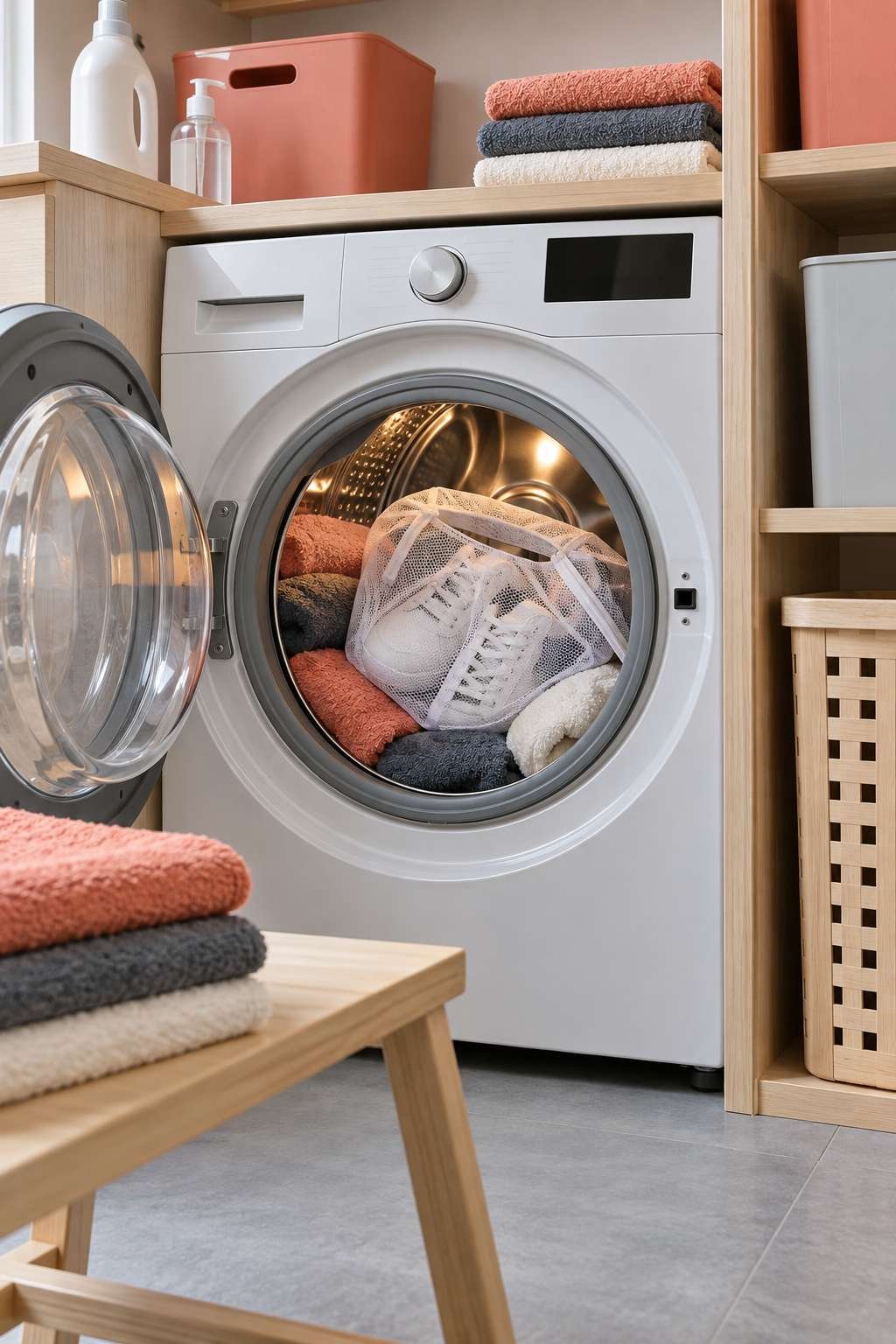
This is also a good moment to think about your machine’s overall health, since heavy or unbalanced loads over time contribute to wear. If your machine has been smelling musty lately, it may be worth a proper cleaning of the laundry machine itself before you run a load of shoes through it.
- Add two to three old towels for balance and cushioning
- Never wash more than one or two pairs of shoes at once
- Distribute weight evenly around the drum before starting
- Avoid combining shoes with delicate clothing items
- Listen for excessive banging and pause to redistribute if needed
- Keep the load size well under the machine’s maximum capacity
8. Dry Your Shoes the Right Way
Never put shoes in the dryer, since heat can warp soles, shrink fabric, and weaken glued seams. Instead, stuff each shoe loosely with paper towels or a dry cloth to help them hold their shape while absorbing moisture from the inside out.
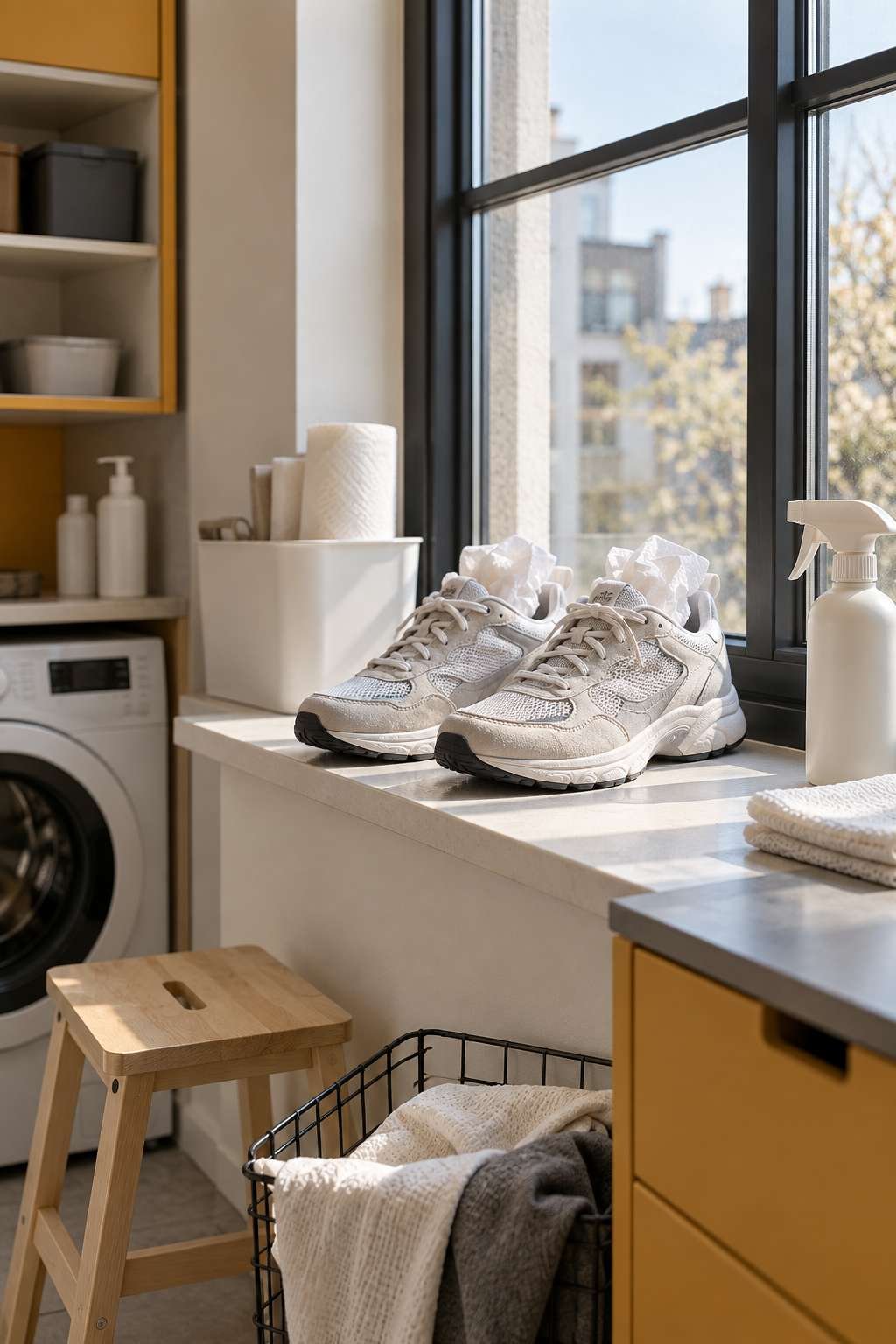
Air dry shoes away from direct sunlight or heating vents, both of which can cause discoloration or further material stress. This step takes patience, often a full day or two, but it’s essential for preserving the shoe’s structure and lifespan.
- Never use a machine dryer, even on a low or no-heat setting
- Stuff shoes with paper towels to maintain their shape
- Replace damp paper towels once or twice during drying
- Air dry in a well-ventilated area away from direct sun
- Avoid placing shoes near radiators or heating vents
- Allow at least 24-48 hours for shoes to fully dry
9. Clean Laces and Insoles Separately
Laces can typically go through a normal machine wash safely inside the same mesh bag as the shoes, or even in a small separate bag. Insoles, however, often respond better to a quick hand wash with mild soap and a soft brush, since some foam materials don’t hold up well to full machine cycles.
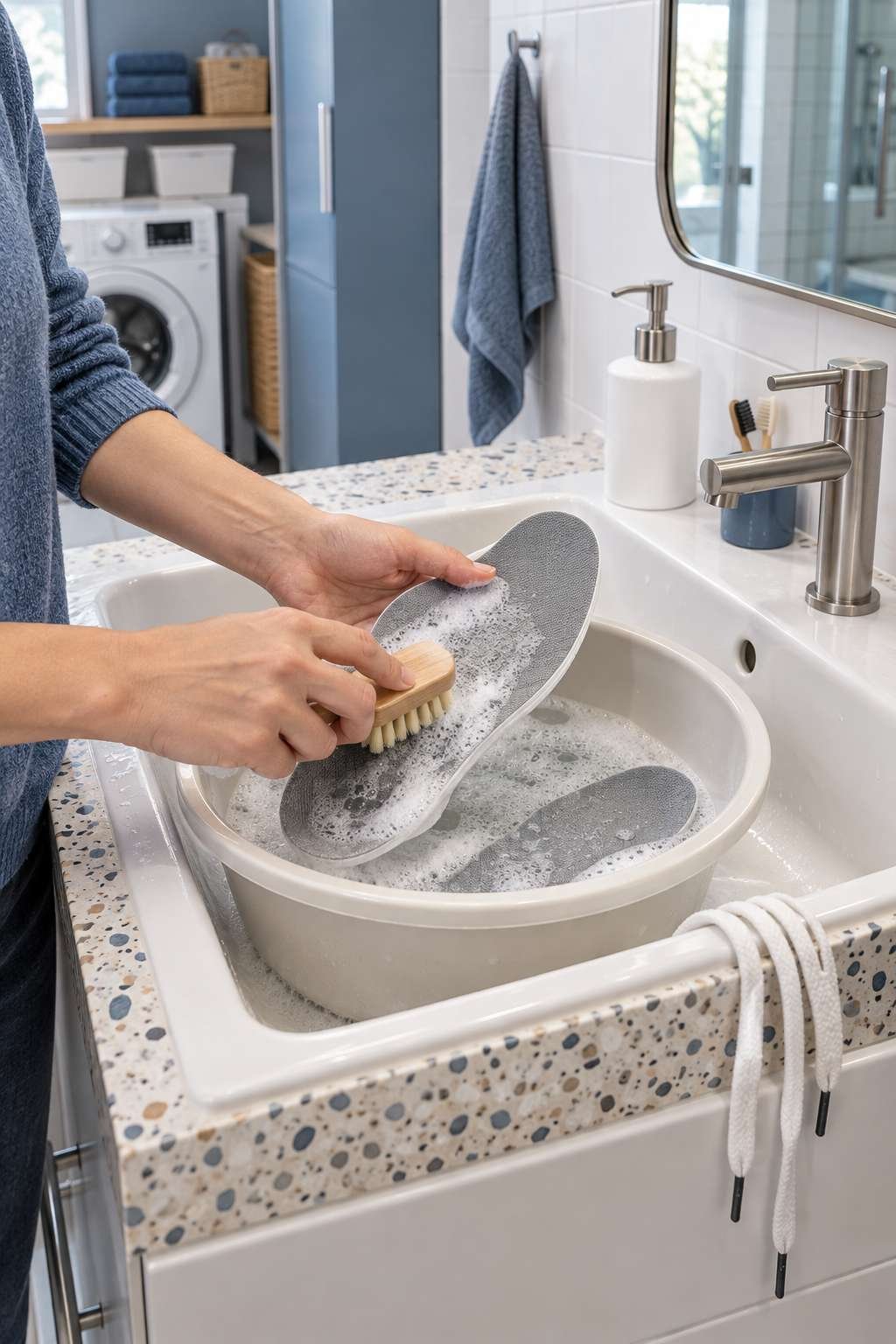
Let insoles air dry completely and flat before reinserting them, since trapped moisture is a leading cause of persistent odor. If your backpack or gym bag has been picking up the same locker-room smell, the same general approach for washing a backpack in the laundry machine applies to keeping the rest of your gear fresh.
- Wash laces in the same mesh bag as the shoes
- Hand wash foam insoles with mild soap and a soft brush
- Rinse insoles thoroughly to remove all soap residue
- Lay insoles flat to air dry, never in direct heat
- Reinsert insoles only once they’re completely dry
- Replace insoles periodically if odor persists after cleaning
10. Maintain Your Shoes Between Washes
Regular light maintenance reduces how often shoes need a full machine wash. Wipe down the exterior after muddy outings, air them out after workouts, and rotate between multiple pairs so no single pair stays damp or sweaty for too long.
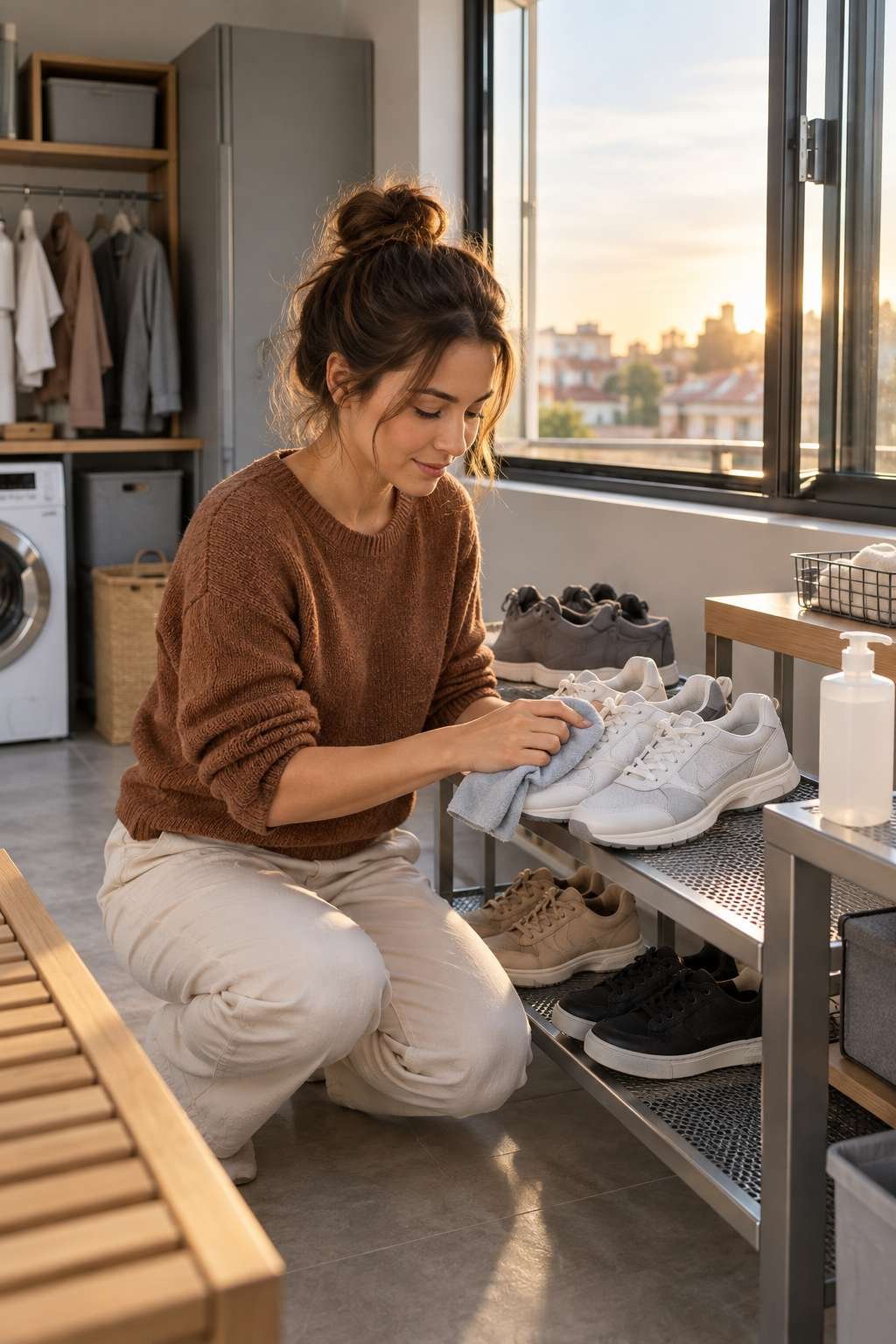
Understanding a bit about how the machine itself handles a wash cycle — including what the drum of the machine actually does during agitation — can help you make smarter decisions about which items are safe to run through it regularly, shoes included.
- Wipe shoes down after each muddy or dusty outing
- Air out shoes overnight instead of storing them damp
- Rotate between two or more pairs for daily wear
- Use a fabric protector spray on canvas shoes when new
- Spot clean minor stains instead of running a full wash
- Machine wash only every few weeks, not after every use
Frequently Asked Questions
How do you clean a smelly laundry machine?
Run an empty hot-water cycle with a cup of white vinegar or a dedicated washing-machine cleaner to break down built-up residue and odor. Wipe down the door seal and detergent dispenser afterward, since trapped moisture in those areas is usually the main source of the smell.
How do you use a laundry machine?
Sort your load, add the appropriate amount of detergent to the dispenser or drum, select a cycle based on fabric type and soil level, and choose the water temperature accordingly. Start the cycle and remove items promptly once it finishes to prevent musty odors.
How does a laundry machine work?
A laundry machine fills with water, mixes in detergent, and agitates or tumbles the load to loosen dirt from fabric fibers. It then drains the soiled water, rinses with clean water, and spins at high speed to remove excess moisture before the cycle ends.
How much does a laundry machine cost?
Basic top-loading washing machines typically start around $400 to $600, while high-efficiency front-loading models often range from $700 to $1,500 or more. Price varies based on capacity, smart features, and brand.
How do you drain a laundry machine?
Most machines drain automatically through a built-in pump during the cycle, but if you need to manually drain one, locate the drain hose or filter, usually near the bottom front panel, and release it over a shallow container. Always unplug the machine first for safety.
How do you install a laundry machine?
Installing a laundry machine involves connecting the hot and cold water supply hoses, attaching the drain hose to a standpipe or drain, leveling the machine using its adjustable feet, and plugging it into a grounded outlet. Run a test cycle afterward to check for leaks before regular use.
Washing tennis shoes in a laundry machine is entirely doable once you know which pairs qualify and how to protect them through the cycle. The prep work — removing laces, using a mesh bag, and choosing cold water — matters just as much as the wash itself. Skip the dryer, be patient with air drying, and your shoes will come out clean without sacrificing their shape or lifespan.
With a little routine care between washes, you’ll need this full process far less often, keeping both your shoes and your machine in better shape for the long run.

