


If you’ve ever tossed in a load and wondered how long does laundry machine take to finish, you’re asking one of the most common laundry-room questions out there. On average, a standard wash cycle runs somewhere between 30 minutes and two hours, depending on the machine type, the cycle selected, and the size of the load. Whether you’ve searched how long does a laundry machine take before starting a load or you’re just trying to plan your evening around the spin cycle, this guide breaks down exactly what affects that timing.
1. Average Wash Cycle Times by Machine Type
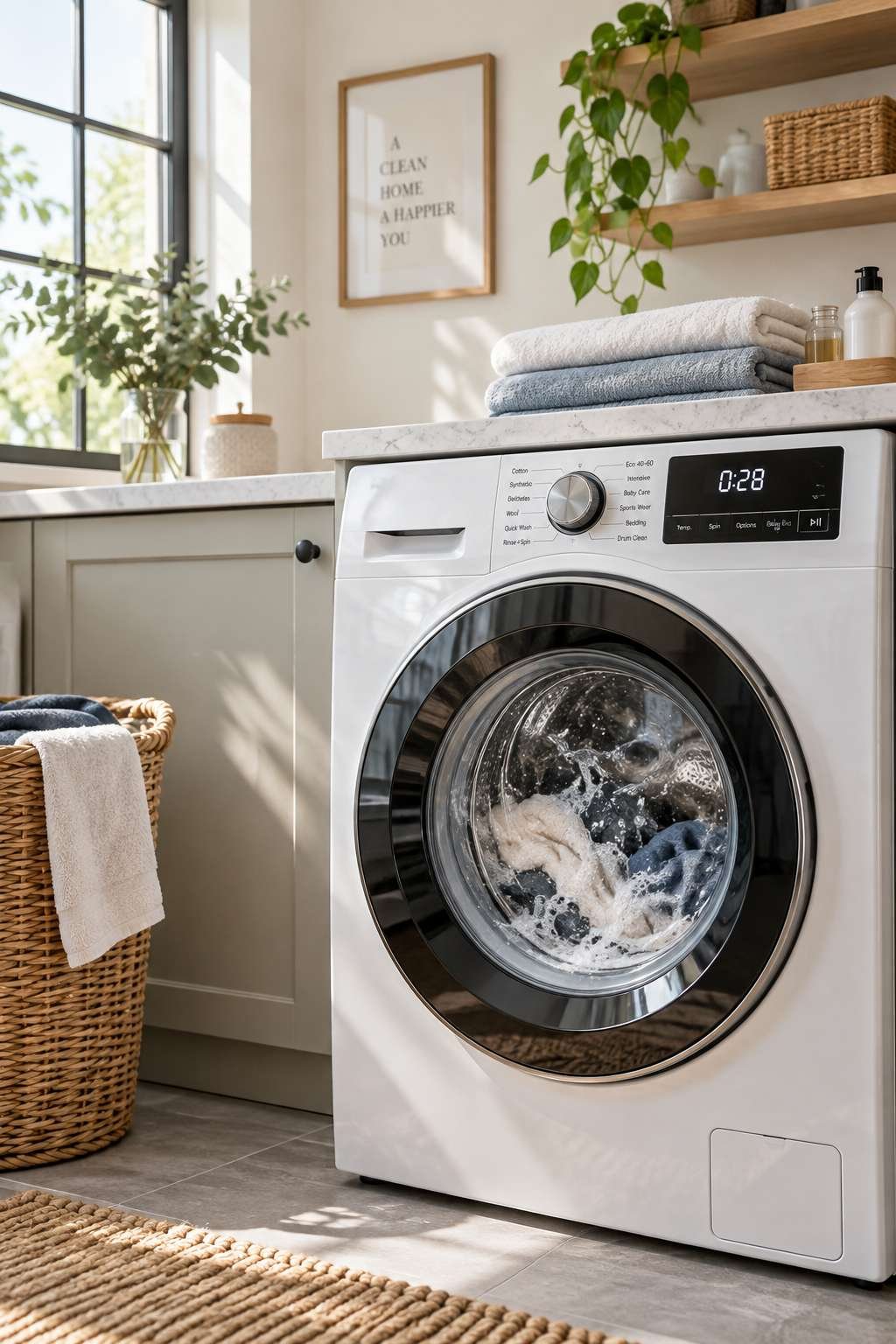
Not all washing machines run at the same speed, and that’s usually the first thing people notice when they ask how long does laundry machine take compared to their old unit. Top-load washers with agitators tend to finish fastest, often in 30-45 minutes.
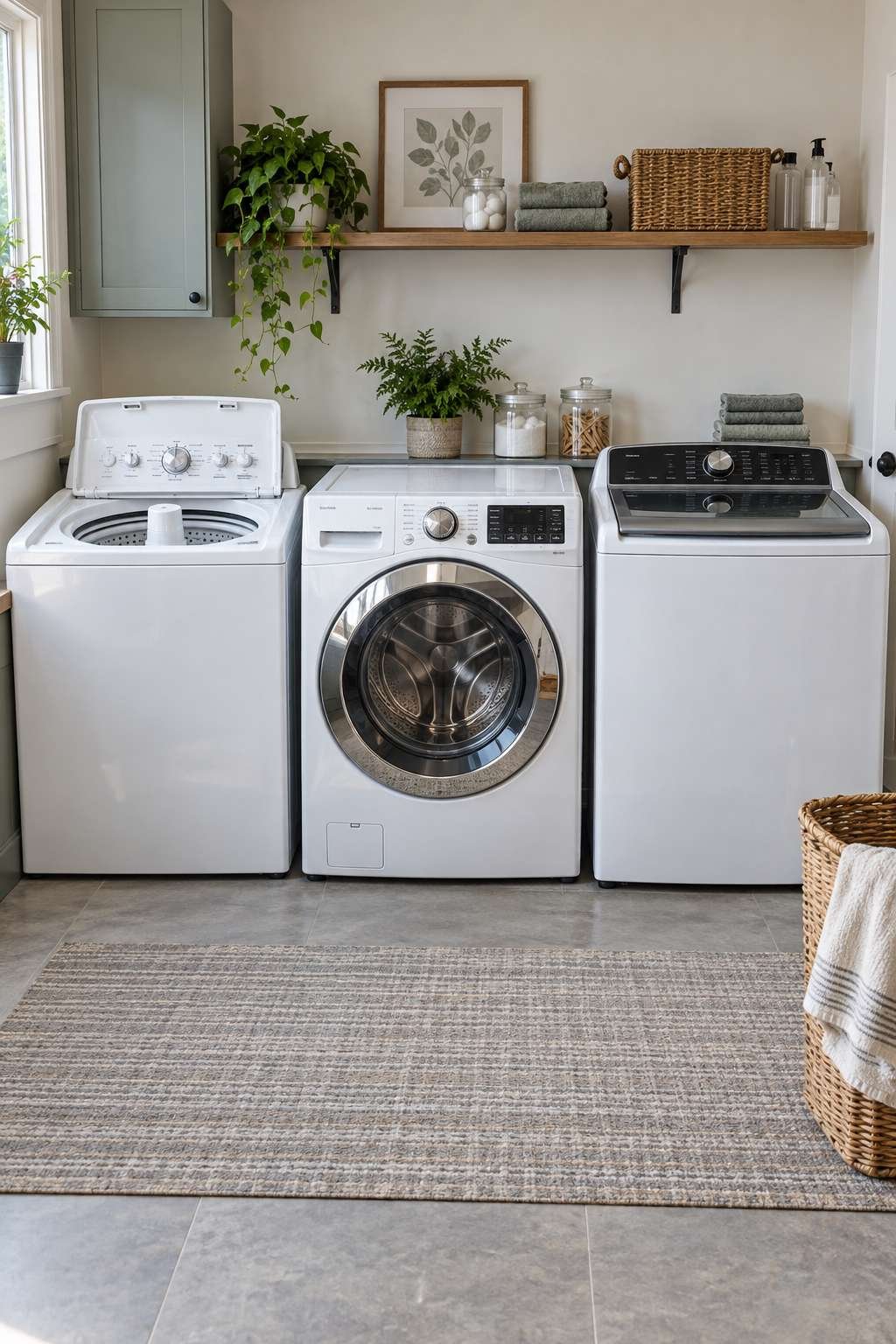
Front-load washers typically take longer, averaging 45 minutes to over an hour, because they use less water and rely on tumbling action instead. High-efficiency (HE) top-loaders land somewhere in between, usually 50-90 minutes per cycle.
- Expect top-load agitator washers to finish in about 30-45 minutes
- Plan for front-load washers to run 45-75 minutes on average
- Budget 50-90 minutes for HE top-loaders without an agitator
- Check your machine’s manual for exact factory cycle times
- Remember older machines often run faster but wash less thoroughly
2. How Cycle Selection Changes the Time
The cycle you choose has a huge impact on total run time, which is why how long does a laundry machine take can vary so much even in the same household. A quick or express wash can finish in 15-30 minutes, ideal for lightly soiled clothes.
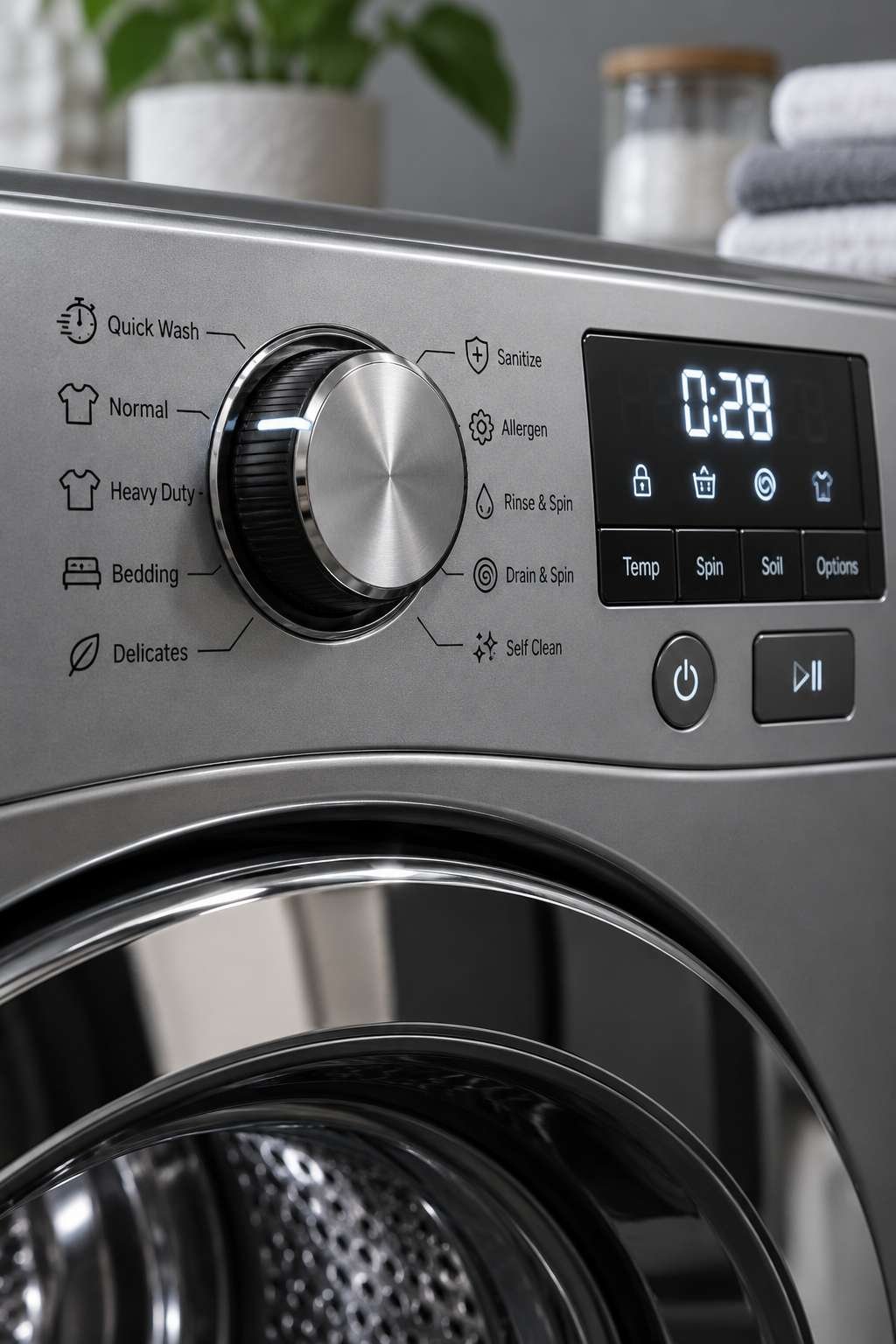
A normal cycle typically runs 45-60 minutes, while heavy-duty or bulky item cycles can stretch past 90 minutes to handle thicker fabrics.
- Use quick wash for lightly worn clothes needing a refresh
- Choose normal cycle for everyday mixed loads
- Select heavy-duty for towels, jeans, or bedding
- Try delicate cycle for a gentler, often shorter wash
- Reserve bulky/sanitize cycles for items that need extra time
3. How Load Size Affects Wash Duration
Bigger loads generally mean longer wash times, since the machine needs more water, rinsing, and spinning to get everything clean. A small, half-full load may finish faster because the machine senses less weight and adjusts water levels accordingly.
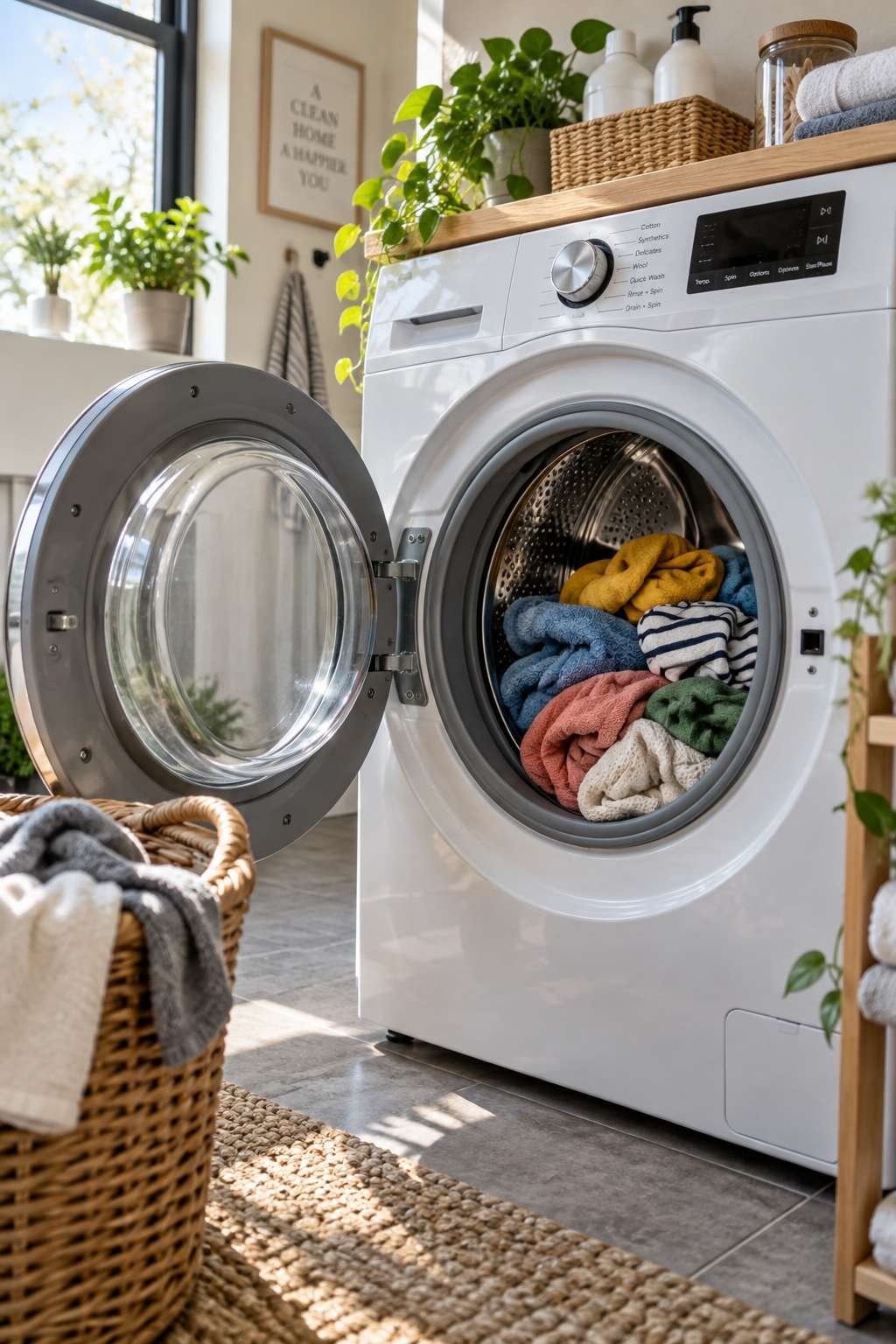
An overloaded machine, on the other hand, can actually take longer overall because clothes don’t spin evenly, sometimes triggering extra rebalancing cycles.
- Keep loads at about three-quarters full for optimal timing
- Expect smaller loads to finish a few minutes faster
- Avoid overloading, which can trigger rebalancing delays
- Separate heavy items like towels from lighter fabrics
- Use your machine’s auto-sensing feature if available
4. Water Temperature and Its Effect on Cycle Length
Temperature settings play a bigger role in timing than most people realize. A cold wash is usually the fastest option since the machine doesn’t need to heat water.
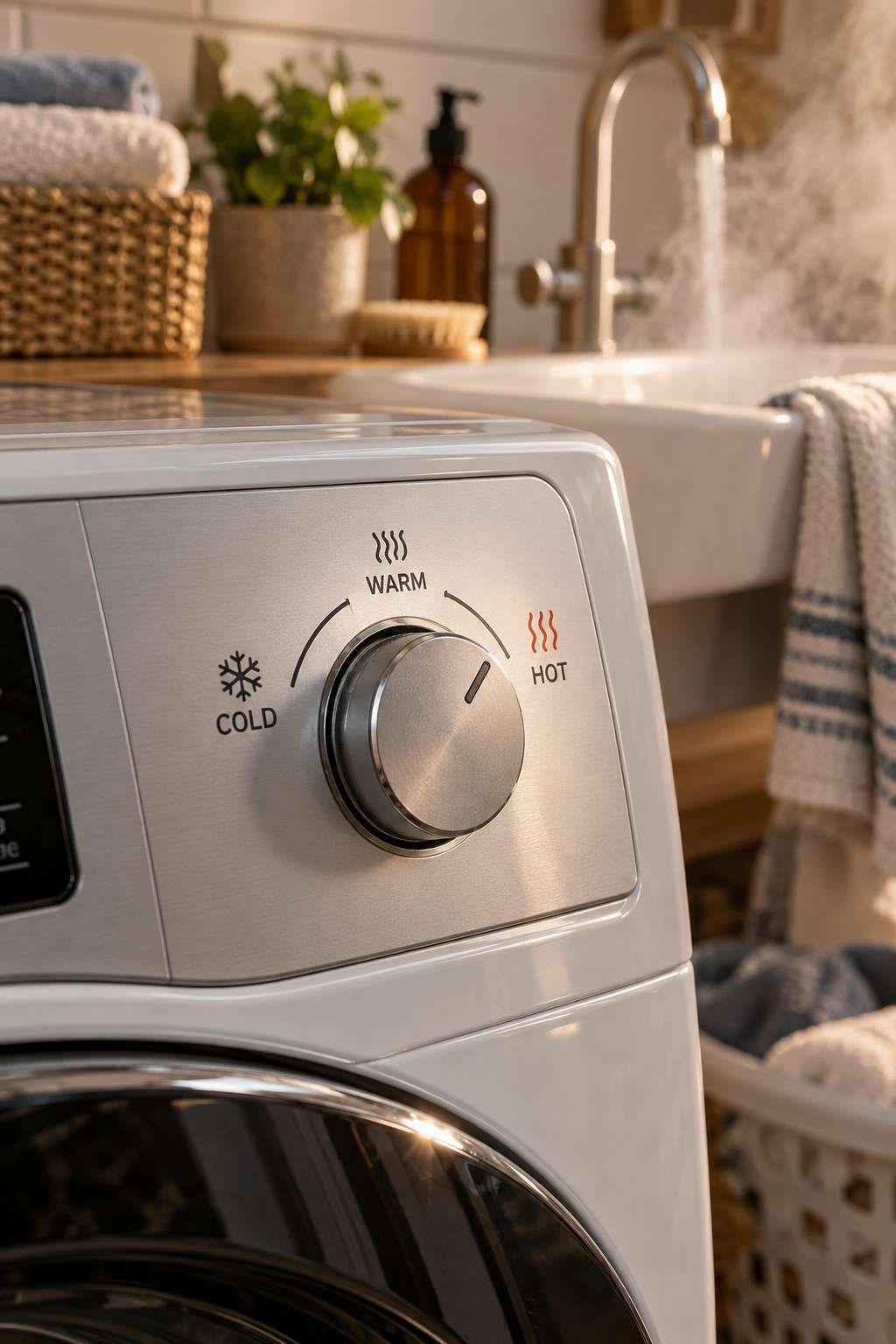
A warm or hot wash adds extra minutes because the unit pauses to heat the water to the correct temperature before agitation begins. This is one reason how long does laundry machine take answers can differ even within the same cycle setting.
- Choose cold water for the quickest possible cycle
- Expect warm water to add a few extra minutes
- Budget more time for hot water cycles, especially in winter
- Check if your unit has an instant water heater for faster heating
- Use cold cycles for everyday loads to save both time and energy
5. Spin Speed and Drying Preparation Time
The spin cycle at the end of a wash also factors into total time, and it affects how long your clothes take to dry afterward. High spin speeds remove more water, shortening dryer time but adding a few extra minutes to the wash cycle itself.
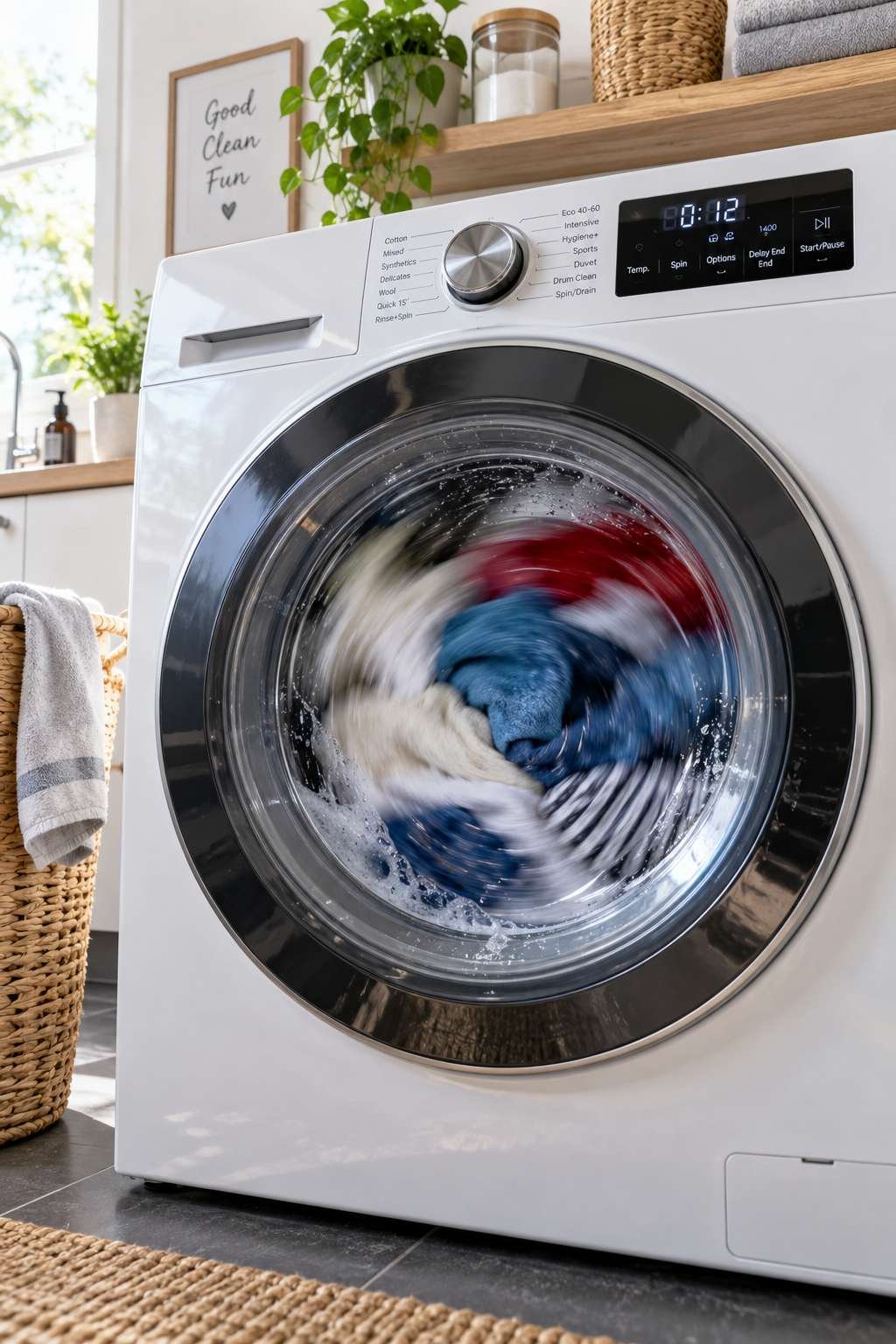
Low spin speeds finish faster in the washer but leave clothes wetter, which can extend your total laundry-to-dry time.
- Use high spin speed for towels and heavy fabrics
- Choose low spin speed for delicates to avoid damage
- Balance wash time versus dry time based on your schedule
- Check for an extra spin option if clothes feel too wet
- Remember spin speed impacts wrinkling, not just moisture level
6. Smart and High-Efficiency Machines vs. Traditional Models
Modern smart washing machines often run longer than older traditional models because they use sensors to optimize water and detergent use, which can add 10-20 minutes to a cycle.
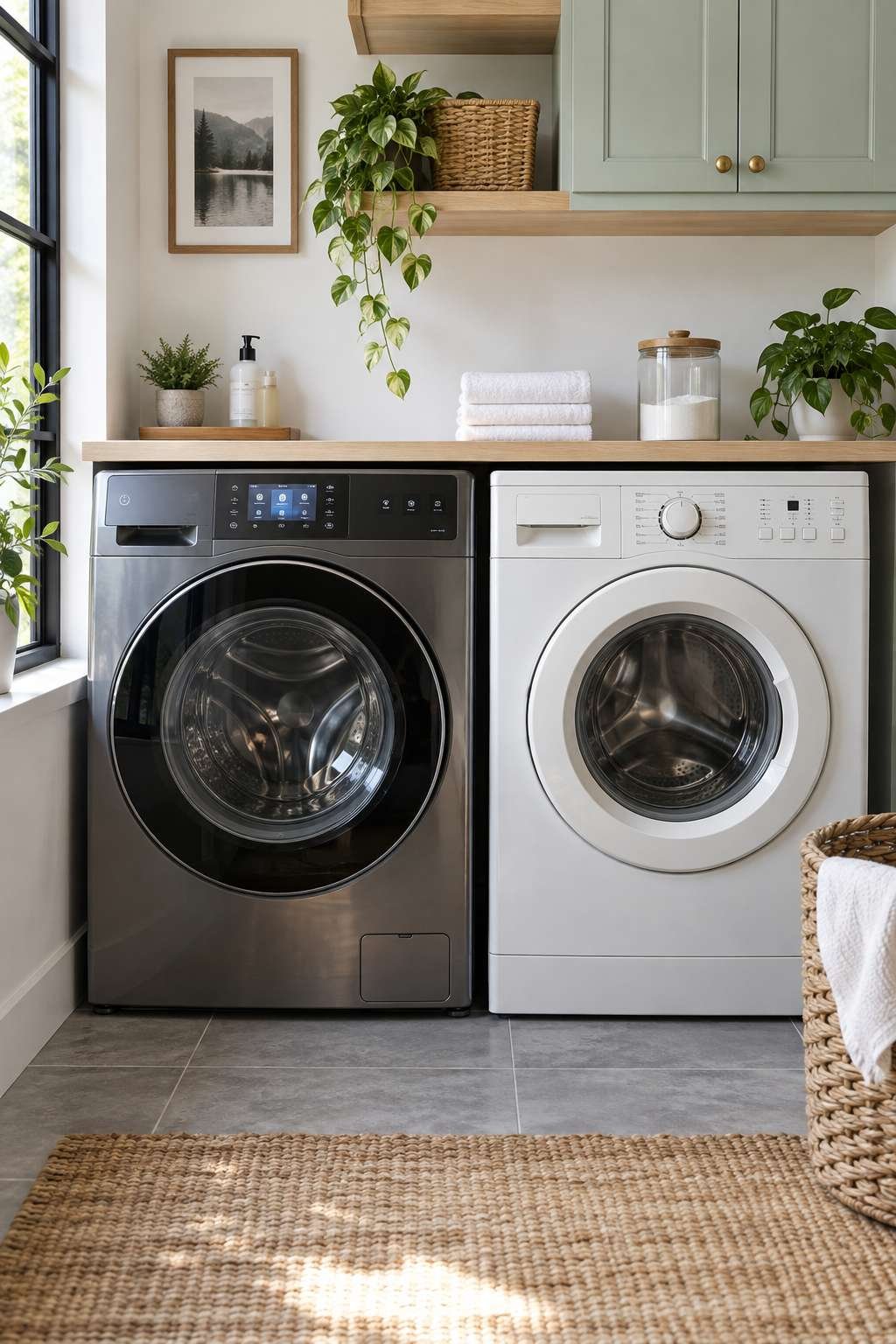
Traditional mechanical-timer machines are simpler and often faster, but they use more water and energy per load. The trade-off is usually efficiency versus speed.
- Expect smart/HE machines to run slightly longer per cycle
- Appreciate that HE machines usually use less water and energy
- Choose traditional machines if speed matters more than efficiency
- Look for quick-cycle smart settings to balance both priorities
- Check Energy Star ratings when comparing new machine options
7. How Long Does Laundry Take From Start to Finish
Beyond just the wash cycle, the full laundry process includes sorting, loading, washing, and drying. For a deeper breakdown of every stage involved, see our guide on How Long Does Laundry Take, which walks through the complete timeline from hamper to folded clothes.
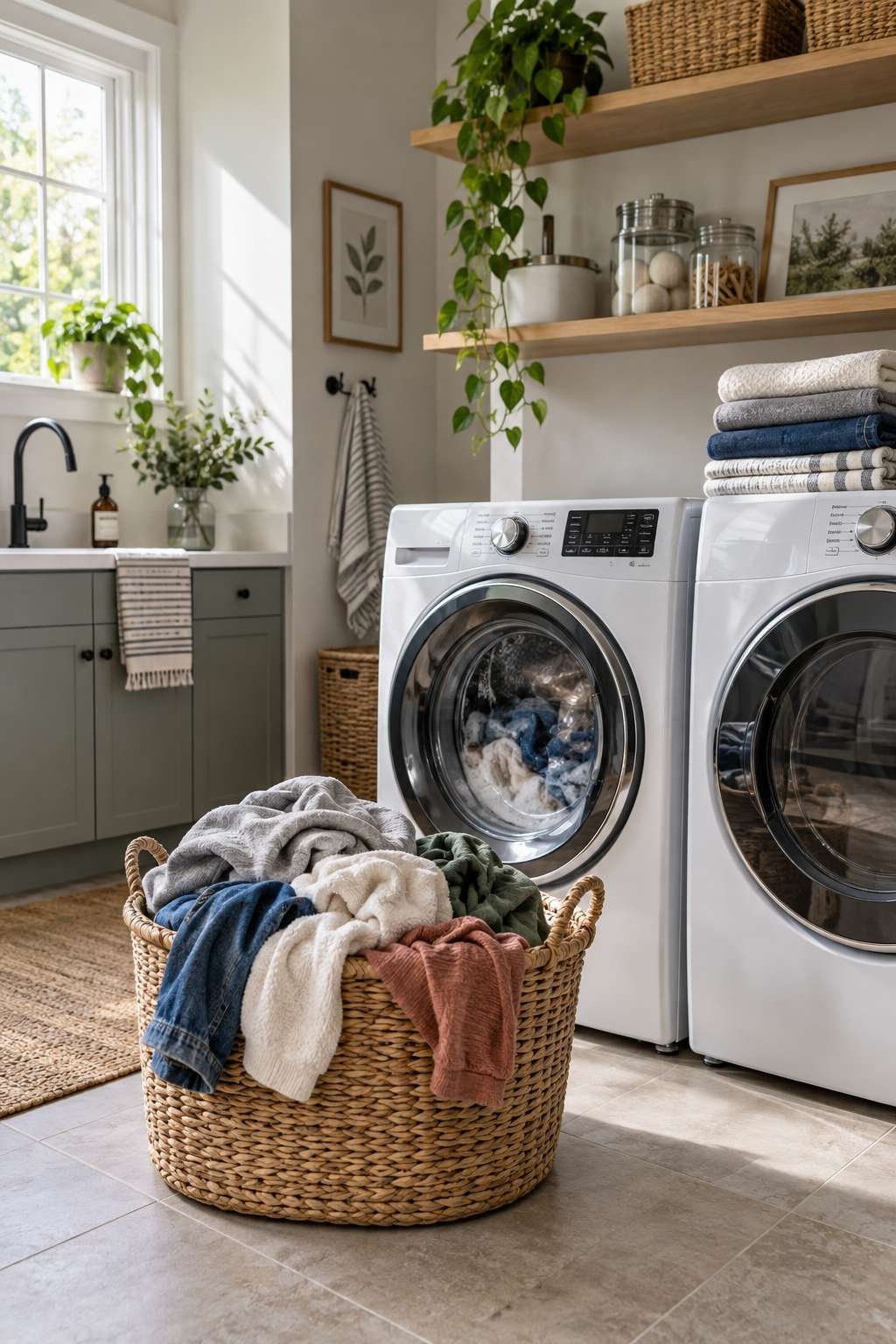
Understanding each stage helps you plan laundry day more realistically instead of just estimating the wash cycle alone.
- Sort clothes by color and fabric type before starting
- Factor in loading and unloading time on top of the cycle itself
- Plan for drying time separately from the wash cycle
- Add folding and putting away time to your total estimate
- Batch multiple loads to save overall laundry day time
8. Doing Laundry for the First Time or in a New Machine
If you’re new to a machine or doing laundry independently for the first time, timing questions multiply quickly.
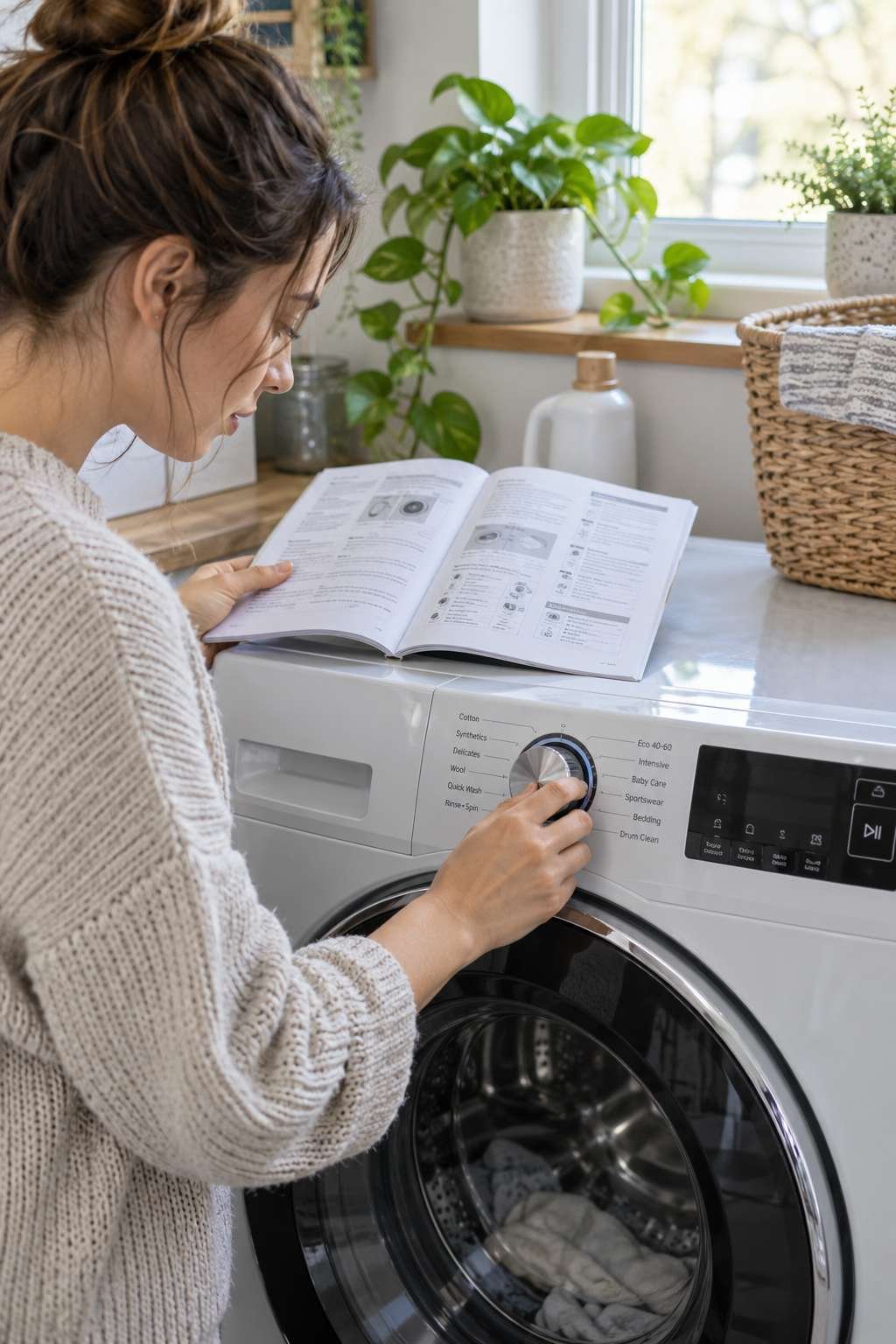
Our companion post, How Long Does It Take to Do Laundry, covers beginner-friendly timing expectations, common mistakes that add extra minutes, and how to read your machine’s display accurately so you’re not left guessing mid-cycle.
- Read your machine’s control panel before starting your first load
- Start with a normal cycle until you learn your machine’s quirks
- Avoid mixing cycle types until you understand the timing differences
- Note your machine’s estimated time display for future reference
- Ask about default settings if you’re using a shared or rental machine
9. How Long Does One Load of Laundry Actually Take
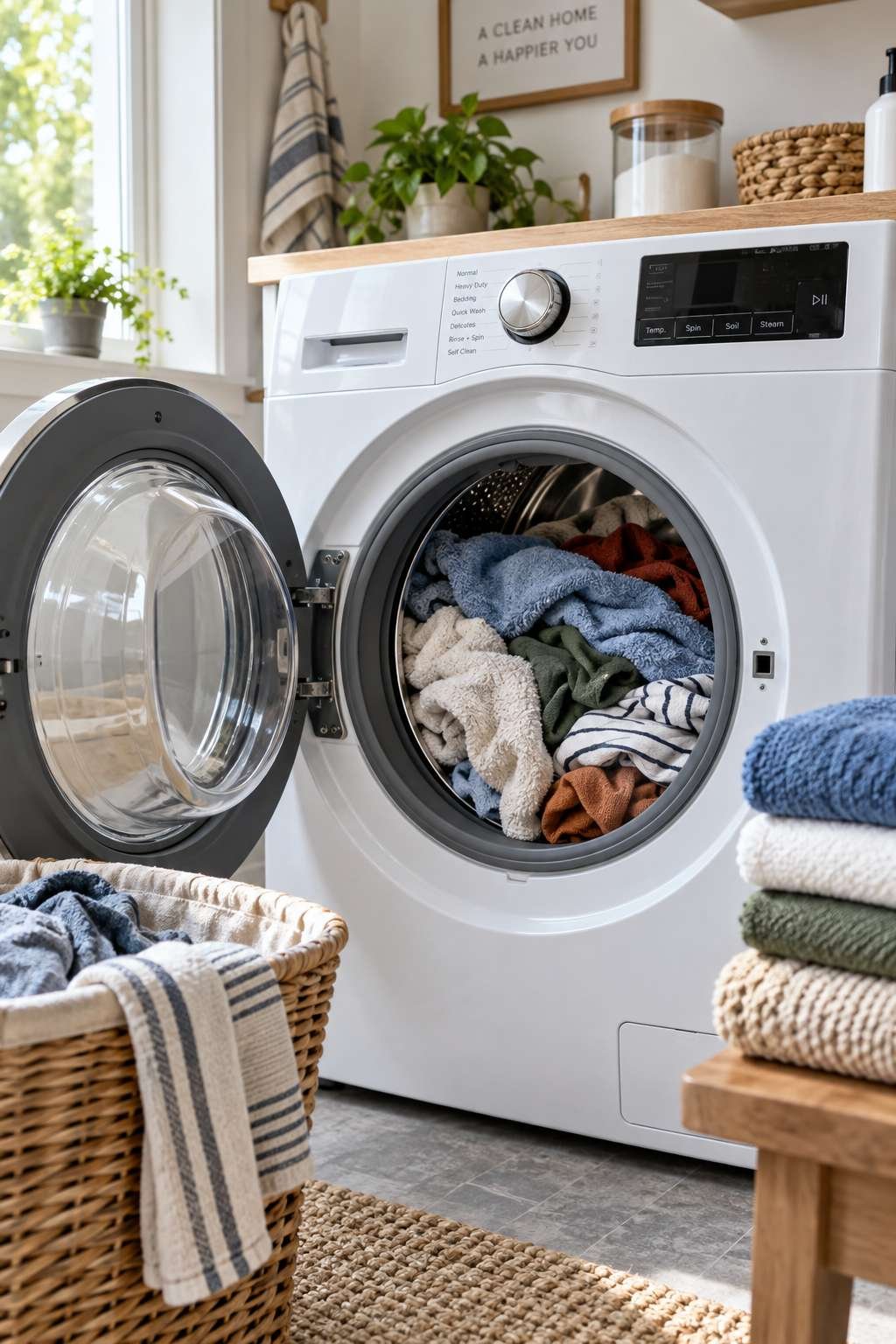
A single load’s total time depends on cycle choice, load size, and machine type combined. For a focused breakdown of exactly what one standard load takes from start to finish, check out How Long Does a Load of Laundry Take, which compares real timing across different scenarios like towels, bedding, and mixed everyday clothing.
- Compare timing for towels versus everyday clothing
- Check how bedding loads typically run longer than average
- Note that mixed loads often average out to a normal cycle time
- Track your own machine’s typical load times for planning
- Use a timer or app reminder if you tend to forget wash cycles
10. What Happens If You Leave Laundry Sitting in the Washer
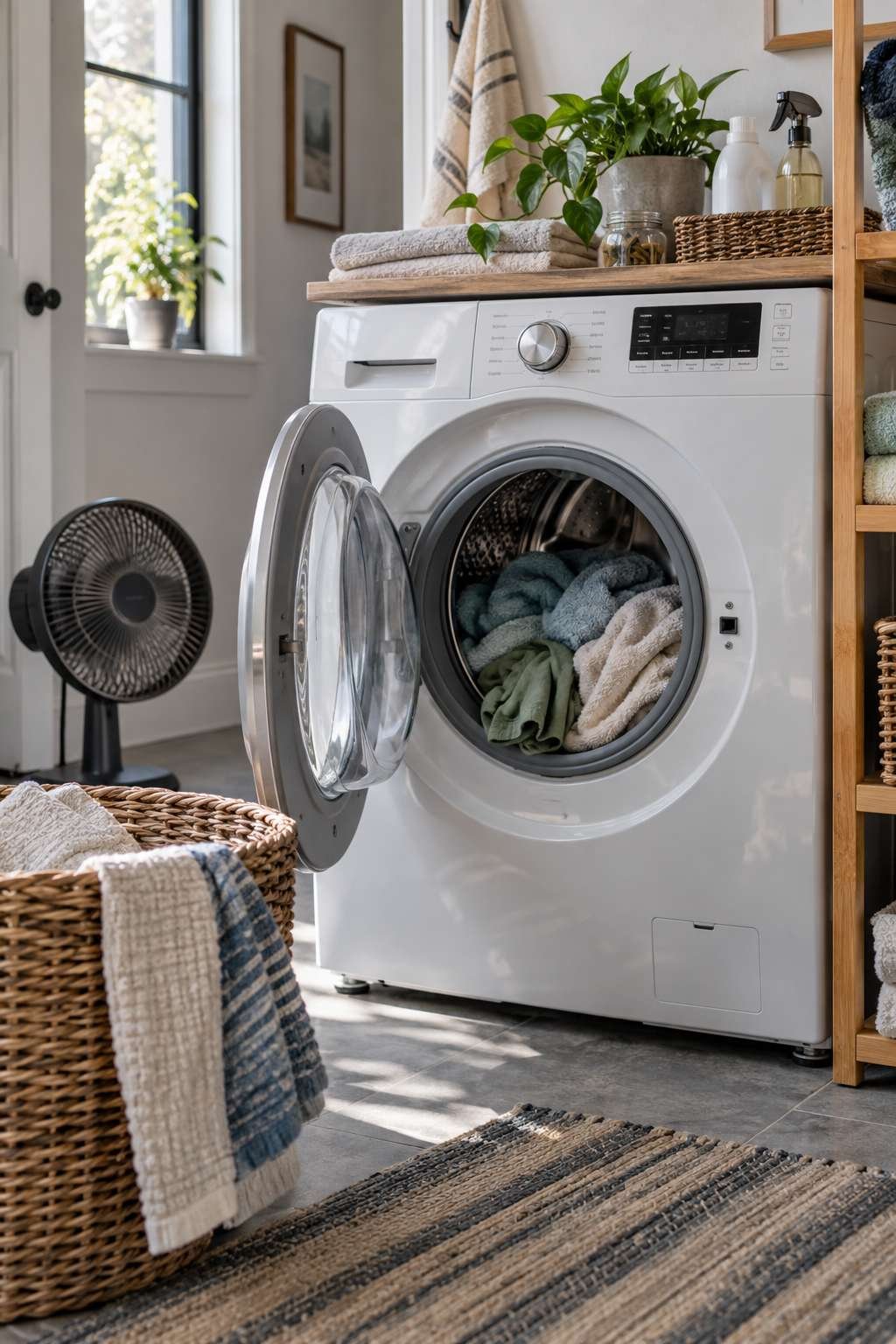
Timing isn’t just about the cycle itself — it also matters how long clothes sit afterward. If you’ve ever wondered how long can laundry sit in the washer before mildew or odor becomes a problem, our dedicated guide covers safe time windows and how to freshen clothes that sat too long. Knowing this helps you avoid rewashing loads unnecessarily.
- Remove clothes within a few hours of cycle completion when possible
- Run a rewash or rinse cycle if items sat too long and smell musty
- Use odor-eliminating detergent for loads left sitting occasionally
- Keep the washer door open between loads to prevent mildew buildup
- Set a phone reminder if you often forget to switch loads promptly
Conclusion
So, how long does laundry machine take overall? Most cycles fall somewhere between 30 minutes and two hours, shaped by machine type, cycle selection, load size, and water temperature. Once you understand what’s driving that number for your specific washer, planning laundry day around your schedule becomes far easier. Pay attention to your machine’s habits, and you’ll rarely be caught guessing when your next load will be ready.

