


Regular detergent cleans away dirt and odor, but it doesn’t always eliminate the germs hiding in fabric. Knowing how to use Lysol laundry sanitizer correctly fills that gap, killing bacteria that a standard wash cycle can leave behind. If you’ve searched lysol laundry sanitizer how to use before and found conflicting instructions, this guide breaks the process down clearly, step by step.
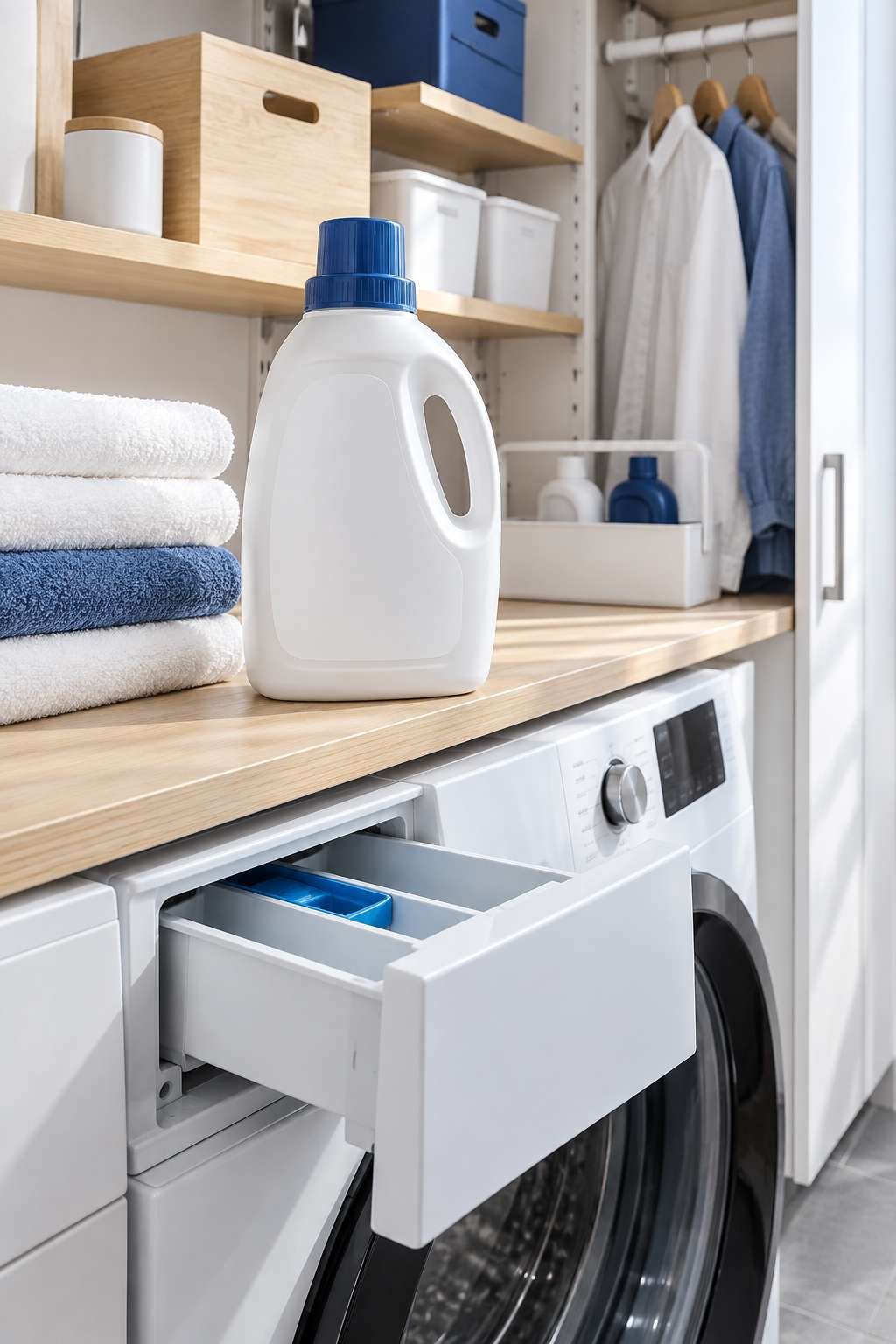
Sanitizer isn’t meant to replace detergent, and using it incorrectly can waste the product or leave you with less effective results. Here’s exactly when, where, and how to add it for genuinely clean, sanitized laundry.
1. What Is Lysol Laundry Sanitizer and When to Use It
Lysol laundry sanitizer is designed to kill bacteria and viruses left in fabric after a normal wash cycle, particularly useful for towels, bedding, gym clothes, and cloth diapers. It works alongside detergent rather than replacing it, targeting germs that detergent alone doesn’t fully eliminate.
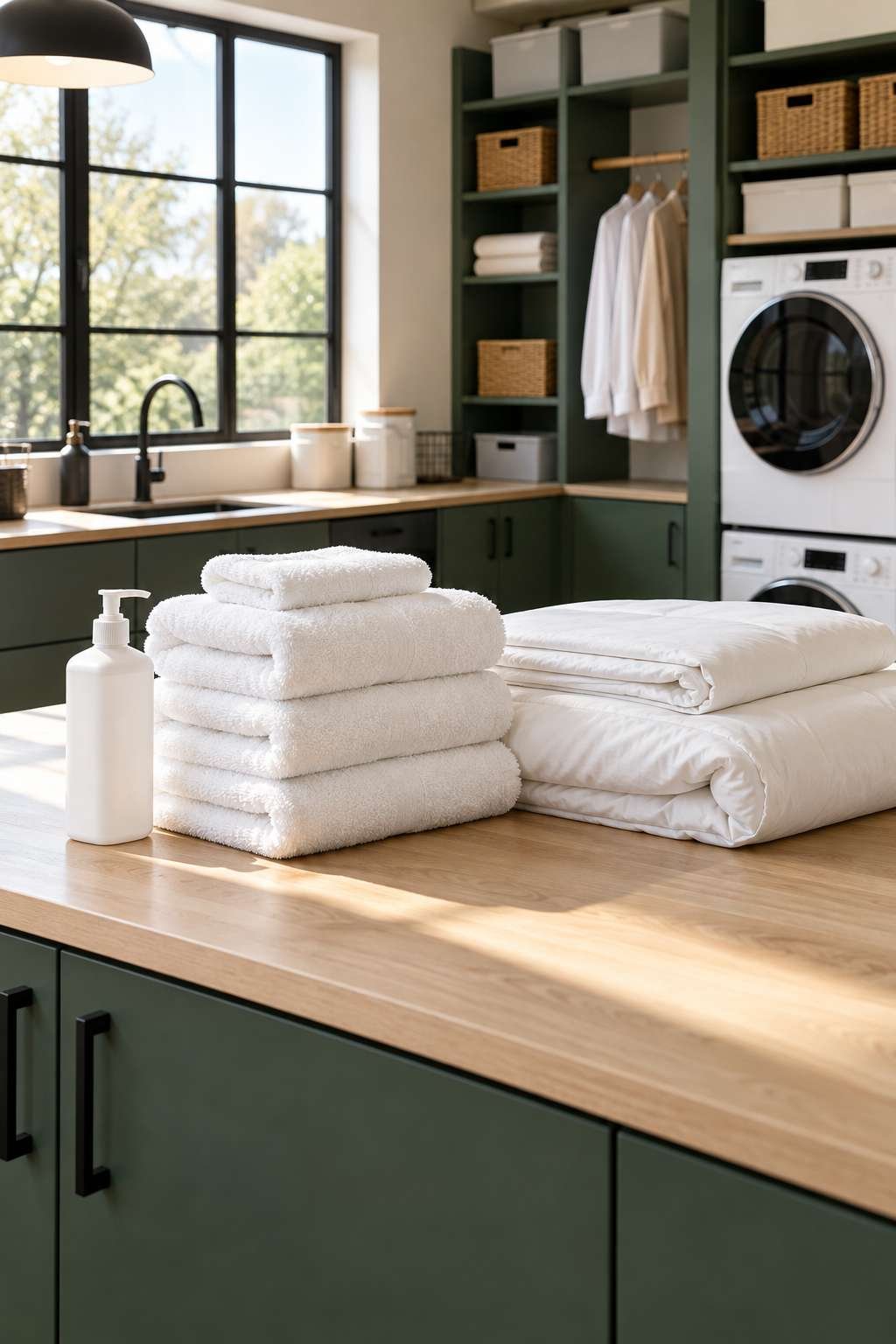
It’s especially helpful after someone in the household has been sick, or for households with young children, pets, or anyone with a compromised immune system. Understanding this distinction helps set realistic expectations before you start using it regularly.
- Use sanitizer for towels, bedding, and workout clothes regularly
- Reach for it after illness in the household for extra peace of mind
- Consider it for cloth diapers and baby items needing extra hygiene
- Remember it works with detergent, not as a detergent replacement
- Use it selectively rather than on every single load
- Check that your fabric type is compatible before adding sanitizer
2. Read the Label and Safety Warnings First
Before your first use, read through the product label in full, since sanitizer formulas can vary between versions and concentrations. Pay close attention to any warnings about fabric compatibility, ventilation, and storage away from children.
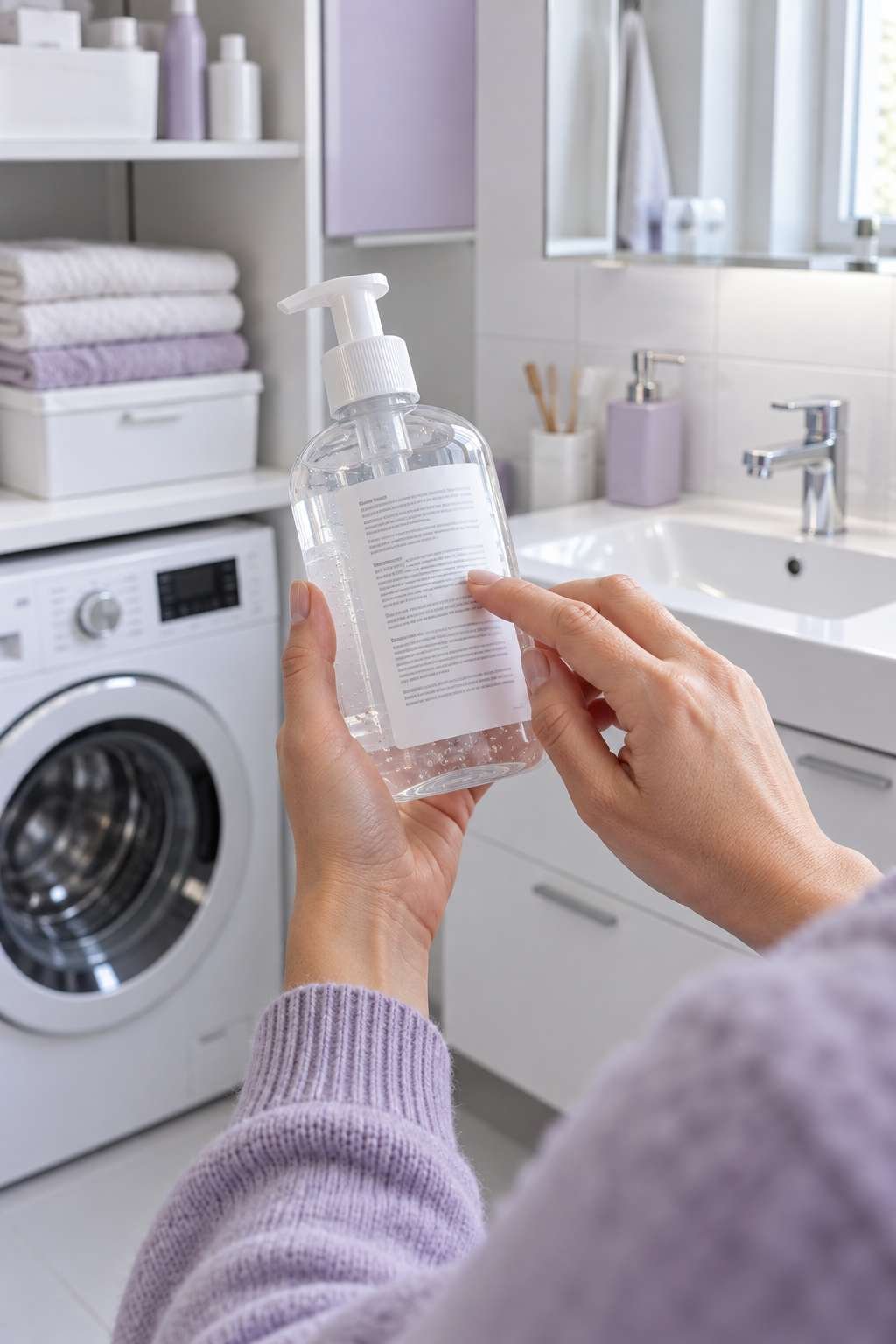
Some formulas are not safe for certain delicate fabrics or specific machine types, so this step prevents damage before it happens. Keep the bottle’s cap tightly sealed between uses and store it upright to avoid leaks.
- Read the full label before the first use, not just the dosing line
- Check for fabric compatibility warnings specific to your items
- Note any machine-type restrictions listed on the bottle
- Store the sanitizer upright and sealed away from children
- Ventilate the laundry area while pouring and adding sanitizer
- Keep the original label visible for reference on future washes
3. Know Where Sanitizer Fits in the Wash Cycle
Most top-loading machines have a dedicated dispenser for laundry additives like sanitizer, separate from the detergent compartment. Front-loading machines may have a similar built-in slot, or you may need to add it manually at a specific point in the cycle.
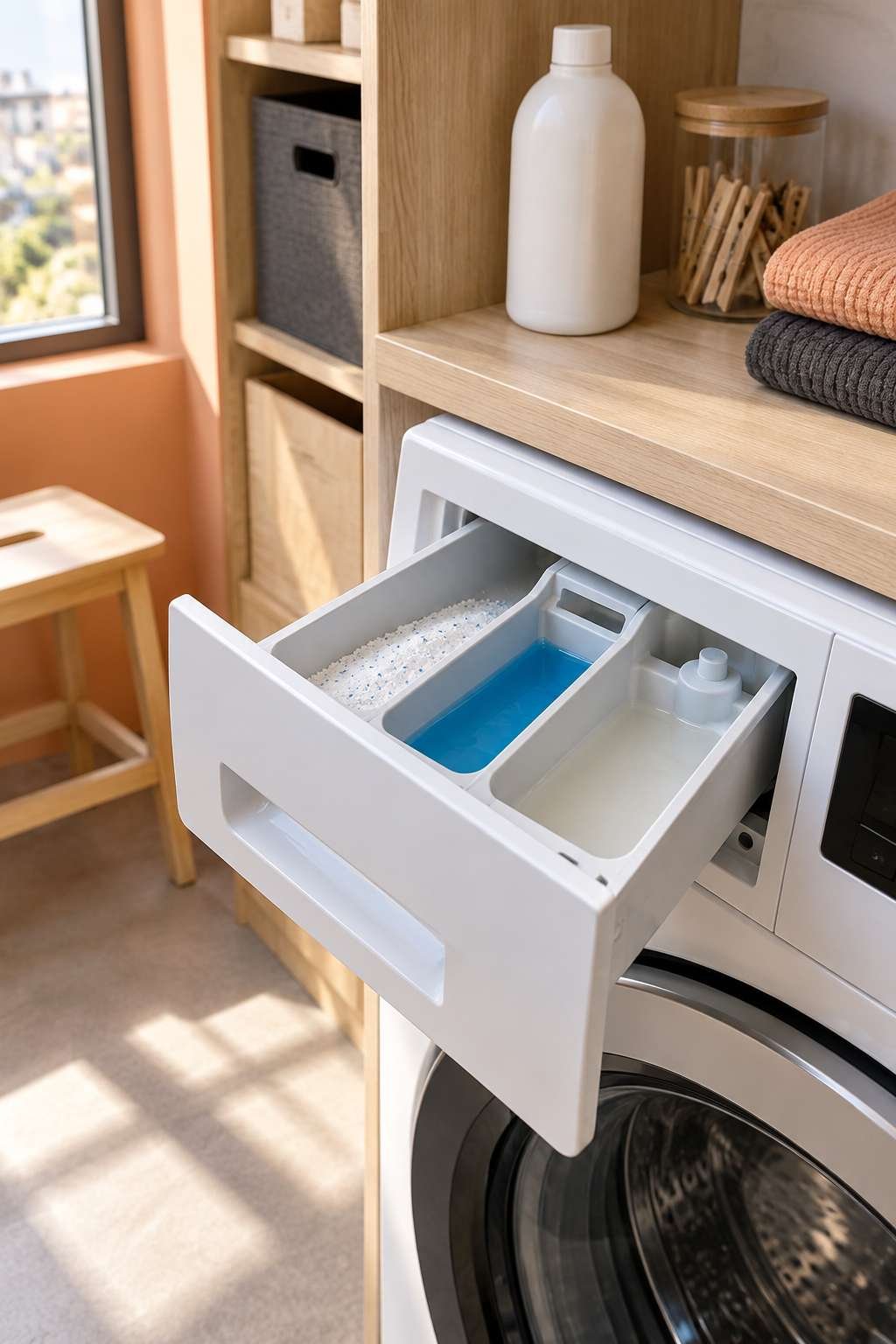
Check your machine’s manual if you’re unsure which compartment is intended for sanitizer versus fabric softener, since using the wrong slot can dilute its effectiveness or release it at the wrong time.
- Locate your machine’s dedicated additive dispenser if available
- Check the manual to confirm which slot is meant for sanitizer
- Avoid pouring sanitizer directly onto dry fabric before the cycle starts
- Note that top-load and front-load machines may differ slightly
- Use the bleach dispenser only if the label specifically allows it
- Confirm the compartment is clean before adding sanitizer
4. Measure the Correct Amount
Overusing sanitizer doesn’t improve results and can leave a strong residual scent or irritate sensitive skin. Follow the exact measurement printed on the label, which is typically based on load size rather than a flat amount for every wash.
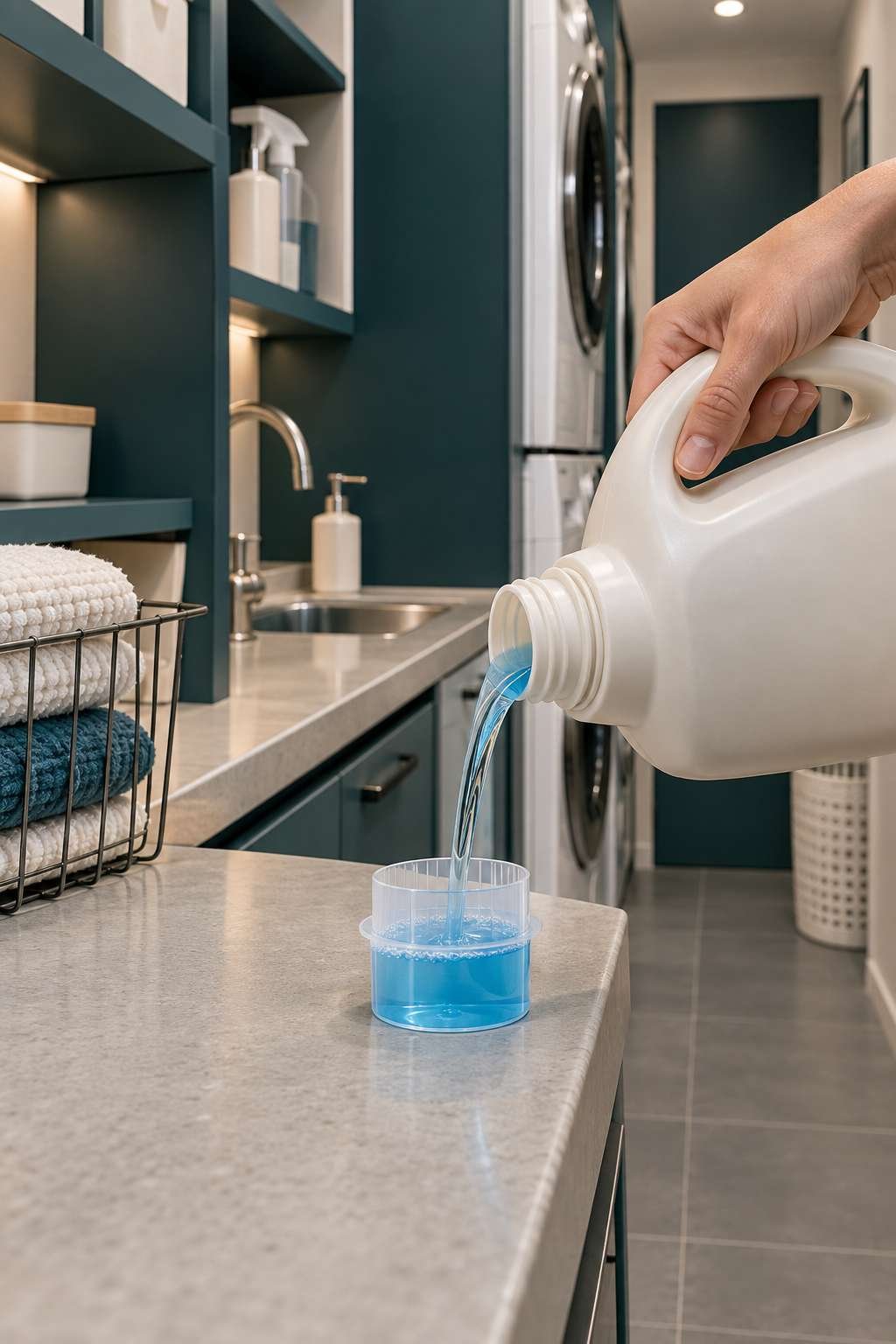
If you’re used to single-dose formats like pods for detergent, sanitizer dosing works a bit differently since it’s usually measured separately rather than combined into one pre-measured unit. For comparison, our guide on how to use laundry pods covers that pre-measured approach if you’d rather simplify your detergent routine alongside sanitizing.
- Follow the exact label measurement for your load size
- Avoid estimating or adding “a little extra” out of habit
- Use the cap or measuring device provided with the product
- Adjust the amount slightly for very large or small loads
- Keep a consistent measuring routine across every sanitized load
- Double-check the label if you switch to a different sanitizer size
5. Add It at the Right Point in the Cycle
Timing matters for sanitizer to work effectively. Most instructions call for adding it during the rinse cycle, after the main wash has already removed dirt and detergent residue, so the sanitizer can act on genuinely clean fabric.
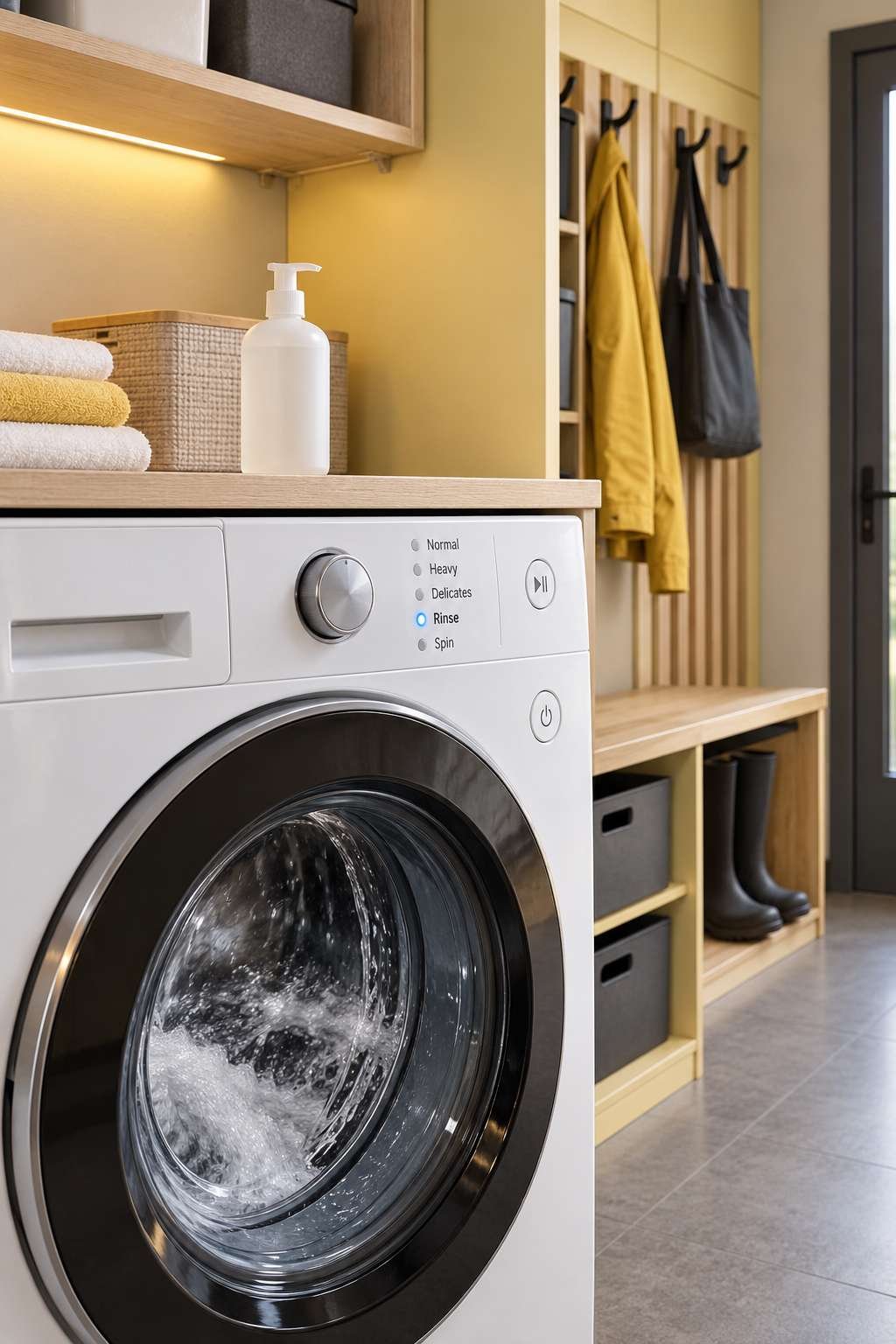
Adding it too early, mixed directly with detergent, can reduce its effectiveness since the two products may interact chemically. Following the manufacturer’s recommended timing ensures you get the full sanitizing benefit.
- Add sanitizer during the rinse cycle, not the initial wash
- Avoid mixing sanitizer directly with detergent in the same compartment
- Use your machine’s automatic dispenser timing if available
- Set a manual reminder if your machine requires adding it by hand
- Confirm the rinse cycle timing matches your machine’s specific settings
- Skip early addition even if you’re in a hurry to finish the load
6. Choose the Right Water Temperature
Cold water works fine for most Lysol laundry sanitizer formulas, which is one of its advantages over relying on hot water alone for germ reduction. This makes it a practical option for delicate fabrics that can’t handle high heat.
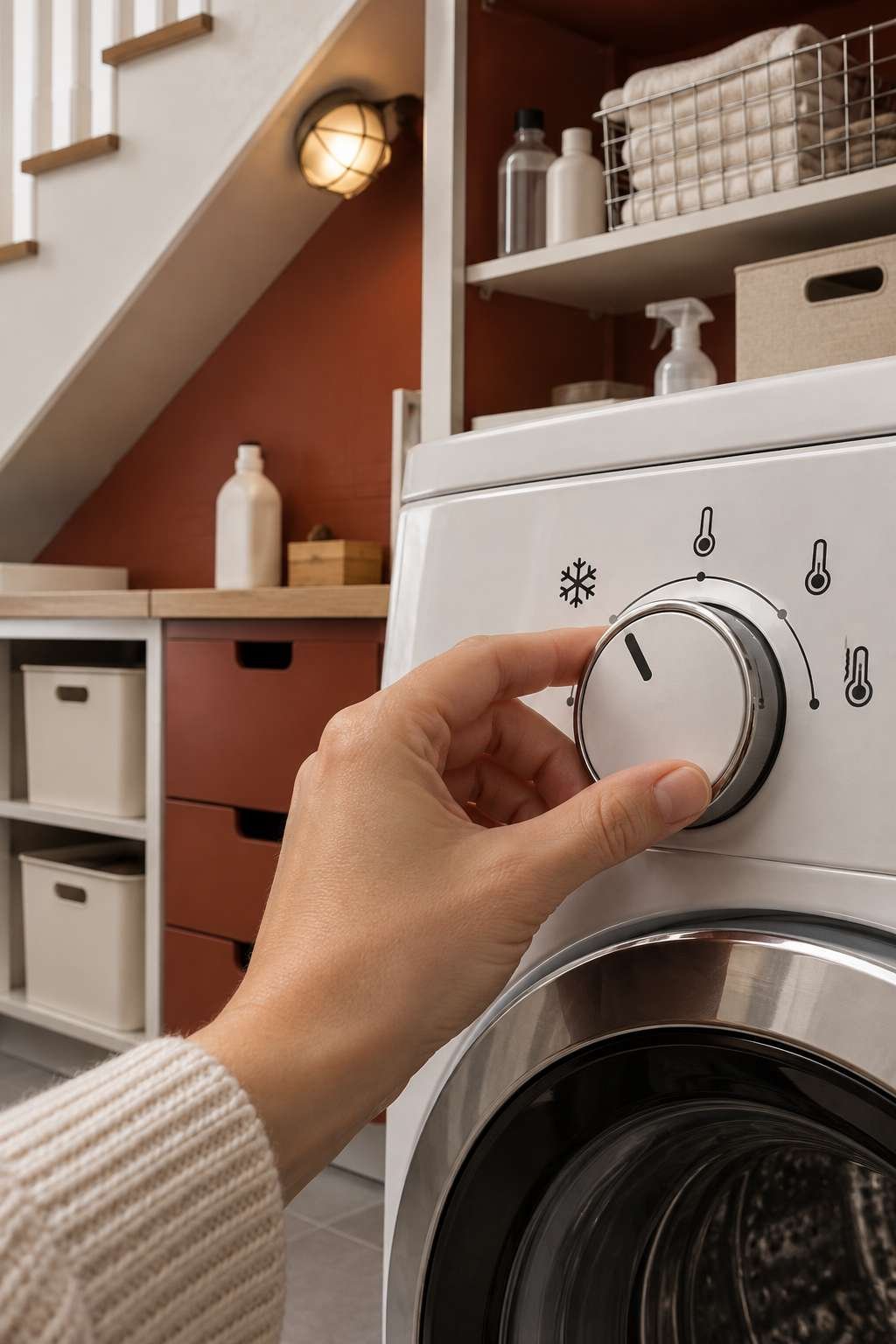
Check the label to confirm your specific formula’s temperature requirements, since some products may recommend warm water for optimal performance on heavily soiled items.
- Use cold water for most standard sanitizing loads
- Check the label for any warm-water recommendations
- Avoid hot water unless the fabric and label both allow it
- Pair cold-water sanitizing with delicate or heat-sensitive fabrics
- Confirm your machine’s cold setting is genuinely cold, not lukewarm
- Adjust temperature guidance based on soil level if needed
7. Combine (or Don’t) with Detergent and Other Additives
Sanitizer generally works alongside regular detergent without issue, but combining too many additives in one load can reduce overall effectiveness. If you’re someone who also adds natural boosters, it helps to understand how borax works in a laundry load before combining it with a sanitizing product, since layering too many active ingredients isn’t always beneficial.
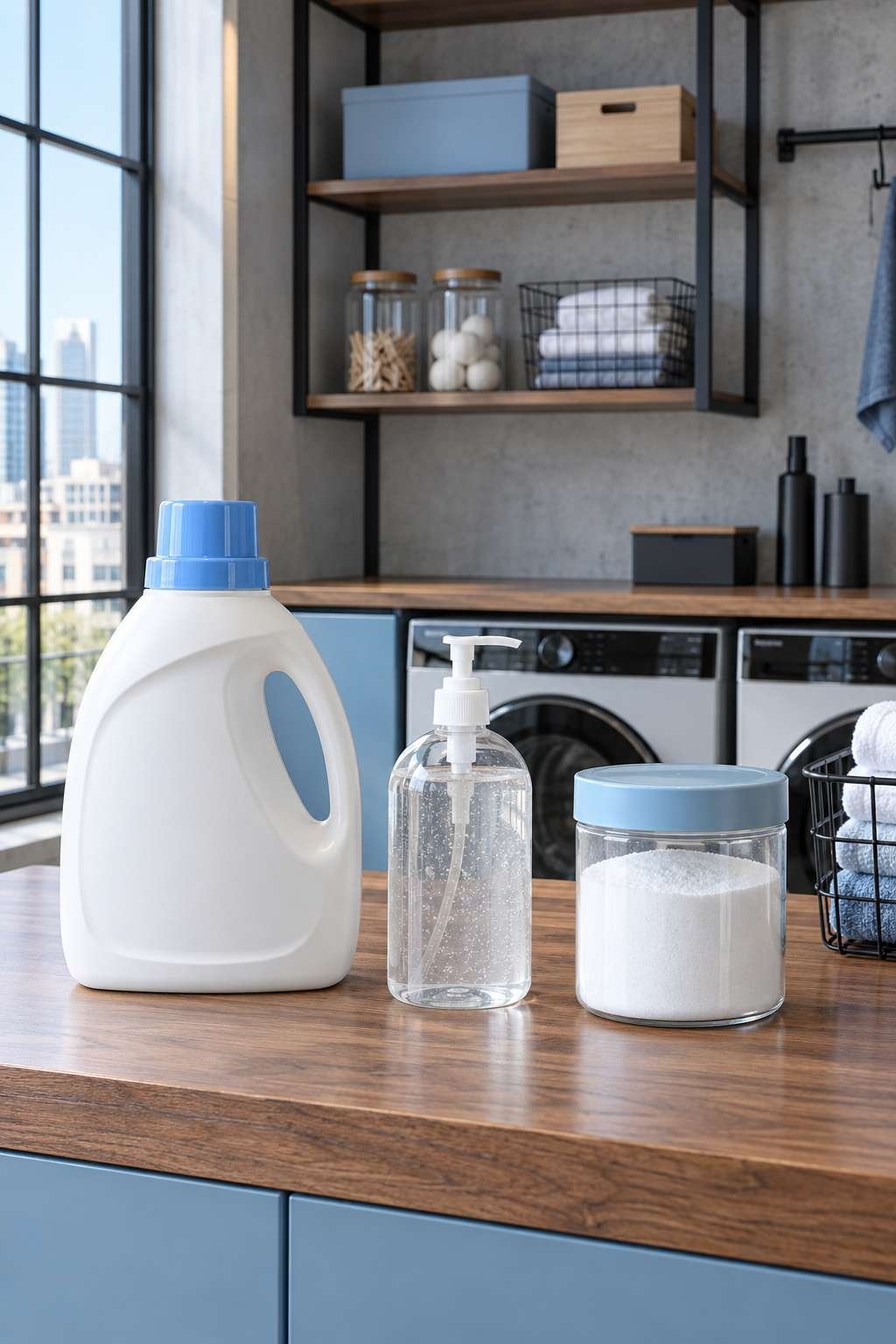
Keep your additive routine simple: detergent for cleaning, sanitizer for germs, and any additional booster used sparingly and only when genuinely needed.
- Use detergent and sanitizer together as intended, not as substitutes
- Avoid combining more than one or two additives in a single load
- Research any additional booster’s compatibility before adding it
- Keep fabric softener separate from the sanitizer dispenser
- Simplify your routine if you’re unsure how additives interact
- Test a new combination on a small load before committing fully
8. Best Fabrics and Items for Sanitizing
Sanitizer works especially well on cotton towels, bedding, and workout gear, all items that tend to harbor bacteria and odor between washes. Cloth diapers and reusable cleaning rags also benefit significantly from regular sanitizing.
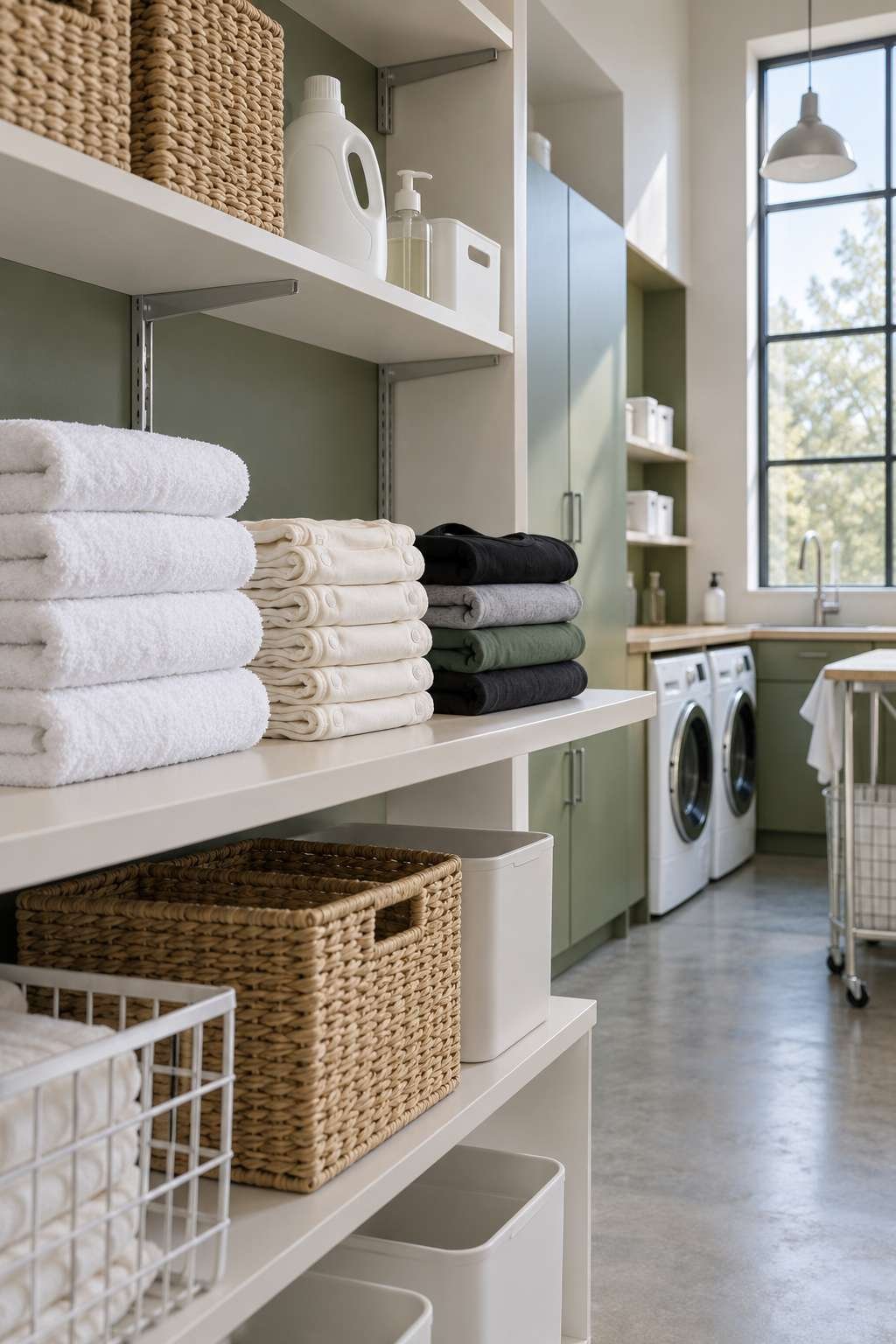
Avoid using it on delicate fabrics not explicitly listed as compatible on the label, and always check care labels on specialty items like activewear with built-in antimicrobial treatments, which may already have similar properties.
- Prioritize towels, bedding, and gym clothes for regular sanitizing
- Include cloth diapers and reusable rags in your sanitizing rotation
- Check care labels before sanitizing delicate or specialty fabrics
- Avoid sanitizing items explicitly marked as incompatible
- Consider sanitizing cleaning cloths used around the kitchen and bathroom
- Rotate sanitizing into your routine weekly rather than skipping fabric checks
9. What to Avoid When Using Laundry Sanitizer
Never use laundry sanitizer as a full substitute for detergent, since it isn’t formulated to lift dirt and stains the way detergent is. If you’re looking for genuine detergent alternatives for a specific reason, like sensitivity or ingredient concerns, it’s worth reading about what you can use instead of laundry detergent rather than relying on sanitizer to fill that role.
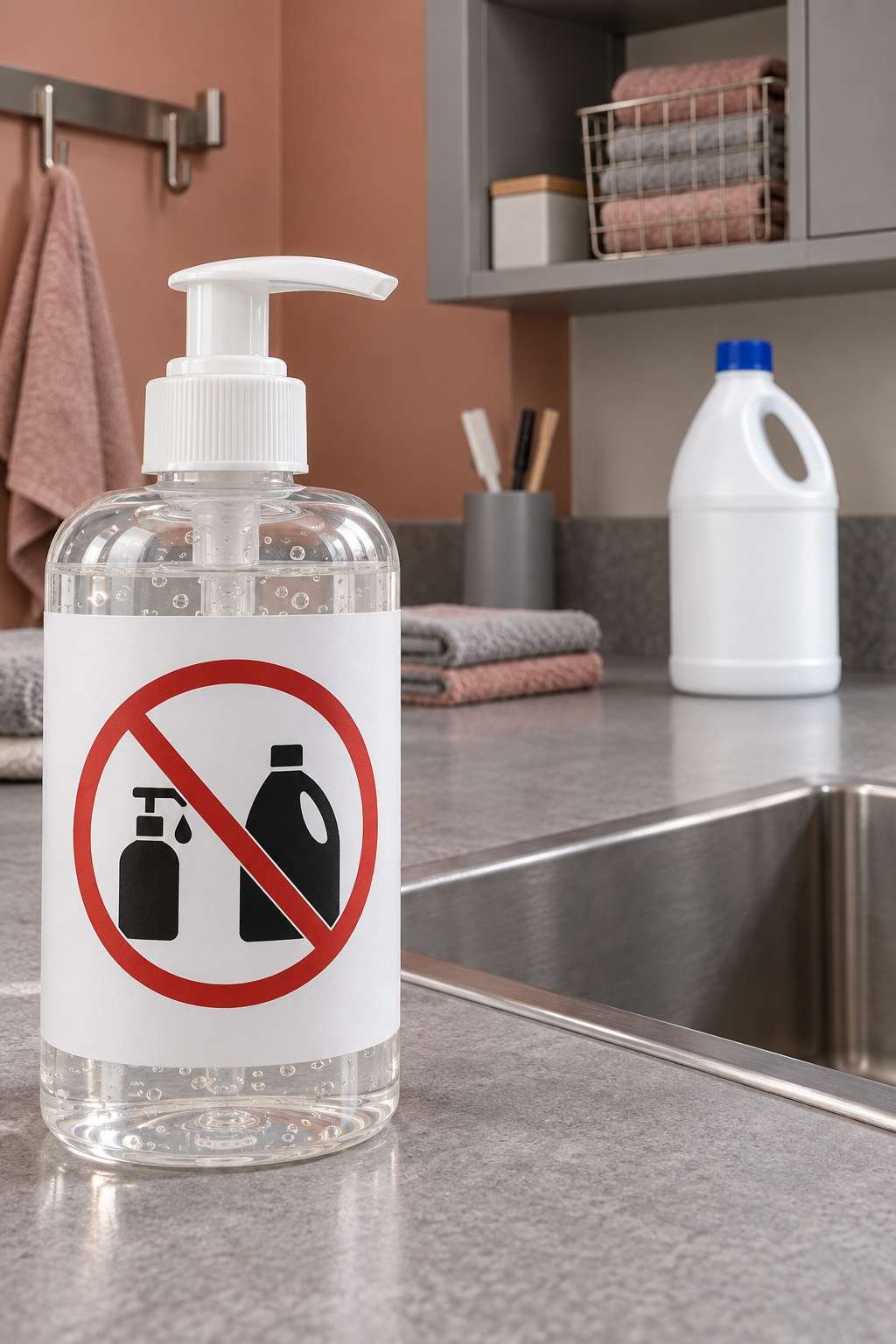
Also avoid mixing sanitizer with bleach directly, since combining chemical cleaning products can create hazardous reactions. If you’re exploring gentler alternatives more broadly, a separate look at what to use instead of laundry detergent covers additional options worth considering for sensitive households.
- Never substitute sanitizer for detergent in a regular wash
- Avoid mixing sanitizer directly with bleach or other chemicals
- Don’t overload the dispenser thinking it boosts sanitizing power
- Avoid using it on fabrics explicitly marked incompatible on the label
- Don’t skip ventilation when adding sanitizer to an enclosed laundry space
- Avoid storing opened bottles in direct sunlight or extreme heat
10. Building a Sanitizing Routine for Your Household
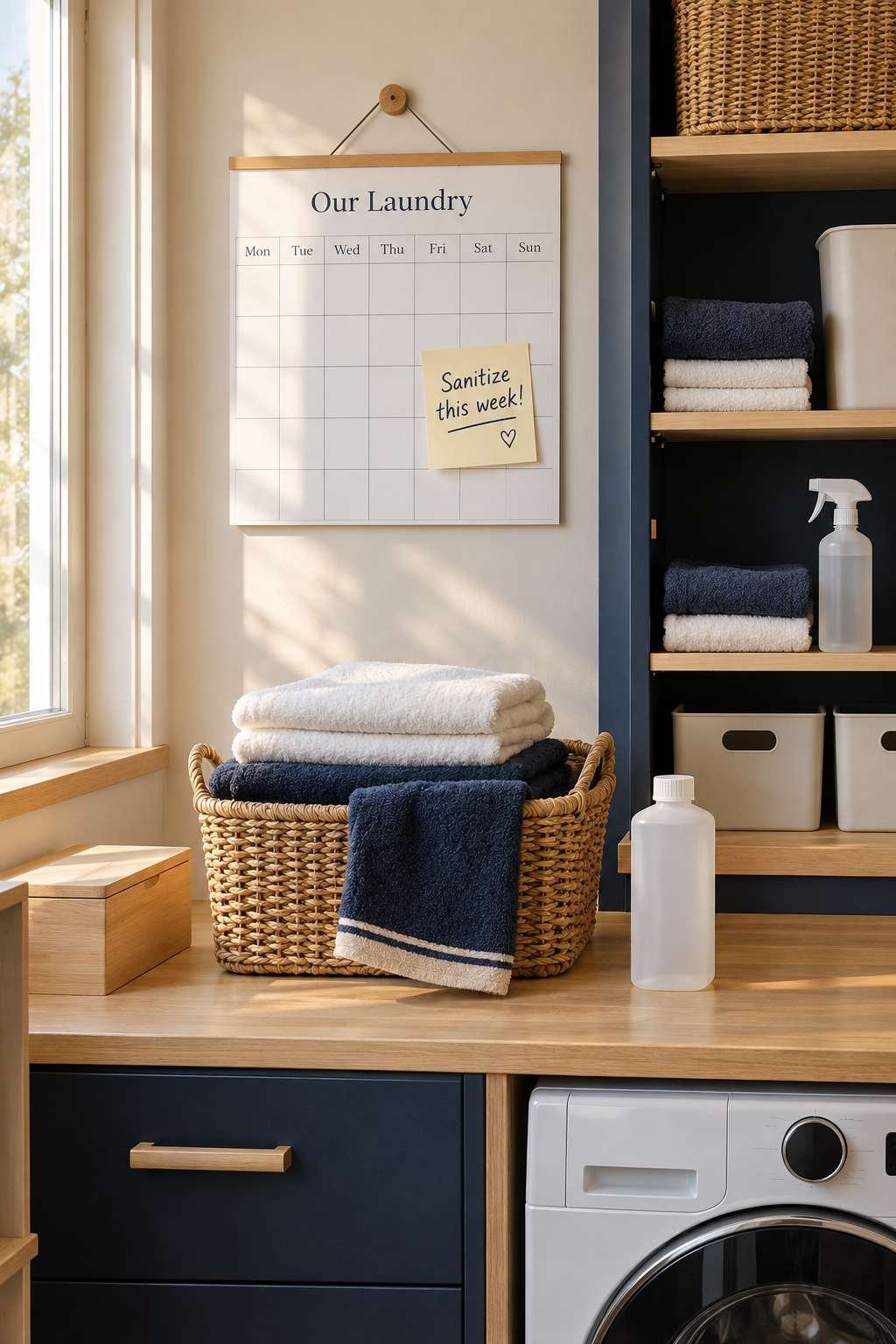
Once you’re comfortable with the basics, decide how often sanitizing fits your household’s needs — weekly for towels and bedding, or situational after illness or specific activities. Consistency matters more than frequency for most households.
If your household also uses pre-measured pods for daily detergent needs, pairing that convenience with an occasional sanitized load is simple. Our guide on how to use laundry detergent pods alongside sanitizer covers how the two routines work well together without complicating wash day.
- Decide on a weekly or situational sanitizing schedule
- Prioritize high-use items like towels and bedding first
- Keep sanitizer stocked so you’re not skipping loads out of convenience
- Combine pod-based detergent routines with occasional sanitized loads
- Reassess your routine seasonally or after any household illness
- Keep the process simple so it’s sustainable long-term
Using Lysol laundry sanitizer correctly comes down to timing, measurement, and knowing which fabrics benefit most. Add it during the rinse cycle, follow the label’s exact dosing, and reserve it for the items that genuinely need the extra hygiene boost rather than every single load.
With this routine in place, you’ll get the germ-killing benefits without wasting product or risking fabric damage.

