


If you’re searching how to make laundry soap at home, you’re joining a growing number of people looking to cut costs, reduce chemical exposure, and control exactly what touches their clothes. Whether you typed how to make a laundry soap because your store-bought detergent is running low or because you’re curious about a more natural alternative, the process is simpler than most people expect — just a few basic ingredients, a bit of grating, and some patience while it sets.
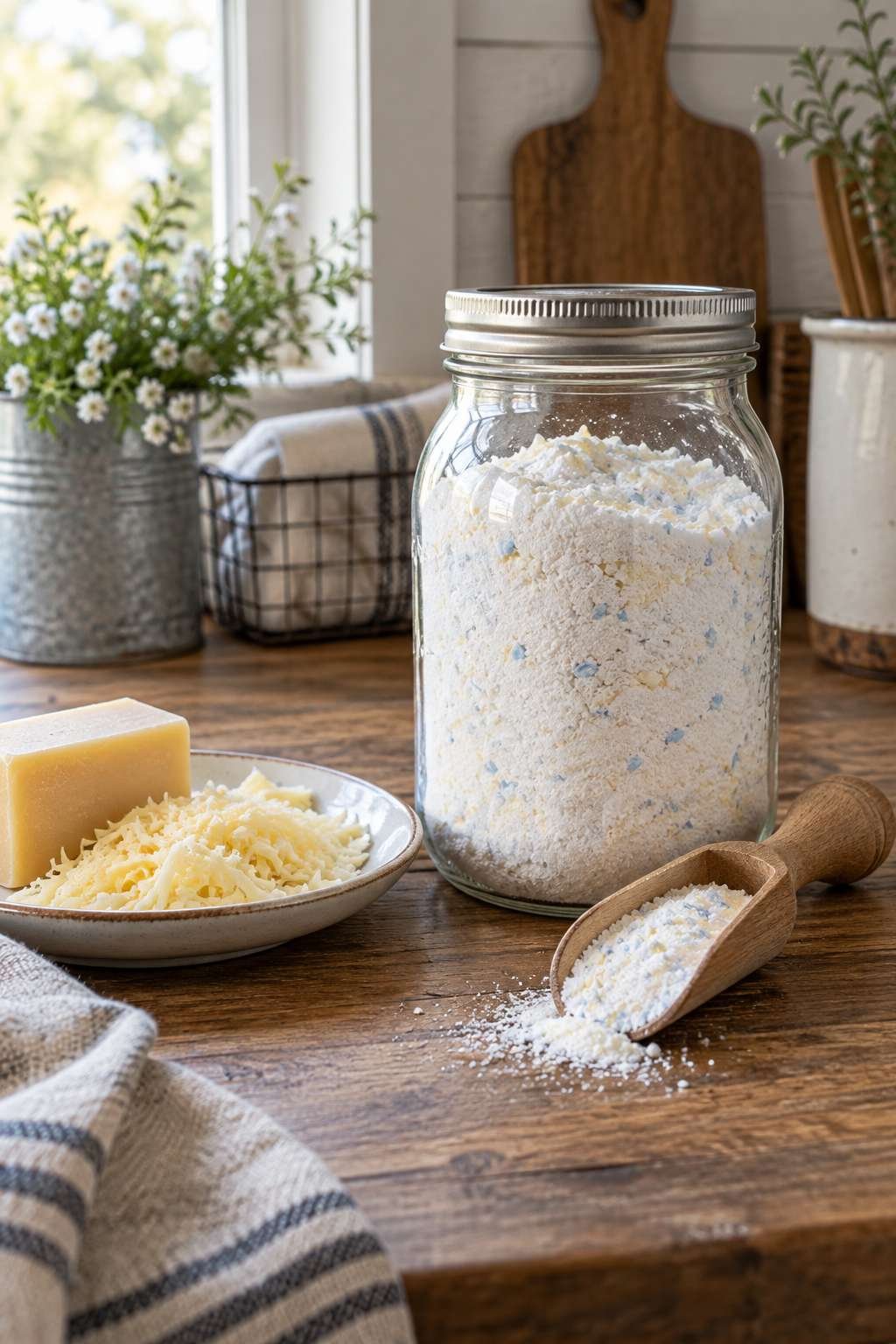
1. Why People Choose to Make Their Own Laundry Soap
Before diving into the steps, it helps to understand the appeal. Homemade laundry soap typically costs a fraction of commercial detergent per load, and it lets you avoid synthetic fragrances, dyes, and fillers found in many store brands.
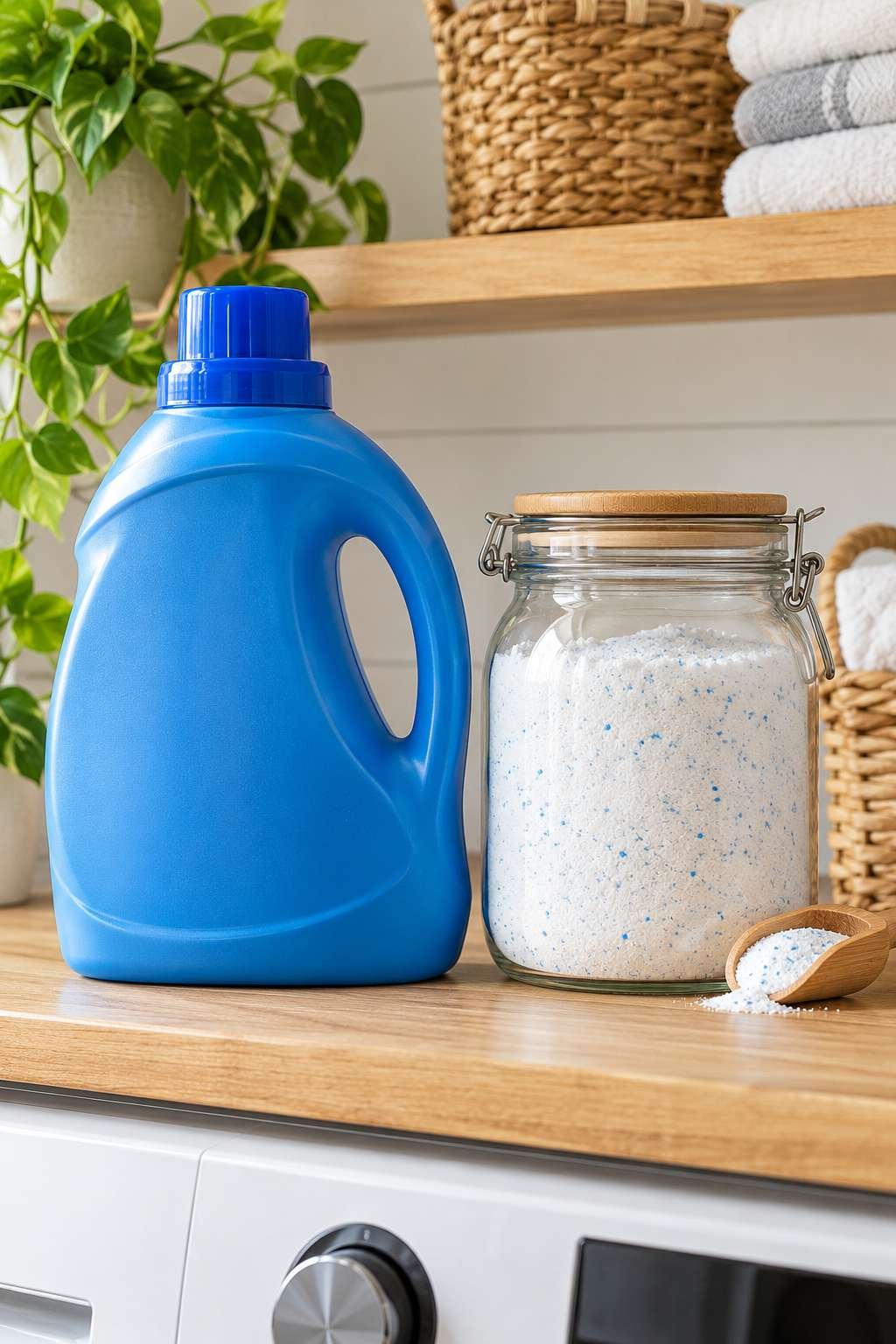
It’s also a favorite among people with sensitive skin or those trying to simplify their household products down to a handful of pantry staples.
- Save money with cost-per-load savings over commercial detergent
- Avoid synthetic fragrances and dyes common in store brands
- Reduce skin sensitivity issues with a simpler ingredient list
- Control exactly what goes into your laundry routine
- Cut down on plastic packaging waste from store-bought jugs
2. Essential Ingredients for Homemade Laundry Soap
Most homemade laundry soap recipes rely on just three core ingredients: washing soda, borax, and a bar of soap (often a plain, unscented variety like Fels-Naptha or Castile soap).
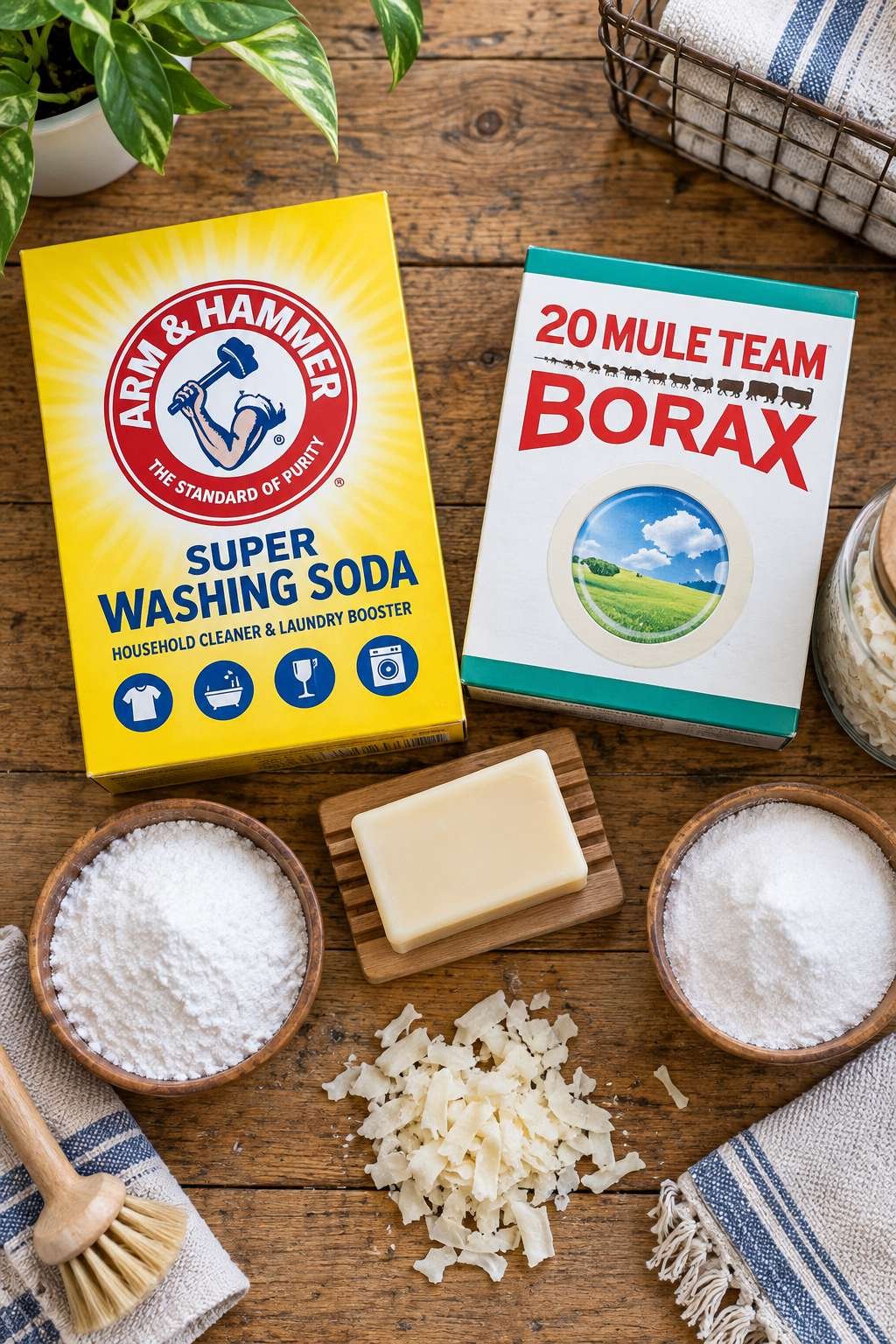
Washing soda boosts cleaning power and softens water, borax helps lift stains and deodorize, and the grated bar soap provides the actual cleansing base.
- Use washing soda (not baking soda) for real cleaning power
- Add borax for stain-lifting and deodorizing benefits
- Grate a plain bar soap finely for faster dissolving
- Choose fragrance-free bars if you have sensitive skin
- Keep a cheese grater or food processor on hand for prep
3. Powder vs. Liquid Laundry Soap: Which to Choose
Homemade laundry soap generally comes in two forms: powder and liquid. Powder versions are easier to make, store longer, and take up less space, since you’re just mixing dry ingredients together.
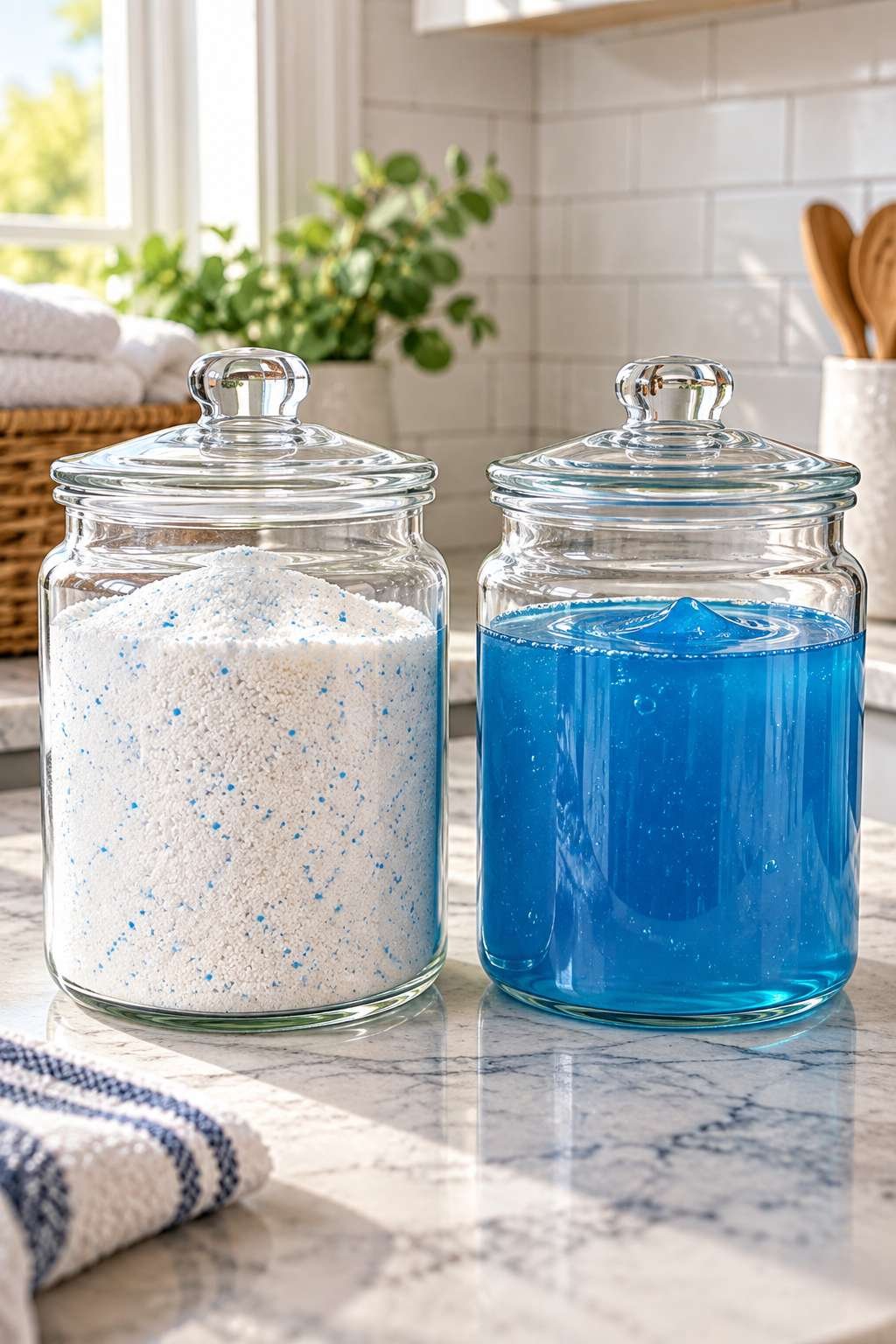
Liquid versions require dissolving the soap in hot water and letting it gel overnight, which takes more time but some people prefer the texture and dispensing.
- Choose powder soap for simplicity and long shelf life
- Pick liquid soap if you prefer a pourable, gel-like texture
- Expect powder to take just minutes to mix together
- Plan for liquid soap to sit overnight before it’s ready
- Store powder in an airtight container to prevent clumping
4. Step-by-Step: How to Make Powder Laundry Soap
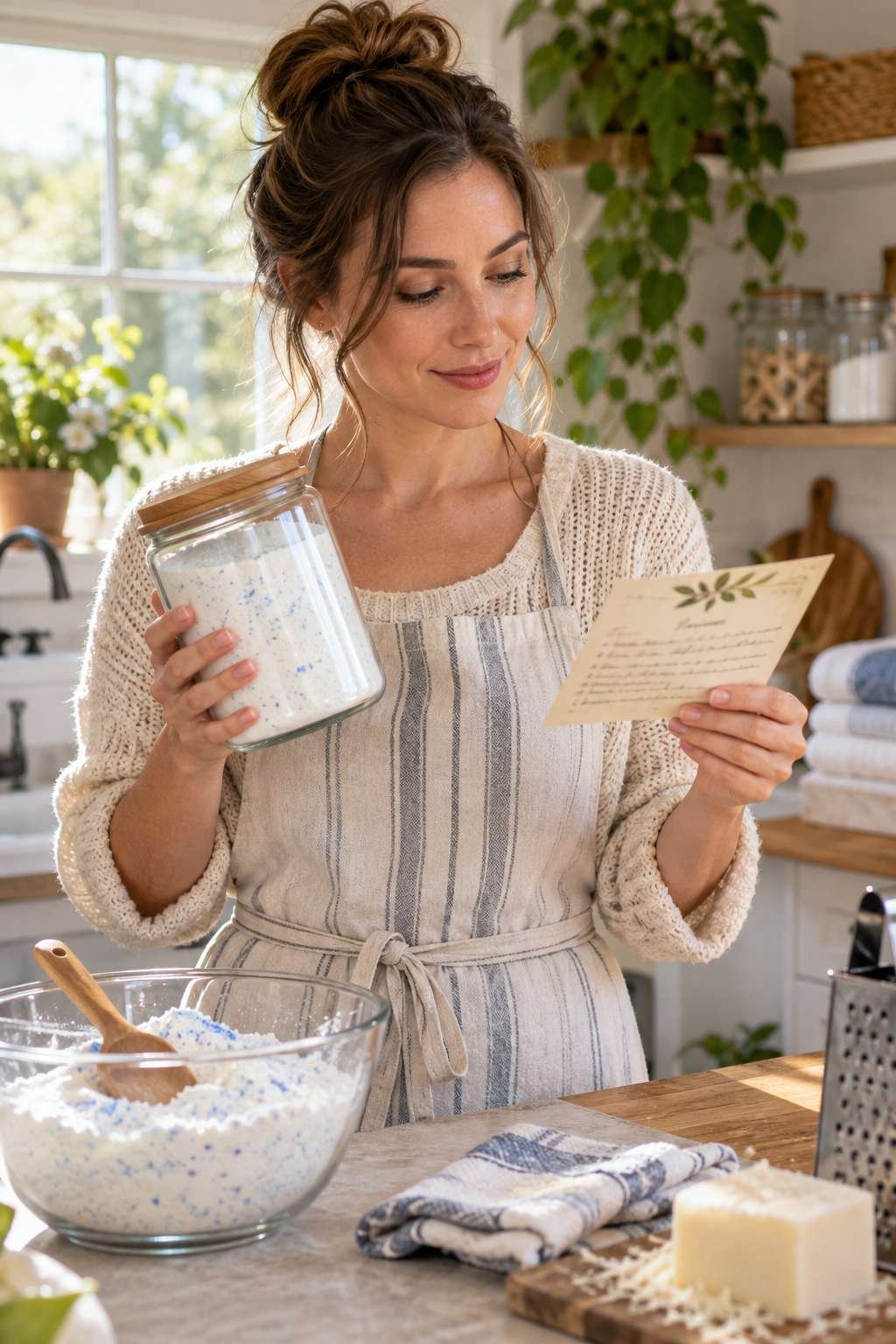
This is the fastest route if you’re wondering how to make a laundry soap without much prep work. Grate one bar of soap finely, then combine it with equal parts washing soda and borax in a large bowl or bucket. Mix thoroughly until the texture is even, then transfer to an airtight container for storage.
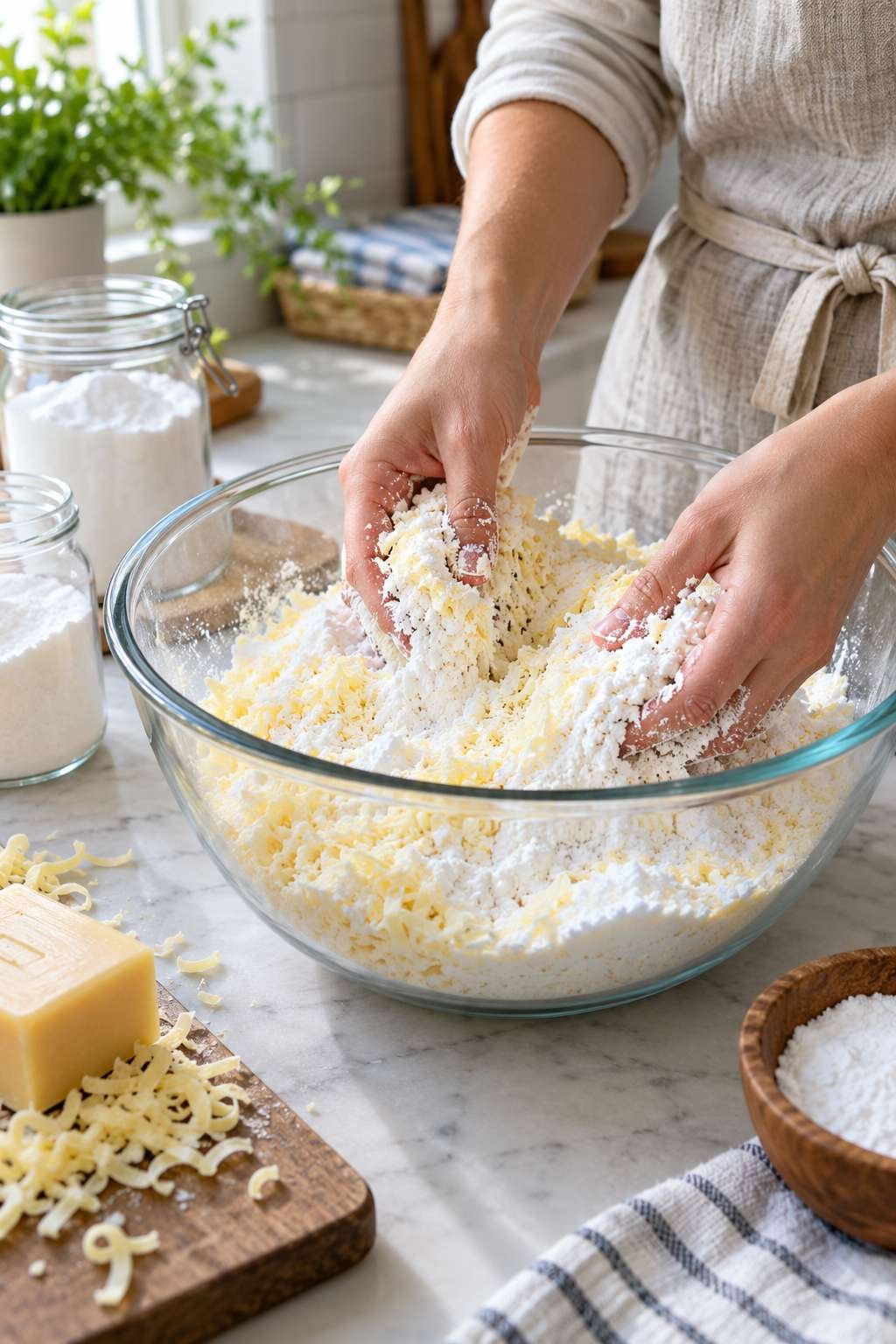
- Grate one full bar of soap into fine shavings
- Combine with one cup each of washing soda and borax
- Mix thoroughly until the texture looks even and consistent
- Store in a sealed container away from moisture
- Use about 1-2 tablespoons per load, adjusting for load size
5. Step-by-Step: How to Make Liquid Laundry Soap
For a liquid version, start by grating the same bar soap and dissolving it in a pot of hot water over low heat until fully melted.
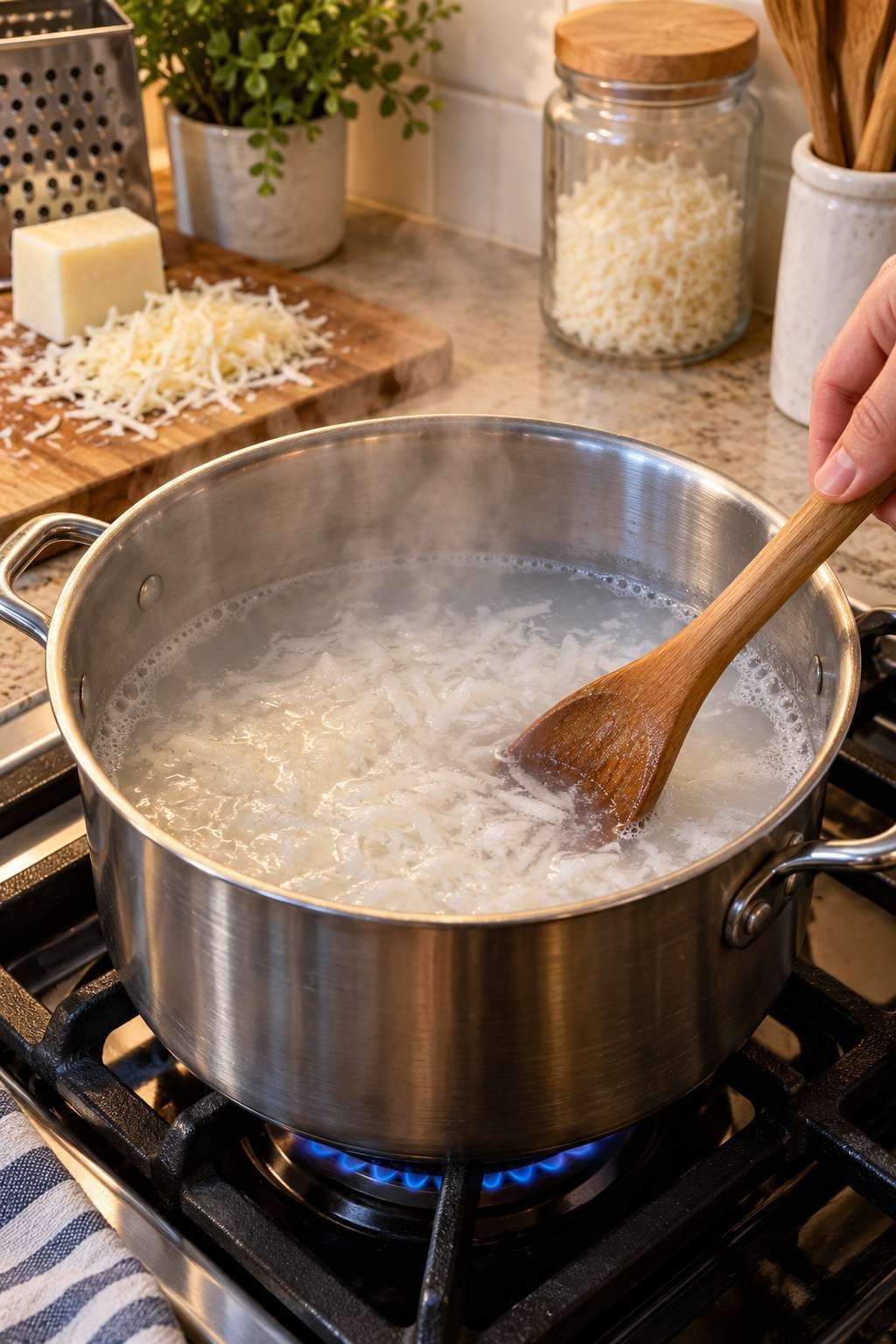
Stir in washing soda and borax until dissolved, then pour the mixture into a bucket with additional water and let it sit overnight to gel. The next day, stir or whisk before transferring to storage bottles.
- Melt grated soap in hot water over low heat
- Stir in washing soda and borax until fully dissolved
- Add the mixture to a bucket with extra water
- Let it sit overnight to gel into a thicker consistency
- Whisk before bottling into reusable containers
6. Common Mistakes to Avoid When Making Laundry Soap
Even a simple recipe can go wrong if a few details are skipped. Using too little water can leave the soap too thick to dispense evenly, while skipping the grating step can leave chunks that clog machines or dissolve unevenly.
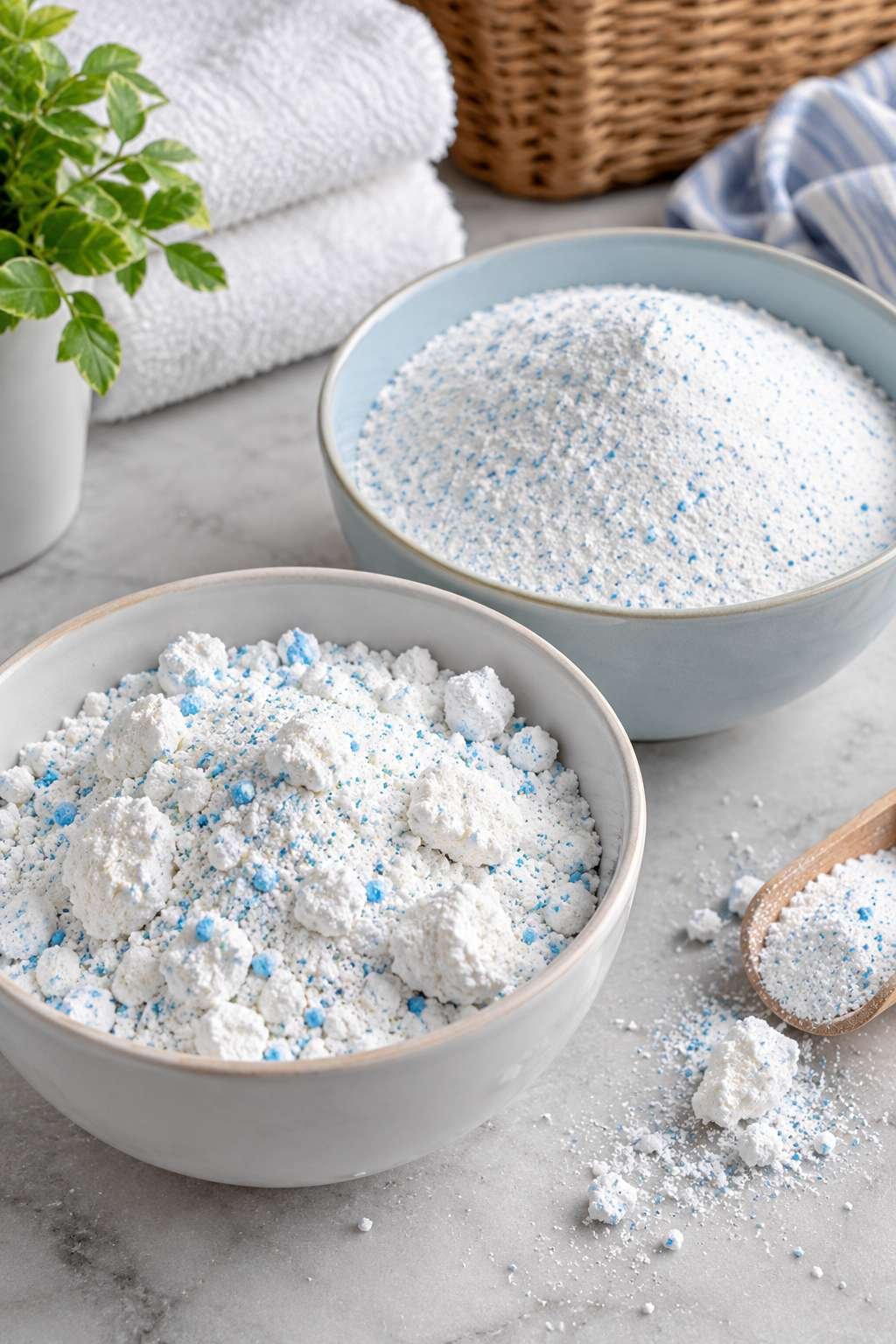
It’s also worth noting that some critics argue homemade soap isn’t always ideal — our post on Why Homemade Laundry Soap Is Bad covers the drawbacks some households run into, like buildup in high-efficiency machines.
- Grate soap finely to avoid chunky, unevenly dissolving mixtures
- Use the correct water ratio to avoid overly thick liquid soap
- Avoid using scented bar soap unless you want strong fragrance
- Check your washing machine type before switching, especially HE models
- Read up on potential downsides before fully committing to homemade soap
7. Alternative Recipes and Variations
Once you’ve mastered the basic recipe, there’s room to experiment. For a deeper walkthrough with ingredient substitutions and troubleshooting tips, check out our companion guide, How to Make Your Own Laundry Soap, which explores variations using different soap bars, essential oils for scent, and adjusted ratios for hard water areas.
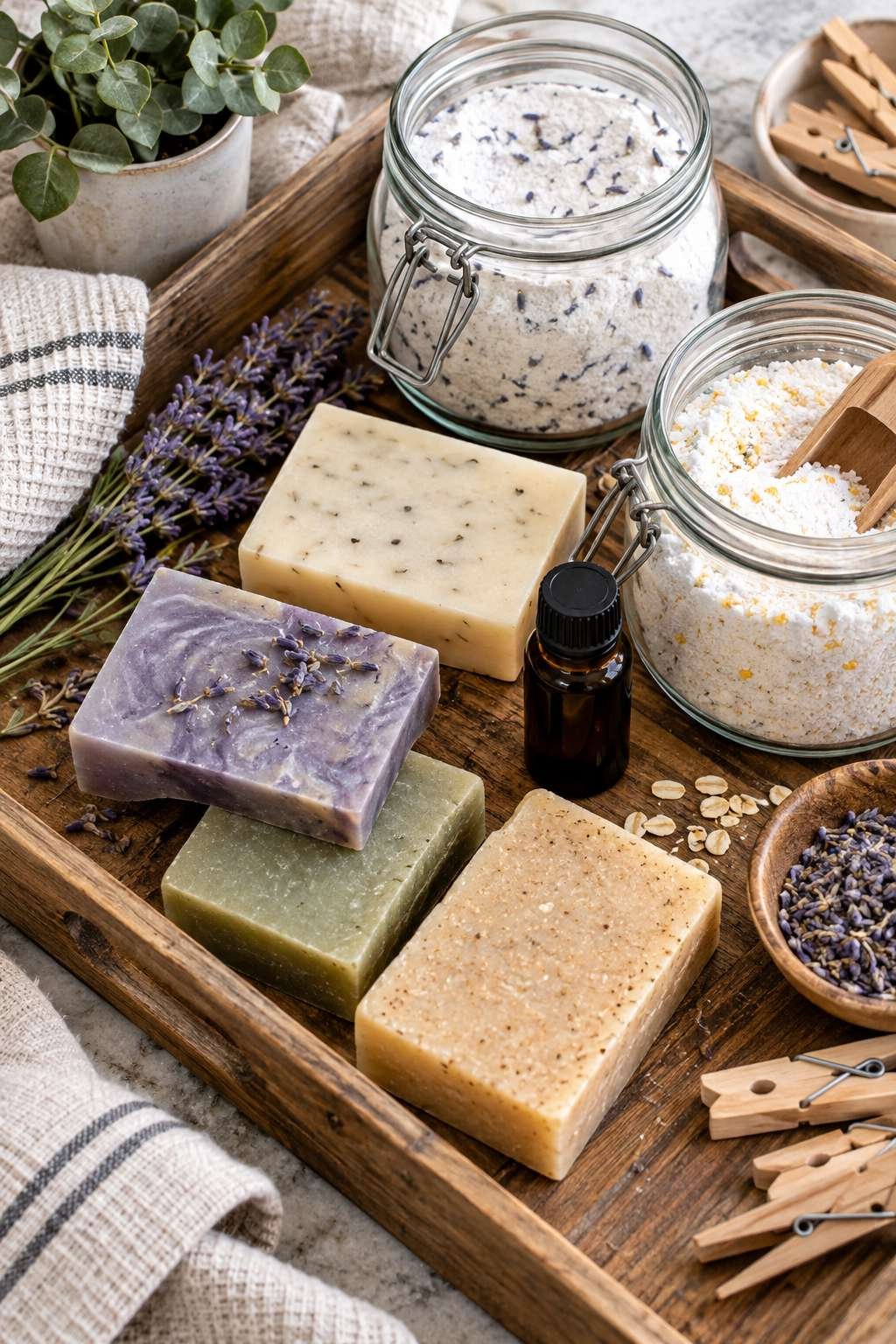
- Try different soap bars like Ivory or Castile for varied results
- Add essential oils sparingly for a light natural scent
- Adjust ratios slightly for hard water to boost cleaning power
- Experiment with oxygen boosters for tougher stains
- Keep notes on what ratio works best for your specific machine
8. Answering Common Questions About Homemade Soap
Many first-time makers have overlapping questions once they start the process — things like how long the soap lasts, whether it’s safe for babies’ clothes, or how much to actually use per load.
Our detailed FAQ-style post, How Do I Make Homemade Laundry Soap, walks through these exact concerns with practical, tested answers from people who’ve made the switch long-term.
- Confirm shelf life expectations for both powder and liquid versions
- Check safety considerations for baby clothes or sensitive skin
- Get clarity on proper dosage per load size and soil level
- Learn how to troubleshoot soap that isn’t dissolving properly
- Understand long-term storage tips to keep soap fresh
9. Dealing With Stains From Homemade Soap Residue
Occasionally, homemade soap can leave behind a waxy residue or faint stain, especially in cold water washes or hard water conditions.

If you’ve noticed this issue, our guide on How to Remove Laundry Soap Stains covers exactly how to treat and prevent this buildup so your clothes come out clean rather than streaked.
- Rewash affected items in warm water to dissolve residue
- Add a cup of vinegar to the rinse cycle to cut buildup
- Avoid overusing soap to reduce residue risk from the start
- Check your water hardness level if stains happen frequently
- Consider a water softener if the issue persists long-term
10. What to Do If You Run Out or Need a Backup Option
Sometimes you’re mid-laundry-day and realize you’re out of homemade soap with no time to make more. For those moments, our post on What to Use in Place of Laundry Soap lists practical household substitutes that can get you through in a pinch without ruining your load.
- Keep a backup detergent on hand for busy weeks
- Learn which household items can substitute in an emergency
- Understand which substitutes work best for which fabric types
- Avoid substitutes that could damage delicate fabrics
- Plan ahead by batch-making soap so you rarely run out
Conclusion
Learning how to make laundry soap at home is a straightforward way to save money, simplify your ingredient list, and take more control over your laundry routine. Whether you choose the quick powder method or the slightly longer liquid version, the basic formula stays the same: grated soap, washing soda, and borax. Start with a small batch, see how it performs in your machine, and adjust from there until you find the version that works best for your household.

