Getting locked out of your own bathroom is one of those small emergencies that feels bigger than it is, especially if someone’s trapped inside or you’re standing there in a towel. Knowing how to unlock bathroom door hardware is a simple skill that takes just a few minutes to learn, and most of the time you won’t even need a locksmith.
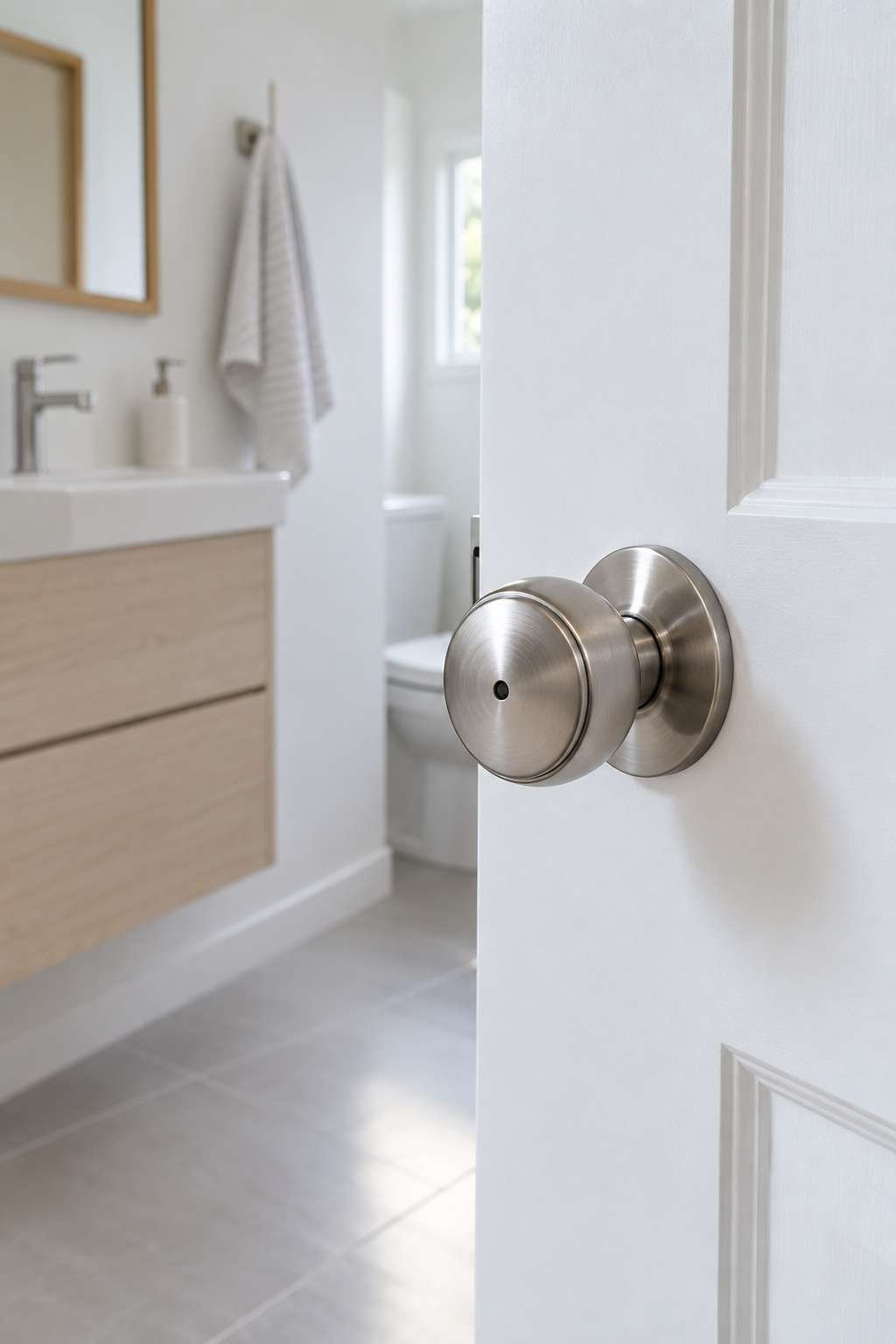
This guide covers every common scenario, from privacy locks with the classic pinhole to older knob styles that jam or stick. By the end, you’ll know exactly what to reach for the next time a bathroom door won’t budge.
1. Understand What Kind of Lock You’re Dealing With
Before trying anything, take a second to identify the lock type, since the method that works on one style won’t necessarily work on another. Most residential bathroom doors use a simple privacy lock, not a keyed deadbolt.
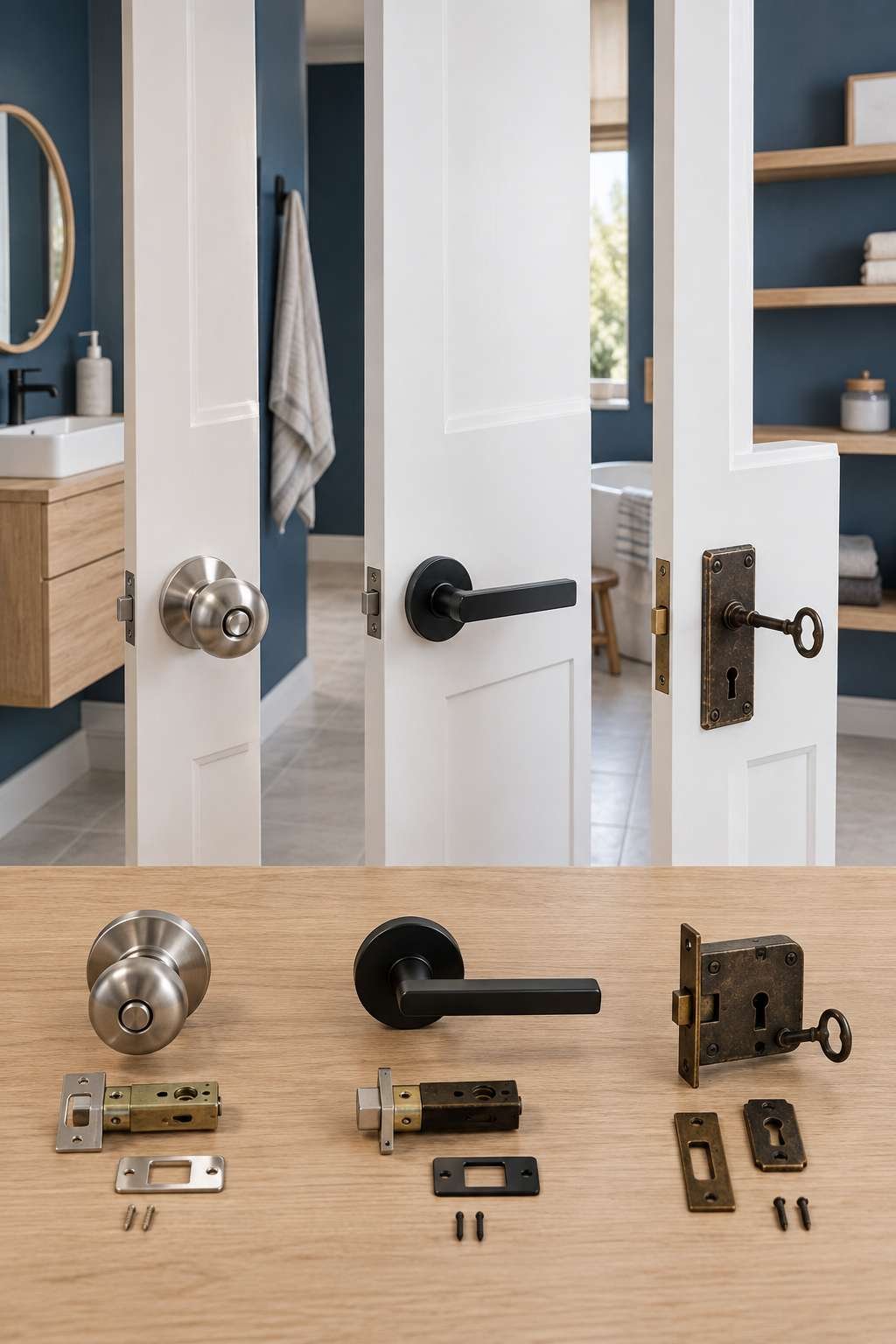
Privacy locks are built for convenience rather than security, which is exactly why they’re so easy to bypass with basic household tools. Knowing this upfront saves you from unnecessary force on the door or frame.
- Push-button knob locks with a small pinhole on the outside
- Turn-button or lever locks common on newer doors
- Older skeleton-key or keyed knob styles on vintage homes
- Sliding bolt locks sometimes added for extra privacy
- Electronic or smart locks on more recently renovated bathrooms
2. Gather the Right Tools First
Most bathroom lock releases only need something thin and rigid, so you likely already have what you need within arm’s reach. Reaching for the correct tool before you start prevents scratched hardware and a longer ordeal than necessary.
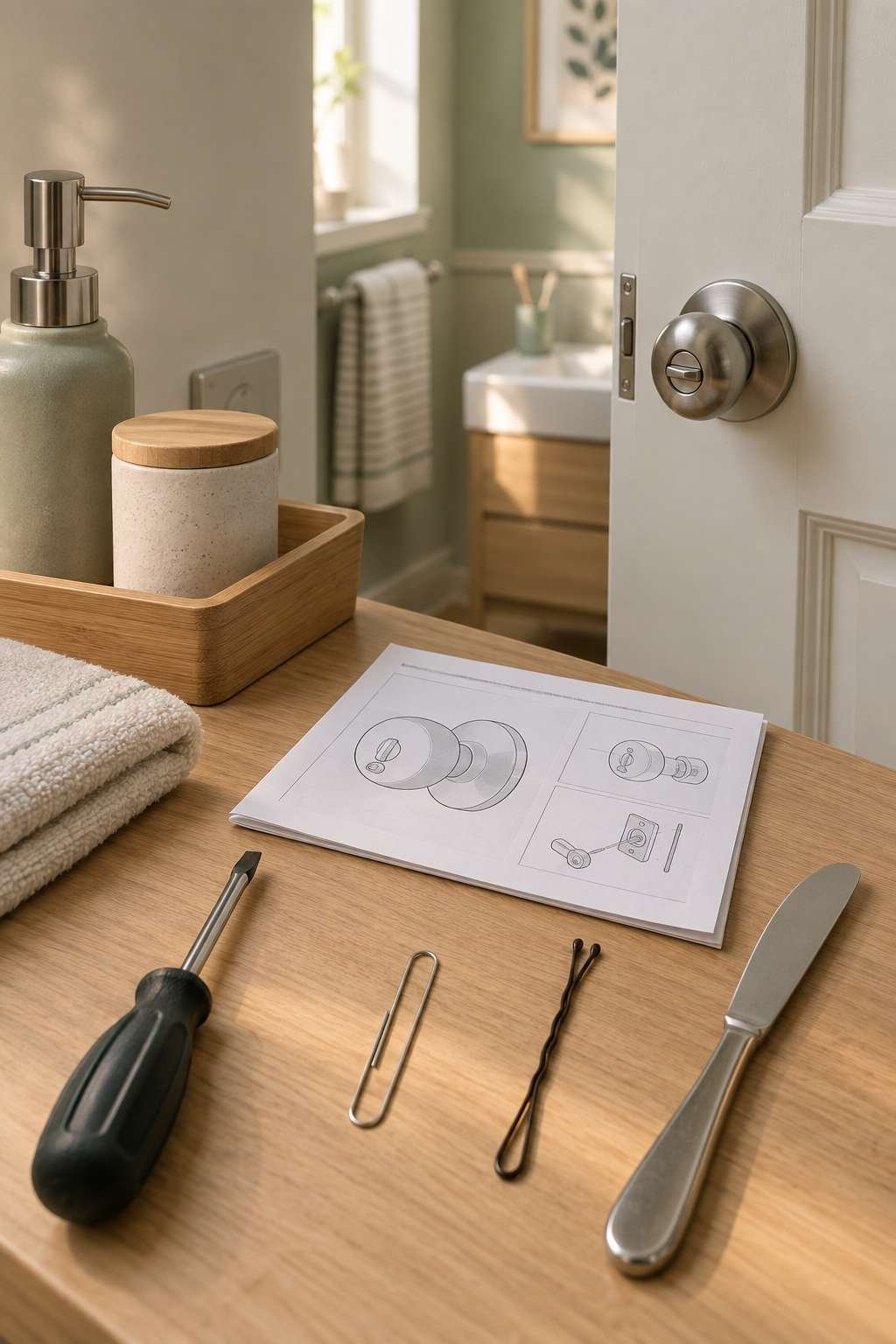
A flathead screwdriver handles the majority of privacy locks, while a straightened paperclip or bobby pin works well for the small pinhole style found on many push-button knobs.
- Small flathead screwdriver
- Straightened paperclip, bobby pin, or thin metal rod
- Butter knife as a backup for older latch styles
- Flashlight if the hallway lighting is dim
- Patience — most locks open in under a minute once you find the right angle
3. Locate the Pinhole or Release Mechanism
Almost every modern privacy knob has a small hole on the outside face, directly opposite the interior turn-button. This tiny opening is the manufacturer’s built-in emergency release, designed for exactly this situation.
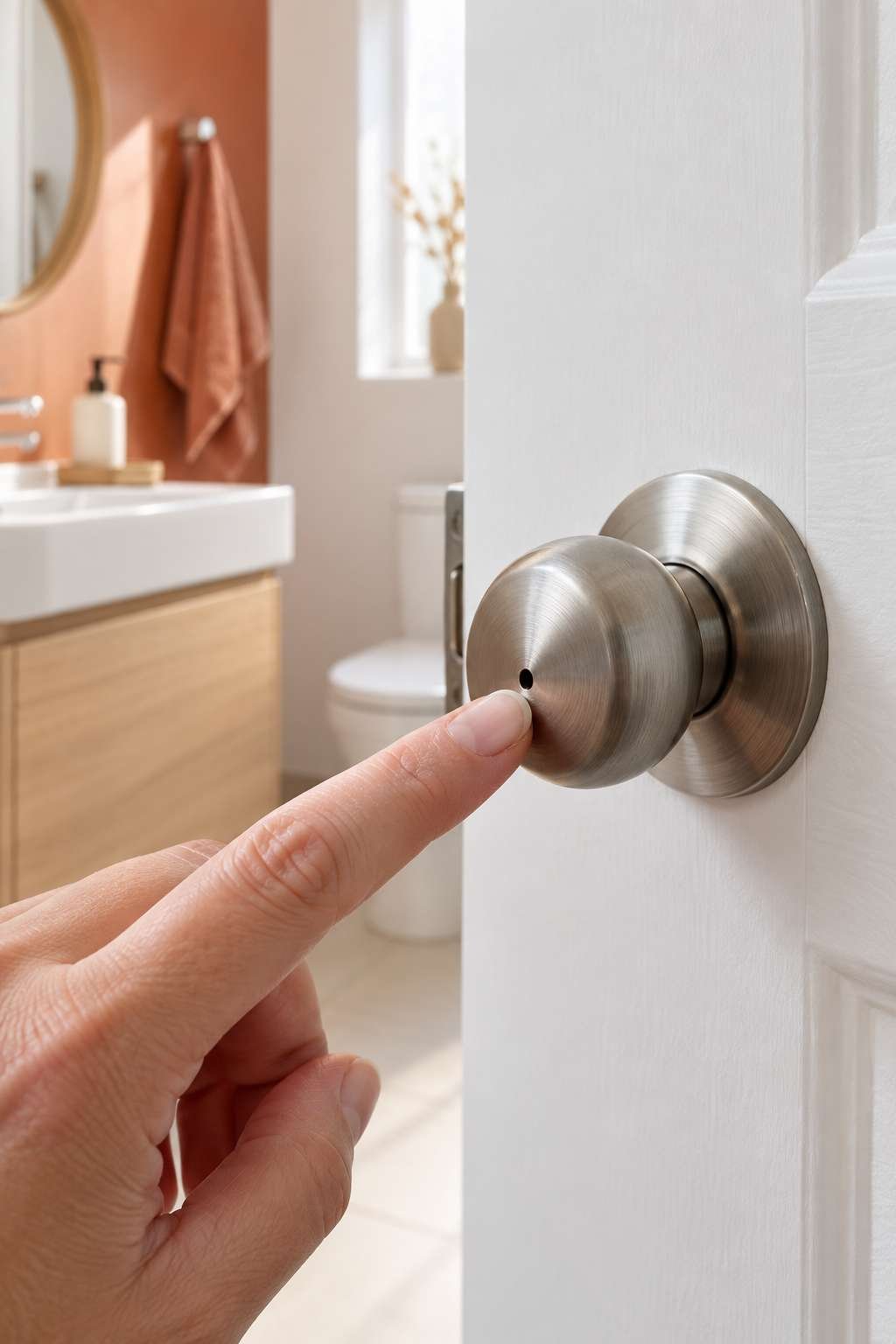
Run a finger across the outer knob if the hole isn’t immediately visible — some styles hide it slightly off-center or beneath a decorative ring that pops off.
- Check the center of the outer doorknob first
- Look for a small metal ring that may need to be twisted or popped off
- On lever handles, check the underside near the base plate
- If no hole is visible, the lock may be an older keyed style instead
- Note the exact position before inserting a tool, so you insert it straight
4. Insert and Press the Release Pin
Insert your chosen tool straight into the pinhole and press firmly. Most mechanisms release with a simple straight push, not a twist, so resist the urge to wiggle it around too much.
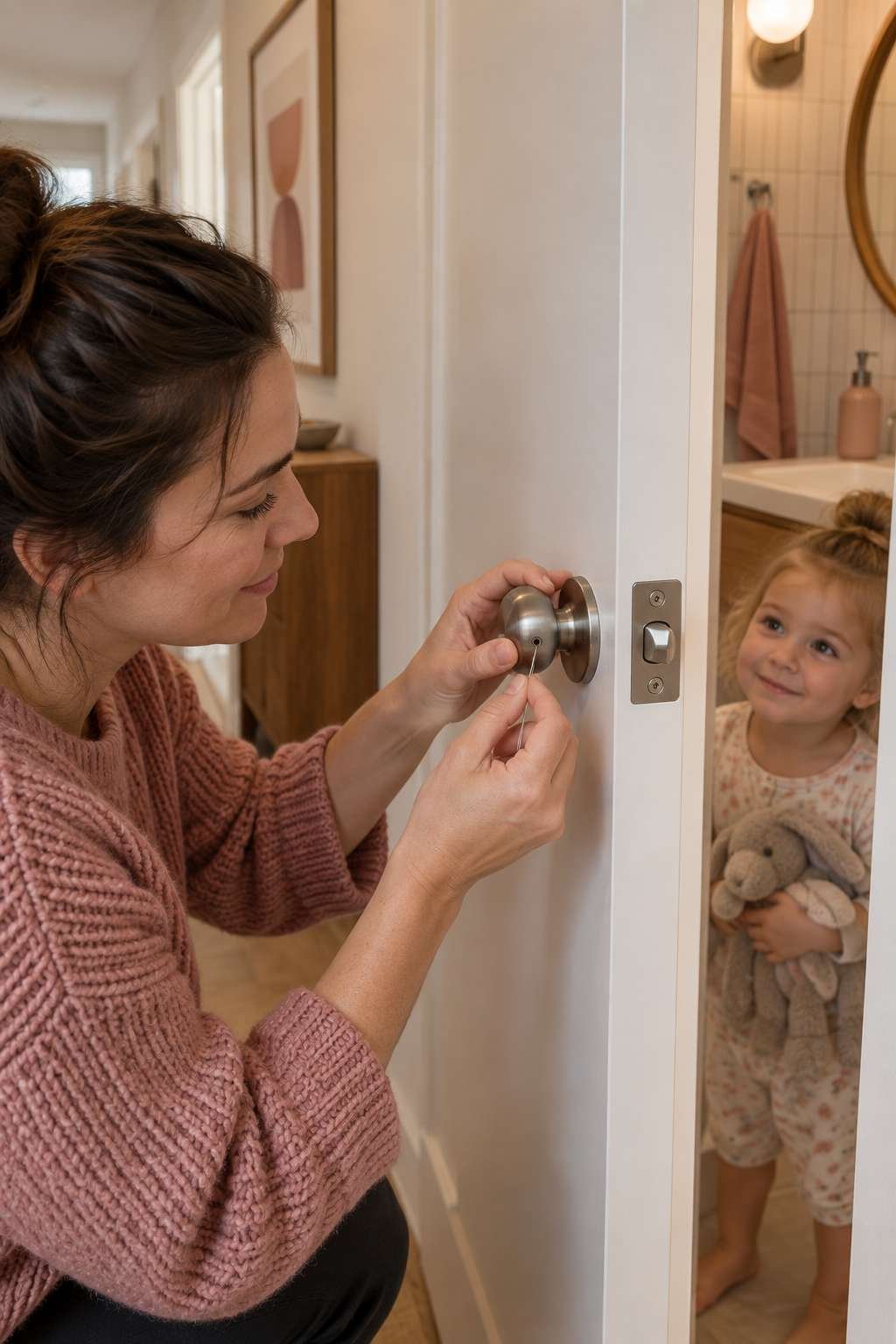
While pressing, try turning the knob at the same time — the release pin disengages the lock, but the knob still needs to rotate to actually open the latch.
- Insert the tool fully and press firmly inward
- Turn the knob gently while maintaining pressure on the pin
- Listen or feel for a small click indicating release
- If nothing happens, remove and reinsert at a slightly different angle
- Avoid excessive force, which can bend the pin mechanism
5. Try the Credit Card Method on Latch-Style Locks
If your door uses a simple spring latch rather than a pinhole knob, a thin, sturdy card can slide the latch back without touching the lock mechanism at all. This works because privacy latches are angled, not flat, against the strike plate.
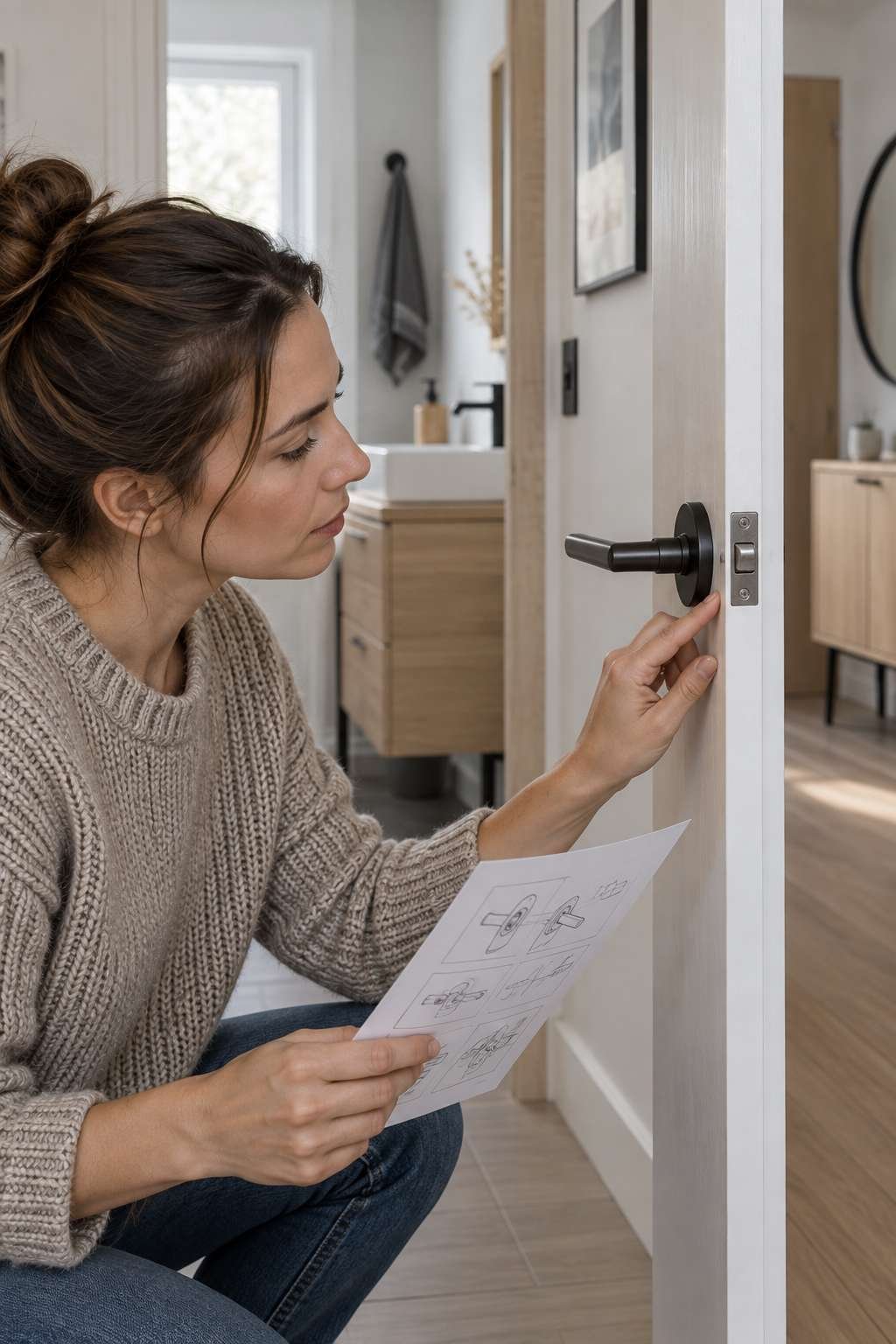
Slide the card between the door and frame at an angle, aiming it toward the beveled edge of the latch, then push while pulling the door slightly toward you.
- Use an old gift card or expired ID rather than a card you still need
- Angle the card toward the beveled side of the latch
- Wiggle gently while applying inward pressure
- Pull the door toward you slightly to reduce friction on the latch
- This method won’t work on deadbolts or fully keyed locks
6. Handle a Door That’s Stuck, Not Locked
Sometimes the door isn’t actually locked — it’s swollen from humidity or the latch has shifted out of alignment with the strike plate. Bathrooms are especially prone to this because of constant moisture exposure.
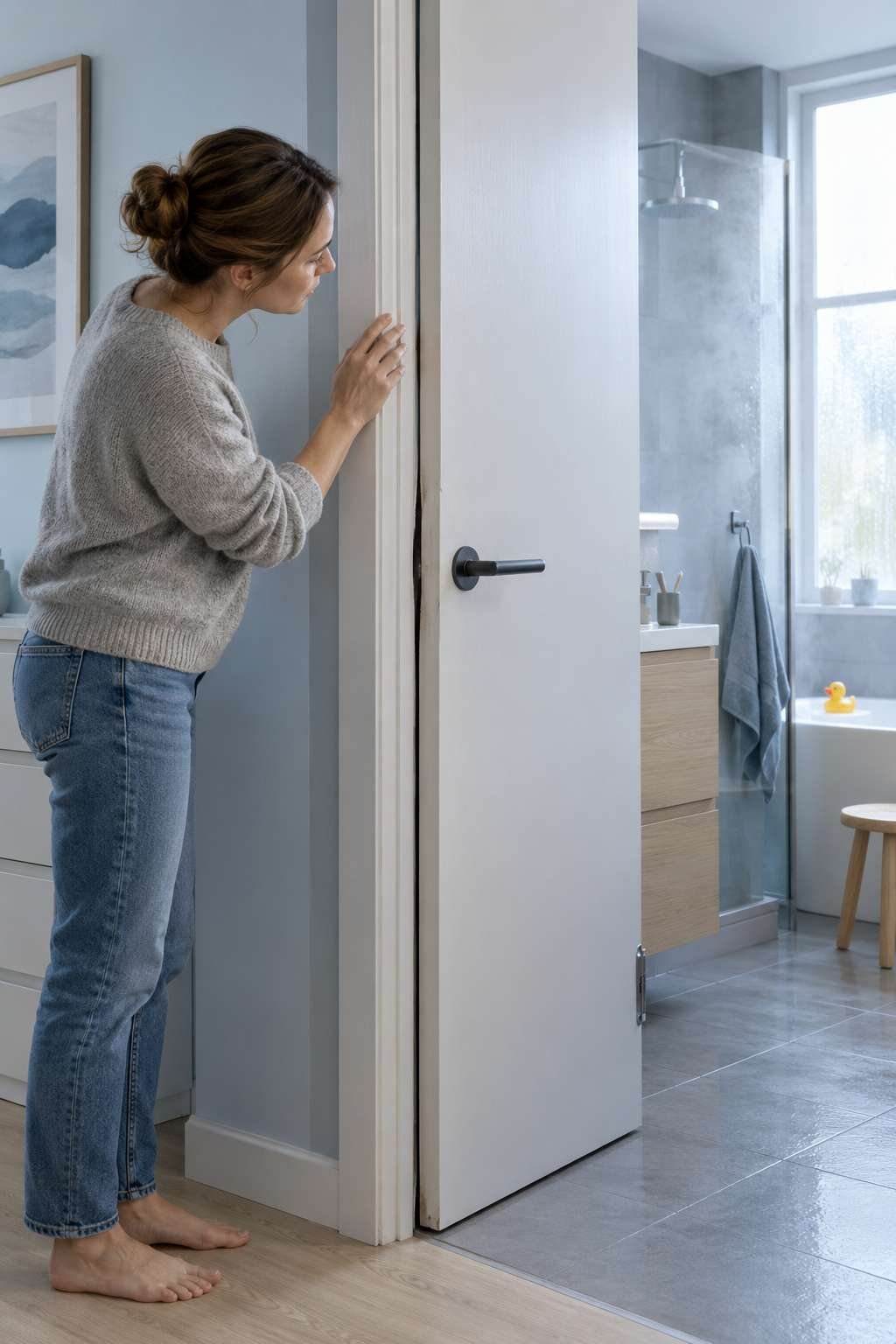
If the knob turns freely but the door still won’t open, check the frame for swelling or misalignment before assuming the lock itself is the problem.
- Try lifting up slightly on the door handle while pushing
- Check whether the door has swollen against the frame from humidity
- Inspect the strike plate for rust or misalignment
- Tap gently near the latch area to loosen a stuck mechanism
- Consider a dehumidifier in the bathroom if this happens repeatedly
7. What to Do If Someone Is Locked Inside
A locked bathroom door feels more urgent when a child, pet, or family member is stuck on the other side. Stay calm and talk them through turning the interior lock or lever, since many accidental lock-ins happen simply because a small child pressed the button without meaning to.
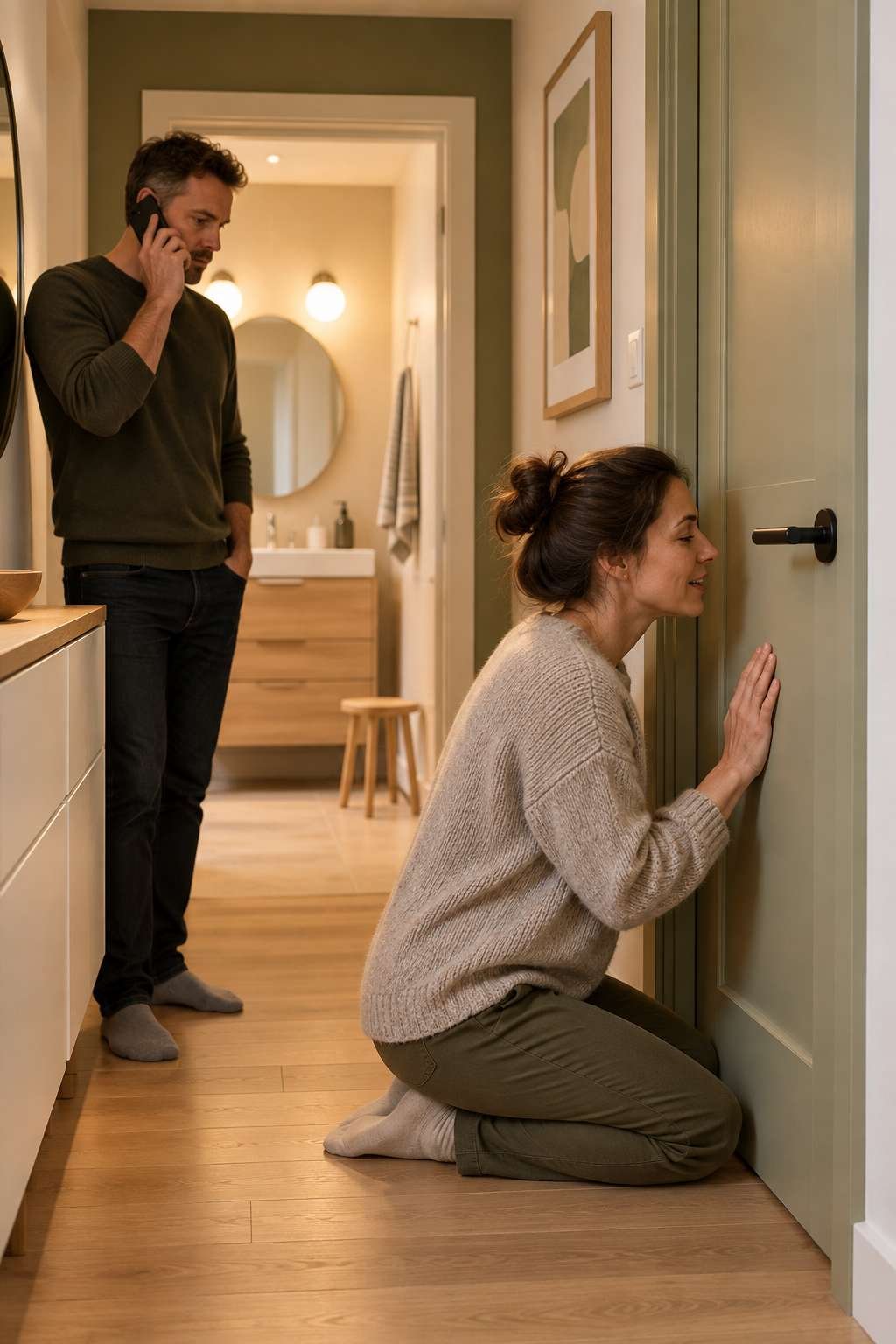
If verbal instructions don’t work, move to the pinhole release method from the outside while reassuring the person inside that it will only take a moment.
- Speak calmly and ask them to try turning the interior lock first
- Guide young children toward simply twisting the button back
- Use the pinhole release method if talking them through it doesn’t work
- Keep the person calm rather than rushing or forcing the door
- Call for outside help only if there’s a genuine safety concern
8. When to Remove the Doorknob Entirely
If the pinhole method and card trick both fail, removing the knob is the next reasonable step before resorting to anything more drastic. Most interior knobs are held on by a small visible or hidden screw near the base.
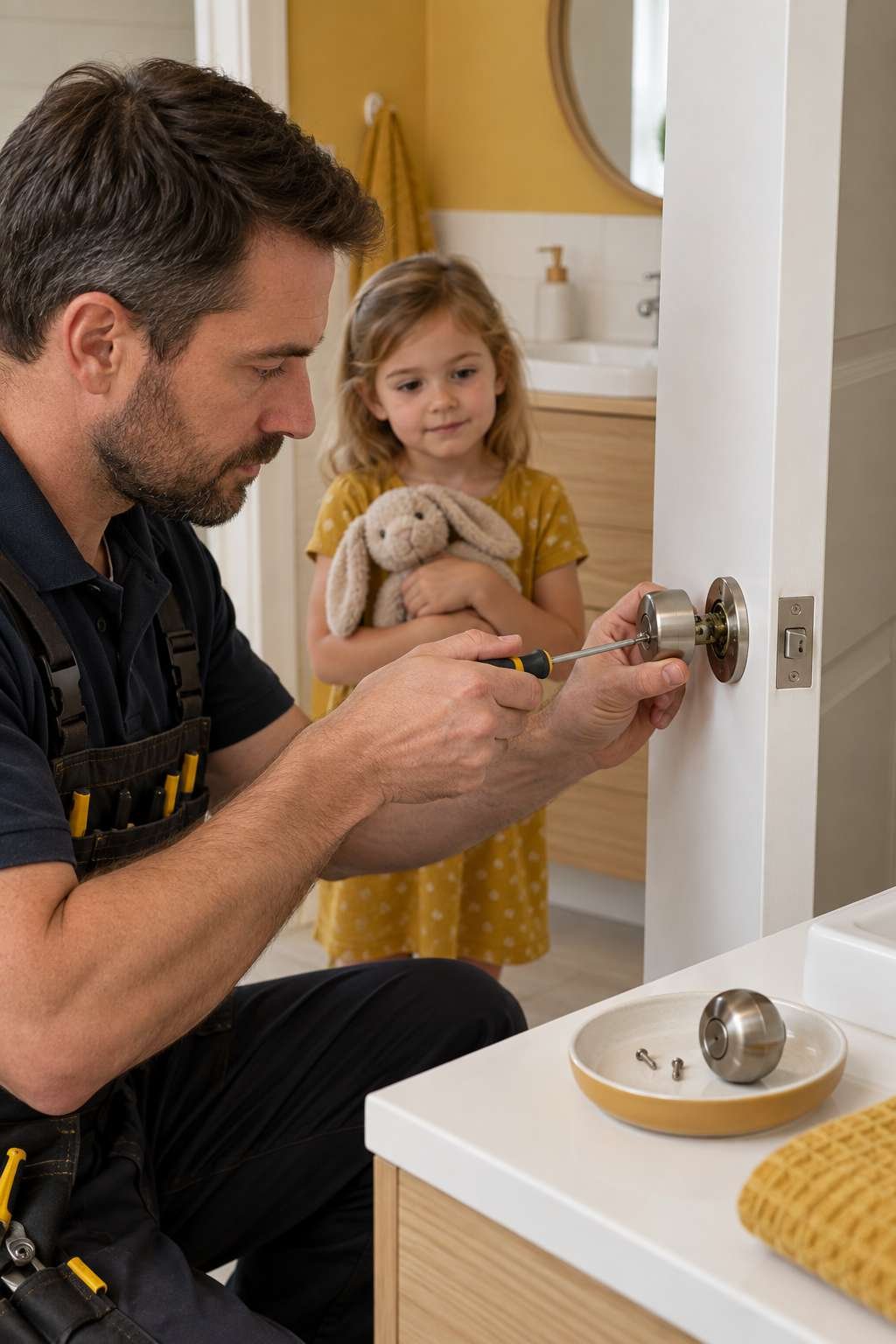
Once the knob assembly is off, the latch mechanism is usually exposed enough to retract manually with a flathead screwdriver.
- Look for a visible screw or a small slot to release the knob
- Some styles require a thin tool inserted into a side notch to release the knob
- Once removed, locate the latch mechanism and retract it manually
- Keep small screws in a cup so nothing gets lost
- Reassemble the knob once the door is open and unlocked
9. Prevent Future Lockouts
Once you’re back inside, a few small changes make it far less likely you’ll deal with this again. Simple habits go a long way toward avoiding a repeat of the whole ordeal.
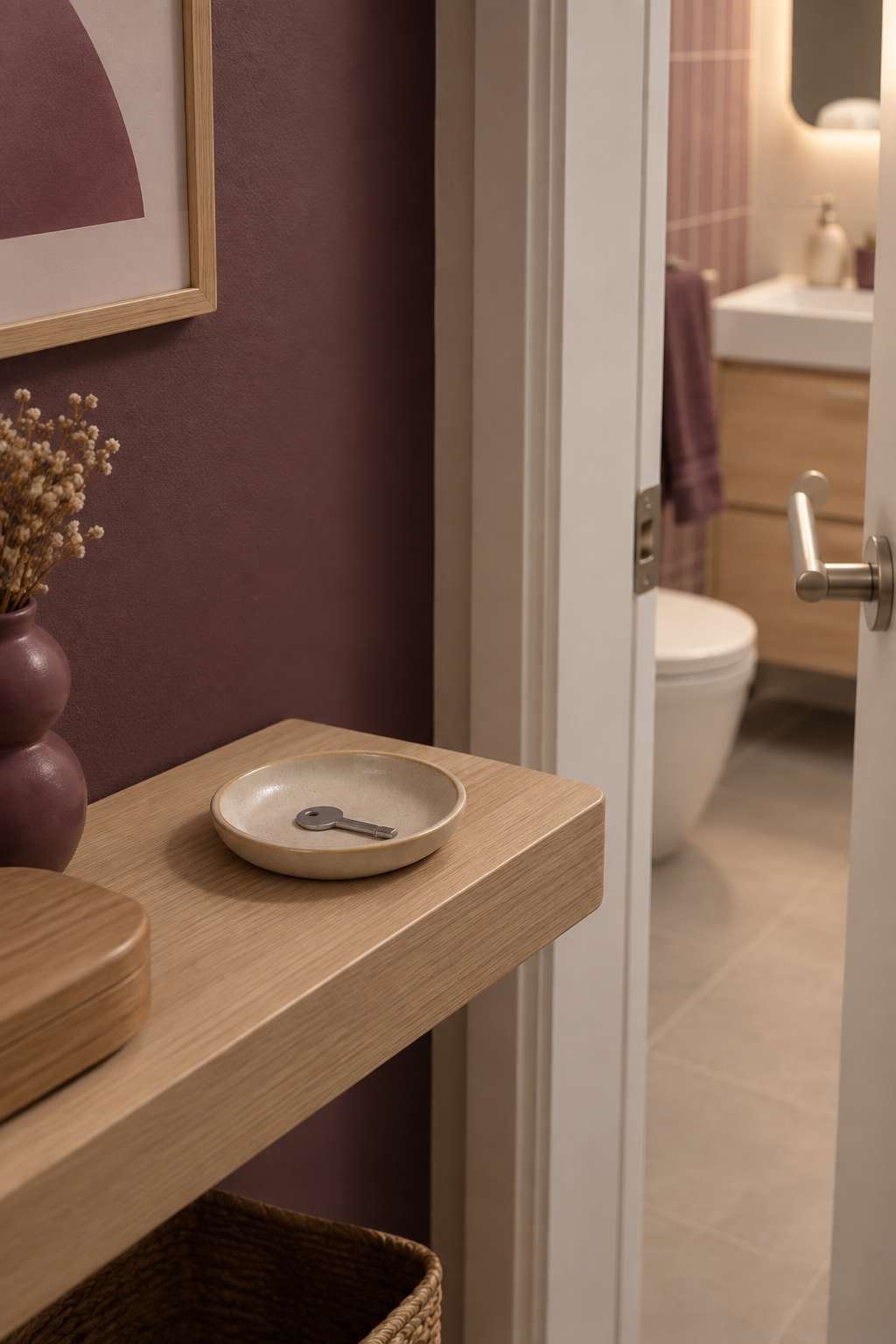
If this happens often in your household, our detailed guide on How to Unlock Bathroom Door with Hole knobs specifically walks through the pinhole release in more depth, and How to Open Bathroom Door with Hole covers a few additional knob variations worth knowing.
- Keep a small tool like a paperclip stored just outside the bathroom
- Teach kids not to lock the door unsupervised
- Consider swapping to a lock style without a full privacy button
- Lubricate the latch mechanism if it feels stiff
- Check the strike plate alignment periodically
10. Related Situations Worth Knowing
Bathroom lockouts come in a few different flavors depending on the door age, lock style, and which side you’re standing on. If you’re dealing with an older keyed knob rather than a modern privacy lock, our guide on How to Open a Locked Bathroom Door covers keyed and skeleton-lock variations in more detail.
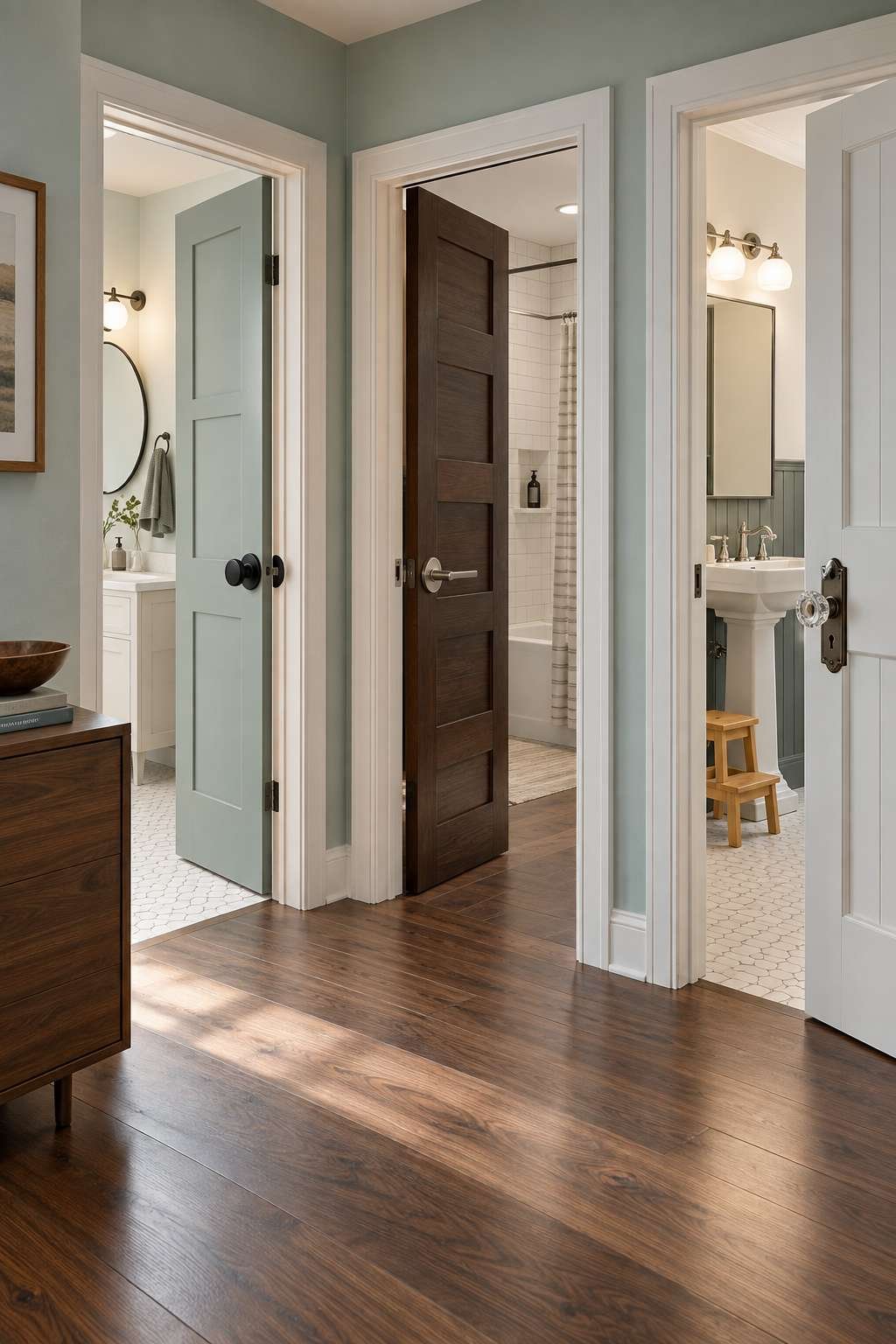
For situations where you specifically need to get in from the exterior side, How to Unlock Bathroom Door from Outside walks through that angle directly, and How to Open Lock Bathroom Door rounds out a few remaining edge cases like sliding bolts and childproof add-ons.
- Keyed knobs need a small key or bobby-pin pick, not the pinhole method
- Sliding bolt locks require access from the room the bolt is mounted in
- Childproof lock covers sometimes hide the standard release mechanism
- Smart locks may have a manual override — check the manufacturer manual
- When in doubt, the credit card method is the safest first attempt
Frequently Asked Questions
What household item works best to unlock a bathroom door?
A straightened paperclip or bobby pin is usually the most reliable option for the small pinhole found on most privacy knobs. A thin flathead screwdriver works as a close second.
Why won’t my bathroom door unlock even with the right tool?
The lock may be misaligned or the door swollen from humidity rather than actually engaged. Check the strike plate and frame before assuming the release method has failed.
Is it safe to unlock a bathroom door with a credit card?
Yes, for standard spring-latch privacy locks. It won’t work on deadbolts, and using an important card risks bending it, so an old or expired one is best.
Can a locksmith open a bathroom door if nothing else works?
Yes, though it’s rarely necessary. Most residential privacy locks can be opened with basic household tools long before a locksmith visit becomes worthwhile.
Conclusion
A locked bathroom door is almost never as serious as it feels in the moment. Whether you’re reaching for a paperclip, sliding a card along the latch, or removing the knob entirely, one of these methods will get the door open in a few minutes without damaging the hardware.
Keep a small release tool handy near frequently used bathrooms, and this particular household hiccup becomes little more than a minor inconvenience the next time it happens.